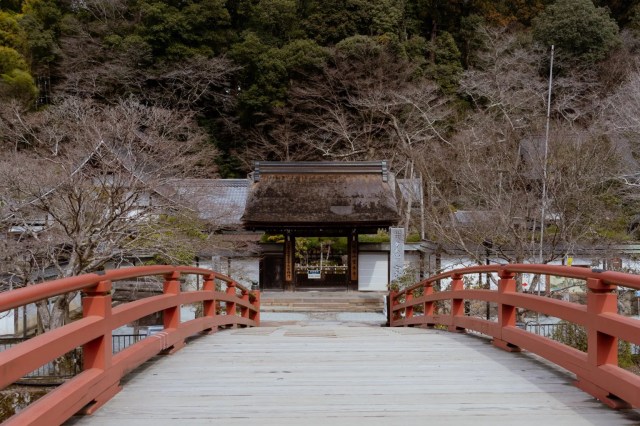
Murouji has a fascinating history, with stunning sights that’ll linger in your heart long after you visit.
Most tourists who visit Nara head straight for the world-famous giant buddha and free-roaming deer at Nara Park, but those wanting to escape the crowds and explore off the beaten path will find beautiful gems on the Nara Yamato Four-Temple Pilgrimage.
The four ancient temples — Murouji, Hasedera, Abe Monjuin, and Oka-dera — are all located in Nara’s Yamato region, and each one has a long and fabled history stretching back to the days when Nara Prefecture was known as Yamato Province, the birthplace of imperial rule.
One of the most impressive temples is Murouji, which goes by both “Muro-ji” and “Murouji” in English by official sources. Located around 90 minutes by train from Nara Park, our reporter Egawa Tasuku was able to visit recently on a press tour organised by Central Japan Railway Company (JR Tokai), and he says it’s one of the most beautiful sites he’s ever seen.
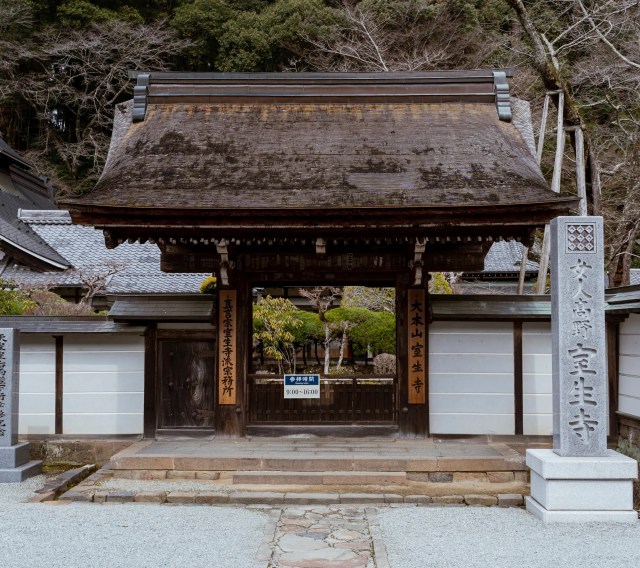
The pilgrimage temples are currently growing in popularity after being featured in Hikaru Kimi e, the current year-long historical taiga drama series depicting the life of Murasaki Shikibu, the Japanese female poet and novelist who wrote The Tale of Genji, one of the world’s first novels.
Murouji’s history is particularly important for women, as it was one of the few religious sites to accept women as pilgrims back when it was frowned upon. In fact, it still goes by the name “Nyonin Koya“, or “Mt Koya for Women“, given that prior to 1872 women were banned from entering Mt Koya, home to the ecclesiastical headquarters of the local sect of Shingon Buddhism, to avoid leading male monks astray.
Today, Murouji Temple is the head temple of the Murouji sect of the Shingon Buddhism, and it’s home to a number of National Treasures and Important Cultural Properties.
▼ One of the National Treasures is Kon-do Hall, which was built in the mid-9th century.
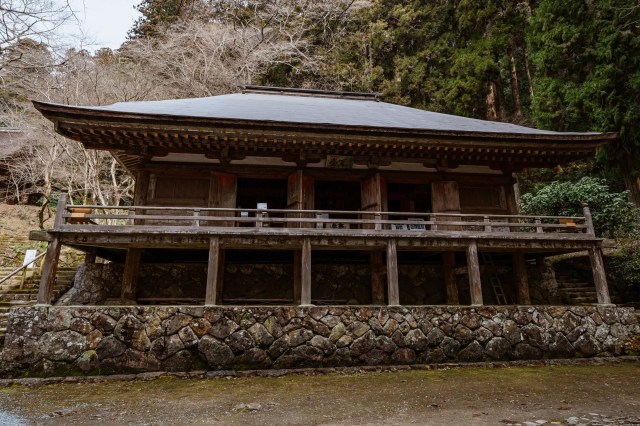
As one of the oldest structures at Murouji, this building has a very dignified and impressive facade, but when viewed from the side, the fascinating shape of the roof reveals itself. This building was constructed in the yosemune-zukuri style, where the roof features a technique called Kokera-buki, a construction method that involves layering wood shingles on top of each other.
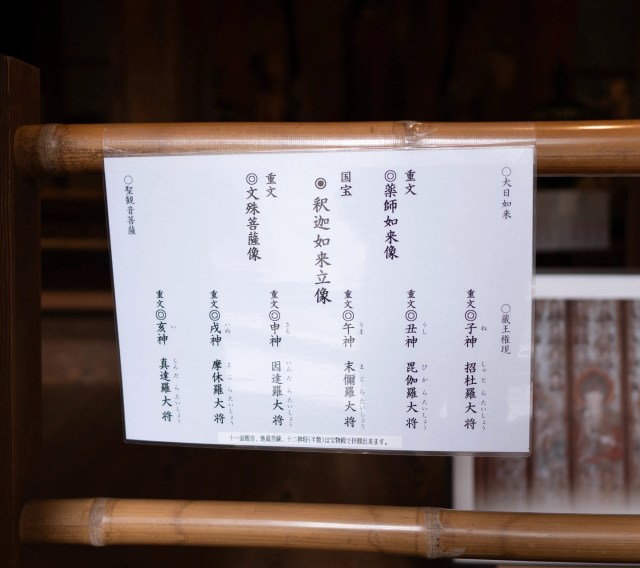
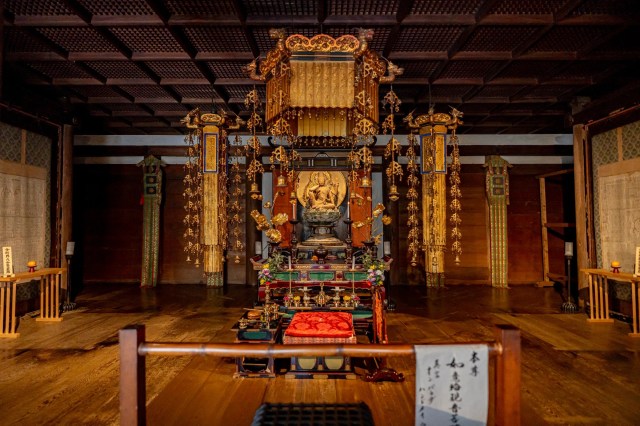
The Hall houses another National Treasure, The Standing Statue of Chuson Shaka Nyorai (“釈迦如来立像”), a 234.8-centimetre (92.4-inch) tall wooden Buddha that dates back to the early Heian Period (794-1185). The figure is surrounded by eight other Buddhist statues, all of which are Important Cultural Properties, with the main two being Bodhisattva Yakushi and Bodhisattva Monju (also dated to the Heian Period), and six of the Wooden Standing 12 Guardians, which are approximately a metre high and date back to the Kamakura Period (1185-1333). Each guardian displays a Chinese zodiac animal on their head, with this Hall enshrining the guardians of Rat (“子”), Ox (“丑”), Horse (“午”), Monkey (“申”), Dog (“戌”) and Boar (“亥”).
▼ Photography is prohibited inside the hall, but this sign shows you the setup of the display.
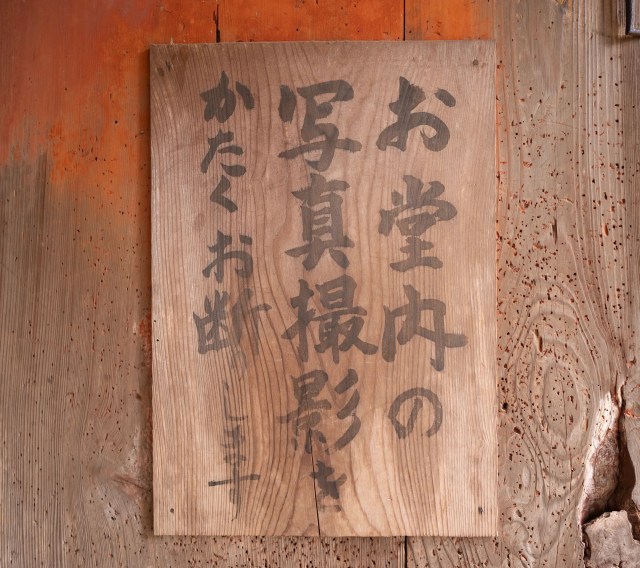
If you’re at an ancient temple like this one, keep an eye out for these types of signs — if they display the words “写真” (“shashin”) or “撮影” (“satsuei”), which can be used together or interchangeably to mean “photography” or “photograph”, alongside the kanji character “断”, from “okotowari” which means “refuse”, you’ll know it means photography is prohibited.
There are exceptions to the no-photography rule at this temple from time to time, though, because for a limited time from 30 March to 6 May, the temple will be allowing smartphone photography inside the hall, only for those who participate in the “Special Visit” event.
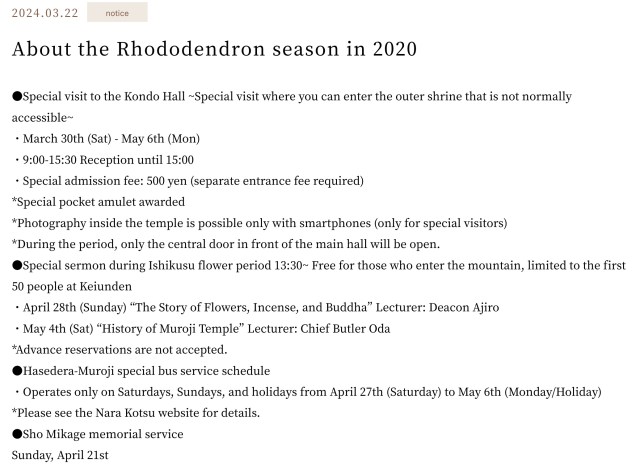
Opportunities to photograph Buddha statues of National Treasure status are rare, so temple lovers will definitely want to visit during the Golden Week holidays, which end on 6 May this year. Egawa was given permission to photograph some of the usually off-limits displays as part of the press tour, but he held back on publishing some photos in order to keep it a surprise for those who do visit. However, he couldn’t resist sharing one image of an incredibly special National Treasure, located behind The Standing Statue of Chuson Shaka Nyorai.
▼ This is the Taishakuten (Shakra) Mandala, a rare wall painting and valuable relic, believed to have been painted on this wooden board around the middle of the 9th Century.
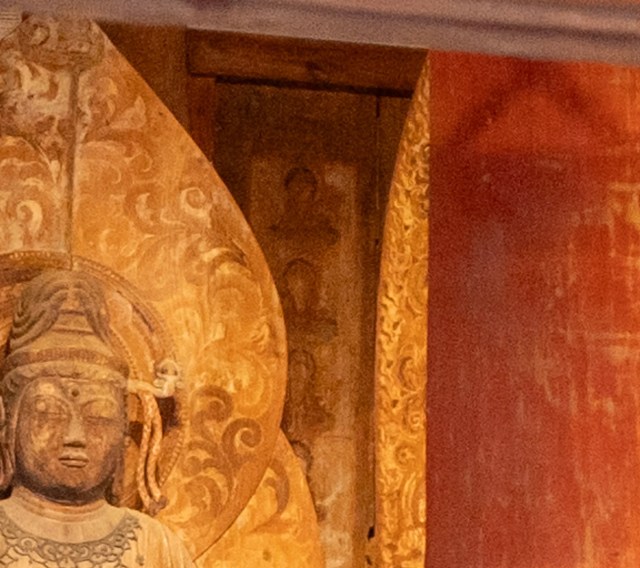
Hidden behind the Buddhist figures, this is like a secret national treasure that’s almost invisible from the front so Egawa highly recommends searching for it when you visit.
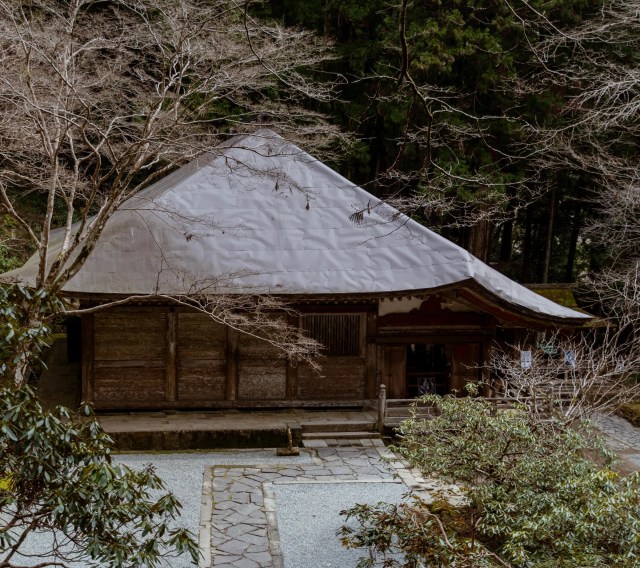
▼ Incidentally, when Egawa stopped by, the roof of the Hall was covered with protective sheeting as it needs to be reroofed.
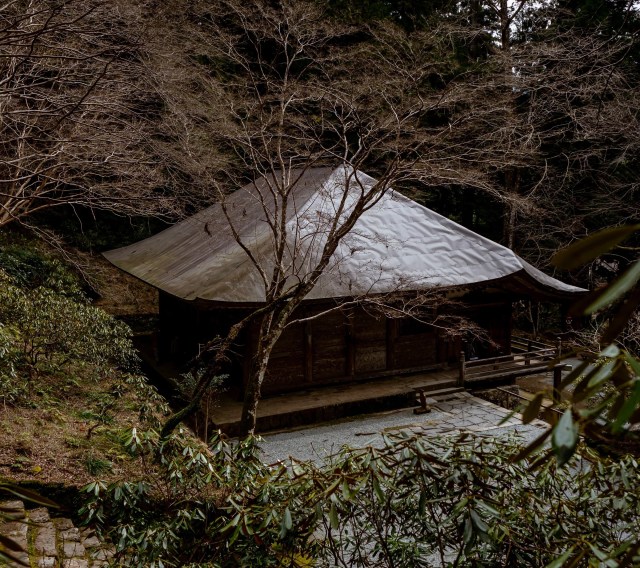
The temple is currently seeking donations to reroof the building and also improve the temple grounds and preserve the environment. While people can make donations at the temple, there’s also a crowdfunding campaign in place to raise funds, and it’s already reached 83-percent of its 10 million-yen (US$64,000) target goal, with around a month remaining.
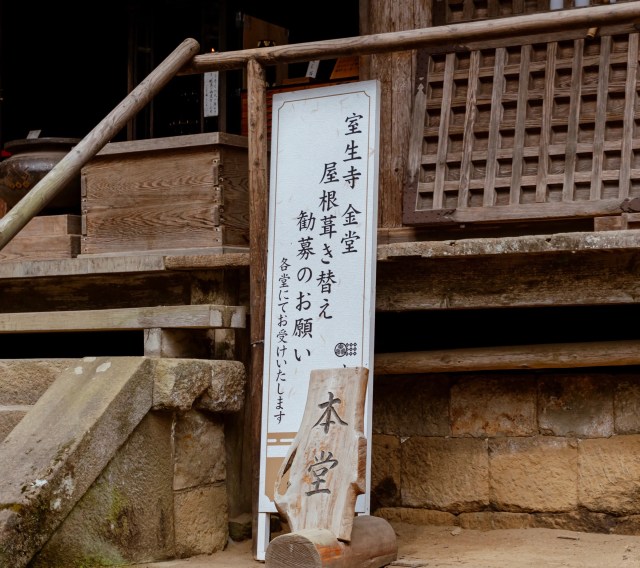
It’s heartening to see the temple has the support of so many people behind it, especially when there are so many historically important sites on the grounds, including the Main Hall, a National Treasure that dates back to 1308.
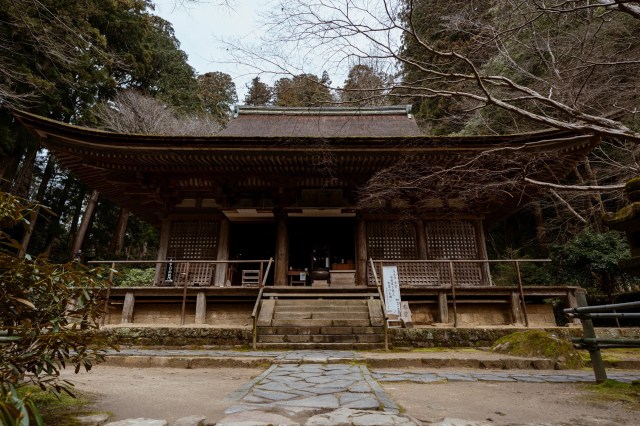
This Hall houses the Statue of Nyoirin Kannon Bosatsu, an Important Cultural Property that dates from the Heian Period, which is one of the three greatest Nyoirin Kannon statues in Japan.
▼ This is an amazing Buddha statue carved from a single piece of Kaya wood.
Another important structure is the Five-storied Pagoda, a National Treasure that’s said to be the smallest outdoor pagoda of its kind in Japan.
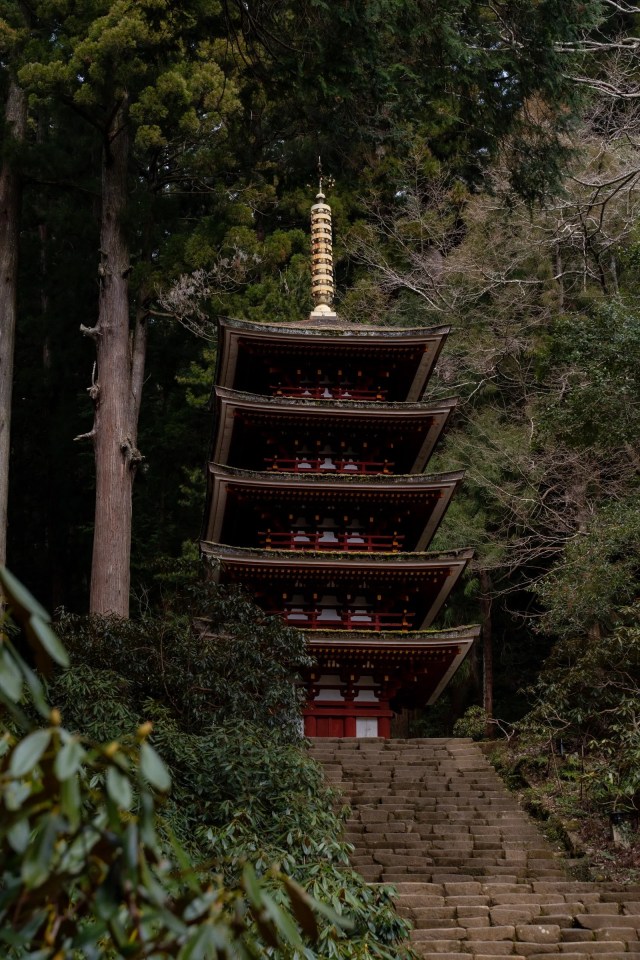
Pretty soon, the pagoda will look even more majestic when the temple’s famous rhododendrons come into bloom, around the end of April to the beginning of May.
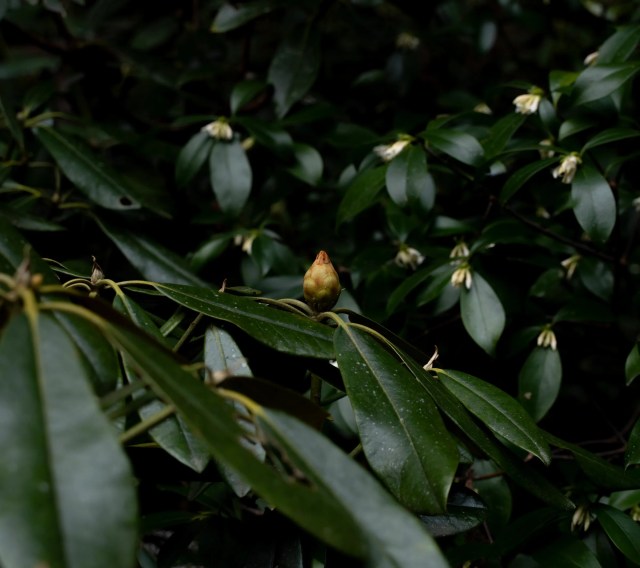
▼ Miroku-do Hall, an Important Cultural Property, is another beautiful sight worth seeing on the grounds.
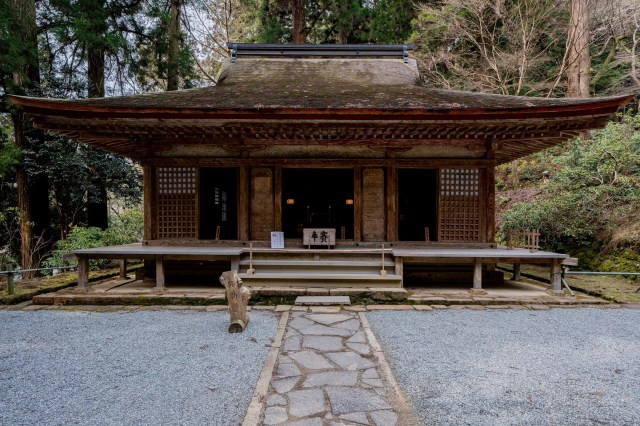
▼ While you’re in the area, the nearby Ryuketsu Shrine is also a must-see, as it enshrines a dragon deity and is even older than Murouji.
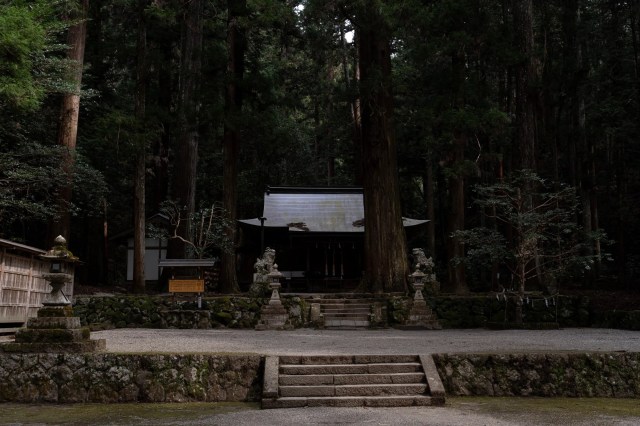
▼ The main shrine here was relocated from Nara’s famous Kasuga Taisha Shrine in 1672.
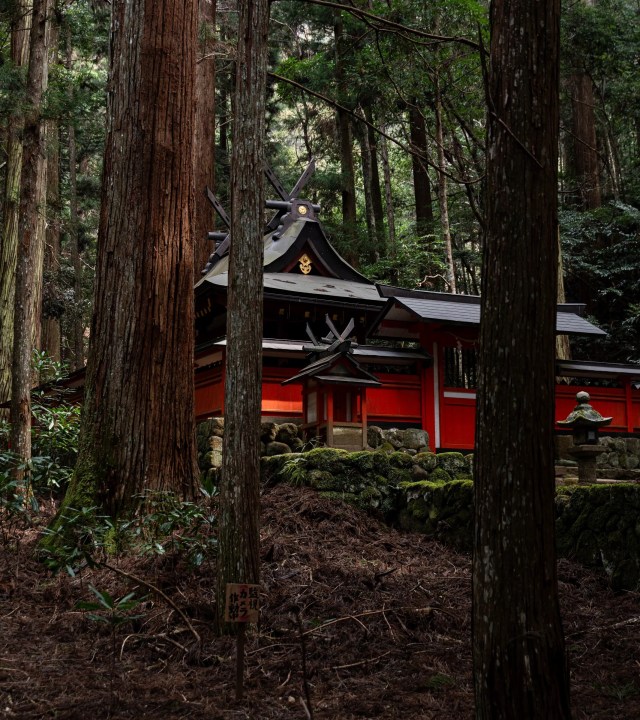
Murouji is a beautiful historic site with even more to see and do than Egawa was able to mention, and he reckons you could happily spend half a day here immersing yourself in the history of the temple and exploring its many amazing artefacts.
So next time you’re visiting Nara, and bowing to its famous giant Buddha and deer, why not take a detour off the beaten path to discover the beauty of the road less travelled at Murouji? It’s a stunning site that’ll linger in your mind and heart long after your visit, much like a night at this historic Nara hotel, whose visitors have included emperors, Einstein and Audrey Hepburn.
Temple information
Murouji / 室生寺
Address: Nara-ken, Uda-shi, Murou 78
奈良県宇陀市室生78
Website
Related: Murouji, Nara JR Central
Screenshot: Murouji
Photos © SoraNews24
● Want to hear about SoraNews24’s latest articles as soon as they’re published? Follow us on Facebook and Twitter!
[ Read in Japanese ]