 There isn’t a country in the world immune from stereotypes. All people form opinions about places and their inhabitants based on whatever they can glean from the food, tourism, and art of the culture. But not all sweeping generalizations have to be mean and unfounded. The results on a thread asking for the “perfect words to describe Japanese people” were surprisingly positive!
Here are the most common adjectives that Westerners chose when characterizing the people of Japan.
 #1. Polite
Weighing in at number one was polite, or in Japanese “reigi tadashii.” Everyone has heard of the traditional Japanese bow used as a greeting during any given exchange. Though handshakes are perfectly common in Japan now, they more often than not come with a bow as well (or two or three). To the Western mindset, this style of address already seems much more polite than a simple handshake, high-five, or shoulder clap. Of course, the term “polite” in and of itself doesn’t only have a positive connotation. It’s possible to remain too polite and distant from a person, even if you’ve known them for quite a while.
 #2. Punctual
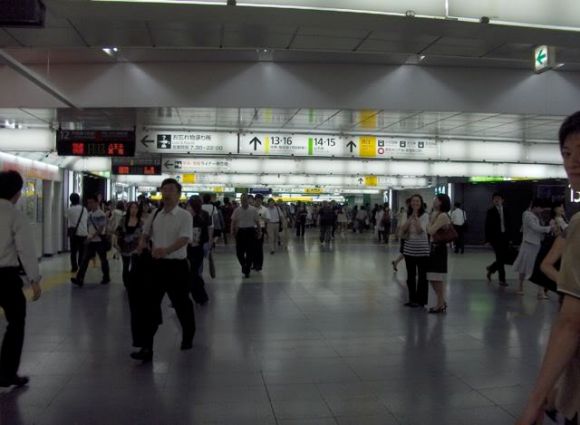
Japan takes its time management very seriously. The Japan Railway (JR) and other connecting subways and train systems are well-known for their incredibly punctual schedules. As such, when there is a delay of even a minute, the whole system gets thrown off. Trains often issue late slips for passengers to take to their employers if their trains get delayed. After all, it leaves a very bad impression if you’re late to work.
#3. Kind
Unlike polite, which can have its downsides, kind is a genuinely positive word. In Japanese, words with similar connotations to the English phrase are “yasashii” or “omoyari no aru,” meaning “thoughtful of others.” One sterling example of this is the custom of bringing a gift (usually food) when you visit another person’s house in Japan. Most Americans only bring things if it’s a birthday or B.Y.O.B. party. This praise-worthy adjective was the third-most repeated term in the thread. That’s a winning score on anyone’s report card!
 #4. Hard-working
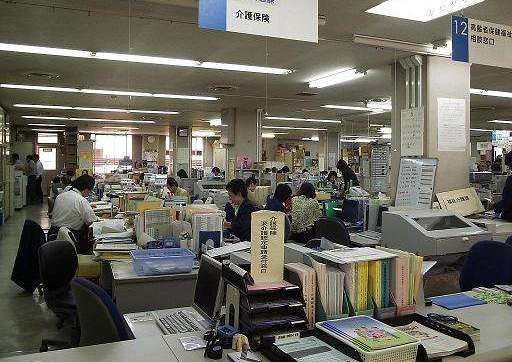
A hard-worker or “hataraki-mono” is definitely a common word that classifies a Japanese mindset. In a culture where your job is supposed to take precedence over even your family at times, it’s unsurprising that foreign nationals would latch on to this particular description. There is even a word for “death by overwork” in Japanese (“karoushi”). It’s not uncommon for people to work several more hours after their contractual quitting time and, if you’re not a contract worker, that means that you aren’t paid for that overtime. Even if you have a “haken” (contracted job), it’s still considered rude to leave right on schedule. This is not something that’s easy for a American-bred adult to get used to, but definitely deserving of the title hard-working.
#5. Respectful
Another tie-in with polite, respectful or “tanin ni taishite keii wo hyou suru” to loosely describe it in Japanese, is a mainly positive word. However, it can sometimes be associated with distance. With the epidemic of idolization in Japan, whether it’s for pop stars or upperclassmen, it’s also possible to take respect just a bit too far. Many Westerners find the concept of being so respectful to their elders a bit outside the norm. But in Japan, the older you get, the wiser you are considered and the more respectfully you’re treated. You’ll get in big trouble if you use informal language with a person older than you unless they’re family. Even then, some relatives still expect proper formal language befitting of their senior status.
#6. Shy
An overall impression of the citizens of Japan is that they’re very shy people, or “hazukashigariya”. This might be linked into their focus on politeness and respect. It is true that you don’t always hear a lot of outspoken Japanese people, especially tourists in foreign countries, but this might be for a different reason all together. Many Japanese people worry about their language skill and fear saying something incorrectly in English when they talk to native speakers. Conversation practice has only recently become a staple of English classes in Japan. If you’d only learned how to read and write the language, I bet you’d be kinda quiet at a party, too.
#7. Intelligent
There’s a definite stereotype of people from Asian countries being the brainy cream of the crop. Whether this is factually correct or not wasn’t technically relevant to the survey thread, but it certainly was a nice compliment. The Japanese word for intelligent is “kashikoi.” Incidentally, if you tried to say the katakana pronunciation of smart, “sumaato,” that actually means to be thin and attractive in Japanese. Not that they’re mutually exclusive adjectives, but be careful of confusing your Japanese friends by trying to call someone intelligent and accidentally calling them slim and sexy.
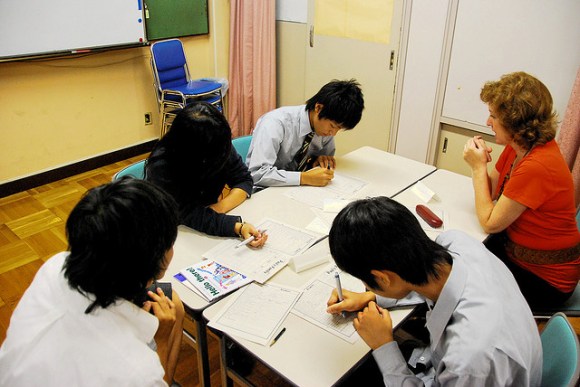
#8. Grouping
You know how girls are always said to travel in packs? Same goes for Japanese people, according to the interwebs. A word of advice to any aspiring English teachers in Japan is to make lots of group activities. Unlike America, where group work is often disliked because sharing the workload with other students inevitably means that it gets divided unequally, Japanese students thrive off of it. They prefer not to have to voice their opinions alone, but would rather share ideas with their peers and make a group decision. In a class of thirty Japanese kids, not many people want to stand up by themselves and read out of an English textbook. But put everyone in groups of three and make them read it in turns and you’ve got yourself an engaged classroom.
#9. Formal
Tying in with polite, Japan has a reputation for being very formal. This manifests itself in both manner and language. Japanese has many different formality levels depending on who you’re addressing. This can be tiresome for people attempting to learn the language, and it can also lead to crossed wires between friends, especially in the case of foreigners and Japanese people. An American might wonder why their friend still calls them “David-san” when they’ve known each other for a few years. Far from wanting to keep distance between them, the Japanese friend might just be waiting for David to mention that they don’t really need to keep titles between them. After all, without checking first, it can be considered rude to suddenly stop using formal language (an act called “yobisute” or “dropping the name honorific”).
#10. Clean
Many Internet users have seen Japanese tourists pick up trash from around campsites and rest stops even when they didn’t make the mess themselves. This habit and others added the description of clean to the list. Did you know that Japanese students clean their schools by themselves? No janitors, just students hauling trash bags, sweeping the steps, and wiping down the halls with washcloths for a good 30 minutes each day. Most storefront owners sweep up the sidewalks and streets outside their stores, too. Making it your business to keep communal space clean is a distinctly different mindset from some Western countries. Just think of all the gum-strewn, littered streets of big cities in America. Would LA smell any better if its citizens took a leaf out of Tokyo’s book on housekeeping?
Overall, the impression of Japan from a Westerner’s eyes is pretty darn good, though perhaps a bit lacking in the relaxed and fun-loving department. My personal word pick for Japan would be focused. Whether it’s staying after school for 3 hours practicing with the baseball club, going to cram schools to get into good colleges, or clocking in extra hours of unpaid work at their jobs, Japanese people seem to find a goal and stick with it. Even in more fun pursuits, Japanese people throw themselves into their hobbies and work with a zeal that is truly commendable, in my humble opinion.
If you had to describe Japanese people in a single word, which one would you pick?
Source: Madame Riri
Top image: RocketNews24
Inset images: Japan Global Marketing Database, Impetuous Windmills, Flickr- Gwaar