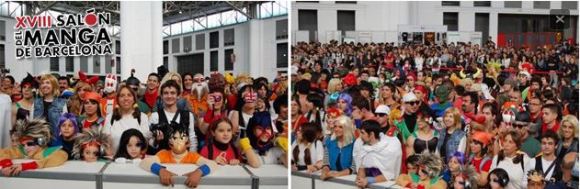
You may be surprised to hear this, but Japanese manga is thriving in Spain. Look no further than massive conventions such as Madrid’s Expomanga and Barcelona’s Salón del Manga, where fans can celebrate their favorite series and characters with other like-minded people. So what are some of the factors that contribute to manga’s success in España?
The folks at Japanese website Niconico News recently caught up with David Hernando, the Editorial Editor of Planeta DeAgostini Comics, which is a Spanish-Italian publisher that distributes many beloved Japanese manga series throughout the Spanish-speaking world. Mr. Hernando graciously shed some light on the current market for manga in Spain in an exclusive interview with them, and the following piece will attempt to summarize some of his key points, along with some other related topics we have taken notice of.
We would love to hear the thoughts of our readers residing in Spain as well, so please leave your comments at the end of the post!
While a handful of Spanish authors have made it big in their home country, the vast majority of comics distributed in Spain still originate from overseas, with Japan leading the way.
So how does a particular manga series make it big in Spain? According to Mr. Hernando, long-running, perpetual fan-favorite series such as Akira Toriyama’s Dragon Ball or Eiichiro Oda’s One Piece continue to enjoy the most popularity in Spain despite their age, while series that enjoy a singular boom of popularity are soon forgotten. One reason for this trend is because Spanish TV stations often rebroadcast popular series multiple times, so even the series that have long been off the airwaves in Japan are constantly acquiring new legions of fans in Spain. He would also like to add that the popularity of a manga in Spain is usually directly correlated to the success of its corresponding anime series. Most fans are introduced to a series through the anime, and from there go on to read the original manga that spawned the show.
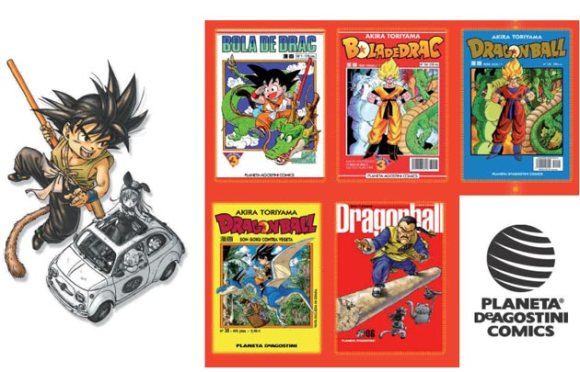
▼I spy more than a few Dragon Ball fans here!
Manga classic Dragon Ball is a prime example of these trends. Although the initial publication of the manga is now pushing 30 years in Japan, it continues to be a best-selling series in Spain thanks to the success and omnipresence of its anime on Spanish television. Fans who fall in love with the show then go on to read the story in its original form. Mr. Hernando also notes that Planeta DeAgostini Comics was the first company to publish the Spanish-language version of Dragon Ball in the tankōbon-style format back in 1995.
On the other hand, were there any manga series that made it big in Japan but failed to live up to expectations in Spain? Mr. Hernando offers up three such titles–Reborn!, Toriko, and Neuro: Supernatural Detective all flopped, presumably because their respective TV series failed to pick up enough of an initial fanbase.
▼Sorry, Toriko, try again!

Also, it seems that Japanese manga’s penetration into the South American market is still a work in progress. Data indicates that despite a large land area, the market for manga in the Spanish-speaking countries of South America only reaches 30 percent of the readership in Spain. Perhaps one way to increase readership is to centralize the fans at an organized convention, like the two big ones that are held annually in Spain. A quick web search seems to indicate a lack of conventions in the majority of South America (minus Brazil). Even if it’s just a humble gathering, such an endeavor has the potential to spread excitement around.
▼Just look at the enthusiasm of these cosplayers at Expomanga 2013 in Madrid!
Now, let’s shift gears and focus a bit more on the production side of things. Writer Deb Aoki brought up the issue of translation accuracy last month in her post “Japanese to Spanish Manga Translation: Readers Speak Out.” Her curiosity was piqued when an attendee at the Japan Foundation Toronto asked a literary panel whether more manga could be translated directly from Japanese to Spanish, as opposed to the typical Japanese → English → Spanish pattern. This tendency seems to be influenced by the fact that it is easier and cheaper to find translators from English to Spanish, rather than from Japanese to Spanish.
Ms. Aoki took to her Twitter account to ask users who read manga in Spanish whether a Japanese → English → Spanish translation pattern produced noticeable differences within the story. The responses were mixed:
https://twitter.com/kleos911/statuses/466661805939769344
@debaoki Yes. JP->English->Spanish sometimes uses English idioms (whether it makes sense in Spanish or not).
— Maria 🍇⚡️ (@Kivat_III) May 14, 2014
@debaoki @delfinapalma ¿¿¡JP –> Spanish!?? WHERE? WHEN? IN WHICH UNIVERSE?
— Efe (@Efe_Morgenstern) May 14, 2014
Here’s an illustration of how the translation pattern can affect the story using French, and not English, as the intermediary language:
@debaoki but I have a Glénat Sailor Moon that was translated from French… It is SO OBVIOUS because they left French SFX
— M. Victoria Robado ★ (@shourimajo) May 14, 2014
I had forgotten how awful the lettering on this is. pic.twitter.com/YFYCNkK6u8
— M. Victoria Robado ★ (@shourimajo) May 14, 2014
More of Glénat's Spanish Sailor Moon, obvs translated from French (hihi = laughter, instead of jeje) pic.twitter.com/Tyb23iYQ6t
— M. Victoria Robado ★ (@shourimajo) May 14, 2014
Shifting back to popular manga in Spain, in terms of genre, shōnen manga featuring young protagonists, heroic adventures, and some kind of overarching quest sell the best in Spain. But even though the stories are geared towards a younger male audience, they have their fair share of female fans as well. When asked to provide details about any upcoming highly-anticipated manga, Mr. Hernando chose two works that he foresees as being largely successful when Planeta DeAgostini Comics publishes the Spanish-language versions before the end of the year.
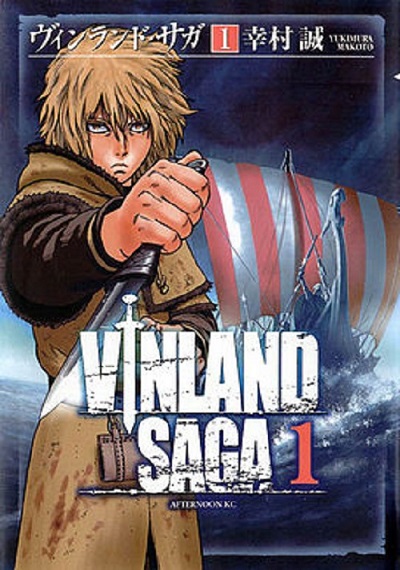
The first of these two series is Vinland Saga by Makoto Yukimura. The premise is an oddity for most Japanese manga, as the historically-inspired events take place in Dane-controlled England in the 11th century AD and feature everyone’s favorite plundering seafarers, the Vikings! Mr. Hernando believes that its European setting, gorgeous artwork, and readers’ curiosity to see the events as imagined by a Japanese author will all contribute to this manga’s success in Spain–not to mention everyone likes a good pirate story.
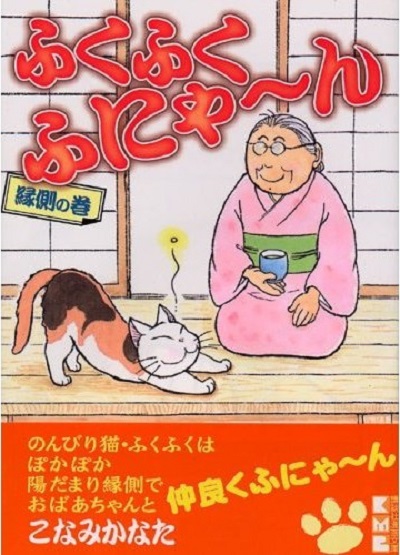
The second manga is one that he hopes will appeal to a broader audience, and not just the usual manga crowd. Stories about animals are universal, and that’s the driving force behind Planeta DeAgostini Comic’s decision to publish Konamikanata’s Fuku Fuku Funyan. It’s a simple series about the daily adventures of a tortoise-shell cat named “Fukufuku” and its elderly lady owner, a storyline that should be relatable to animal lovers around the world regardless of their ethnicity. The series will be published as La abuela y su gato gordo (“The grandmother and her fat cat”) in the Spanish edition.
In addition, he predicts that the Dragon Ball Full Color series will also enjoy success when the volumes go on sale in Spain next year, despite their 12.75 euro (US$17.38) price tag each. That’s a hefty price for one comic, but diehard fans will undoubtedly shell out the money for 250 pages of gorgeous color artwork by the legendary Toriyama-sensei.
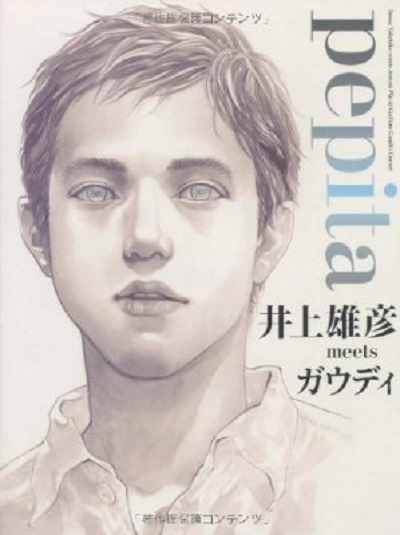
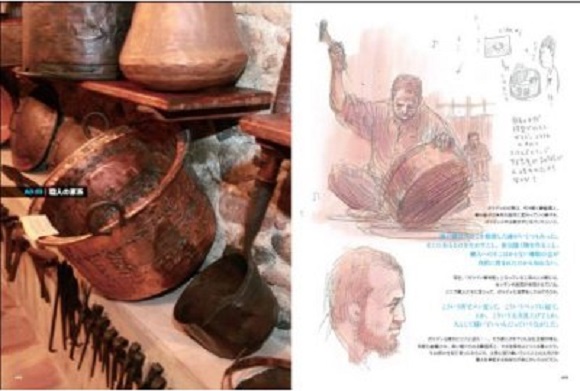
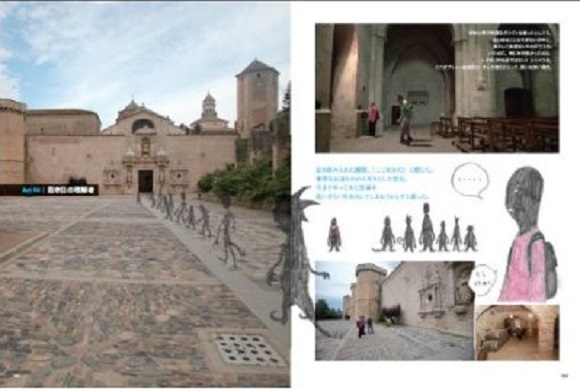
On a closing note, the intersection between Japanese manga and Spain is most salient in the following case. If you’ve ever taken a course in Japanese history, you will know that the relationship between Japan and Spain stretches back a very long time–400 years! In fact, we are currently in the midst of a joint Japanese-Spanish celebration of 400 years of diplomatic exchange! The Japanese Foreign Ministry has even appointed famous manga author Takehiko Inoue to serve as a Japan-Spain Goodwill Ambassador from last December through July of this year. Inoue, who is already popular in Spain for his internationally acclaimed basketball manga Slam Dunk, has garnered even more attention after publishing a tribute to the famous Spanish-Catalan architect Antoni Gaudi. Pepita : Takehiko Inoue Meets Gaudi reads as a blend between a personal travel memoir and an artbook, and an exhibit of artwork from the book was held in Barcelona this past April. By the way, an English edition exists, too!
▼Samples from Pepita : Takehiko Inoue Meets Gaudi

Which Japanese manga have our readers read in Spanish? We welcome any thoughts from you in the comments section below!
Source: Niconico News, Manga Comics Manga, Crunchyroll
Images: Deculture 1, 2, Wikipedia: DASHBot, Wikipedia: KrebMarkt, Amazon Japan 1, 2