

Some people didn’t have to win a beauty pageant to be called “Miss Kyoto.”
If you’ve made a moderate amount of Japanese social or business acquaintances, or even just enjoy video games or anime set in Japan, odds are there are a few family names you’re familiar with. Sato and Suzuki are by far the most common surnames in Japan, with others such as Takahashi and Tanaka also showing up very frequently.
But what about the other end of the spectrum? Myoji Yurai Net, a Japanese surname database, recently released the results of a study in which researchers analyzed data from government statistics and phone books in order to compile a list of the 30 rarest Japanese family names.
Let’s take a look at the rankings:
30. Ikari / 五十里
Meaning: 50 villages
While the meaning might not be so dramatic, when written with different kanji characters, ikari can also mean “anger” or “anchor.” According to Myoji Yurai Net’s study, approximately 1,300 people across Japan bear this surname.
29. Shio / 塩
Meaning: salt

To clarify, this isn’t a name that etymologically traces back to the word “salt,” but one that’s written and pronounced exactly like shio, the Japanese word for table salt.
28. Shikichi / 敷地
Meaning: building site
27. Tsukumo / 九十九
Meaning: 99
99 what? Why not 100? We have so many questions.
26. Ichibangase / 一番ケ瀬
Meaning: first rapids, first shoals
25. Myoga / 茗荷
Meaning: Japanese ginger
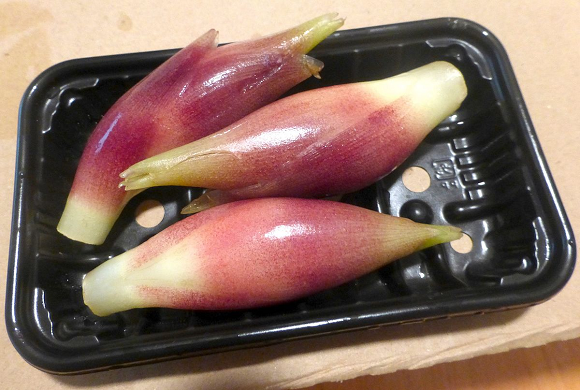
Myoga is the first of a handful of agriculture-based names on the list, highlighting how much of Japan’s populace was involved in farming prior to the end of the feudal era.
24. Kai / 買
Meaning: shell, shellfish
23. Jinja / 神社
Meaning: Shinto shrine
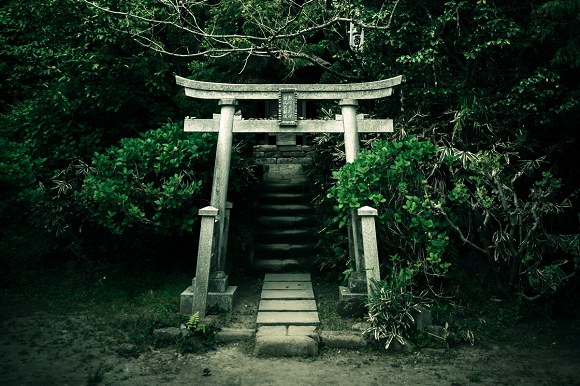
In olden times, Shinto shrines were often the center of culture and activity in their respective communities, and thus a part of the personal identity of those who lived nearby. But while many Japanese surnames contain the kanji 神, meaning “god” or “divine,” the rather on-the-nose Jinja is far less common, being the family name of only about 330 people.
22. Akasofu / 赤祖父
Meaning: red grandfather
While many Japanese names are reflections of the natural environment, ones that reference people are much rarer, much less one with a specific color.
21. Kon / 根
Meaning: root
“Hey, wait a second,” anime fans are saying. “What about esteemed Perfect Blue, Paprika, and Tokyo Godfathers director Satoshi Kon?” Actually, the late director’s surname was written with the kanji 今, meaning “now,” and while that’s also a somewhat unusual family name, it’s not as rare as this plant-based one.
20. Hirawa / 平和
Meaning: plain of harmony
19. Botan / 牡丹
Meaning: peony
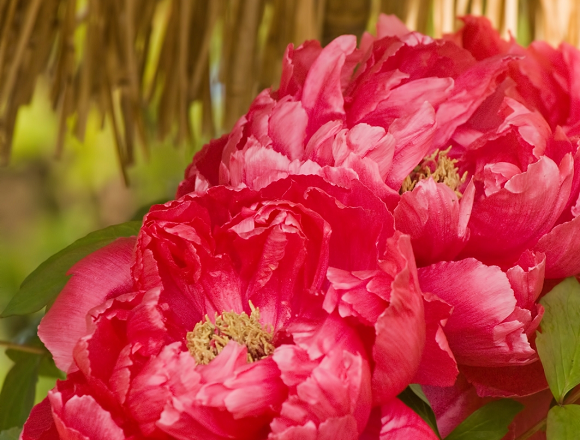
References to trees are common in Japanese names. Matsuda means “field of pines,” for example, while Sugimoto is “original cedar.” Flowers are less common, though, especially when the name matches up exactly with the name of the blossom.
18. Taue / 田植
Meaning: rice planting
17. Keana / 毛穴
Meaning: (skin) pores
16. Mizoroge / 御菩薩池
Meaning: honored Bodhisattva pond
15. Senju / 先生
Meaning: teacher

While senju is a pretty old-school term to use for an educational instructor, the kanji characters 先生 are the exact same ones used to write sensei, the standard way of addressing schoolteachers and doctors in Japanese.
14. Suisha / 水車
Meaning: water wheel, mill
13. Kyoto / 京都
Meaning: Kyoto, Japan’s former capital city
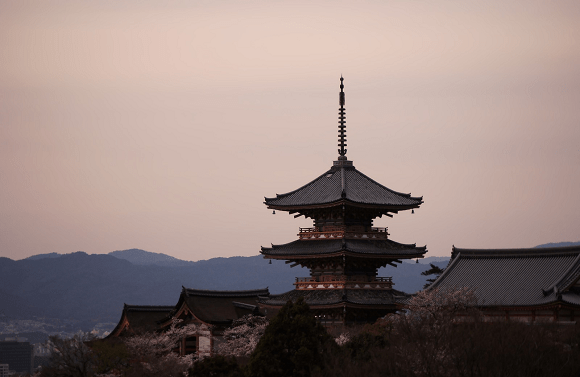
Surnames that are also place names aren’t entirely uncommon in Japan. In many cases, though, they’re coincidences born out of a reference to the natural landscape serving as inspiration for the name of a family and location. Chiba (“thousand leaves”) and Matsumoto (“original pine”) are often-heard family names, but they’re also a prefecture and city, respectively.
On the other hand, Kyoto means “capital city,” making this a case of a family name being derived from the name of an already established place.
12. Momo / 百百
Meaning: Hundred hundred
Momo is also the Japanese word for “peach,” but in the case of the fruit, the kanji 桃 is used instead. Making things even odder is that Japanese already has a word for a hundred hundreds, man, which means “ten thousand.”
11. Wamuro / 和室
Meaning: harmonious room
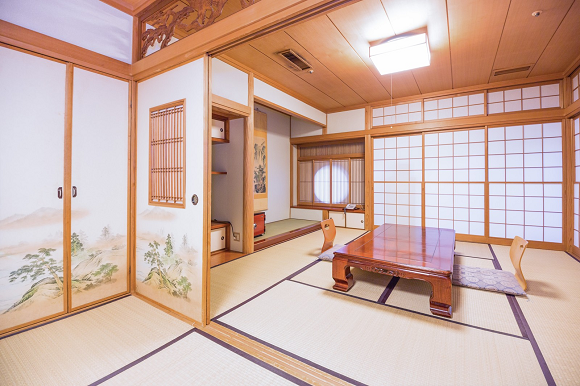
While the original intent was likely an auspicious allusion to a peaceful home and family, 和室 can also be read as washitsu, a Japanese-style room with tatami reed flooring.
10. Tokei / 時計
Meaning: watch, clock
9. Nosaku / 農作
Meaning: agricultural products
8. Kajiyashiki / 鍛冶屋敷
Meaning: blacksmith’s mansion
7. Gogatsu / 五月
Meaning: May (the month)
Only about 30 people in Japan have this family name. Unfortunately, no data is availabe on how many of them are women with the given name Satsuki, which can also mean “May” and be written with the same 五月 kanji.
6. Hime / 姫
Meaning: princess
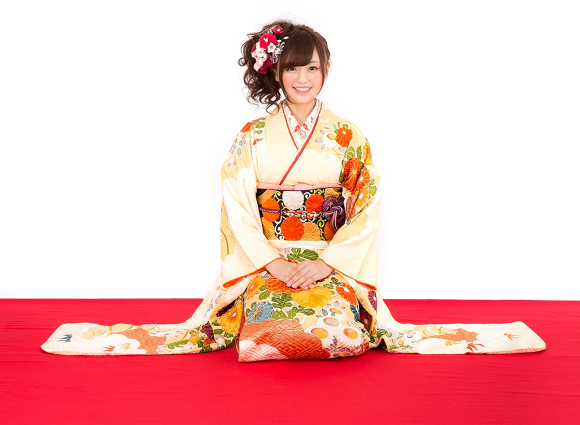
5. Higasa / 日傘
Meaning: parasol
4. Iekami / 家神
Meaning: home god
3. Dango / 団子
Meaning: dumpling
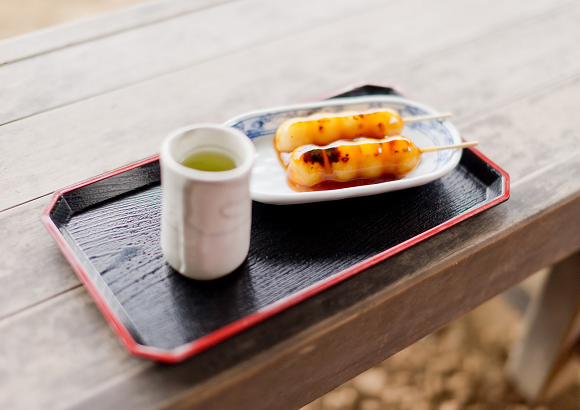
We’ve seen a couple of foodstuffs on the list so far. This name, though (which like all of the top three is only held by about 10 people in Japan), is the first dessert.
2. Hinode / 日ノ出
Meaning: sunrise
1. Mikan / 蜜柑
Meaning: Japanese mandarin orange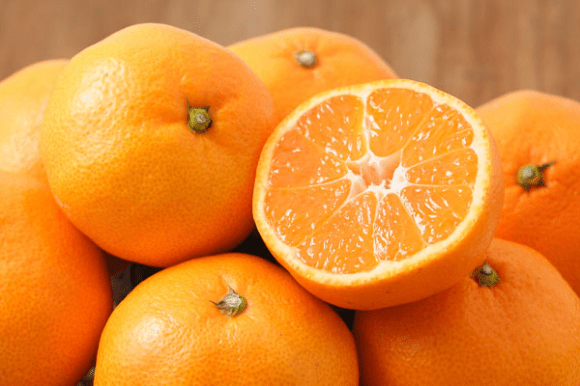
Finally, we wrap up with one last edible, and it’s a fitting one, as the small, sweet mikan makes for a healthy yet sweet snack after a meal.
Who knew linguistics could make us so hungry?
Source: Myoji Yurai Net
Top image: Pakutaso
Insert images: Pakutaso, Wikipedia/Nesnad, Pakutaso (2, 3, 4, 5, 6, 7, 8), Hanazakari no Mori
[ Read in Japanese ]
 Mr. God? See which unusual names win Japan’s “Best of Family Names 2015” award
 Government statistics reveal the most common Japanese surnames, makes Mr. Sato sad
 Name Game: Finding the origin and prevalence of Japanese surnames just got easier
 “Family name researcher” discovers the most common full name in Japan
 Japanese government will check and judge new baby name pronunciations, presents guidelines
 Ramen restaurant in top Tokyo tourist neighborhood skips price gouging, but how does it taste?
 7-Eleven Japan releases a crazy new viral sandwich: Chocolate Sprinkles and Whipped Cream
 Ghibli Museum building becomes a cuddly cushion
 Japan now has a “for foreign tourists only” Mt. Fuji sightseeing train[Video]
 Japan’s ministry of economy reminds us to “use sound judgment” before buying toilet paper
 Krispy Kreme releases Super Mario doughnuts in Japan for a limited time
 An extremely simple trick to spice up plain rice for a refreshing, citrusy summer treat
 A faster, easier way to make cake: Use a rice cooker【SoraKitchen】
 Japanese government says country needs more women’s room toilets to meet modern society’s needs
 “Online streamer” tops dream job poll for young Japanese kids, older kids not so interested
 Japanese onsen egg maker from 100-yen store Daiso needs to be on your shopping list
 Starbucks Japan releases new My Fruit³ Frappuccino at only 34 stores around the country
 Tokyo government organizes food truck event to clear out delinquent/homeless teen gathering area
 Cherry blossoms begin blooming in Japan with record-early starts for sakura season
 Nine amazing off-the-beaten-path cherry blossom spots in Japan for yaezakura and shidarezakura
 Stunning central Japan wisteria festival is like a purple fantasy straight out of a Ghibli movie
 Create a tiny Ghibli anime world on your bookshelf with new miniature papercraft art kits
 Studio Ghibli releases the My Neighbour Totoro tea caddy, with a magical self-closing lid
 When will the cherry blossoms reach full bloom in Japan this year?[Forecast]
 Starbucks Japan unveils new sakura cherry blossom collection for hanami season 2026
 Train station platform ramen store closes its doors on half a century of history in Tokyo
 Studio Ghibli releases Catbus pullback keychain that runs like the anime character
 Nine great places to see spring flowers in Japan, as chosen by travelers (with almost no sakura)
 Starbucks Japan releases first-ever Hinamatsuri Girls’ Day Frappuccino
 Studio Ghibli adds new Mother’s Day gift sets to its anime collection in Japan
 Virtual idol Hatsune Miku redesigned with look that adds new elements and brings back old ones
 Survey asks foreign tourists what bothered them in Japan, more than half gave same answer
 Japan’s human washing machines will go on sale to general public, demos to be held in Tokyo
 Starbucks Japan releases new drinkware and goods for Valentine’s Day
 We deeply regret going into this tunnel on our walk in the mountains of Japan
 Studio Ghibli releases Kodama forest spirits from Princess Mononoke to light up your home
 Starbucks Japan releases new sakura goods and drinkware for cherry blossom season 2026
 Japan’s newest Shinkansen has no seats…or passengers [Video]
 Major Japanese hotel chain says reservations via overseas booking sites may not be valid
 Put sesame oil in your coffee? Japanese maker says it’s the best way to start your day【Taste test】
 No more using real katana for tourism activities, Japan’s National Police Agency says
 Japan announces new era name, Reiwa, but what does it mean and why was it chosen?
 Twitter users say Japanese Prime Minister’s name is hiding in the kanji for Japan’s new era name
 The most popular Japanese baby names of the past 30 years, from Sakura to Shota
 What’s it like living with an unusual name in Japan? We talk with a super-rare Mr. Heianzan
 Four new era names the Japanese government rejected before deciding on Reiwa
 Japanese baby name app releases 2021 ranking of top ten most intriguing boy and girl baby names
 What’s in a name? The 10 most common surnames in Japan (and their meanings)
 Married couples in Japan must have the same surname, so does Mr. Sato regret taking his wife’s?
 Top Japanese baby names for 2025 feature flowers, colors, and a first-time-ever favorite for girls
 “Cherry blossoms of the heart” — The 10 most popular Japanese names for girls in 2017-2018
 Top 10 Japanese baby names of 2020 revealed
 Japan’s five most common family names
 Top Japanese baby names for 2016 feature flowers and other flora on both boys’ and girls’ lists
 Should people in Japan be allowed to keep their surnames after getting married, survey asks
 Why you should be worried if someone calls you “Uehara-san” in the Japanese workplace
 Japanese woman celebrates 100th birthday, boggles netizens’ minds with unusual name
