You got a lot of nerve calling me Mr. Uehara!
It’s hard to keep up with the way young people speak these days. I don’t get what a skibidi toilet is supposed to be and when I was called “delulu” the other day, I wasn’t sure how I should feel. The same thing goes on in Japanese too of course, but luckily Japanese human resource organization Capable Human Resource Educational Association (CHREA) is here to help.
They recently discussed a new trend being used by the generation just entering the workforce of giving forms of harassment names. I don’t mean “names” as in “words to describe them.” I mean actual common family names in Japanese like Uehara, Ebihara, and Tamehara.
Right away you can probably spot that all these names end in “hara,” which would ordinarily mean “field” in Japanese but instead is being used as an abbreviation of the word “harassment.” In English, forms of harassment in the workplace are largely relegated to “sexual harassment” (“sekuhara” in Japanese), but Japan has an Amazon-rainforest-sized ecosystem of harassment, giving way to all kinds like “power harassment” (powahara), “moral (psychological) harassment” (morahara), “maternity harassment” (matahara), “paternity harassment” (patahara), “remote work harassment” (remohara), “customer harassment” (kasuhara), and so on.
▼ We had a problem with sushi harassment (sushihara) a while back.
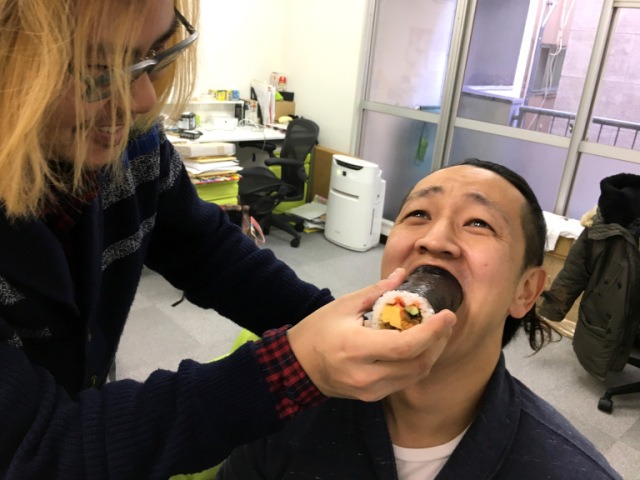
Some of it is serious and some of it is just mildly annoying and described as “harassment” to follow convention, but it’s all unpleasant while trying to get work done.
As mentioned above, though, “hara” is also a common suffix for family names. Many Japanese surnames are combinations of two kanji characters and often refer to a location or something in nature, much like many Western names do. Sometimes I enjoy trying to translate English and Japanese surnames into their counterparts by meaning, so Richard Roundtree would be “Richard Maruki” and Akira Kurosawa would be “Akira Blackmore.” Since “hara” means “field” in English, it again is often used in surnames, making Jerry Seinfeld “Jerry Umihara” in Japanese.
So, what younger Japanese people have been doing is combining surnames with synonymous forms of harassment. For example, “Uehara” is both a person’s name and a word that could mean “upper harassment” in the sense of someone who’s condescending to people with less experience, saying things like: “You’re still young. You’ll understand someday” in a dismissive manner.
▼ Mr. Sato has been known to Uehara it up a bit.
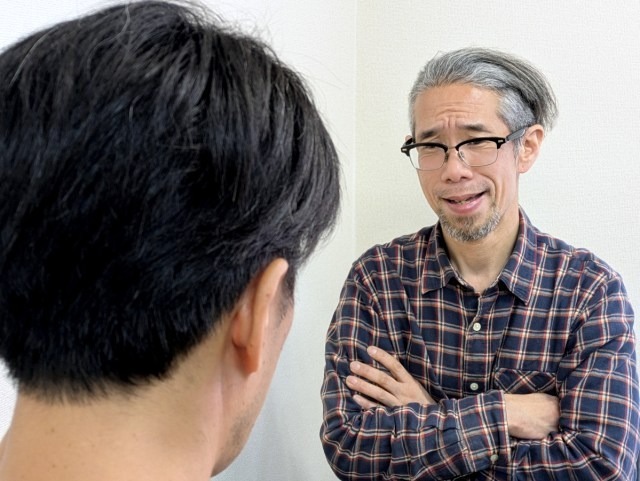
Someone called “Ebihara” might be a normal person, but they might also be a purveyor of “evidence harassment” in which they always demand you explain things logically or give proof of whatever you say. “Tamehara” is someone who uses “tameguchi” in inappropriate situations. Tameguchi is the act of discarding all formalities in speech and is only used between friends, implying a certain closeness. Suddenly speaking to someone you’re not close with in this way can make things very awkward and make you Tamehara-san.
The reason this is done is so that coworkers can commiserate without having to refer to anyone by their real name but with everyone knowing exactly who’s being talked about. According to CHREA, it also helps to take the edge off the annoyance by not having to talk about the person directly and allows workers to get their feelings off their chests more easily.
Perhaps the ambiguity of it will have others in the office wondering if they’re Mr. or Ms. Uehara, giving everyone a chance for some healthy self-reflection. I know I sure will, or my name isn’t Steven Shiraga.
Source: PR Times
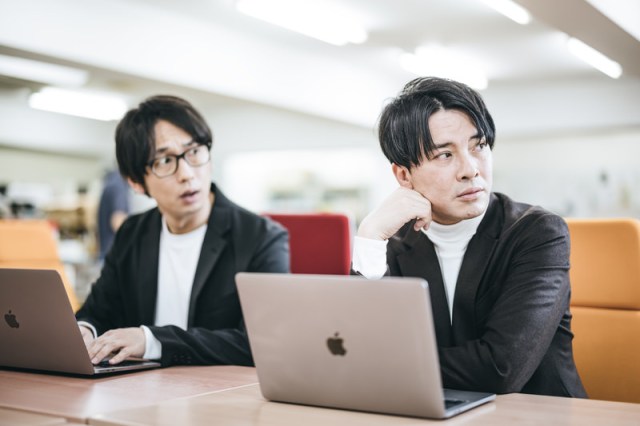
Featured image: Pakutaso
Insert images: Photos ©SoraNews24
● Want to hear about SoraNews24’s latest articles as soon as they’re published? Follow us on Facebook and Twitter!