
A silk mill that generated an immeasurable amount of money for Japan, is not getting the favor returned.
In the latter half of the 19th century, silk production worldwide was in a difficult situation. A disease that caused silkworms to stop producing silk spread in Europe and China’s own famous production was also disrupted by a major civil war. This set the stage for Japan to take over the global silk market, but at that time the technology for mass-production didn’t exist here.
Realizing the potential silk exports had, Japan partnered with France to create the nation’s first large-scale silk mill. The Tomioka Silk Mill began operation in 1872 and played a big role both in ushering in the Industrial Revolution in Japan and in helping the economy grow on an international level until it was decommissioned in 1987.
▼ The equipment inside has been updated over the years but the structures remain the same
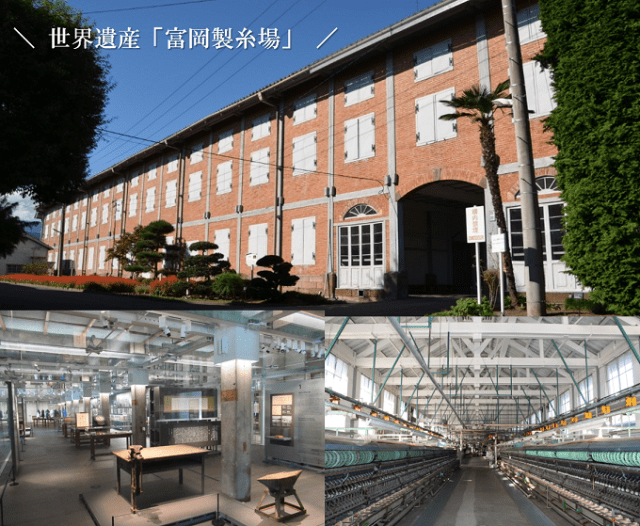
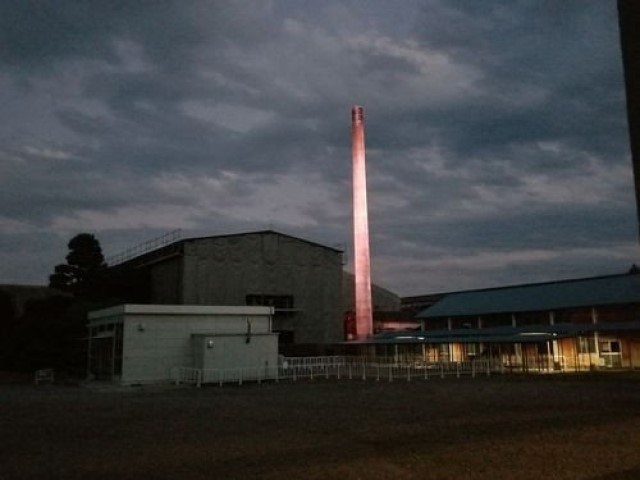
The mill’s pivotal role in the country’s history has made it a certified Historic Site, National Treasure, and Important Cultural Property. It was also added to UNESCO’s World Heritage List in 2014. However, being the aging building it is, repairs and maintenance are crucial and the mill’s famous 80-year-old smokestack has been showing signs of fatigue such as large cracks forming at the tip.
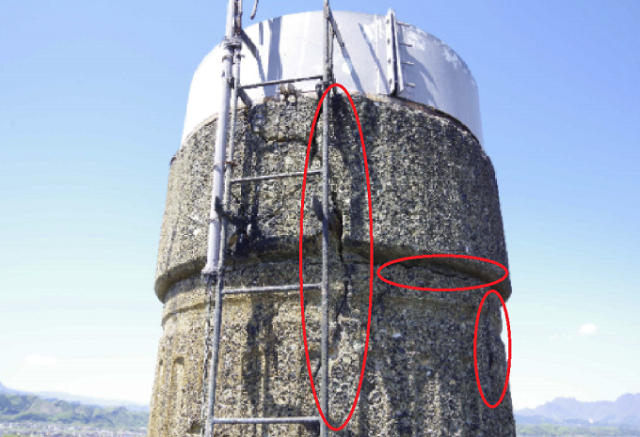
This is normally a manageable problem, but because of the lingering pandemic and the mill’s relatively remote location in the middle of Gunma Prefecture, the number of visitors has plummeted, taking the needed tour fees with them. In addition, support from UNESCO and the government is limited and issued on a priority basis among the many heritage sites around Japan and the world, leaving the Tomioka Thread Mill mostly on their own to fix the chimney.
▼ However, like many World Heritage Sites, the Tomioka Silk Mill got the Google Street View tour treatment
So, they turned to crowdfunding to raise the 80,000,000 yen (US$700,000) needed for repairs. Those who donate 10,000 yen ($87) or more will receive a book that details the history of the mill, and people who donate over 100,000 yen ($875) will also get their name engraved on a plaque near the smokestack.
However, two weeks since the project began, only 70 people donated a total of 2,862,000 yen ($25,000), just 3.5 percent of the target. The lackluster start caused one Twitter user Awayuki (@awayuki_S) to sound the alarm online.
▼ “Hey, wait a minute!!?? Everyone who went to school must have written this place in a test at least once. Now ‘that’ Tomioka Silk Mill is crowdfunding but only got 63 supporters in two weeks!?!? This is your chance to have your name engraved at a World Heritage Site!?!?!?!?”
えっまって!!?? 義務教育を受けた全ての人が絶対一度はテストで書いたであろう""あの""富岡製糸場がクラウドファンディングやってるのに、2週間で支援者まだたった63人なの!?!? 世界遺産の敷地内に自分の名前が刻まれるチャンスなのに!?!?!?!?
— あわゆき (@awayuki_S) December 20, 2021
https://t.co/ns0GHrtWlX
A few people answered the call, and by the time of this writing the mill had received 3,175,000 yen ($27,800) in support from 84 people. It was a nice boost in a fairly short time, but still very far from the crowdfunding goal.
Perhaps more importantly, the word seems to be continuing to spread, with some people at least contemplating chipping in according to online comments.
“100,000 to get your name engraved at the Tomioka Silk Mill, eh?”
“The Tomioka Silk Mill that sells those realistic silkworm chocolates!?”
“That takes me back… I remember going there on a school trip.”
“It’s going to be hard to get 80 million yen.”
“Where’s Yusaku Maezawa when you need him?”
“They should get a YouTuber or VTuber to help.”
“If it’s such an important site then why isn’t tax money being spent to protect it?”
In response to that last question, it actually is tax money that is being donated to the Tomioka Silk Mill for the most part. This crowdfunding is being done through Japan’s Furusato Tax system. Under this program, a certain amount of money based on your income that is spent on something sold through Furusato Tax from a city other than your own will be deducted from your own city tax payments over the next year.
So essentially, the money that a tax-paying resident of Japan donates, up to a certain amount, is simply being re-routed from their own local tax payments. As a result, the donation would cost that person nothing at all in the end.
Luckily, there’s still plenty of time left in the crowdfunding campaign, which ends on 18 March, 2022. Perhaps some philanthropist or VTuber will come to their aid and help this site get the repairs it sorely needs. Even those who don’t care about historical sites will still want to help protect the chocolate silkworms they sell there.
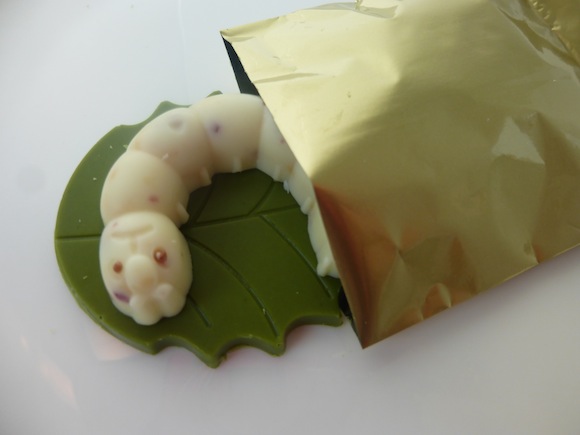 Photo ©SoraNews24
They’re a different kind of national treasure.
Source: Furusato Tax, Tomioka Silk Mill, Hachima Kiko
Images: Furusato Tax (Unless otherwise noted)
● Want to hear about SoraNews24’s latest articles as soon as they’re published? Follow us on Facebook and Twitter!
 Lucky #18! Japan gets another UNESCO World Heritage site
 We try extra-unique souvenir sold by soon-to-be world heritage site — silkworm chocolate!
 Gunkanjima and 22 sites of Japan Meiji Industrial Revolution up for World Heritage award
 Crowdfunding campaign for Nara World Heritage temple surpasses 100 million yen in 8 days
 How many have you seen? 18 must-visit sites in Japan 【World Heritage】
 Lawson convenience store at popular tourist site is one of the most unusual in Japan
 Downtown Tokyo’s meaty monster Kaibutsu ramen will challenge your stomach, thrill your taste buds
 Mr. Sato discovers his inner beaver with a 16-inch chocolate “twig” at Tokyo Station
 Pringles Chocolate, but with a Japanese twist, is the snack hack you should be trying right now
 Howl’s Moving Castle’s scene-stealing dog is here to clean your home as a plushie mop
 Animal Crossing plushie pouch towels and cozy socks show up at Family Mart convenience stores
 Uniqlo Ukiyo-e Blue T-shirts: A cool-hued reinterpretation of some of Japan’s greatest paintings
 New Travelling Bento pouches turn your luggage into a Japanese lunch box
 Super Budget Dining in Japan – What’s the best way to spend 1,000 yen (US$6.70) at Saizeriya?
 Foreign man arrested for walking on Shinkansen tracks, claims he was on the run from yakuza
 Japan reportedly adding Japanese language skill requirement to most common foreigner work visa
 Pokémon and Ikea Japan cross over into each other’s worlds with collaboration events
 Mt. Fuji decorated with a 500,000-flower pink carpet is Japan’s ultimate spring view
 Starbucks Japan closing only Shinkansen platform branch for popularity-triggered renovations
 You can assemble a well-balanced team of Pokémon, them eat them, thanks to Japanese cake chain
 Two food hacks take Japan’s convenience store fried chicken to amazing new sandwich heights
 30 Pikachus want to share a Tokyo hotel room with you that has separate Grass, Water, Fire spaces
 7-Eleven Japan’s new baked-in-store sweet treat is only available in three parts of the country
 Man bites woman at cherry blossom park in Japan, dies shortly after
 Peanuts and Coke becomes a viral hit in Japan, but is it a trend worth joining?
 Japan now has a special desk for people who work at home with a pet cat[Photos]
 Famous Tokyo cherry blossom spot installs view-blocking screens to fight overcrowding[Video]
 Uniqlo announces new T-shirts for One Piece, Naruto and more for manga publisher’s 100th birthday
 Train station platform ramen store closes its doors on half a century of history in Tokyo
 Starbucks Japan releases new My Fruit³ Frappuccino at only 34 stores around the country
 Krispy Kreme releases Super Mario doughnuts in Japan for a limited time
 Japanese onsen egg maker from 100-yen store Daiso needs to be on your shopping list
 Studio Ghibli releases Catbus pullback keychain that runs like the anime character
 Survey asks foreign tourists what bothered them in Japan, more than half gave same answer
 Japan’s human washing machines will go on sale to general public, demos to be held in Tokyo
 Starbucks Japan releases new drinkware and goods for Valentine’s Day
 We deeply regret going into this tunnel on our walk in the mountains of Japan
 Starbucks Japan releases new sakura goods and drinkware for cherry blossom season 2026
 Studio Ghibli releases Kodama forest spirits from Princess Mononoke to light up your home
 Japan’s newest Shinkansen has no seats…or passengers [Video]
 Major Japanese hotel chain says reservations via overseas booking sites may not be valid
 Put sesame oil in your coffee? Japanese maker says it’s the best way to start your day【Taste test】
 No more using real katana for tourism activities, Japan’s National Police Agency says