
Getting hungry and knowledgeable on a visit to Japan’s number-one anago prefecture.
While travelling trough Shimane Prefecture, on the northern side of the western tip of Japan’s main island of Hokkaido, our Japanese-language reporter Tasuku Egawa stepped into a restaurant for lunch. As he looked over the menu, he noticed a large number of anago (conger eel) dishes, so he figured he’d order a few…
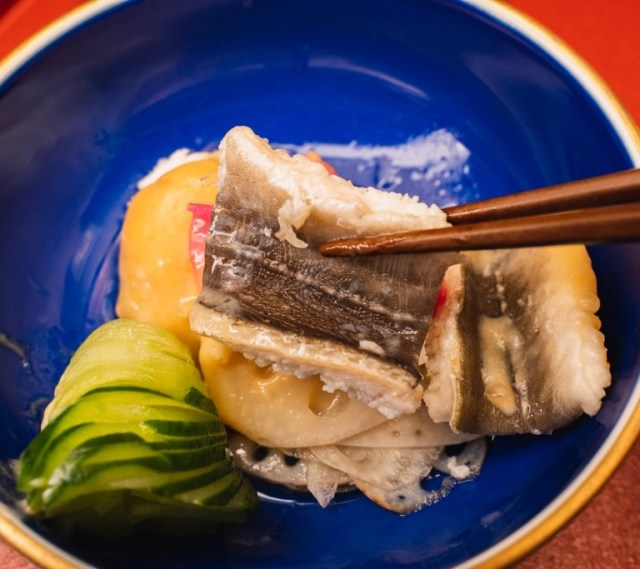
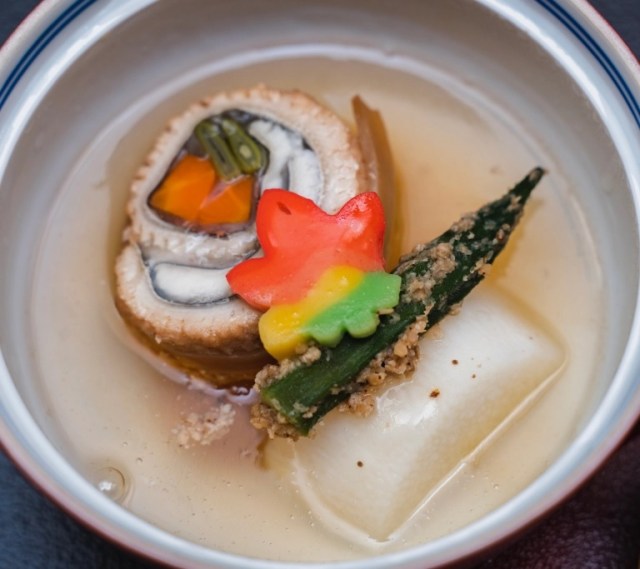
…and they were all amazingly delicious.
Really, though, Tasuku should have seen this coming. Shimane now catches more anago than any other prefecture in Japan, and it’s becoming one of the area’s representative foodstuffs. The Shimane cities of Hamada and Ota, in particular, are gaining fame among foodies looking for tasty anago, and both towns’ tourism departments now promote local restaurants that specialize in it.
So Tasuku decided to go deeper into the world of Shimane anago by visiting Murata Gyoson, a Hamada company that runs an Anago processing center.
▼ Murata Gyoson
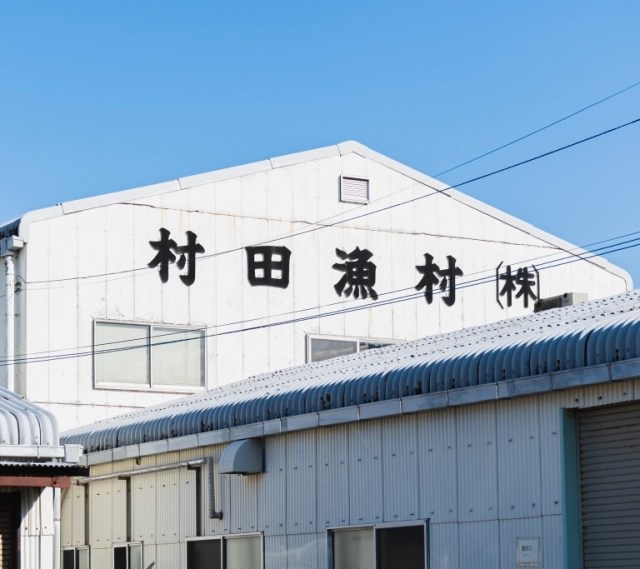
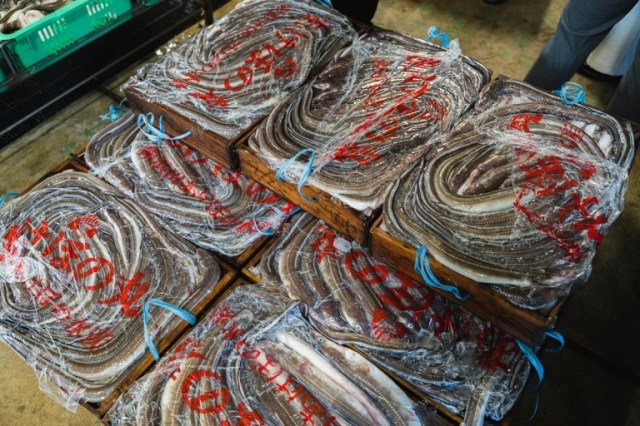
“Processing center” might have you imagining a lot of industrial robots whirring about, but much of the work of cleaning and preparing anago is still handled in a traditional, old-school way here. As Tasuku entered the building and walked past the shipping dock, he saw wooden crates filled with whole anago which had just been purchased at auction that morning.
▼ Prices vary by the day, but a crate typically sells for somewhere between 15,000 and 25,000 yen (US$116-US$194).
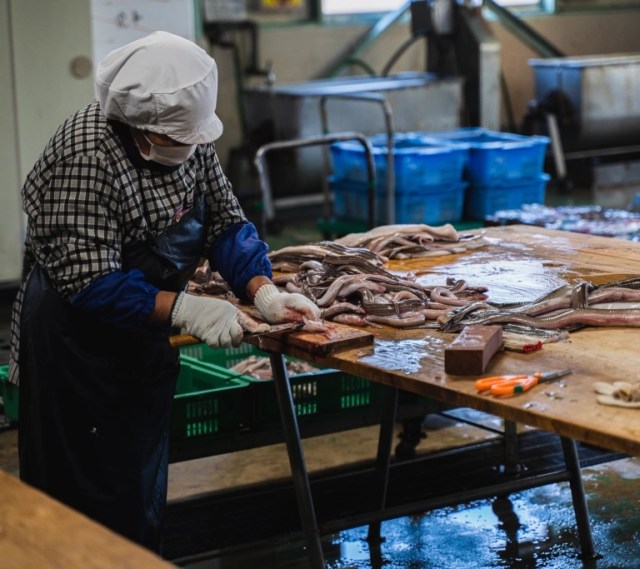
Once the anago are removed from the crates, a worker starts filleting them by hand with a knife.
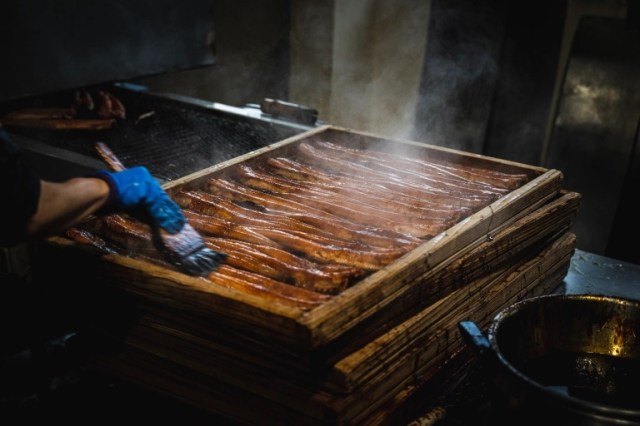
One of the most popular ways to cook anago is kabayaki, in which the eel is treated with a sweet soy-based glaze. So after fileting them, Murata Gyoson brushes them with the sauce and puts them on the conveyor grill of its kabayaki machine.

This isn’t a “set it and forget it” process, though. Workers carefully adjust the strength of the flames so that each fillet is properly cooked but not burned, preserving its flavor and moistness.
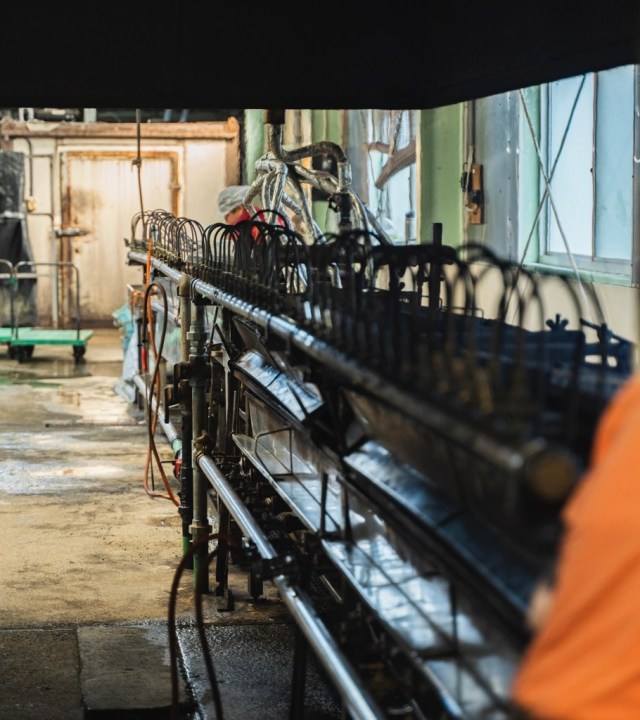
Once they’re cooked, the filets are given an additional brushing of glaze…
…and packaged for shipping.

But as he watched the mouthwatering start-to-finish kabayaki process, Tasuku noticed something else. As the worker sliced the anago, she separated some of the pieces into separate piles.
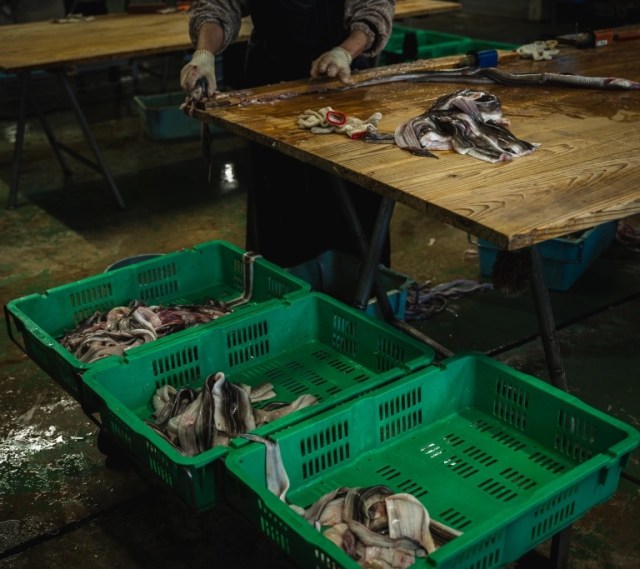
That’s because not all of Murata Gyoson’s ends up as kabayaki. Large anago that are judged to be of especially high quality instead become shirayaki anago, lightly grilled without glaze so that the natural flavor plays a larger role.
▼ Shirayaki
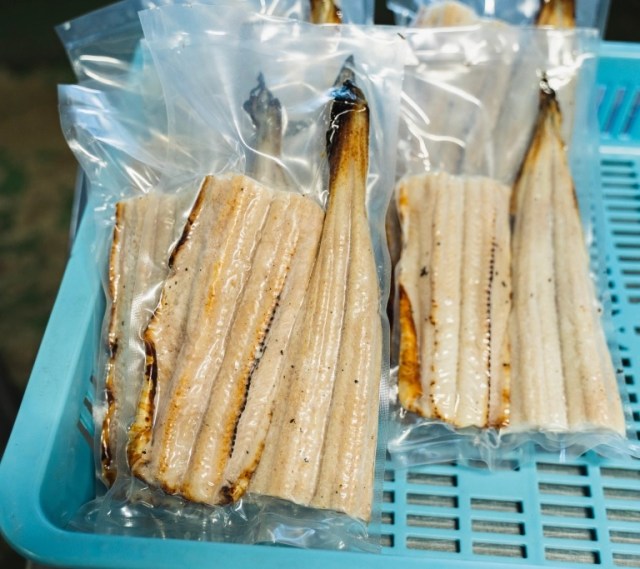
Beyond shirayakai, the largest, most pristine pieces of anago have the exalted fate of being used for ni-anago, parboiled eel.
So this got Tasuku wondering: How do you determine how high the quality of anago before actually taking a bite of it? Thankfully, Murata Gyoson was happy to provide some handy pointers that you can use the next time you’re picking out anago at the grocery store or fish market.
1. Check the eyes. This pretty much goes for all seafood, but the clearer and brighter the eyes are, the fresher the anago is.
▼ Having just been caught that morning, this anago’s eyes mark it as especially fresh.
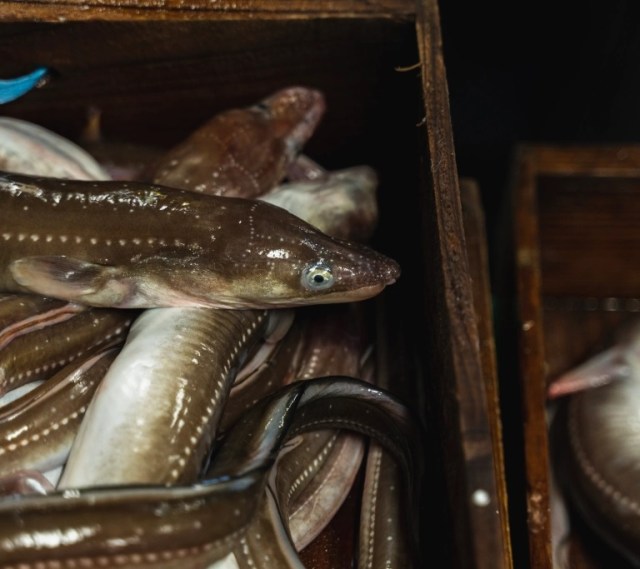
2. Go for the gold (skin color). At a glance, most people would say anago are silver, white, or gray. If you’re looking at a really fresh, high-quality example, though, the skin will have a golden shine to it, like in the photo here.
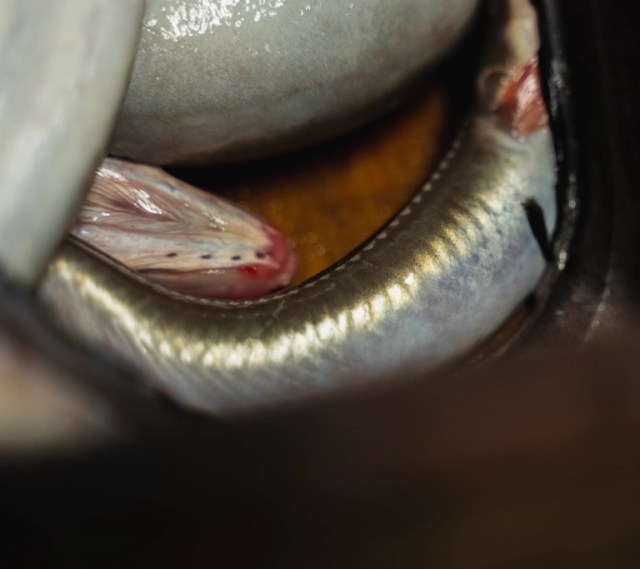
3. Compared to the first two visual checks, this one can be kind of hard to determine if you haven’t spent a lot of time looking at eels, but high-quality anago has a tight, firm stomach. The looser and flabbier the belly, the more likely it is that the anago has had some damage to its internal organs, which can make the flavor of its meat gamey. Softer-stomached anago are also more likely to have lived their lives in warmer waters, where the type of prey available for them to have fed on can also contribute to gaminess.
▼ Firm-stomached anago
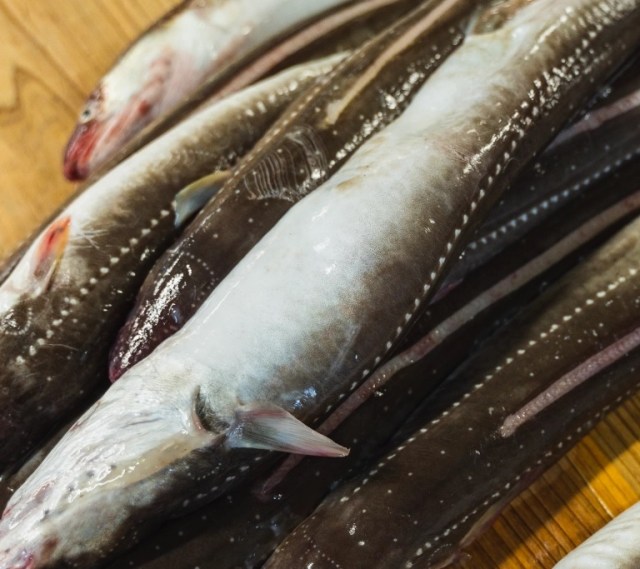
4. And last, once the anago is fileted, you can tell higher-quality meat by its color. Average-quality anago will have red or yellow hues to it…
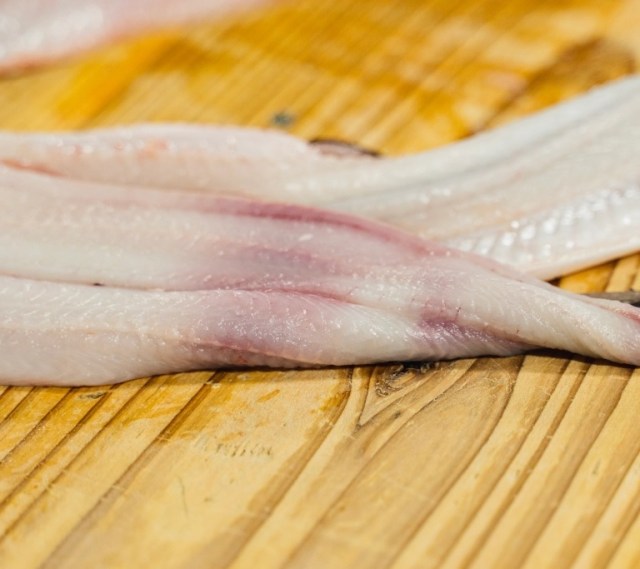
…but top-notch anago will be white, like this.
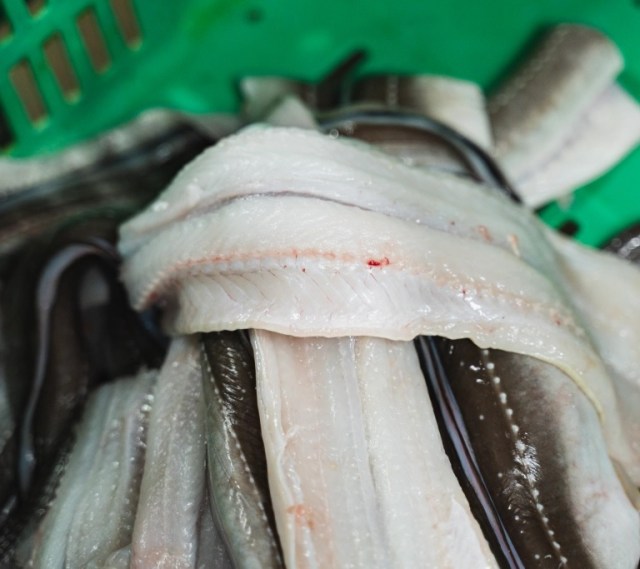
Armed with this knowledge, Tasuku now feels more confident in being able to select the tastiest anago out of his options at the supermarket, and also in choosing how to cook it. Still, it’s going to be hard to beat professionally prepared caught-that-day anago, so he knows what he’ll be ordering when eating out on his next trip to Shimane.
Related: Murata Gyoson
Photos ©SoraNews24
● Want to hear about SoraNews24’s latest articles as soon as they’re published? Follow us on Facebook and Twitter!
[ Read in Japanese ]
 Which Japanese conveyor belt sushi chain has the best saltwater eel sushi?【Taste test】
 What’s it like to eat eel from a Japanese vending machine?
 Eel-topped takoyaki is delicious in any season, but here’s why now is the best time to try it
 Does the eel from these cheap takeout shops pass the buyobuyo quality test? We find out
 Studio Ghibli unveils new My Neighbour Totoro Yearly Plate for 2027
 New Japanese convenience store rice balls taste like instant noodles [Taste test]
 Kyoto temple bans visitors from wearing kimono
 Lego PlayStation recreates Sony’s original console, makes unusual choice for games to salute
 Starbucks Japan releases new coffee table book featuring 18 of the most unique stores around the country
 New Pokémon anniversary song is 22 minutes long, features all 1,025 Pokémon species [Video]
 Japan’s Tsukimi One-hand Bento’s name is all wrong, but it still looks entirely delicious
 American tourist in Japan arrested on charges of attempted murder and arson
 Japan’s revolving sushi restaurant king Sushiro coming to U.S. this fall with high prices, no tipping
 Starbucks Japan reveals new Tsukimi Moon-Viewing drinkware and gifts for autumn 2026
 Solo travel in Japan: Hidden beer garden in Tokyo is a haven for single visitors
 Studio Ghibli unveils new anime calendars and diary planners for 2027
 Family Mart releases new Human Made Cup Noodle in Japan, with freebies for Nigo fans
 A real-world Pokémon Poké Ball hotel is opening in Japan at a still-secret location [Video]
 Japan’s first fall color forecast for 2026 is here!
 One Piece Day 2026 brings new art, music, and new cast announcements
 Tamagotchi evolves into a ring for its 30th anniversary, preorders now open
 Hobonichi unveils new 2027 planners, diaries and stationery with One Piece, Suica Penguin, Hello Kitty and a must-buy Mini Techo
 12-year-old British girl who went missing in Tokyo found safe after visiting anime sites around Yokohama
 7-year-old boy left behind on Mt. Fuji by his own dad
 Japan’s final Penguin Suica train cards have already shipped, and when they’re gone, they’re gone
 Sushi Bus: Japan’s first conveyor-belt bus lets you eat sushi while sightseeing around Tokyo
 Japanese toilet aims to attract foreign tourists but not everybody is happy about it
 New Japanese vending machine at Shinkansen station sells cups of ice on platform
 Study finds hundreds of people in Indonesia legally named after Naruto, Inuyasha, other anime stars
 Japan approves foreign resident visa renewal fee increases of up to 967 percent, starts soon
 Japan tripled its departure tax to fund tourism but is using the money on cherry blossoms and bears
 Japan announces sudden 400-percent increase in visa fees for foreigners entering the country
 Japan’s human washing machines will go on sale to general public, demos to be held in Tokyo
 Studio Ghibli has a new anime out, and there’s only one place in the world where you can see it
 Starbucks Japan releases new drinkware and goods for Valentine’s Day
 Starbucks Japan releases new sakura goods and drinkware for cherry blossom season 2026
 Japan’s newest Shinkansen has no seats…or passengers [Video]
 Tokyo subway installing new ticket gates that don’t accept payment through Suica or other IC cards
 Japanese ninja certification exam attracts 131 candidates from Japan and abroad
 Salomon releases Japan-exclusive Mt. Fuji hiking gear that doubles as an amazing souvenir
 Put sesame oil in your coffee? Japanese maker says it’s the best way to start your day【Taste test】