Elementary school students’ Peace Education lessons have included excerpts from manga by atomic bombing survivor since 2013.
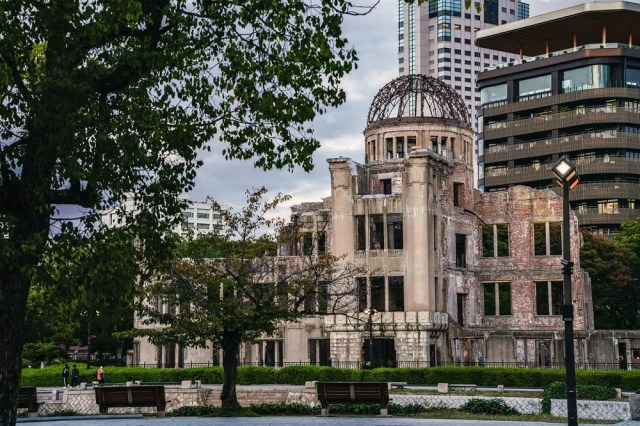
The atomic bombing of Hiroshima during World War II is a subject that gets a lot of attention from the city’s board of education. Students in public elementary, middle, and high schools study the event as part of their Peace Education curriculum, a subset of their literature and ethics lessons.
Since 2013, the Peace Education materials for third-year elementary school students has included panels from the manga Barefoot Gen. The series was written and illustrated by Hiroshima native Keiji Nakazawa, who was six years old when the bomb was dropped in August of 1945. Nakazawa was able to survive the blast and its aftermath, but many of his family members did not.
▼ Barefoot Gen
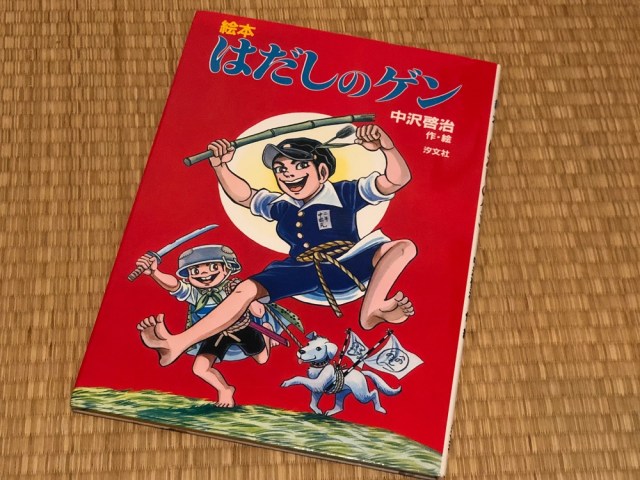
Barefoot Gen’s titular protagonist is also a Hiroshima boy who’s six years old at the time of the bombing, and the series draws from Nakazawa’s personal experiences, although it’s not a direct biography of his life. The series is frequently pointed to as an example of a socially significant comic book series, both in Japan and abroad. However, following a review of the Peace Education program, the Hiroshima City Board of Education says it will be removing the Barefoot Gen excerpts from its teaching materials.
▼ Some of the excerpts previously included in the curriculum can be seen in the video here.
Among the scenes previously included in the curriculum was one in which Gen and his younger brother set up a street stall for rokyoku performances to earn money following the bombing. In another scene, the brothers poach carp from a pond, bringing the fish home for their mother to eat.
Within the full context of the manga, or a preexisting knowledge of the historical conditions, the scenes aren’t particularly confusing. Taken as individual excerpts, though, the board feels that it may be difficult for young students to easily process, making it hard to fully convey the hardships people were plunged into because of the war. Rokyoku are narrative songs that had their heyday in the first half of the 20th century, but they’ve faded from public consciousness in modern Japan. A board member expressed concern that teachers then have to take time out of the lesson to answer questions and explain about the musical genre itself, when the goal is to convey that the economy was in such shambles that families had to scrape for every coin they could. The board also felt that the brief collection of panels showing Gen and his brother excitedly catching the carp, then presenting it to their thankful mother, didn’t sufficiently establish that the family was so desperate for food that they’d, in essence, stolen the fish.
▼ The rokyoku and carp sequences
“There is a chance that children could come away with the wrong impression,” and “The scenes [by themselves] don’t match the actual living conditions of children [at the time]” were among the rationales given by the board regarding their decision to remove Barefoot Gen from the curriculum. Instead, the materials for third graders will include a picture book based directly on the experiences of Chizuko Wataoka, a Hiroshima atomic bombing survivor who was 16 years old when both her parents and her three younger sisters perished as a result of the blast.
Many online commenters are startled at the decision to remove Nakazawa’s widely respected manga, which ran in its entirety from 1973 to 1987, from the program, but the logic behind it makes sense to many as well.
“The reader’s takeaway can get skewed if they’re just looking at one part of a scene snipped out from the longer story.”
“Just make kids read the entire series.”
“I’ve got no problem with them replacing it with a book by a bomb survivor.”
“I think Barefoot Gen is a better fit to have in the library than teaching materials.”
“Maybe they should have them read the whole thing as part of their summer vacation homework?”
The decision to remove Barefoot Gen from the curriculum came about as part of an overall periodic review of the Peace Education program, not a specific targeting of the manga. “We have no criticisms against Barefoot Gen itself,” the education board spokesperson asserted.
The change to the new materials will take place in April, at the start of the new school year.
Source: Chugoku Shimbun Digital via Yahoo! Japan News via Hachima Kiko, YouTube/ANNnewsCH
Top image: Pakutaso
Insert image: ©SoraNews24
● Want to hear about SoraNews24’s latest articles as soon as they’re published? Follow us on Facebook and Twitter!