

We call them “rice balls” in English, but the real-meaning of “onigiri” is something a lot of Japanese people don’t find appetizing.
In English, we usually call the food known as onigiri in Japanese “rice balls.” But should you have the pleasure of becoming gastronomically acquainted with onigiri, you’ll quickly discover that most of them aren’t ball-shaped. For example, triangular onigiri, like these ones, are extremely common in stores.

Even when onigiri are rounded, they’re more like thick discs than truly spherical balls.
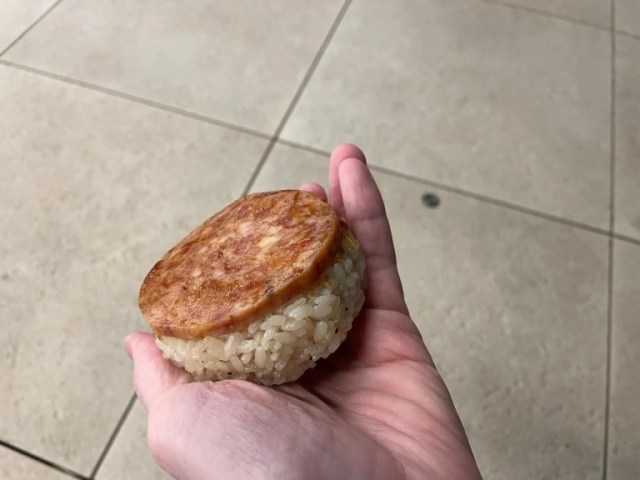
That’s because the word onigiri doesn’t actually mean “rice ball.” It comes from the word nigiru, meaning to squeeze or press, and refers to the traditional way you make onigiri, by pressing the grains of rice together with your hands, with whatever filling you’re using placed at the center or the topping put on top after the onigiri has been formed. Linguistically, onigiri can be whatever shape you want them to be.
But remember how we said pressing the rice by hand is the traditional way to make onigiri? That’s because in the modern era of mass-produced onigiri, they’re often made by machine, and as machine-made onigiri become more and more common, part of the Japanese population has gotten squeamish about eating the pressed-by-hand variety.
Japanese variety program Abema Prime recently conducted a survey asking “Can you eat onigiri that someone else made by hand?”, and of the 50,000 respondents, only 46 percent said they were comfortable consuming bare hand-pressed onigiri.
An additional 42 percent said they were OK eating hand-pressed onigiri on the condition that a layer of plastic wrap had been placed between the rice and the maker’s hands. 10 percent, though said that even that isn’t good enough, and that they’re unwilling to eat hand-pressed onigiri entirely.
▼ The final two percent responded with “other,” but it’s unclear exactly what that means.

So why the strongly negative reaction to bare hand-made onigiri? A few theories spring quickly to mind. Probably the biggest hurdle is that onigiri is pressed after all the ingredients have been cooked. It’s one thing if a chef picks up a piece of meat with an ungloved hand and tosses it into a frying pan before it’s cooked and plated with a spatula. There’s no more heat being applied to that onigiri after it’s formed, though, so effectively someone is grabbing and squeezing your food, then giving it to you to pop into your mouth.
The increasing availability of onigiri at convenience stores is probably another contributing factor. Convenience store onigiri have become the majority of the onigiri many people eat, and since they’re machine-pressed, the concept of eating hand-pressed onigiri, let alone bare hand-pressed onigiri, is becoming increasingly removed from many people’s daily lives.
Along with machine-pressed chain store-bought onigiri becoming so prevalent, another factor to consider is that onigiri aren’t particularly common on restaurant menus. That leaves small, independent takeout shops and home kitchens as the two places you’re most likely to encounter pressed-by-hand onigiri, and in the case of home kitchens, you get into the question of how clean other people keep their homes and non-professional food handler hands, and the answer might not be as clean as you’d like.
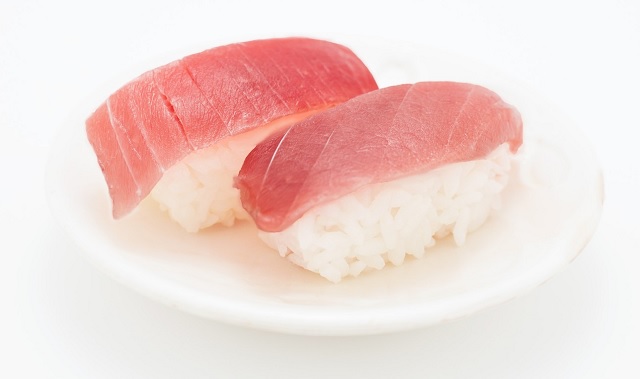
Interestingly, pressed-by-hand nigiri sushi (which comes from the same nigiru as onigiri), the most common kind of sushi in which the fish or other topping is placed on a block of rice, doesn’t seem to trigger the same sort of negative reaction. Just like with onigiri, the rice in mass-produced nigiri sushi, such as at inexpensive revolving sushi restaurants or shops, is machine pressed, but at more expensive restaurants the rice is pressed by hand, with plastic wrap or gloves rarely used. Maybe the greater acceptance of bare hand-pressed nigiri sushi has something to do with the high-class image of sushi and sushi chefs.
In any case, though, it’s probably best to keep your reaction expectations modest if you offer someone an onigiri while telling them “I made it myself!”
Source: Sponichi Annex via Yahoo! Japan News via Otakomu
Top image: Pakutaso
Insert images: SoraNews24, Pakutaso (1, 2)
● Want to hear about SoraNews24’s latest articles as soon as they’re published? Follow us on Facebook and Twitter!
 Is it gross to eat sushi that the chef pressed with his bare hands?【Survey】
 Onigiri without the nigiri – Japan’s traditional rice balls get an update
 Is anime making otaku eat less rice? Government launches Girl Running Late with Rice Ball Project
 The 10 best types of onigiri rice balls to try in Japan【Survey】
 Japanese convenience store’s newest rice ball filling: Nothing at all, and why we’re OK with that
 The Japanese city where ordering grilled chicken doesn’t guarantee you’ll actually get chicken
 Japanese airlines set to cut fuel surcharges for international flights in September and October
 Studio Ghibli adds new Jiji’s baby plush toy to its anime merchandise range in Japan
 Delta Airlines adds first nonstop flight between Japan’s Narita Airport and U.S. in seven years
 Hello Kitty x Godzilla Happy Meals are coming to McDonald’s, but not in Japan [Video]
 Beautiful off-the-beaten-path spot near samurai castle in rural Japan looks like a Monet painting
 Tokyo sweets store has a “350% Pudding Soft Serve”, and people are going wild for it
 Japanese figure skating star Yuzuru Hanyu and Winne-the-Pooh announce crossover merch line [Pics]
 This beautiful Okinawa beach gives you the best of both worlds when visiting the prefecture [Pics]
 Wagyu ramen for foreign tourists appears in Kabukicho, with a very high price tag
 Japanese toilet aims to attract foreign tourists but not everybody is happy about it
 New Japanese vending machine at Shinkansen station sells cups of ice on platform
 Anime fan in Japan arrested for ordering and cancelling over 4.3 billion yen in anime merch
 Starbucks Japan teams up with Traveler’s Company for new stationery and goods collection
 Japan’s new beer glass is designed to force you to drink…water [Video]
 Beautiful Totoro bonsai figure needs no watering, makes soothing rain showers whenever you want
 End of a manga era as Weekly Shonen Jump’s circulation drops under one million
 This beautiful rural Japan river is a great alternative to touristy summer retreats [Photos]
 Studio Ghibli releases new Kiki’s Delivery Service Jiji music box for anime fans
 Tokyo subway installing new ticket gates that don’t accept payment through Suica or other IC cards
 Japan now has human refrigerators inspired by Japanese vending machines
 Hatsune Miku collaborates with Hokusai’s art in new Vocaloid ukiyo-e illustration series [Pics]
 New Shinkansen luggage drop-off system begins in Japan, making train travel even easier
 Studio Ghibli releases anime T-shirts that pay homage to one of Hayao Miyazaki’s most personal films
 Air-conditioned dress shirts arrive in Japan to save working professionals from sweltering heat
 Japanese Shinkansen becomes an overnight hotel for three nights this summer
 Cup Noodle unveils first-ever cold-water instant ramen in Japan
 Pokémon Center Online designates first Pokémon items that will require Japanese ID card to buy
 99-year-old woman rescued while attempting to climb Mt. Fuji
 Japan announces sudden 400-percent increase in visa fees for foreigners entering the country
 Japan’s human washing machines will go on sale to general public, demos to be held in Tokyo
 Studio Ghibli has a new anime out, and there’s only one place in the world where you can see it
 Starbucks Japan releases new drinkware and goods for Valentine’s Day
 Starbucks Japan releases new sakura goods and drinkware for cherry blossom season 2026
 Japan’s newest Shinkansen has no seats…or passengers [Video]
 Japanese ninja certification exam attracts 131 candidates from Japan and abroad
 Salomon releases Japan-exclusive Mt. Fuji hiking gear that doubles as an amazing souvenir
 Put sesame oil in your coffee? Japanese maker says it’s the best way to start your day【Taste test】
 The surprising semi-secret ingredient in many Japanese convenience store rice balls: oil
 Beyond rice balls: How to make an edible onigiri rice cat【Video】
 Rice balls that can last for 100 days at room temperature? Kyoto company makes high-protein onigiri
 Awesome rice ball making machine promises perfectly pressed onigiri in just 30 seconds【Video】
 Survey ranks convenience store rice balls – salmon, sea-dwelling poultry & plants steal the show
 Onikun: Epic onigiri so big they’re half demon, half rice ball
 Say hello to the Big Bomb Onigiri, a beast of a Japanese rice ball
 Japanese convenience store issues rice ball recall, foodies would’ve loved to eat them anyway
 The difference between onigiri rice balls in Tokyo and Osaka
 It’s a Japanese boxed lunch in the palm of your hand with the new bento rice ball
 The polite way to eat onigiri rice balls sparks debate online
 Gyoza rice balls are here, and everyone agrees they look awesome, but are they? 【Taste Test】
 What are Japan’s best, and most unique, regional rice balls?
 Top Japanese instant noodle maker steps up its rice ball game 【Taste test】
 Are Family Mart’s new “exquisite” rice balls worth the high price tag?