
Onigiri survey gives us even more reasons to travel to every part of Japan.
You can find onigiri (rice balls) all over Japan, but you can’t necessarily find the same kinds of onigiri. Sure, there standards like salmon or bonito that are available nationwide, but certain varieties of onigiri are unique to specific parts of Japan, or at least deeply engrained in the local food culture.
So with that in mind, and this year’s fresh rice crop coming in, online travel portal Jalan conducted an onigiri survey, asking participants both for regional onigiri that they love so much they wish they were available everywhere in Japan, and also to choose the most unique delicious regional onigiri they’ve found. A total of 1,048 responses were collected from people aged 20 to 59, living in all prefectures of Japan, so let’s take a look at the results for onigiri they should sell everywhere in Japan.
3. Taimeshi onigiri (Ehime Prefecture)
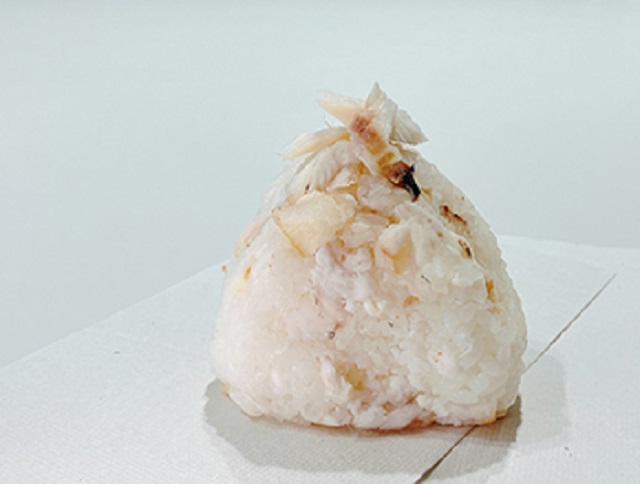
Ehime make up the northwest corner of Shikoku, the smallest of Japan’s four main islands. That gives the prefecture access to the bounties of the Seto Inland Sea, and the waters off Ehime are an especially good place to catch sea bream. Taimeshi, which translates literally as “sea bream rice,” is prepared by cooking the fish and rice together in the same pot, and while you could then scoop it into a bowl and eat it with chopsticks, it’s equally suited to forming into rice balls, where the sweetness of the rice and fish mix together for a wonderful combination.
2. Ebiten onigiri (Aichi Prefecture)
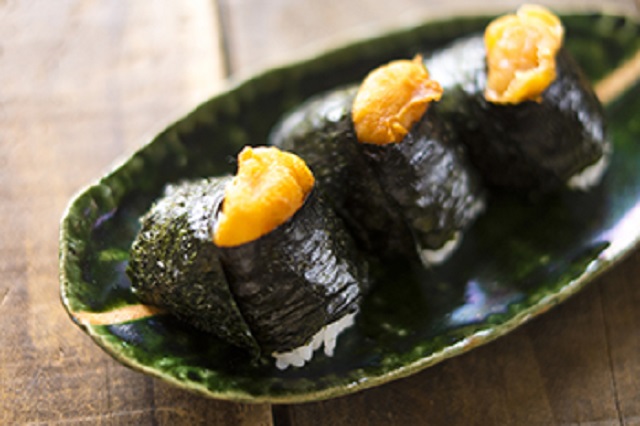
Once again, we’ve got some food-related compound vocabulary here. Ebi is the Japanese word for “shrimp,” and ten, in this case, is short for “tempura.” With shrimp being the widely recognized king of tempura morsels, it’s no surprise that it makes for some popular onigiri, and ebiten onigiri, also known as tenmusu (musubi being an alternate word for rice balls), are especially associated with the city of Nagoya.
Ebiten onigiri tend to be a little smaller than other rice balls, which really helps the flavor and texture of the shrimp stand out, and the proportionally large amount of seaweed also lets it play a big part in the flavor profile. Because of their size, it’s customary to eat more than one ebiten onigiri in a sitting, and they’re also somewhat unique in that while many types of onigiri contain at least a pinch of salt, ebiten onigiri have none, and instead have a sweet sauce as their primary seasoning.
1. Tarako butter yakionigiri (Hokkaido Prefecture)
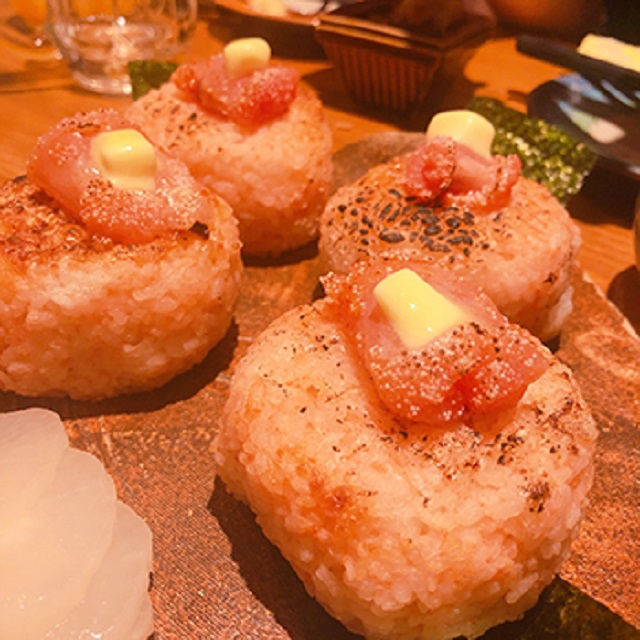
Tarako (cod roe) is a pretty common onigiri filling across Japan. In Hokkaido, though, which is Japan’s biggest dairy producer, it’s sometimes mixed with butter. This might seem like an odd mishmash of eastern and western culinary traditions, but it works, as evidenced by how widely loved tarako cream pasta is in Japan. For maximum mouthwatering effect, tarako butter onigiri are grilled (becoming yakionigiri), with the heat helping the tarako and butter melt into each other, earning it the top spot in Jalan’s rankings of onigiri that should be expanded to full availability everywhere in Japan.
Next, let’s take a look at the most unique regional onigiri, as chosen by the survey participants.
3. Pork and egg onigiri (Okinawa Prefecture)
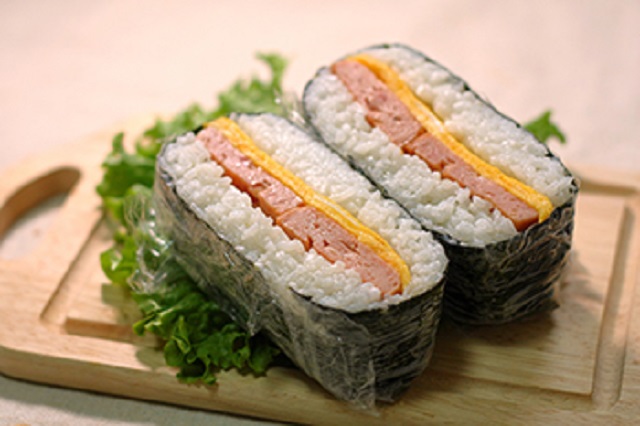
If you’re from Hawaii, or have ever taken a trip to the Aloha State, this might not seem like such an unusual onigiri filling at all. But while the Spam musubi has long been the best-known type of rice ball in the U.S., most parts of Japan don’t put canned pork into theirs. In a parallel to Spam musubi in America, though, it seems that a fair number of people have fond memories of eating these unique-to-Japanese people ongiri on their vacations in Okinawa, as the pork and egg onigiri also came in fourth in the survey’s rankings of local onigiri that should be sold nationwide.
2. Hida tomato onigiri (Gifu Prefecture)
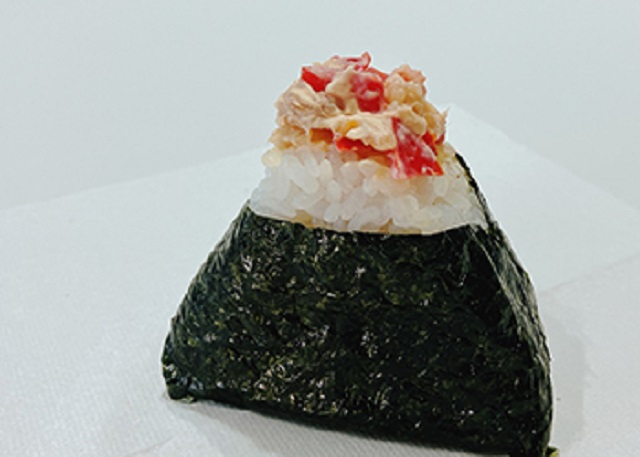
Tomato rice balls, on the other hand, are equally unusual inside Japan and abroad. Foodies most commonly think of Hida’s renowned beef as the region’s must-eat food, but Hida tomatoes are said to have an outstanding balance of sweet and tart notes, and cutting them into cubes, then mixing in some tuna and mayonnaise, is said to be a juicy delight when used as an onigiri filling.
1. Sudachi onigiri (Tokushima Prefecure)
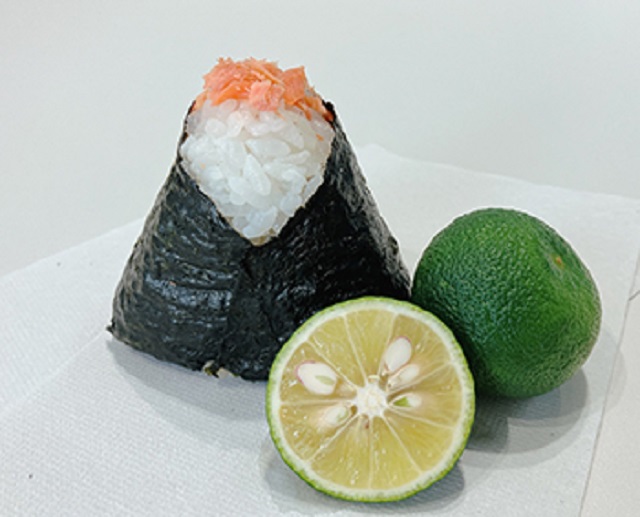
Finally, we’re back in Shikoku, this time in Tokushima, which makes up most of the east coast of the island. Sudachi is a kind of citrus fruit grown almost exclusively in Tokushima, with a flavor that’s sharper than limes or lemons. It’s so sharp that sudachi is rarely eaten by itself, but that also makes it a great accent flavoring. For sudachi onigiri, the filling used is usually salmon or kombu (kelp), but with sudachi juice squeezed into the rice and/or grated sudachi peel sprinkled onto the rice ball for an invigoratingly refreshing flavor.
So as you travel across Japan, remember, just like every region has historical sites and natural beauty, so too do they often have their own special onigiri that aren’t to be missed.
Source: PR Times
Top image: Pakutaso
Insert images: PR Times
● Want to hear about SoraNews24’s latest articles as soon as they’re published? Follow us on Facebook and Twitter!
[ Read in Japanese ]