
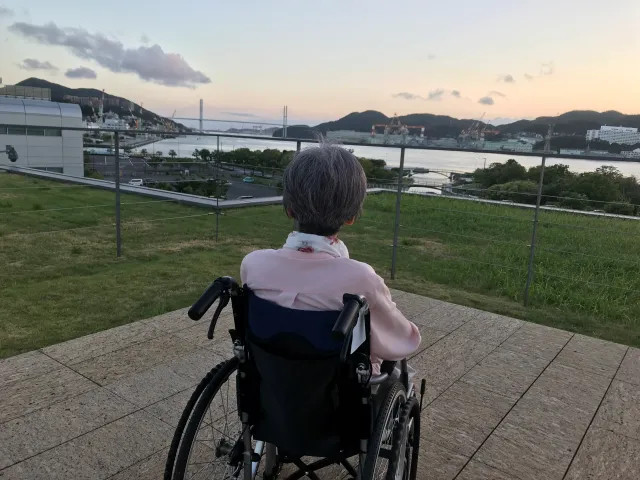
Inspired by a family member’s recent need for a wheelchair, our reporter tries to see Tokyo from their perspective.
Since last summer, our Japanese-language reporter Mariko Ohanabatake’s mother has been in a wheelchair because she lost her physical strength due to cancer treatments. In traveling with her mother in a wheelchair throughout Tokyo, Mariko has come to see the city in a very different light. As it turns out, even the smallest step, which you might overlook if you’re able-bodied, can be a huge barrier for someone who isn’t–which means there are limits to where and how far you can go.
As such, Mariko has started looking around at the places she visits and wondering if it would be a place she could bring her mother. And so, in order to see things from her mother’s perspective, she decided to spend a day traversing Tokyo using only wheelchair accessible routes.
Mariko started her experiment by utilizing Google Map’s “Wheelchair Accessible” function to find her route. In Japanese, it’s labeled as “車椅子対応”, and you can find it in the app once you select the “Public Transport” option, in the menu (the three vertical dots next to the starting and ending points) under “Options.”
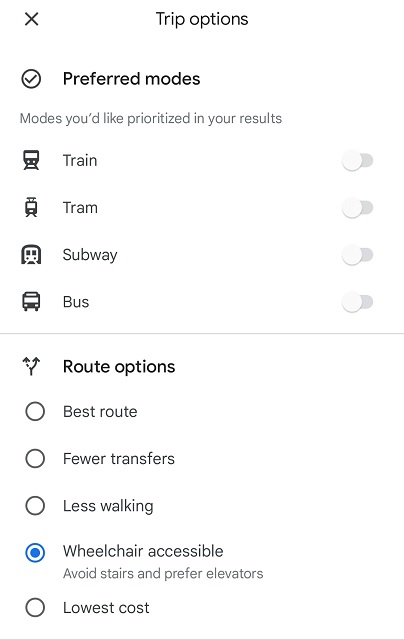
With this selected, routes you might not always follow will pop up with qualities like:
・Avoiding stairs in favor of elevators
・Circumventing steps and curbs
・Selecting train boarding locations near priority seating
・Searching for wheelchair accessible restrooms
As her destination, Mariko selected a cafe in the Shinjuku Odakayu department store. The accessible route that popped up took the Yamanote Line, the train line that loops around central Tokyo, which would take 54 minutes. Mariko usually commutes to Shinjuku using the subway, which takes about 40 minutes, but it seems the subway is a no-go for wheelchair users.
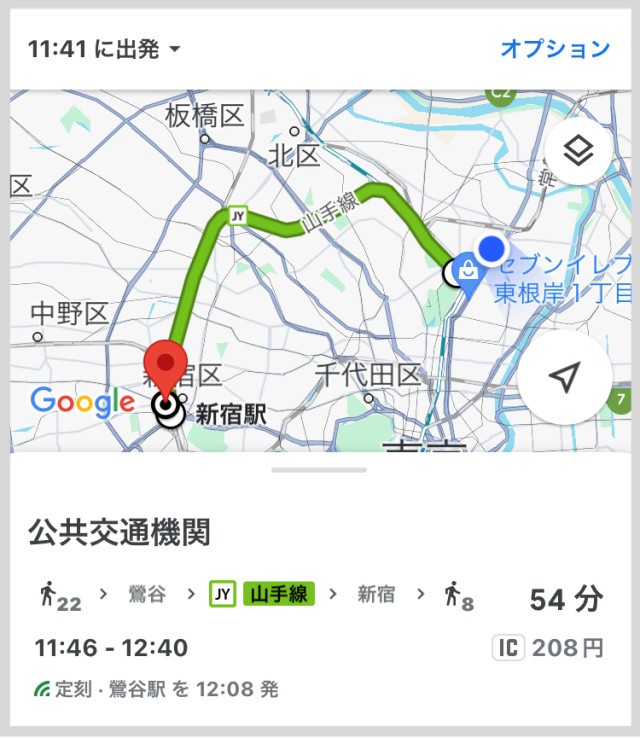
The route requires a 22-minute walk to Ugusuidani Station, the nearest Yamanote Line station, which is more than the 17 minutes it usually takes on foot those not using a wheelchair. Perhaps this difference is due to avoiding steps and curbs. Looking at the map, it did seem a bit roundabout.
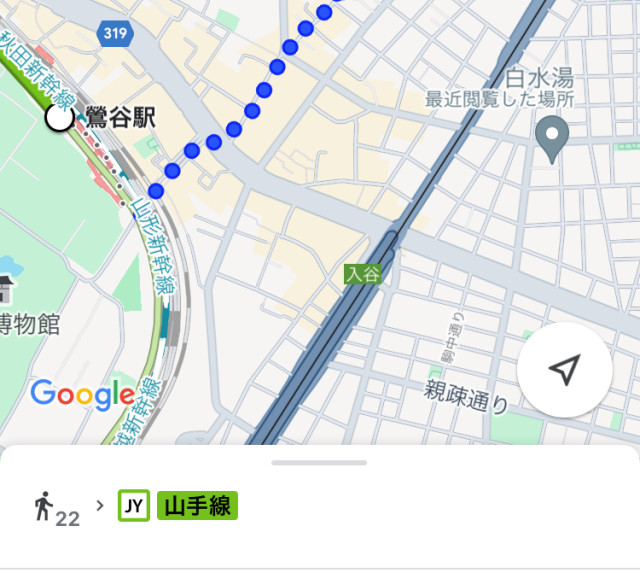
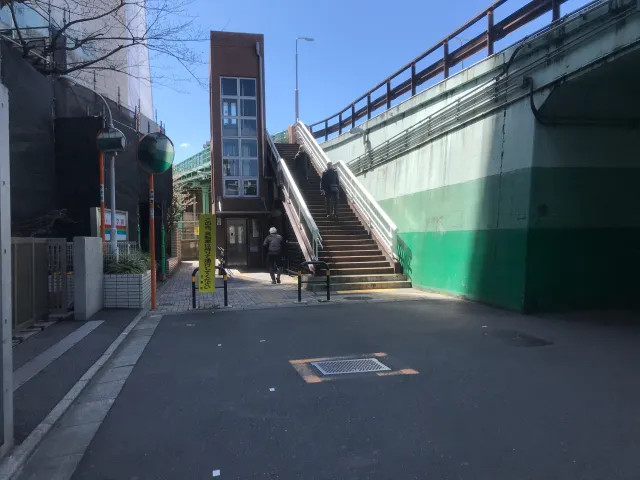
Once Mariko had arrived at the station, she had to circle around to find the elevators, which added more time to her walk.
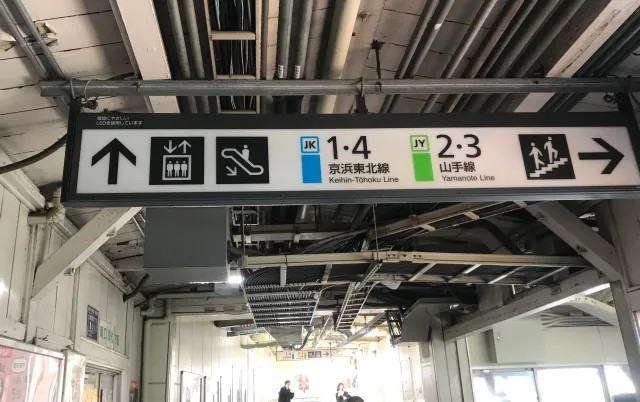
And even after going in through the ticket gates, she still had to find the elevators to get to the platform.
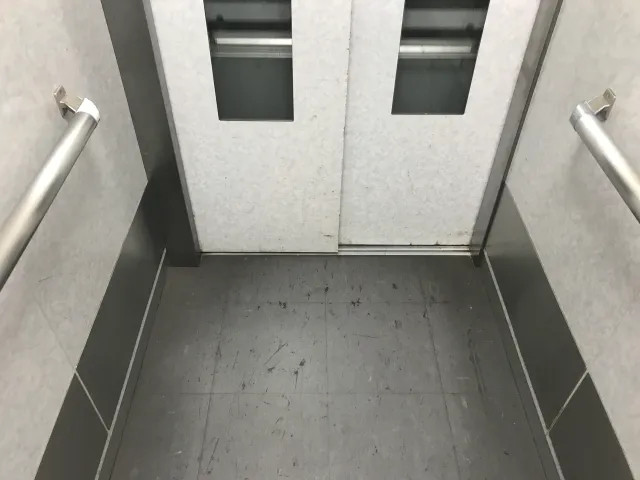
Once she did, it felt very tight inside. Mariko couldn’t help but think there wasn’t enough space for both a person in a wheelchair and any companions they might have.
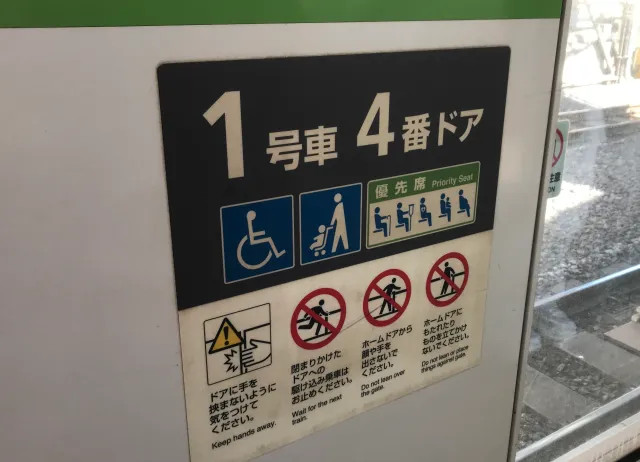
Once she finally made it to the platform, she had to travel to the designated place where a wheelchair accessible train car would stop. It, too, was quite far down the platform.
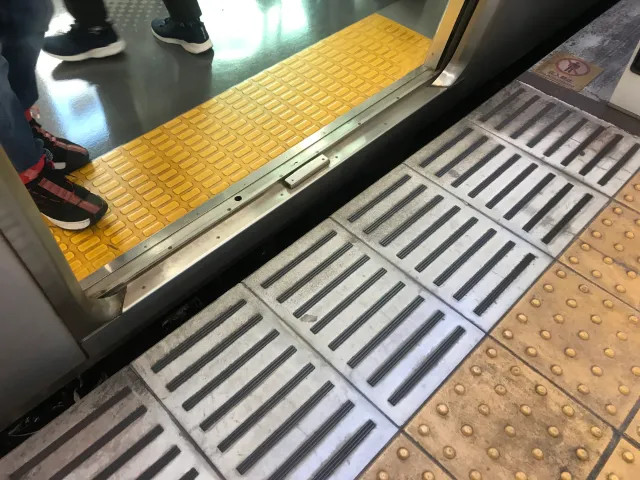
If Mariko was actually in a wheelchair, she’d also have to have a station attendant accompany her with a ramp to assist her in crossing the gap and the ledge between the platform and the train (as demonstrated here). After all the roundabout pathways, that seemed like a lot to deal with.
The particular car that Mariko boarded appeared to be quite new, as it had an open space for strollers and wheelchairs to park.
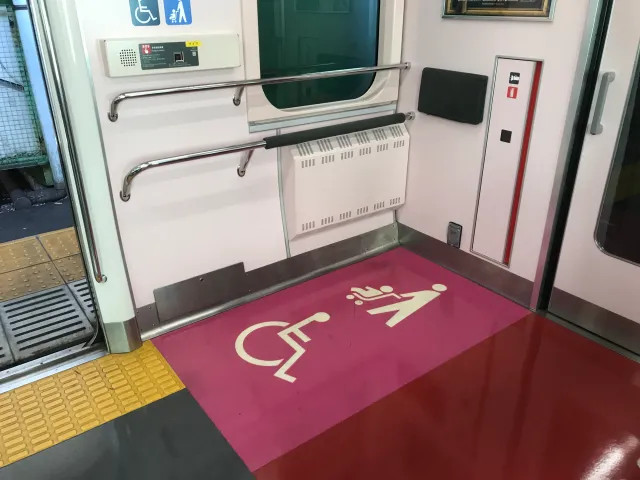
Mariko realized she’d often used such spaces to stand, but decided that from now on, she would leave that space open for anyone who needed it.
Finally, she arrived at Shinjuku Station. Since it was lunchtime on a weekday, the station was, of course, packed with people. Even worse, the platform was under construction so the walkways were even more narrow than usual.
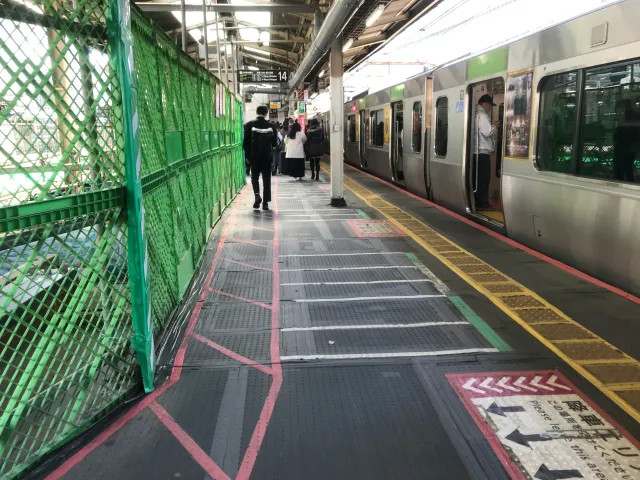
Walking along the edge of the platform is scary enough as it is, and Mariko couldn’t imagine how difficult and frightening it must be in a wheelchair or with a cane.
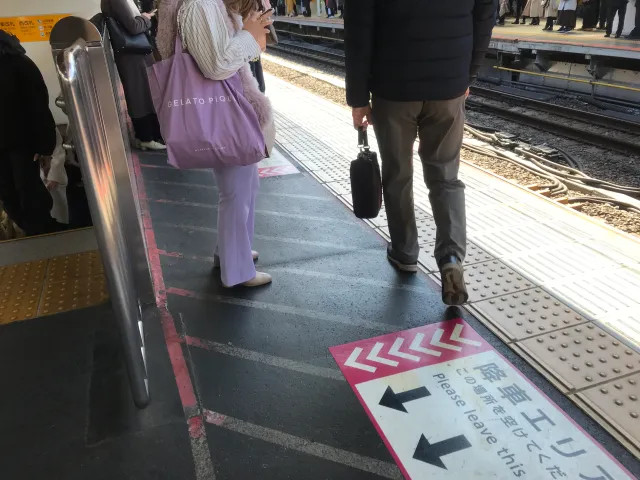
As it turned out, there was only one elevator, even with so many passengers, so wheelchair-users might have a bit of a wait before they can get on it.

Now that she was at Shinjuku Station and off the platform, Mariko was headed to the Odakyu department store. But here came a major problem:
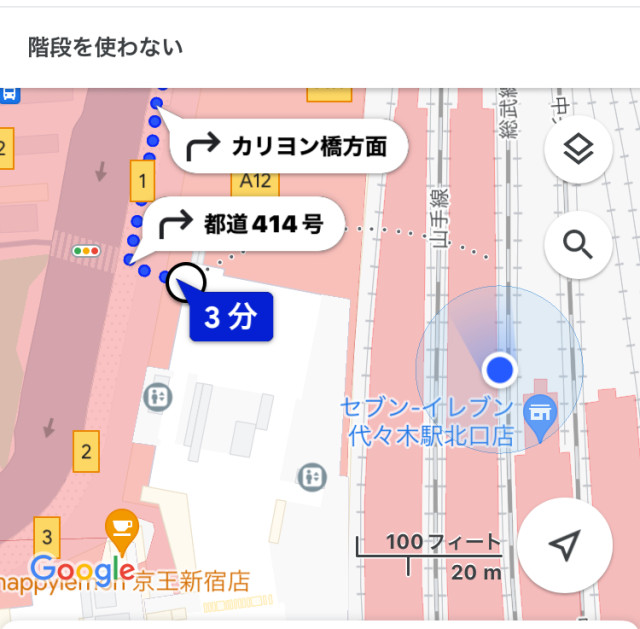
There were no Google Map instructions about how to get there.
Mariko had no idea which ticket gates would provide the most accessible route to the department store, and if you’ve been to Shinjuku Station, you probably know that there are a lot of exits and pathways.
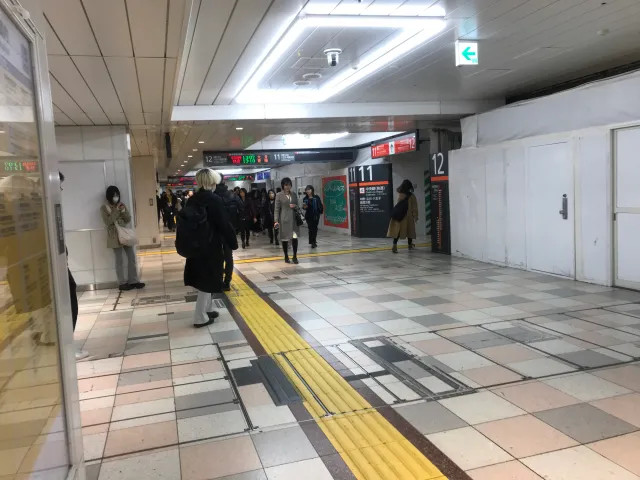
Luckily, Mariko uses Shinjuku Station a lot and is mostly familiar with its layout, so she knew to go out the West Exit, but for someone who has never been there, it would probably be extremely confusing.
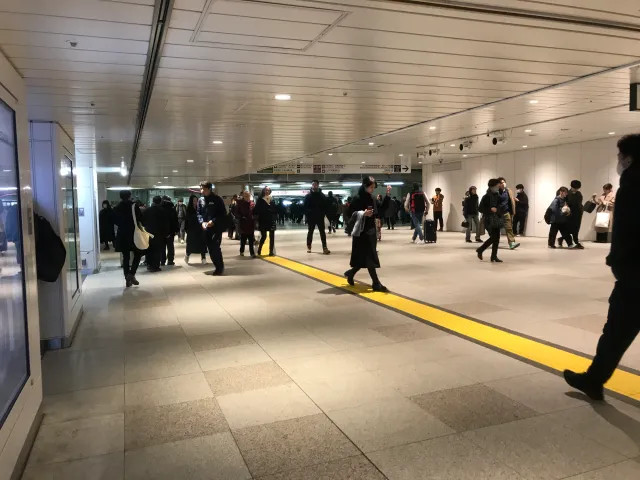
Mariko headed toward the West Exit, hoping her Google Maps issues would be resolved soon, when she came upon another problem:
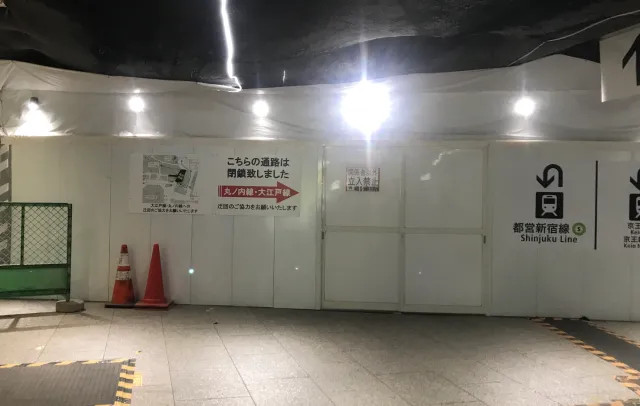
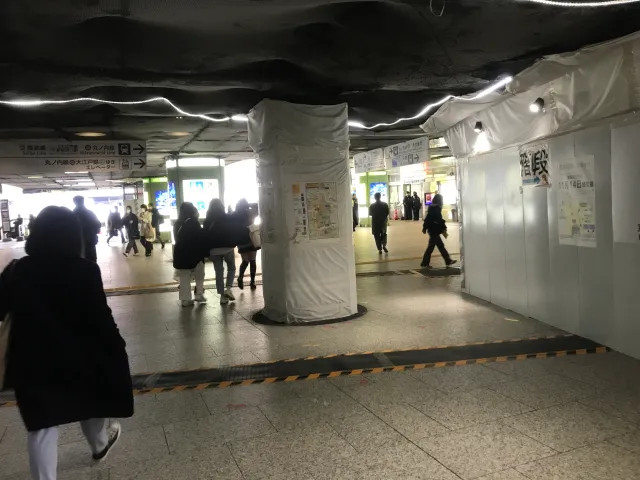
The path out of the West Exit was closed for construction! Shinjuku Station already feels like a maze-like dungeon without construction…Why did it have to be so much worse?!
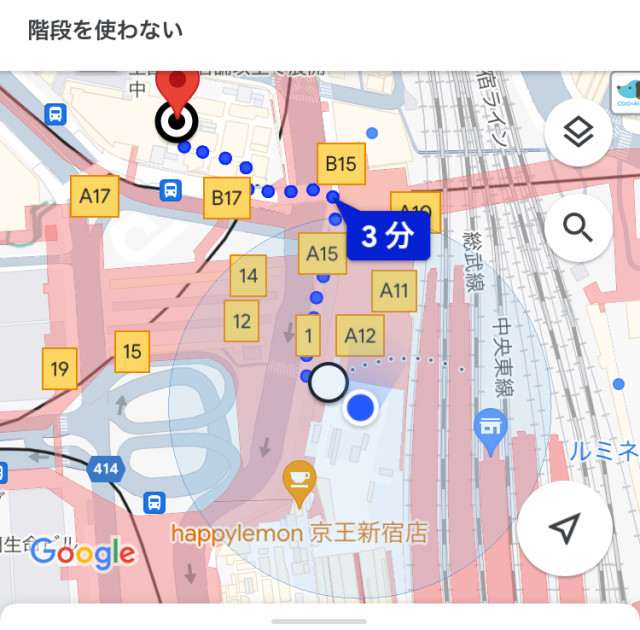
With this avenue blocked, Mariko had to find an elevator to get out of the station. But since the maps weren’t usable because of the construction, Mariko could only wander around for 10 minutes until she finally found an elevator.
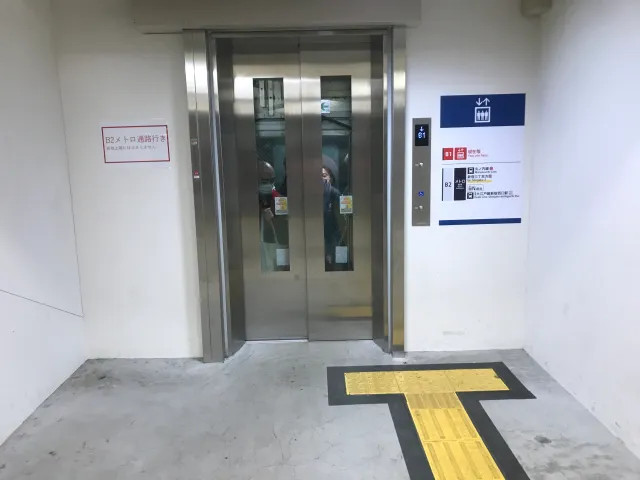
She couldn’t help but feel this would be extremely difficult for someone in a wheelchair unfamiliar with the station, especially with so many people around. She couldn’t imagine trying to navigate such a place while in a wheelchair and trying to use her phone to find the elevators!
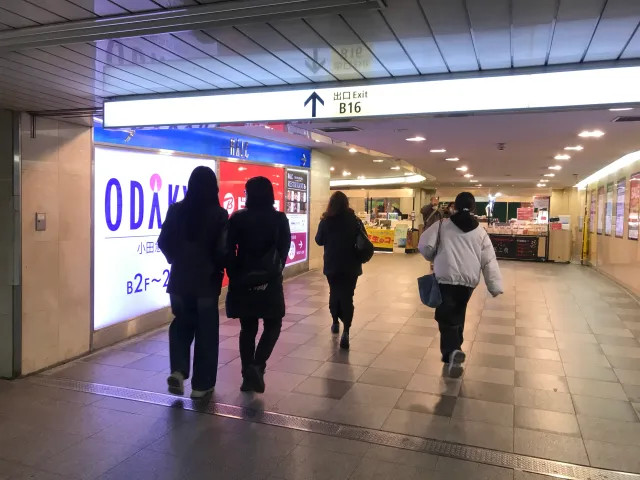
Finally, finally, she made it to the basement entrance of the Odakyu department store.
At this point, though her estimated time to her final destination had initially been 54 minutes, her total travel time was already over an hour, and she hadn’t even arrived at the cafe yet, which was on floor M2.
Which was when she encountered another shock…
▼ Translation: “*Customers headed to Floor M2, please use the stairs from the first or second floors.”
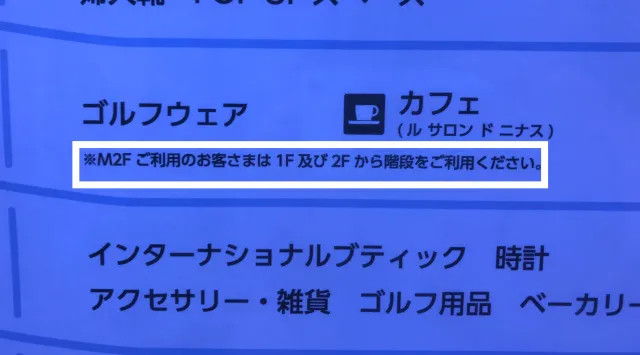
The elevator of the Odakyu department doesn’t even stop at floor M2!
There is no way to access the second floor without using the stairs, so that floor is completely inaccessible to wheelchair-bound people. There may have only been 10 steps, but you only need one for it to become a barrier.
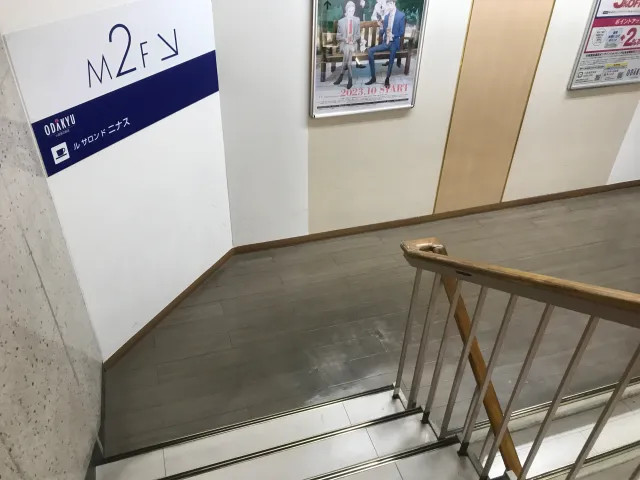
This snafu is, of course, is partially due to Mariko’s lack of research. She’d assumed it would be fine because most department stores generally have elevators that stop on all floors. Still, wouldn’t it be a shame for someone in a wheelchair to take a roundabout route for more than an hour to visit a certain cafe they were excited about, only to find when they arrive that they have no way of reaching it? Surely this is something that happens fairly often. How utterly frustrating.
▼ The cafe Mariko was only able to reach because she doesn’t need to use a wheelchair

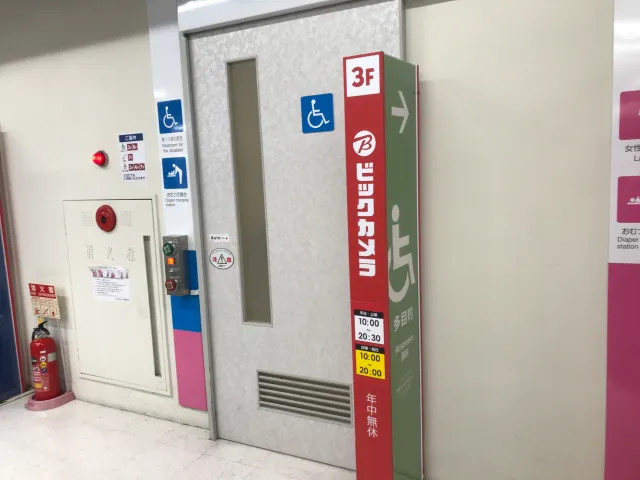
By the way, the Odakyu department store only has wheelchair-accessible restrooms on the third and eighth floors, and they’re often used by parents because they also have changing tables, so they often have a long wait.
Her cafe trip failed, Mariko decided to head to the SoraNews24 office in the nearby Shinjuku Sanchome neighborhood, still using an accessible route.
Thankfully, much of the pathways are flat in Shinjuku. However…
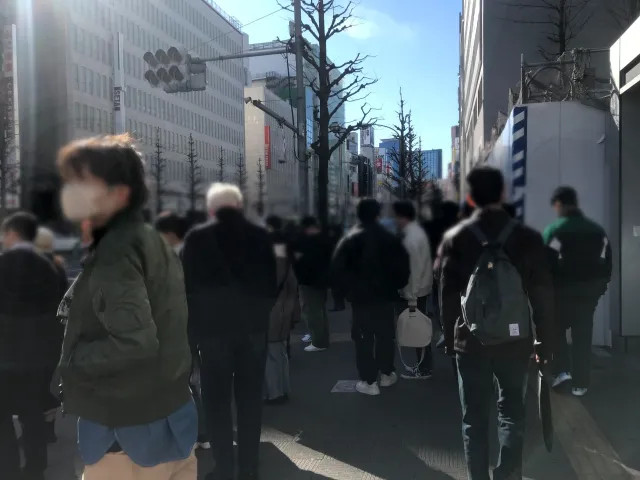
There were so many people in the Kabukicho area, it was difficult to walk. What would it would feel like to navigate through the crowds in a wheelchair?
When she finally arrived in the vicinity of the office, it was almost a relief.
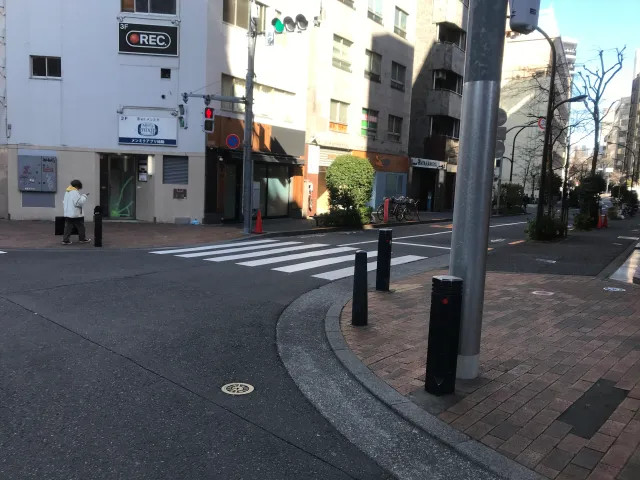
She stopped at the nearby convenience store to pick up a drink before heading into the office, but there she ran into another issue.
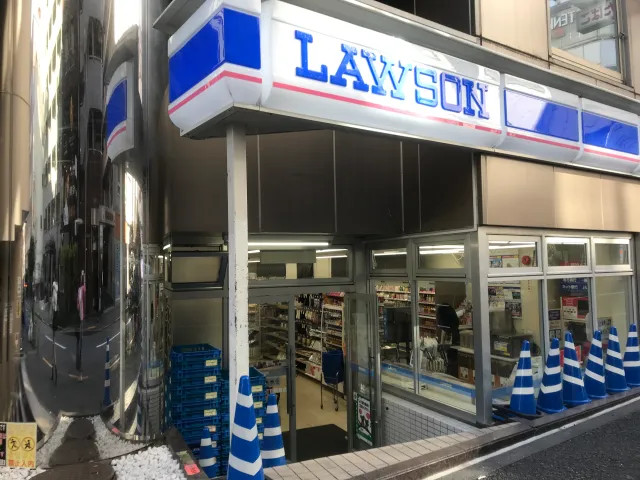
The entrance to the convenience store was down a set of stairs!
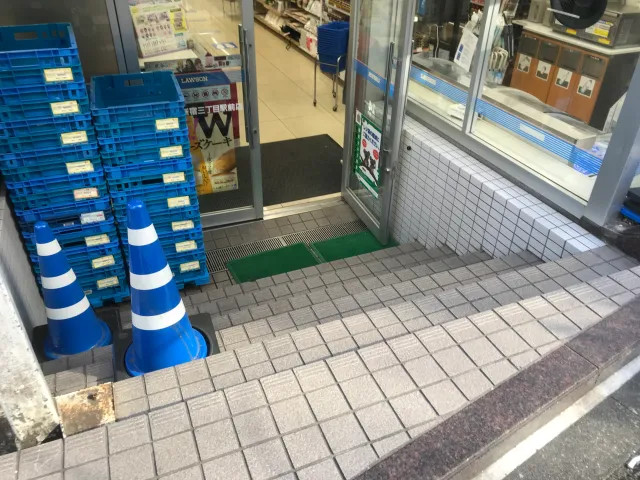
Mariko had never really noticed them before, but now, doing her accessibility experiment, she realized that someone in a wheelchair would never be able to get inside. Does this mean that people in wheelchairs even have to research which convenience stores they can actually access, in addition to how to get there?! This, to Mariko, was the biggest shock.
To keep up her experiment, she had to turn around and return to the station area to find a more accessible convenience store.
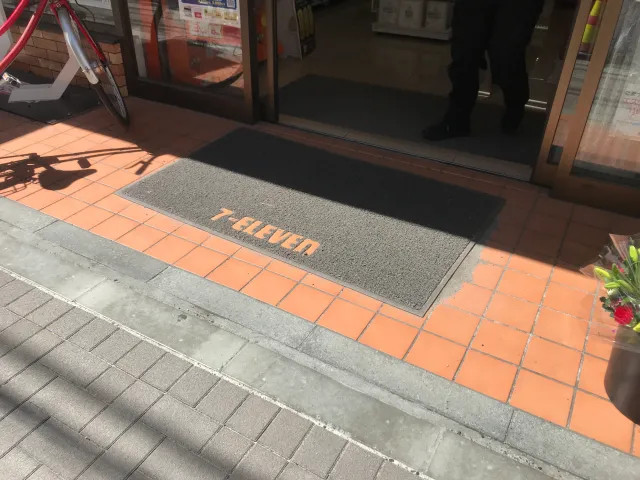
But…
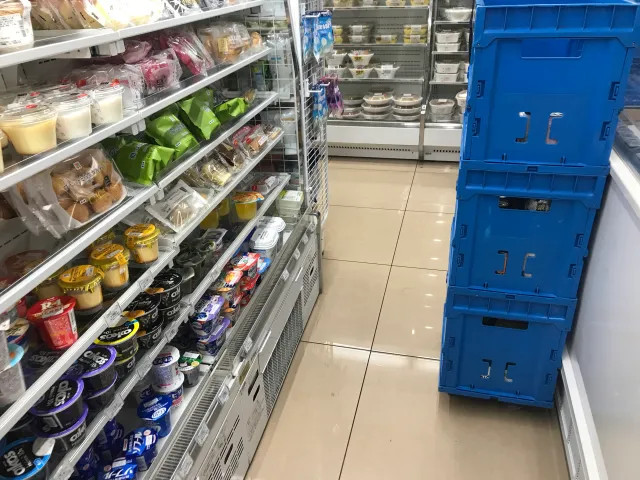
Inside, the aisles were crowded with crates, so if she was truly in a wheelchair, she’d never be able to go through.
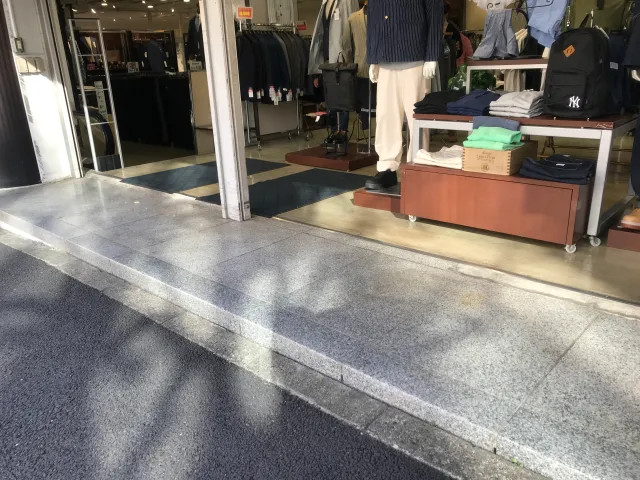
Even after that, Mariko encountered more steps that would prove difficult for someone with a disability to navigate, like this one in front of the entrance to a store…
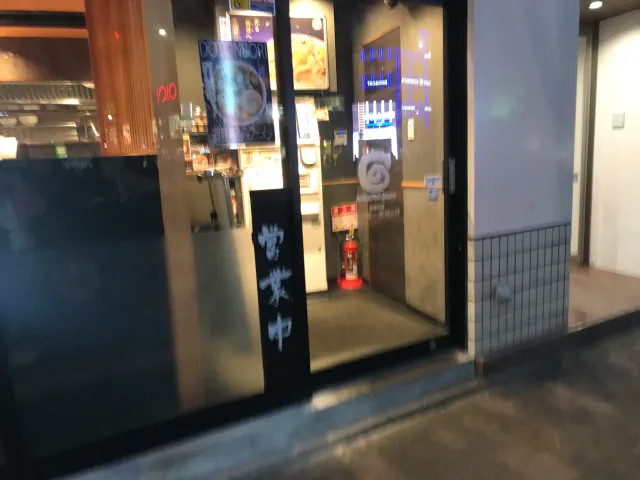
And this elevated entrance to a ramen restaurant.
Even this small ledge requires careful navigation to ascend!
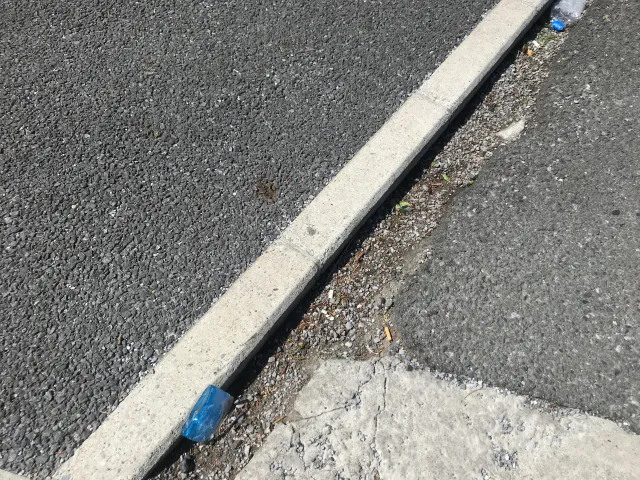
For those not in wheelchairs, these are steps that we can easily ascend without a thought, but for someone in a wheelchair, they can be a huge hurdle.
For Mariko, even though she had only taken one accessible route as an experiment, the process was time-consuming and exhausting. Mariko traversed this accessible route on foot, but if she’d actually been in a wheelchair, it would likely have taken even more time.
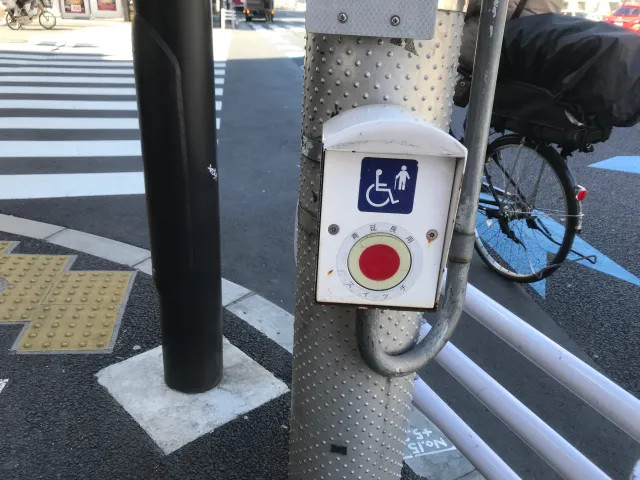
What’s more, even as a person on foot, out on the streets, you have to be mindful of cars and people. These are things made even more difficult in a wheelchair. So many challenges to simply getting around has to wear one down–and the idea of going somewhere new must be completely anxiety-inducing.
Of course there’s always the option of having a companion or helper, but how many people refrain for the sake of not being a burden on others? Mariko experienced this with her mother, who often declines Mariko’s invitations to go for walks.
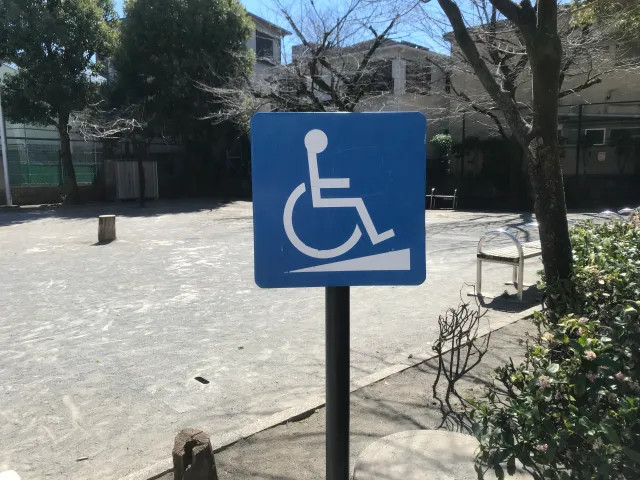
No doubt those in wheelchairs are not the only ones troubled by this. Anyone with mobility issues and parents with strollers likely find these hurdles similarly challenging.
This experiment proved eye-opening for Mariko, though it barely scratched the surface of the difficulties people with such issues face. Japan has been making strides in accessibility recently with discounted taxi fares for seniors and those with disabilities, the installation of inclined elevators, and screens displaying station noises for the hearing impaired.
But clearly, there’s still a long, long way to go. Mariko hopes to continue trying to stand in the shoes of other people, if only to help her understand their perspective and struggles, just a little bit.
Images © SoraNews24
● Want to hear about SoraNews24’s latest articles as soon as they’re published? Follow us on Facebook and Twitter!
[ Read in Japanese ]
 End-of-the-line exploring in Japan: Visiting Hashimoto Station
 These are Tokyo train lines people most want to live along【Survey】
 Tokyo’s busiest train line to be partially shut down this weekend as part of Shibuya renovations
 End-of-the-Line Exploring in Japan: Tokyo’s Mita Line can give you all the nothing you want【Pics】
 One of Tokyo’s busiest subway lines is adding women-only cars
 Foreign man arrested for walking on Shinkansen tracks, claims he was on the run from yakuza
 Family Mart unveils new Japanese bread that elevates convenience store food to mocchiri levels
 Does a long line mean a sweeter deal? We compare two sweets from a Hokkaido food fair【Taste test】
 Pokémon and Ikea Japan cross over into each other’s worlds with collaboration events
 7-Eleven Japan’s new baked-in-store sweet treat is only available in three parts of the country
 Japan reportedly adding Japanese language skill requirement to most common foreigner work visa
 Universal Studios’ Sailor Moon theme park attraction is finally coming to America
 We eat 13 of the most highly recommended sushi items at Sushiro and pick the best of the best
 Cans of 7-Up discontinued in Japan, production quietly stopped last January
 Say hello to Japan’s new generation of adults, fresh from Kitakyushu’s 2023 seijinshiki ceremony
 Starbucks Japan closing only Shinkansen platform branch for popularity-triggered renovations
 Two food hacks take Japan’s convenience store fried chicken to amazing new sandwich heights
 You can assemble a well-balanced team of Pokémon, them eat them, thanks to Japanese cake chain
 Tokyo turns its phone booths into free Wi-Fi hotspots, and here’s how to use them
 Fading Tokyo – Searching for signs of the Showa era as local neighborhoods evolve[Photos]
 Tokyo teahouse serves up a sakura matcha dessert you won’t find anywhere else
 Man bites woman at cherry blossom park in Japan, dies shortly after
 Japan now has a special desk for people who work at home with a pet cat[Photos]
 Famous Tokyo cherry blossom spot installs view-blocking screens to fight overcrowding[Video]
 Uniqlo announces new T-shirts for One Piece, Naruto and more for manga publisher’s 100th birthday
 Train station platform ramen store closes its doors on half a century of history in Tokyo
 Starbucks Japan releases new My Fruit³ Frappuccino at only 34 stores around the country
 Studio Ghibli releases Catbus pullback keychain that runs like the anime character
 Krispy Kreme releases Super Mario doughnuts in Japan for a limited time
 Japanese onsen egg maker from 100-yen store Daiso needs to be on your shopping list
 Survey asks foreign tourists what bothered them in Japan, more than half gave same answer
 Japan’s human washing machines will go on sale to general public, demos to be held in Tokyo
 Starbucks Japan releases new drinkware and goods for Valentine’s Day
 We deeply regret going into this tunnel on our walk in the mountains of Japan
 Starbucks Japan releases new sakura goods and drinkware for cherry blossom season 2026
 Studio Ghibli releases Kodama forest spirits from Princess Mononoke to light up your home
 Japan’s newest Shinkansen has no seats…or passengers [Video]
 Major Japanese hotel chain says reservations via overseas booking sites may not be valid
 Put sesame oil in your coffee? Japanese maker says it’s the best way to start your day【Taste test】
 No more using real katana for tourism activities, Japan’s National Police Agency says
 Four things our new-mother reporter felt riding the Tokyo subway with her baby
 Mobile battery fire breaks out on Tokyo’s main commuter line
 What it’s like to live in Tokyo’s least safe neighbourhood
 What are Tokyo trains at rush hour really like? Check out our eyewitness account!【Video】
 “Men-only train car” to run in Tokyo as part of “Weak Men’s” association awareness campaign
 Station of despair: What to do if you get stuck at the end of Tokyo’s Chuo Rapid Line