
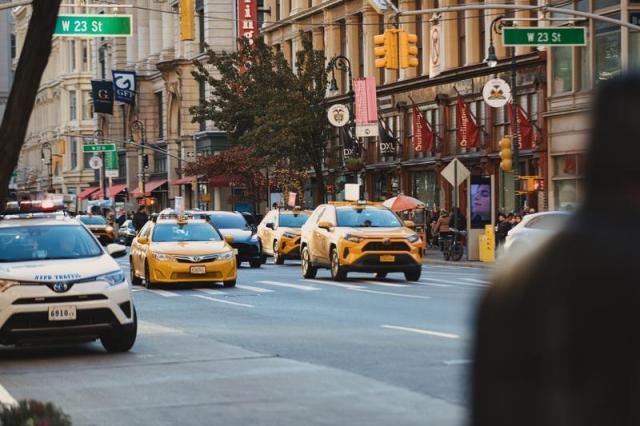
But will consumers here buy American-made Japanese cars?
It’s been a while since US President Donald Trump slapped most countries in the world with increased tariffs in the hope of balancing out his country’s various trade deficits. And since he just as quickly put a pause on the hugely disruptive taxes, countries have been trying to negotiate with the administration and reduce the pain that these large levies might inflict.
One major point of contention in the Japan-US negotiations has been the massive imbalance in car sales between the second and third biggest car-making countries in the world. Toyota alone sold over 2.3 million cars in the US last year, and around a quarter of those were imported from Japan. Conversely, the number of GM cars sold in Japan is so low I can’t even find reliable numbers about it, but the estimates I saw seem to hover around 1,000 or so per year.
While it’s fair to say there is a huge imbalance in the two car markets, it’s not the result of any specific policy keeping American cars out. Although there had been obstacles set up by the Japanese government in the past, the current situation is that they’re just not popular here, mainly because they’re too big. I’ll occasionally see an American truck on the streets of Osaka, and it usually looks comically oversized as it navigates the narrow streets here.
They could work well in the more rural areas, but the population there is small and rapidly getting smaller. American automakers seem to realize all this and don’t put much effort into the Japanese market, aside from Tesla perhaps.
▼ The only GM Japan social media account hasn’t posted in 10 years.
【ニュース】 標準的安全技術を自ら採用するため、米国NHTSA(国家道路交通安全局)や米国IIHS(米国道路安全保険協会)の要求に対する声明文 http://t.co/tk7pyo2iWZ
— GMJAPAN (@gmapj) September 17, 2015
Still, the situation is enough to make the American side demand that something be done. However, since nothing is actively being done to prevent American car sales in Japan, it’s a difficult thing to rectify. So, Minister in Charge of Economic Revitalization of Japan Ryosei Akazawa proposed a “reverse import” (gyaku yunyu) plan at the most recent negotiation.
This means that Japanese automakers would build cars for the Japanese market — right-handed steering wheel and all — in American factories, and then ship them over to Japan. It’s a hugely roundabout way to sell Japanese cars in Japan, but apparently more favorable than the 25 percent tariff dangling over the heads of Japanese companies.
This also isn’t the first time such a scheme was implemented. Back in the late ’80s and early ’90s, at the height of Japan’s bubble economy, the US’s trade deficit with them ballooned to around US$60 billion. Back then, the US government was pressuring Japan to buy American level the playing field for cars by threatening tariffs, much like today, and a reverse import plan was put into action as a show of good faith from the Japanese side.
Honda shipped in Accord Coupes from the US, as did Toyota with their Camry wagons. The cars didn’t sell all that well, mainly because Japanese consumers didn’t trust American manufacturing as much as Japanese. Some of the Accords had novelty appeal because they were shipped with left-side steering, but overall, the scheme didn’t put a dent in the deficit, and it just fizzled out as the bubble burst and Japan’s economy sank into decades of malaise.
I suppose the potential success of this current offer would depend on whether the Trump administration remembers all this history or not. Meanwhile, readers of the news in Japan seemed to think it was a terrible idea for a variety of reasons in online comments.
“Won’t they be ridiculously expensive? No one’s going to buy them.”
“They’ll be made at a higher labor cost and then shipped long distances before selling in Japan…”
“Won’t this hurt the Japanese car and steel factory workers instead?”
“I’m assuming all the government cars will be Chevys after this.”
“The Camry is back, baby!”
“Just build more [Japanese cars at] factories in America instead of exporting them. Don’t burden us with this crap.”
“Don’t the American companies build in places like Canada and Mexico? Why are we the problem?”
It’s not sounding like reverse importing cars is a wildly popular plan at this point, with the people here at least. We’ll have to wait and see if it helps to reach a settlement in the remaining weeks of this tariff pause.
Source: Mainichi Shiimbun, Itai News, Road & Track, LA Times
Feature image: Pakutaso
● Want to hear about SoraNews24’s latest articles as soon as they’re published? Follow us on Facebook and Twitter!
 Japan’s post office refuses to ship certain packages and gifts to America due to tariffs
 Exhibit of globally popular ’80s and ’90s Japanese cars comes to Toyota Automobile Museum
 Daihatsune Miku? Virtual idol cruises real roads in her cool collab car design from Daihatsu
 Sports car engine-revving plushies, recorded from real Honda, on the way for Japanese babies【Vid】
 Japanese hotel offering sports car touge tours, no Japanese-language ability required
 Japan reportedly adding Japanese language skill requirement to most common foreigner work visa
 Peanuts and Coke becomes a viral hit in Japan, but is it a trend worth joining?
 Man bites woman at cherry blossom park in Japan, dies shortly after
 New 7-Eleven sandwich goes viral in Japan, but is it everything it’s cracked up to be?
 How to take your home ramen to the next level by making your own chashu pork in a frying pan
 Huge life-size Eevee Eeveelution Pokémon plushies will steal hearts, conquer living rooms【Photos】
 Step back in time to the Edo period at this unusual highway rest stop in Japan
 Start saving room now – Japanese grocery store’s biggest sushi roll yet is coming for Setsubun
 Japan’s new difficult-to-drink-from beer glass protects your liver, but it’s a brutal experience
 What exactly is the treat known as a “kougnané” that’s sold outside Tokyo’s Yurakucho Station?
 Pokémon and Ikea Japan cross over into each other’s worlds with collaboration events
 Starbucks Japan closing only Shinkansen platform branch for popularity-triggered renovations
 Two food hacks take Japan’s convenience store fried chicken to amazing new sandwich heights
 You can assemble a well-balanced team of Pokémon, them eat them, thanks to Japanese cake chain
 Fading Tokyo – Searching for signs of the Showa era as local neighborhoods evolve[Photos]
 Pokémon lacquerware series expands for Year of the Horse with new handcrafted design[Video]
 Tokyo turns its phone booths into free Wi-Fi hotspots, and here’s how to use them
 Tokyo teahouse serves up a sakura matcha dessert you won’t find anywhere else
 Totoro Fund line of beautiful artwork and apparel lets you help the real-world Totoro Forest
 Japan now has a special desk for people who work at home with a pet cat[Photos]
 Famous Tokyo cherry blossom spot installs view-blocking screens to fight overcrowding[Video]
 Uniqlo announces new T-shirts for One Piece, Naruto and more for manga publisher’s 100th birthday
 Train station platform ramen store closes its doors on half a century of history in Tokyo
 Starbucks Japan releases new My Fruit³ Frappuccino at only 34 stores around the country
 Studio Ghibli releases Catbus pullback keychain that runs like the anime character
 Krispy Kreme releases Super Mario doughnuts in Japan for a limited time
 Japanese onsen egg maker from 100-yen store Daiso needs to be on your shopping list
 Survey asks foreign tourists what bothered them in Japan, more than half gave same answer
 Japan’s human washing machines will go on sale to general public, demos to be held in Tokyo
 Starbucks Japan releases new drinkware and goods for Valentine’s Day
 We deeply regret going into this tunnel on our walk in the mountains of Japan
 Studio Ghibli releases Kodama forest spirits from Princess Mononoke to light up your home
 Starbucks Japan releases new sakura goods and drinkware for cherry blossom season 2026
 Japan’s newest Shinkansen has no seats…or passengers [Video]
 Major Japanese hotel chain says reservations via overseas booking sites may not be valid
 Put sesame oil in your coffee? Japanese maker says it’s the best way to start your day【Taste test】
 No more using real katana for tourism activities, Japan’s National Police Agency says
 Japanese Companies Expected to Still Be Around in 50 Years: No. 3 Japan Rail, No. 2 Honda, and No. 1…
 Beautiful models and cool cars from the Japan Mobility Show【Photos】
 Lexus creates $1,350 luxury randoseru Japanese backpack with material from its iconic sports car