
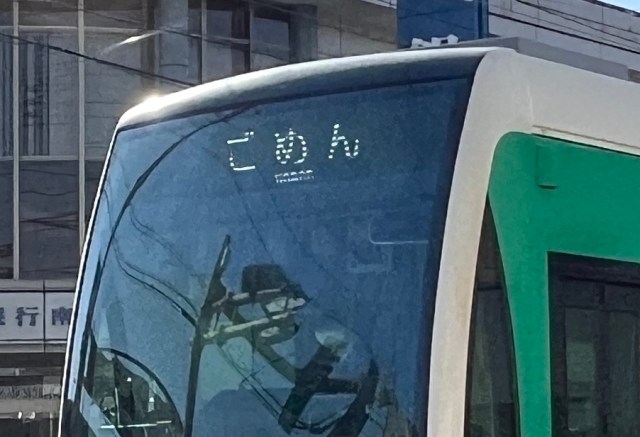
Gomen means sorry in Japanese, but in this town you’ll see it written on the streetcar destination displays.
You’ll encounter a lot of fascinating sights while travelling around Japan, and the further you go, the more unusual those sights can be. That’s what happened when we ventured down to Kochi Prefecture on the island of Shikoku recently, and while walking around a town called Obiyacho, we spotted a tram that stopped us in our tracks, literally and figuratively.
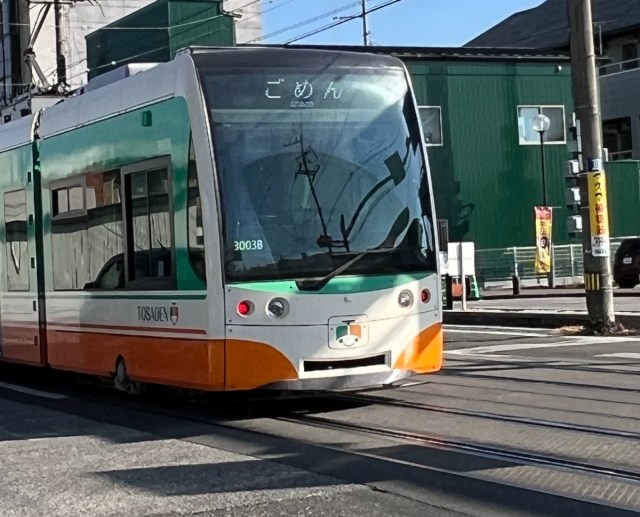
If you can read Japanese, the photo above may have given you the same reaction, because there on the destination display was the word “ごめん” (“Gomen“), which means “Sorry“.
The word instantly gave the tram an innate cuteness, making it seem as if it were apologising to everyone as it made its way through the town. Our curiosity piqued, we ran a quick search to find out more about it, where it was revealed that the tram was actually headed in the direction of “Gomen“, which, as it turns out, is a station in the nearby city of Nankoku.
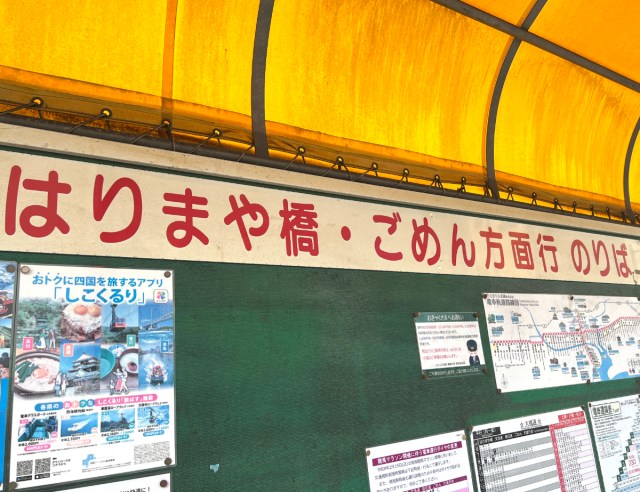
▼ So we headed over to the nearest “ごめん方面行のりば” (“Gomen-bound Stop”)
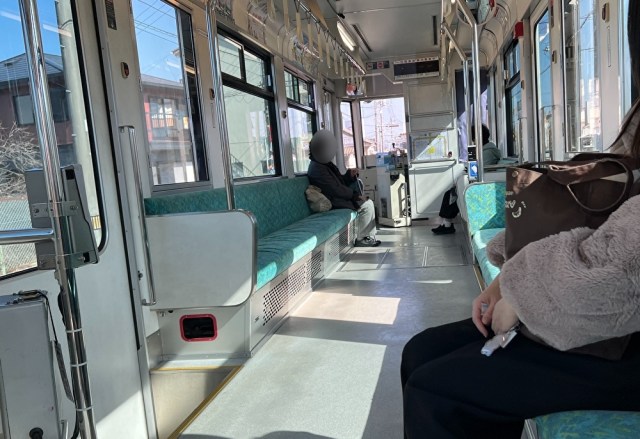
Excited to find out more about the station called “Gomen”, we hopped on board when the tram arrived and enjoyed gazing at the pleasant scenery through the windows during the 30-minute trip.
There are a few “Gomen” stops before the final terminus, namely Gomennishimachi (Gomen West Town), Gomen Nakamachi (Gomen Central Town), and Gomen Higashimachi (Gomen East Town). The last stop is Gomenmachi Station (Gomen Town Station), which is there to greet you when you hop off the tram, with its attention-grabbing elevated track and platform.
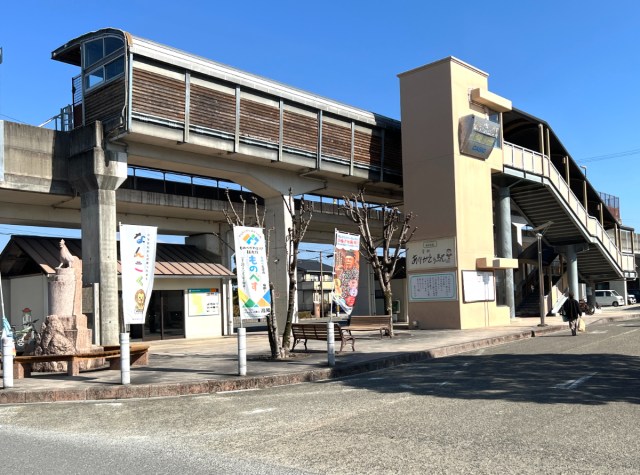
Gleefully approaching the station, which serves the Tosa Kuroshio Railway, we discovered another surprise…
▼ …a huge sign that read “ありがとう駅” (“Thank You Station“).
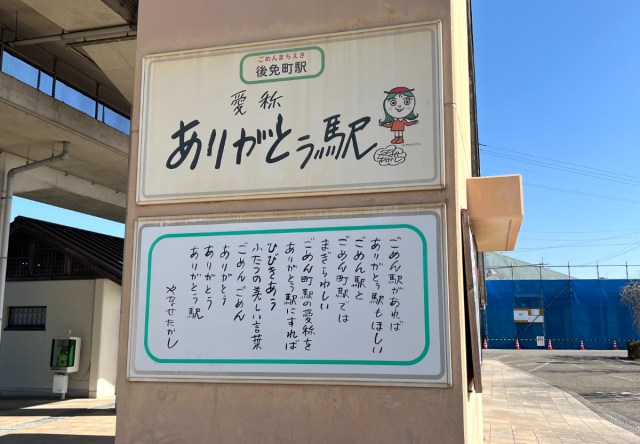
With apologies and thanks directed at us all at once, we weren’t sure what to feel in this given moment, but after reading the details of the sign, we were overcome with one emotion: affection.
In addition to Gomenmachi Station, there’s another station in the vicinity called Gomen, which can cause a bit of confusion for visitors. This sign touches on that aspect in a warm and humorous way, with the message:
“If there’s a Gomen Station we’d also want an Arigatou Station.
Gomen Station and Gomenmachi Station are confusing.
If we renamed Gomenmachi Station to Arigatou Station, they would resonate with each other.
Two beautiful words: Gomen gomen, arigatou arigatou
Arigatou Station.” – Takashi Yanase
The message has a poetic beauty to it, with the words “Gomen” and “Arigatou” taking on different meanings – place names or common parlance – depending on how it’s read. The ending blurs the lines between the readings even further, and can be read as “Sorry Gomen (Station)” and “Thank you Arigatou Station”.
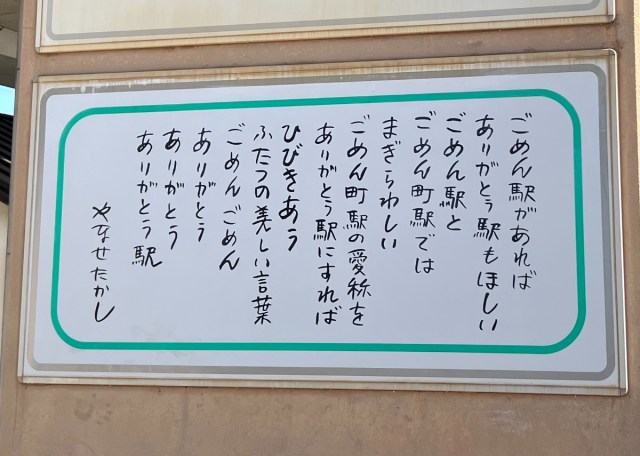
Making the message even more moving is the fact that it’s credited to Japanese manga artist Takashi Yanase, who created the hugely popular animated series Anpanman. Yanase (1919-2013), who was held in such high esteem that he was chairman of the Japan Cartoonists Association from 2000 to 2012, was born and bred in Kochi Prefecture, and judging by this statement at the station, he had a fond affection for the station and the wordplay surrounding it.
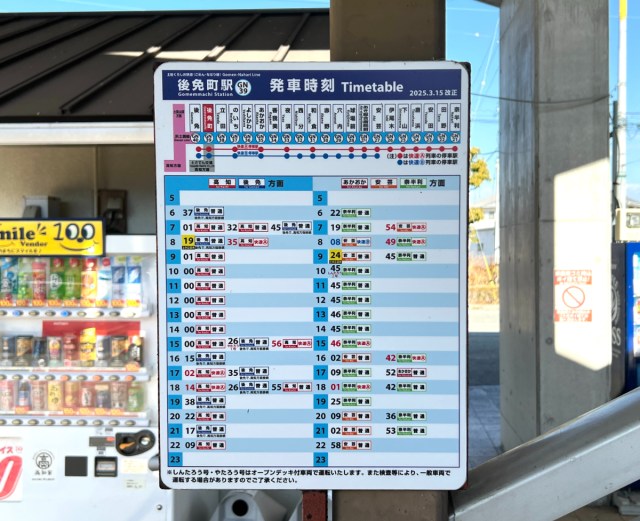
▼ Gomenmachi Station has nothing to be sorry for, unless you’re a city slicker who’s used to convenience, as there’s only around one train in each direction every hour.
City folk looking for a picturesque idyll, however, will definitely find it at Gomenmachi, where you can see vast blue skies above the quiet residential area from the platform.
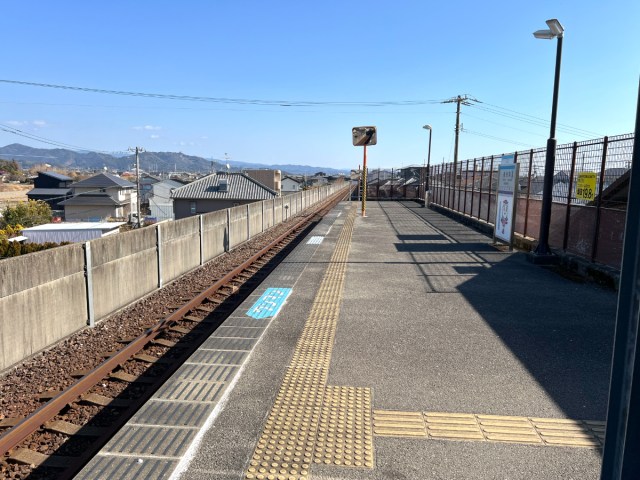
Rather than being ashamed of the station name, it’s lovingly embraced by locals and all who stop by, with “Gomen” branded souvenirs sold at the nearby Lawson convenience store. Bringing back small regional souvenirs after a trip is common courtesy according to Japanese workplace etiquette, but if you were to give “Gomen” souvenirs to your colleagues, they’d likely wonder what you were apologising for.
▼ A wooden Gomen coaster, made from Kochi-sourced hinoki cypress, to remember your time at the unusual stop.
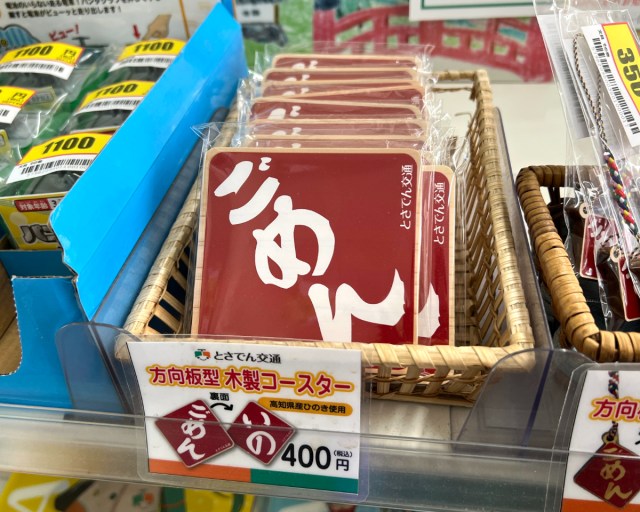
A lot of Japanese people haven’t even heard of Gomenmachi or Gomen, so these souvenirs are a great way to promote the tiny region, and the novelty will definitely bring a smile to your co-workers’ faces.
▼ Gomenmachi is happy to also go by the name “Arigatou Station”.
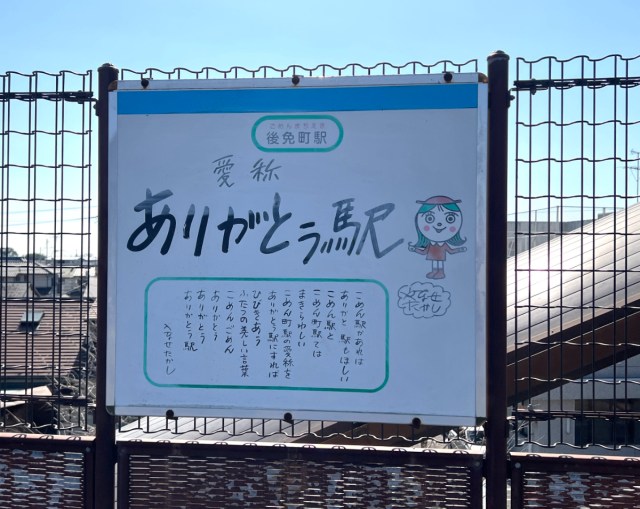
Once you’ve explored the so-called Thank You Station you’ll want to head over to Sorry Station, which is about a seven-minute walk from the Gomennishimachi tram stop.
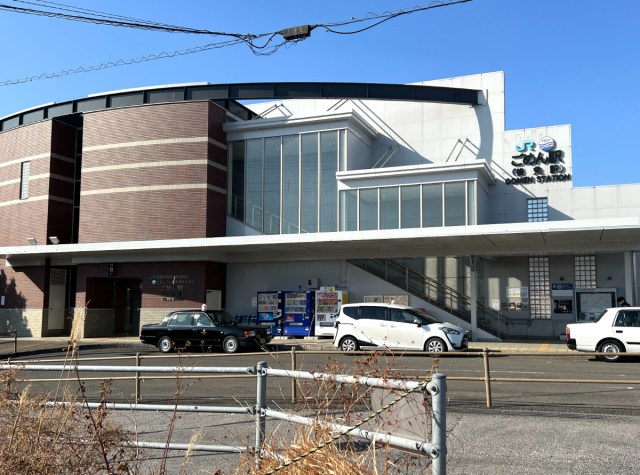
▼ This is a relatively large station served by Japan Rail (JR) Shikoku and the Tosa Kuroshio Railway.
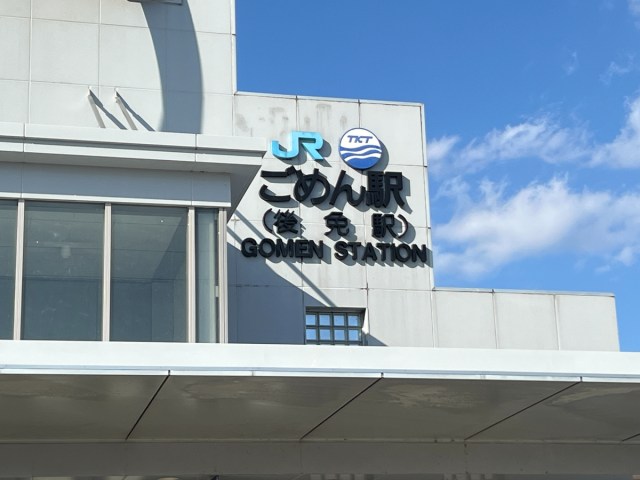
Adding to the charm of the station is the way that hiragana is used prominently for the name. As the word “sorry” is commonly written in hiragana, as “ごめん”, the eye instantly reads the name as “Sorry Station“. With the trams also displaying the word “ごめん” on their destination markers, this sentiment extends to them too, making it seem as if the trams are saying “sorry” as well.
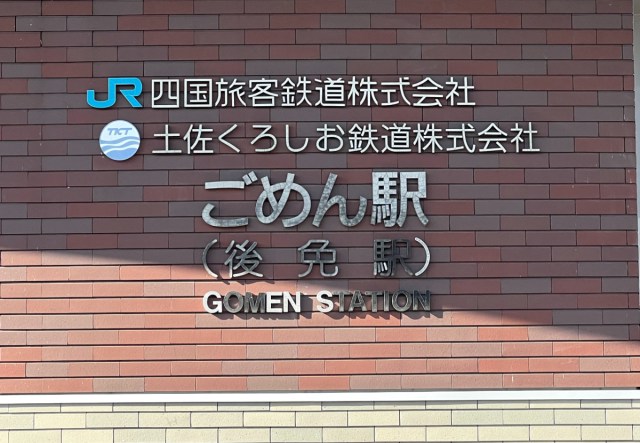
In smaller font on the station building, you’ll find the kanji for “Gomen” written as “後免“. This kanji, an unusual one for even Japanese to understand, has its roots in “shoyaku gomen” (“tax-exempt land”), where “gomen” was written as “御免” (“honourable exemption”), referring to land that was exempt from tax when new rice fields were developed in the Edo Period (1603-1868). Although the first kanji was changed around 1889 for the grand opening of the station, it is still read as “go”, so the pronunciation of the name remains unchanged.
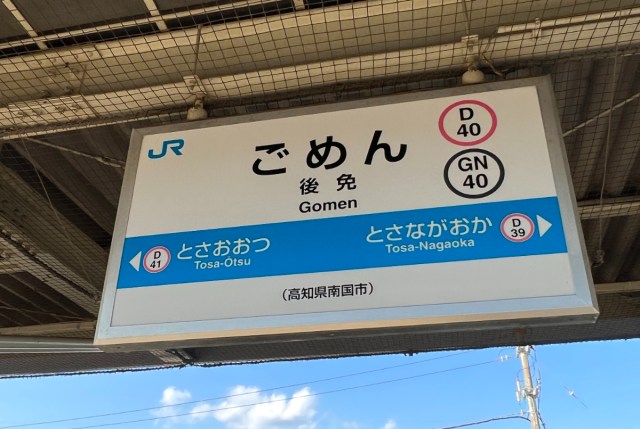
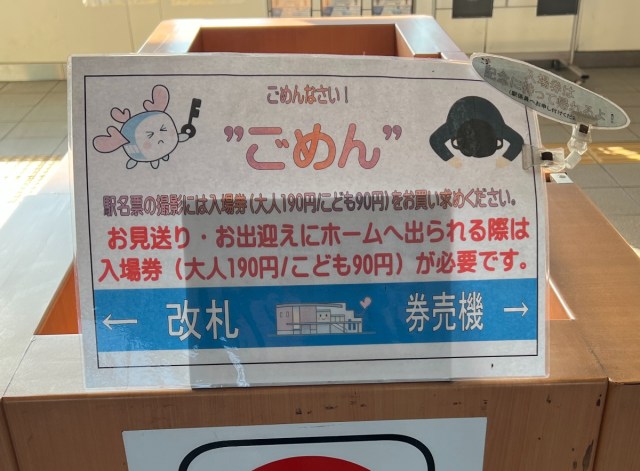
The much easier to read “ごめん” remains prominent throughout the station building, both at the station platform and even at the ticket gates, where a sign leans into the “gomen nasai” (“ごめんなさい” [“sorry”]) connotation.
The sign, with an image of a person prostrating themselves on the top right, apologises for the fact that anyone wanting to pick up or see passengers off on the station platform will have to purchase an admission ticket, priced at 190 yen (US$1.24) for adults or 90 yen for children.
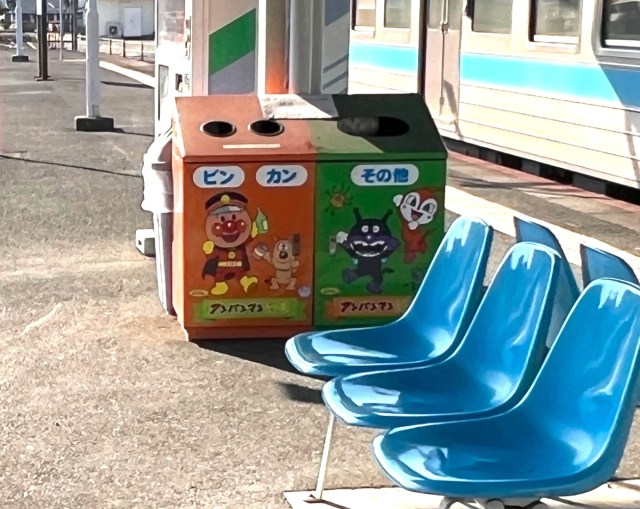
There are nods to Yanase here too, with red-cheeked Anpanman and other characters from the cast appearing on garbage and recycling bins on the platform.
So next time you’re looking for a unique area to enjoy Japan without the crowds, Gomen Station and Gomenmachi Station are ready to say sorry and thank you to you at the same time. If Kochi is too far for your travels, though, you can always find cute trams that’ll bring you joy on the streets of Tokyo and Kyoto.
Related: Nankoku City Tourism Association
Photos©SoraNews24
● Want to hear about SoraNews24’s latest articles as soon as they’re published? Follow us on Facebook and Twitter!
[ Read in Japanese ]
 Famous Tokyo cherry blossom spot installs view-blocking screens to fight overcrowding[Video]
 Rumors say this is Japan’s very best McDonald’s branch, but what makes it special?[Taste test]
 Uniqlo announces new T-shirts for One Piece, Naruto and more for manga publisher’s 100th birthday
 Picturesque Tokyo park plays host to millions of flowers and soap bubbles this spring
 Japan now has a special desk for people who work at home with a pet cat[Photos]
 Famous Tokyo cherry blossom spot installs view-blocking screens to fight overcrowding[Video]
 Rumors say this is Japan’s very best McDonald’s branch, but what makes it special?[Taste test]
 Uniqlo announces new T-shirts for One Piece, Naruto and more for manga publisher’s 100th birthday
 Picturesque Tokyo park plays host to millions of flowers and soap bubbles this spring
 Japan now has a special desk for people who work at home with a pet cat[Photos]
 Studio Ghibli releases the My Neighbour Totoro tea caddy, with a magical self-closing lid
 Starbucks Japan has a secret coffee press service that not many people know about
 Japan’s favorite sandwich pockets now come with sakura filling, but how do they taste?[Taste test]
 Create a tiny Ghibli anime world on your bookshelf with new miniature papercraft art kits
 This entire Japanese meal was made with 6 kinds of bugs and some caterpillar poo
 Krispy Kreme releases Super Mario doughnuts in Japan for a limited time
 7-Eleven Japan releases a crazy new viral sandwich: Chocolate Sprinkles and Whipped Cream
 Japan now has a “for foreign tourists only” Mt. Fuji sightseeing train[Video]
 Totoro and Calcifer become little light-up lanterns for Ghibli-style excursions or at-home decor
 Starbucks Japan releases new My Fruit³ Frappuccino at only 34 stores around the country
 Starbucks Japan unveils new sakura cherry blossom collection for hanami season 2026
 Train station platform ramen store closes its doors on half a century of history in Tokyo
 Studio Ghibli releases Catbus pullback keychain that runs like the anime character
 Japanese onsen egg maker from 100-yen store Daiso needs to be on your shopping list
 Nine great places to see spring flowers in Japan, as chosen by travelers (with almost no sakura)
 Survey asks foreign tourists what bothered them in Japan, more than half gave same answer
 Japan’s human washing machines will go on sale to general public, demos to be held in Tokyo
 Starbucks Japan releases new drinkware and goods for Valentine’s Day
 We deeply regret going into this tunnel on our walk in the mountains of Japan
 Studio Ghibli releases Kodama forest spirits from Princess Mononoke to light up your home
 Starbucks Japan releases new sakura goods and drinkware for cherry blossom season 2026
 Japan’s newest Shinkansen has no seats…or passengers [Video]
 Major Japanese hotel chain says reservations via overseas booking sites may not be valid
 Put sesame oil in your coffee? Japanese maker says it’s the best way to start your day【Taste test】
 No more using real katana for tourism activities, Japan’s National Police Agency says
 Studio Ghibli releases the My Neighbour Totoro tea caddy, with a magical self-closing lid
 Starbucks Japan has a secret coffee press service that not many people know about
 Japan’s favorite sandwich pockets now come with sakura filling, but how do they taste?[Taste test]
 Create a tiny Ghibli anime world on your bookshelf with new miniature papercraft art kits
 This entire Japanese meal was made with 6 kinds of bugs and some caterpillar poo
 All-you-can-eat yakiniku in Shinjuku for less than 10 bucks!
 Japan’s first hotel with a human washing machine is now ready for you to come and bathe in it
 Cherry blossom parties allowed at Tokyo’s most popular sakura spots for first time since pandemic
 Japan now has a “for foreign tourists only” Mt. Fuji sightseeing train[Video]
 We visit the full-scale Evangelion statue in Kyoto and particularly delight in the food tie-ins
 Make a Burger King Whopper at home with new CooKING Burger @Home delivery set
 Sushi store makes waves in Japan for meal with a surprising 14-character katakana name