Lack of patience, lack of ability to get home without an ambulance.
After a relatively cool spring, the weather in Japan has begun heating up, with a few days this week even hitting early-summer temperatures for the afternoon high. However, it’s not actually summer yet, which means it’s not yet time to head to the beach, wear yukata, or climb Mt. Fuji.
Unfortunately, a foreign tourist didn’t abide by that last point, and on Sunday needed the help of emergency services to get home from the side of Japan’s tallest mountain.
At around 1 o’clock in the morning on May 3, a 23-year-old Chinese tourist set out from the fifth station of the Fujinomiya Trail, located half-way up Mt. Fuji. From there, he and two acquaintances hiked through the pre-dawn darkness, reached the summit, and began making their descent. On their way down, near the ninth station, the man sat down to rest, but lost his balance and slipped down an embankment, suffering abrasions to his right hand and left arm in the process. He was able to continue under his own power back down to the fifth station, but once there asked one of his companions to call 110, Japan’s phone number for emergency services, and have an ambulance come pick him up.
While the hiker is expected to make a full recovery, the silver lining to the incident comes ringed with a layer of frustration. Mt. Fuji is officially closed to hikers for most of the year, with an official climbing season of around two months that starts in midsummer. We’re still far enough away from this year’s Fuji trail openings that their dates haven’t even been announced yet, but for reference last year the Fujinomiya Trail opened on July 10. In recent years, there have been several cases of hikers, many of them foreign nationals, who underestimated the difficulty and potential dangers of trekking on Mt. Fuji outside the climbing season and wound up needing emergency services to come and save them. These situations have become frequent enough that there are growing calls from the public and politicians to have off-season hikers be required to pay the considerable costs involved with dispatching a rescue team because they couldn’t follow the rules.
So remember, while Mt. Fuji might look tranquilly inviting, now’s not the time to try hiking to the top, and until the trails are open, there are other ways to enjoy Japan’s most iconic mountain.
Source: Shizuoka Broadcasting System via Itai News
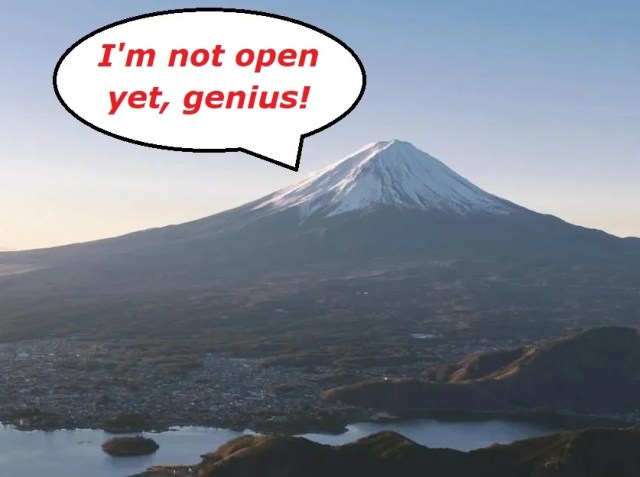
Top image: Pakutaso (edited by SoraNews24)
● Want to hear about SoraNews24’s latest articles as soon as they’re published? Follow us on Facebook and Twitter!