 Clothing stores which quickly and cheaply offer fashions based on the latest trends such as H&M and Zara have been enjoying a high level of popularity, especially in the last decade. Shops following this model known as “fast fashion” can also be found in Japan with its largest by far being Uniqlo.
Recently we ran an article speculating why Japanese companies are slow to take risks, but that’s not always the case. In the highly competitive and globalized world of fast fashion sometimes you have to make big moves. That’s just what Uniqlo did, and they moved right into Bangladesh, which has been deemed a “least developed country” by the UN.
■ Welcome to Bangladesh
While Bangladesh is considered a least developed country, it is also seen as a fast growing economy and was chosen as one of the “Next Eleven” countries to become a major economy this century by Goldman Sachs. Add to this the massive Bangladeshi population (8th largest in the world) and you have a potentially lucrative market.
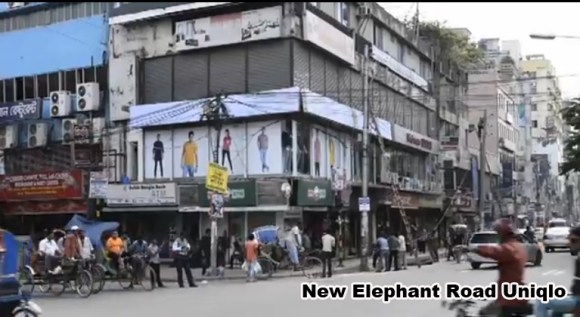
So while their competitors are busy wooing the padded wallets of developed nations, Uniqlo ventured into the uncharted consumer base of this small but crowded South Asian country.
■ Setting up shop
Uniqlo partnered up with Nobel Peace Prize recipient Garmeen Bank and sent a team of Japanese representatives to work closely with the Bangladeshi management and employees to ensure the Uniqlo experience was maintained in this distant branch. Six months of market research was conducted to select the right merchandise to offer the locals. The shop’s line of outfits drew a very positive response from respondents who liked what they saw.
Everything was looking good. Uniqlo founder, president and richest man in Japan, Tadashi Yanai, must have been optimistic with the envisioned slogan of “From Dhaka to New York” pronouncing the vast reach of his clothing retailer.
■ Opening
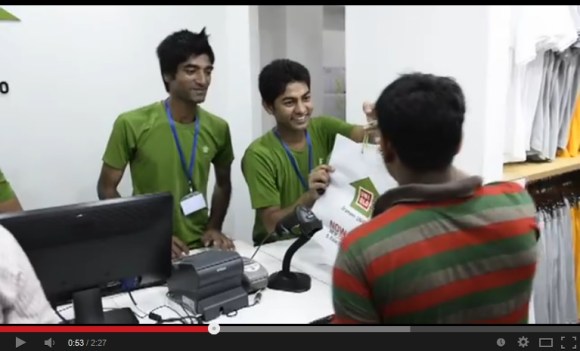
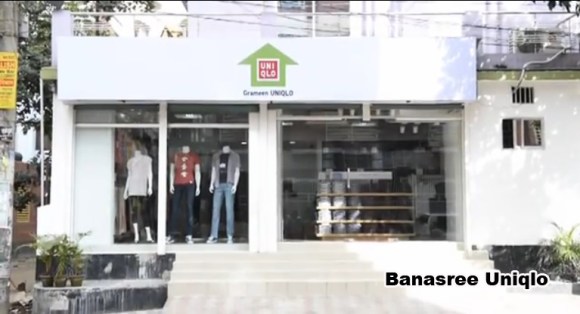
As the first Uniqlo shop was set to open its doors in the Bangladeshi capital of Dhaka, 200 people lined up in front of the store. Everything was looking good for a successful penetration of the market, and a second store was already in the works.
However, according to Kigyo Insider not too long after, sales fell into a slump. No one was buying anything and the company was starting to worry. The market research that had taken over half a year revealed that Bangladeshi women liked the look of Uniqlo’s goods, so why weren’t they buying.
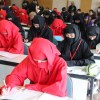
The answer, they learned, could have been assumed from a simple Google Image search of “Bangladeshi women.”
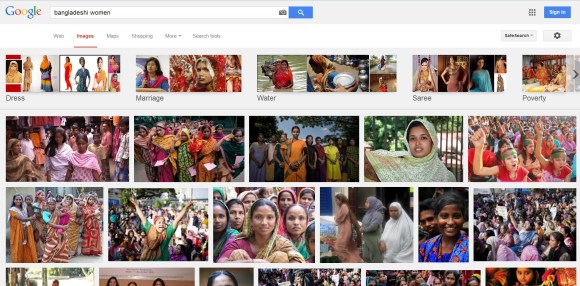
As you can probably gather from the images, women in Bangladesh pretty much only wear saris, a traditional Indian garment sorely lacking from Uniqlo’s repertoire. While they appreciated the look of the clothes, it just wasn’t something the women were actually going to wear. Follow-up research from the company revealed that sure enough, only 10 percent of women surveyed wore casual western style clothes – a substantial decrease from their initially assumed customer-base.
■ Damage Control
With new revelation at hand, Uniqlo President Yanai sternly ordered that Uniqlo start producing some saris as soon as possible. Meanwhile the Bangladeshi branches would sell saris and other regional clothing that were produced by other shops. Once the proper designs were made and production was underway, then Uniqlo could offer their own line of outfits more suited to the tastes of those around.
From the internet, criticism arose over the incident saying it was “pretty sloppy marketing by Uniqlo” and it was like “selling hair tonic to a Buddhist monk.” That last comment in particular describes the situation best. Much like the old salesman compliment of “could sell an icebox to an igloo” this could either be a complete flop or the greatest achievement of the company.
■ One Win Nine Losses
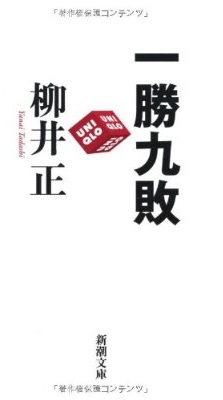 Although, Mr. Yanai is probably not happy with the current state of affairs, he’s never been one to cry over spilt milk. He’s been vocal about past mistakes chalking them up to learning experiences as can be read in his book One Win Nine Losses.
This expansion is far from over with two more stores scheduled to open in Dhaka . Even if this endeavor goes belly-up, it probably won’t be too much skin off Uniqlo’s back end. As a developing country, labor in Bangladesh is cheap and the country already has a massive amount of clothing production facilities in place. Considering these factors, there probably isn’t as much money on the line compared to other launches.
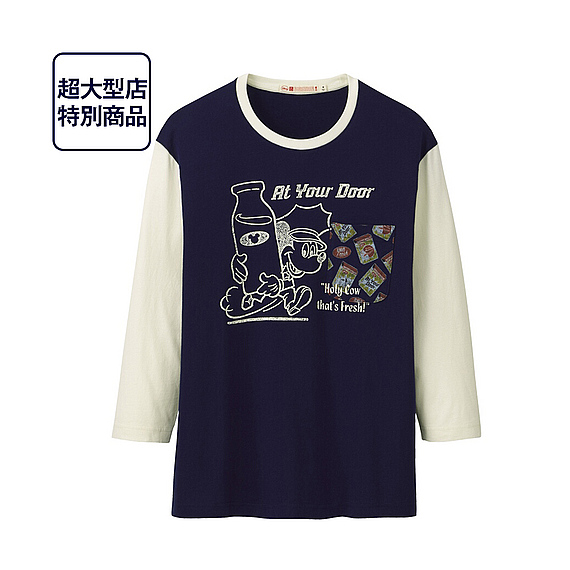
Uniqlo probably has a lot to gain and comparatively little to lose in this risk. If they succeed we may someday say great salespeople “could sell a Mickey Mouse Milkman shirt to a Bangladeshi.”
Source: Grameen Uniqlo: website, facebook (English) via Blogos – Kigyo Insider (Japanese)
Video: YouTube – UNIQLOUSA
Images: Amazon, Uniqlo
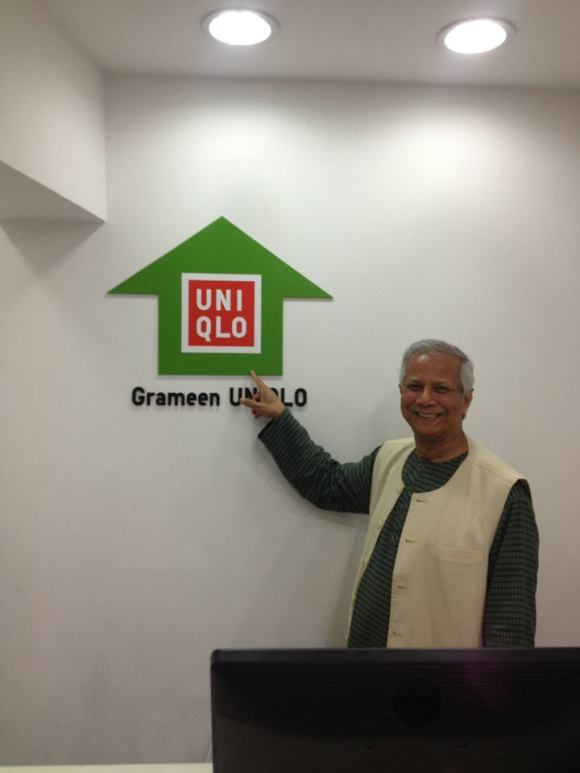
▼ Uniqlo is getting some heavy support from Nobel Peace Prize winner and founder of Grameen Bank, Muhammad Yunus for their support in charitable works in Bangladesh.
▼ A promotional video for Grameen Uniqlo