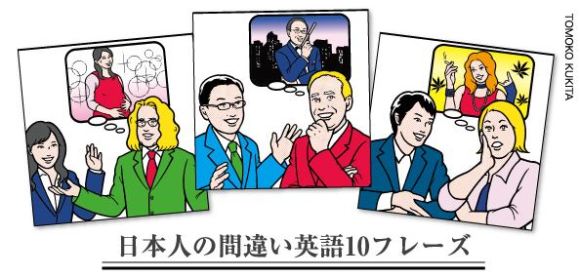
Learning a second language is never easy, especially when there are so many things like context, nuance, and cultural connotations standing in the way. The key to conquering these hurdles, though, usually lies outside the pages of a textbook, and the Japanese Government addresses this issue by employing thousands of foreigners to assist English teachers in its education system every year. So where would a foreigner start when correcting a student on the finer points of English as a second language? One of the easiest ways would be to take a look at this collection of commonly misused phrases and their simple fixes, put together by David Thayne, the head of AtoZ English.
This is your Throwback Thursday article of the week, your peek into the archives of RocketNews24 featuring articles from back when our site was just getting started. Enjoy this blast from the past!
While admittedly kind of amusing for us native speakers, Thayne’s book serves as a great guide for Japanese students of English by presenting examples of frequently uttered sentences that may surprise or shock native English speakers. Each entry follows the same pattern: First, a typical Japanese phrase is given, followed on the next line by the 「危険」(“Danger!”) tag, and the English translation of that sentence as many Japanese would say it. Below that, the offending English is translated back into often abrupt or confusing Japanese, thus allowing the speaker to realise exactly how awkward or misleading their words may sound to a native English speaker. Finally the オススメ (Recommendation) line offers a more natural-sounding English phrase that is less likely to offend or confuse the listener. It’s a simple but surprisingly effective system.
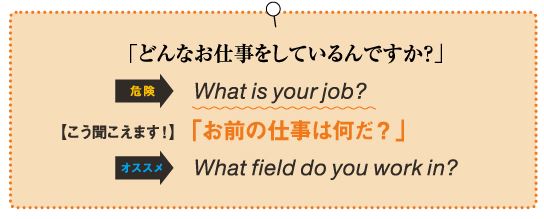
Although grammatically correct, asking “What is your job?” is considered too straight, with the much broader “What field do you work in?” preferred, as it allows for people who are temporarily unemployed to answer without feelings of embarrassment.
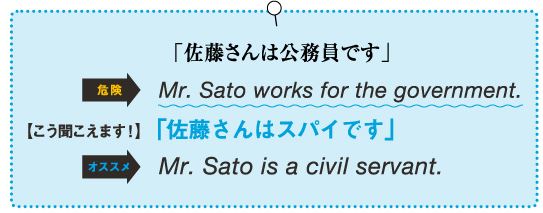
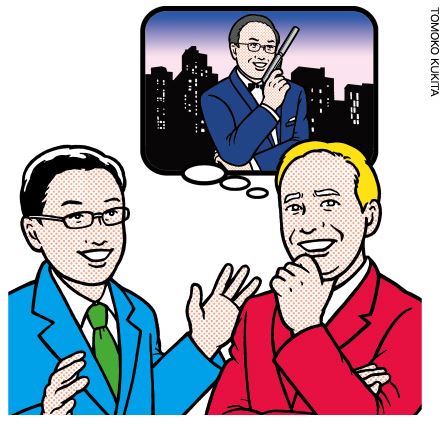
While the first sentence is quite matter-of-fact, there’s a danger that the person hearing this comment will take it to mean that Mr Sato is a spy. Much like James Bond “works for the government” rather than being a civil servant. Besides, as we all know, it’s impossible to define Mr Sato with a mere job title.
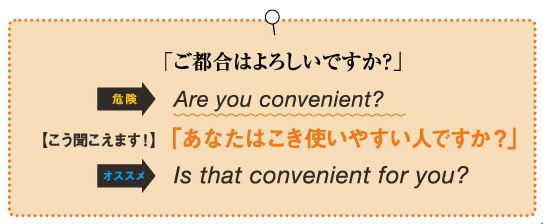
“Are you convenient?” is an understandable mistake when literally translated from the Japanese equivalent. However, having the person as the subject here changes the implication to “Are you someone I can push over and hand all my dirty work to?”.
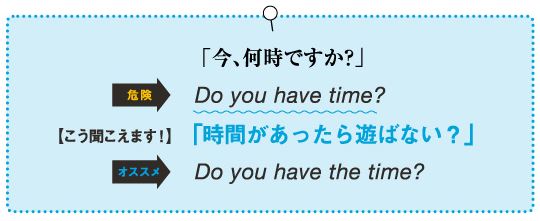
When asking for the time, Japanese usually use the phrase “What time is it now?” which is an almost direct translation of the Japanese “Ima, nanji desuka?” (lit. “Now, what time is it?”). But to sound more natural, students are encouraged to use the more common, “Do you have the time?”. The only problem is the tendency to drop “the” from the sentence, which changes the meaning entirely.
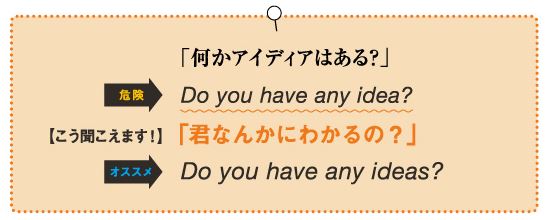
Oh the difference a single letter can make! The lack of definite plurals in the Japanese language makes this a common mistake but it’s one that could get you in trouble if said to the wrong person.
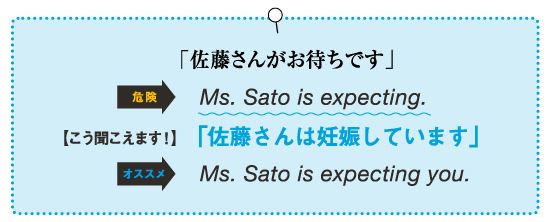
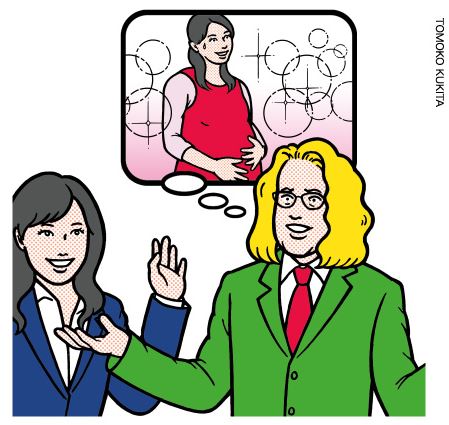
Leave off the last word and you run the chance of horrifying native speakers and earning the wrath of a non-pregnant woman…
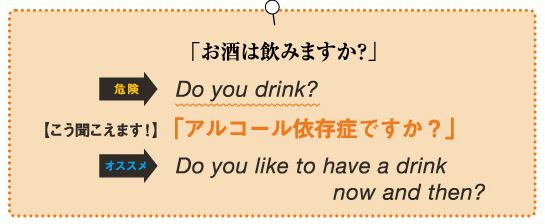
Drinking with colleagues is one of the few times Japanese people feel it’s okay to drop their guard and relax. So questions about drinking habits is often a sign they want to connect. Softening a somewhat accusatory question like “Do you drink?” is a better way to make friends.
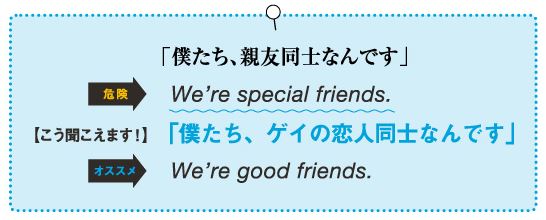
“Special” can be a sensitive word according to the context in which it’s used. While it’s a word with traditionally positive connotations, there’s a lot of risqué subtext at play when used in sentences like this, which Thayne’s book warns Japanese speakers of English to avoid. After all, in some cases a sentence such as, “We’re special friends,” may as well be followed by a nudge and an exaggerated wink in some native English speakers’ minds.
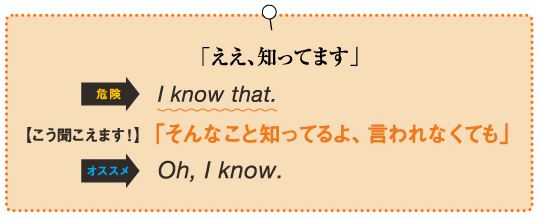
Here’s another example of a sentence that’s correct grammatically but flawed in its usage. Unless you do actually want to appear like a pompous know-it-all.
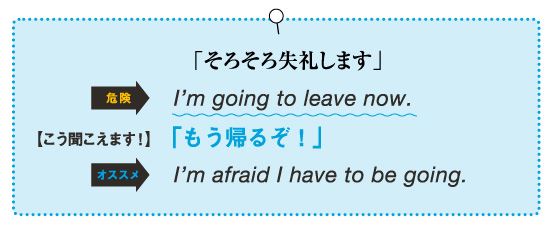
Past, present and future tenses are important topics to cover when studying, but saying “I’m going to leave now” in the real world won’t earn you many friends. Conceal your desire to leave with the more etiquette-friendly, “I’m afraid I have to be going”.
Whether you’re teaching English in Japan or giving tips to a Japanese friend, these sentences can be a good starting point for improvement. It’s also a great way to discuss cultural quirks and funny experiences. Just be sure you choose your words carefully!
Source: Courrier Japon
 Google’s English translation for short Japanese phrase hints at huge, TV-series-length backstory
 English conversation school in Japan has clever reminder that students don’t have to be perfect
 English language education in Japan: Are native speakers essential?
 “Don’t worry, he is a docile pervert” and other useful phrases in Japanese and English
 10 cringeworthy habits of English-speaking Japanese
 Shinto shrine gate parfaits that tell your fortune now being served in Tokyo
 New Transforming Business Card case brings anime mecha to Japanese work meetings
 New Japanese ice cream is Ballin, in more ways than one
 Studio Ghibli adds new finger puppets to its anime merchandise collection in Japan
 Mister Donut releases new sweet potato doughnuts in Japan, and we’ve ranked them from best to worst
 Go to hell! …at a limited time historical art exhibit coming to Osaka
 Lego PlayStation recreates Sony’s original console, makes unusual choice for games to salute
 Kyoto temple bans visitors from wearing kimono
 Uniqlo’s sister brand will be waiting with Pokémon sweaters and parkas this fall [Pics]
 New Pokémon anniversary song is 22 minutes long, features all 1,025 Pokémon species [Video]
 A real-world Pokémon Poké Ball hotel is opening in Japan at a still-secret location [Video]
 Japan’s first fall color forecast for 2026 is here!
 Tamagotchi evolves into a ring for its 30th anniversary, preorders now open
 Starbucks Japan reveals new Tsukimi Moon-Viewing drinkware and gifts for autumn 2026
 Family Mart releases Famima convenience store products nationwide, but which ones are worth buying?
 One Piece Day 2026 brings new art, music, and new cast announcements
 New Japanese convenience store rice balls taste like instant noodles [Taste test]
 12-year-old British girl who went missing in Tokyo found safe after visiting anime sites around Yokohama
 7-year-old boy left behind on Mt. Fuji by his own dad
 Japan’s final Penguin Suica train cards have already shipped, and when they’re gone, they’re gone
 Sushi Bus: Japan’s first conveyor-belt bus lets you eat sushi while sightseeing around Tokyo
 Studio Ghibli unveils new anime calendars and diary planners for 2027
 Study finds hundreds of people in Indonesia legally named after Naruto, Inuyasha, other anime stars
 Japan approves foreign resident visa renewal fee increases of up to 967 percent, starts soon
 Japan tripled its departure tax to fund tourism but is using the money on cherry blossoms and bears
 Solo travel in Japan: Hidden beer garden in Tokyo is a haven for single visitors
 Hobonichi unveils new 2027 planners, diaries and stationery with One Piece, Suica Penguin, Hello Kitty and a must-buy Mini Techo
 Japan announces sudden 400-percent increase in visa fees for foreigners entering the country
 Japan’s human washing machines will go on sale to general public, demos to be held in Tokyo
 Studio Ghibli has a new anime out, and there’s only one place in the world where you can see it
 Starbucks Japan releases new drinkware and goods for Valentine’s Day
 Starbucks Japan releases new sakura goods and drinkware for cherry blossom season 2026
 Japan’s newest Shinkansen has no seats…or passengers [Video]
 Tokyo subway installing new ticket gates that don’t accept payment through Suica or other IC cards
 Japanese ninja certification exam attracts 131 candidates from Japan and abroad
 Salomon releases Japan-exclusive Mt. Fuji hiking gear that doubles as an amazing souvenir
 Put sesame oil in your coffee? Japanese maker says it’s the best way to start your day【Taste test】
 Foreign English teachers in Japan pick their favorite Japanese-language phrases【Survey】
 The reason why Japanese students don’t pronounce English properly
 “We wasted so much time in English class” — Japanese Twitter user points out major teaching flaw
 “Same sh*t different day” – Nice Japanese people swearing in English 【Video】
 Wasei English: 20 Words of English Origin that Japanese People Often Mistake for the Real Thing
 Do you use these “Philippine English” words and phrases?
 The science behind why English speakers can’t pronounce the Japanese “fu”
 Japanese student’s “drug dealer” English gaffe confuses foreign ALT
 Japanese university English teacher fights student misbehaviour with eccentric new rulebook
 English for otaku – New book provides fans with skills to internationalize their oshikatsu
 Seven mistakes foreigners make when speaking Japanese—and how to fix them
 Six (and a half) essential resources for learning Japanese
 What’s wrong with English education in Japan? Pull up a chair…
 English learner’s dictionary you must have, my young Padawan!