
A few weeks ago we introduced you to the world of traditional Japanese woodwork, a technique that uses no nails or hardware, just precise joints, to keep furniture and even buildings together. This technique is also used to create intricate, wooden, functional artwork, known as kumiko, which is used within Japanese style-rooms to create a stunning atmosphere.
The traditional handicraft has been passed down for centuries, however, the trade is sadly dying out. In response, artisans are taking the age-old concept and applying the designs to more modern-day household items, such as chairs and lampshades. The results are nothing short of exquisite!
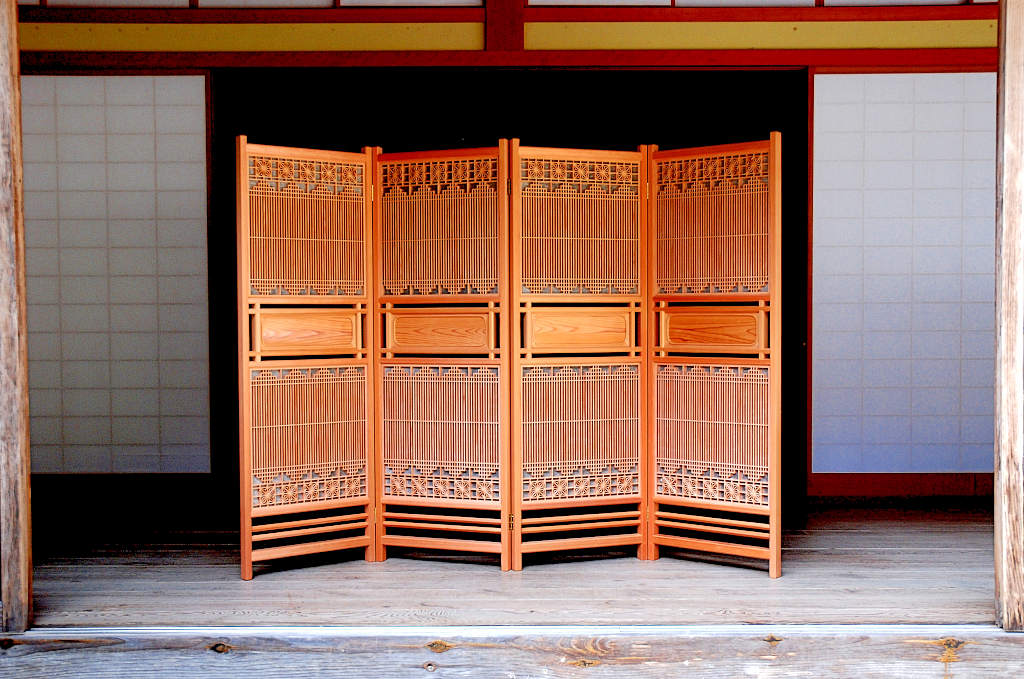
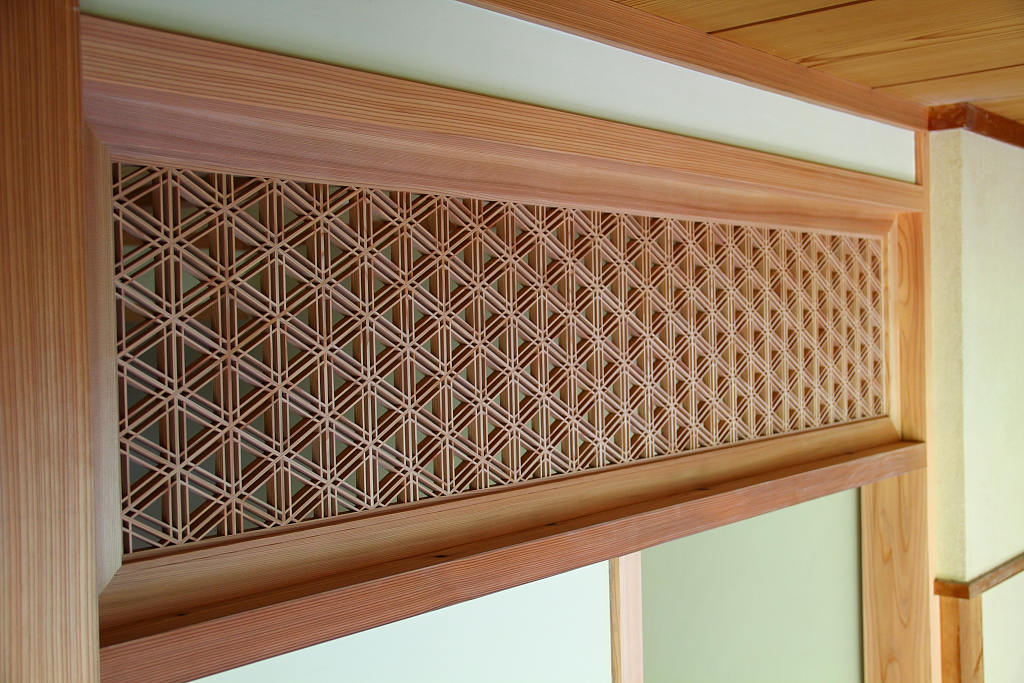
According to Tanihata Co., a kumiko workshop in Toyama Prefecture, kumiko has been around since the Asuka era (600-700 AD). The craft was originally used almost exclusively for sliding doors, room dividers and ramma (the decorative wooden piece above many doors in traditional Japanese buildings). While providers like Tanihata still make these products, modernization has brought a decrease in demand for such traditional room components, so craftsmen are broadening their horizons.
▼ Ramma, the decorative section above doors and walls
Regardless of what they are making, the time and care put into each piece never changes. If you thought making buildings and furniture in the traditional Japanese style was painstaking, prepared to be wowed.
Just like furniture-makers, kumiko artists are very particular about the wood they use. While, it’s easier to use mass-produced particle board, you lose the ability to be as precise, the elegant atmosphere of real wood, and of course, the great smell! When choosing wood, they prefer to use that of coniferous trees, namely cedar and cypress, because they grow straight and the wood has a high-quality fine grain.
▼ Kumiko is often made of wood from tall, thin, Japanese cypress trees.

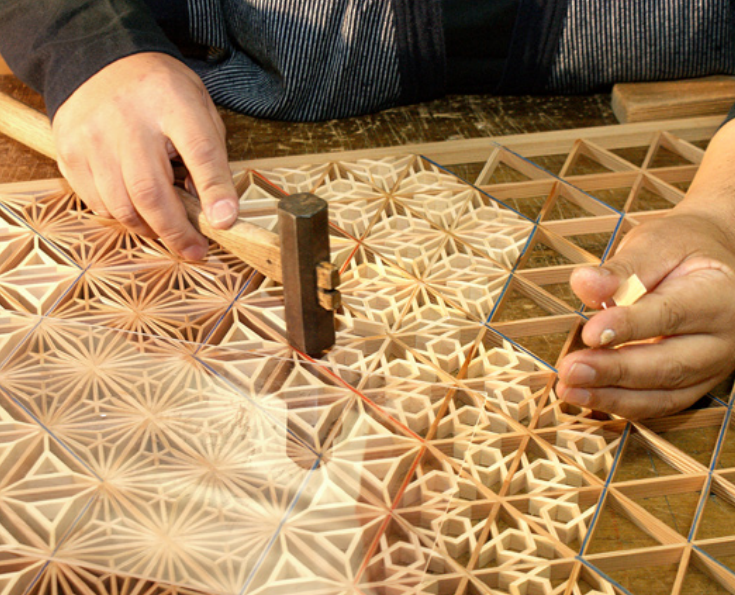
Once the wood is picked out, cut and planed, they make the frame for the piece, whether it be a coaster or a ceiling lampshade. Next comes the difficult and intricate part of the process, which makes kumiko what it is. Hundreds of small pieces of wood are thinly sliced and shaved with a variety of tools, such as old-fashioned knives and saws, plus new machinery too. These tiny pieces have to be precisely cut down to the micron (1/1000 mm) or they won’t fit together perfectly! Once cut, the pieces are carefully assembled by being slid into place in an elaborate design within the frame.
▼ A variety of machinery and hand-tools are used to make and assemble the delicate pieces.
The designs for kumiko pieces aren’t chosen randomly. In fact, many of the nearly 200 patterns used today have been around since the Edo era (1603-1868). Each design has a meaning or is mimicking a pattern in nature that is thought to be a good omen. The designs are not just pretty, they also distribute light and wind in a calming and beautiful way.
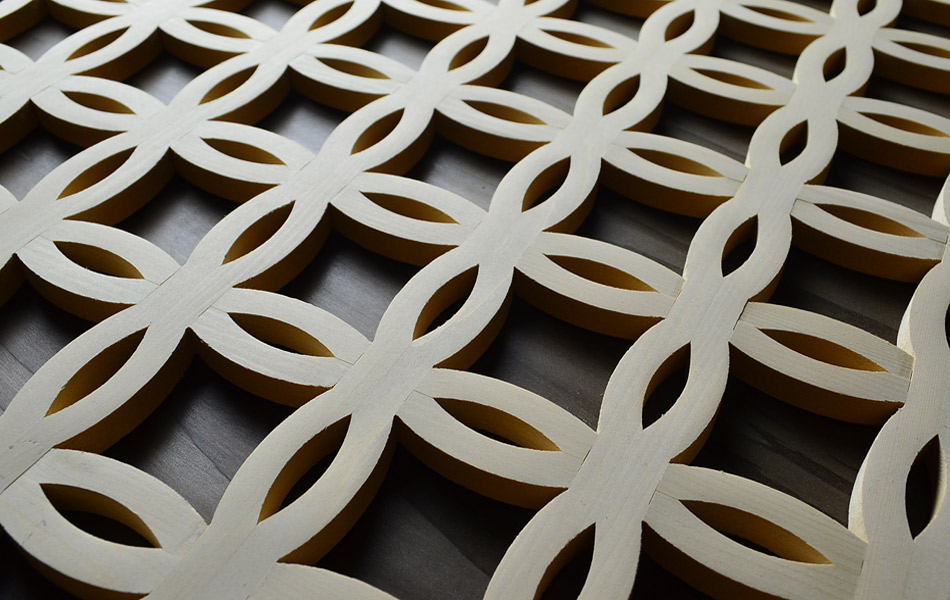
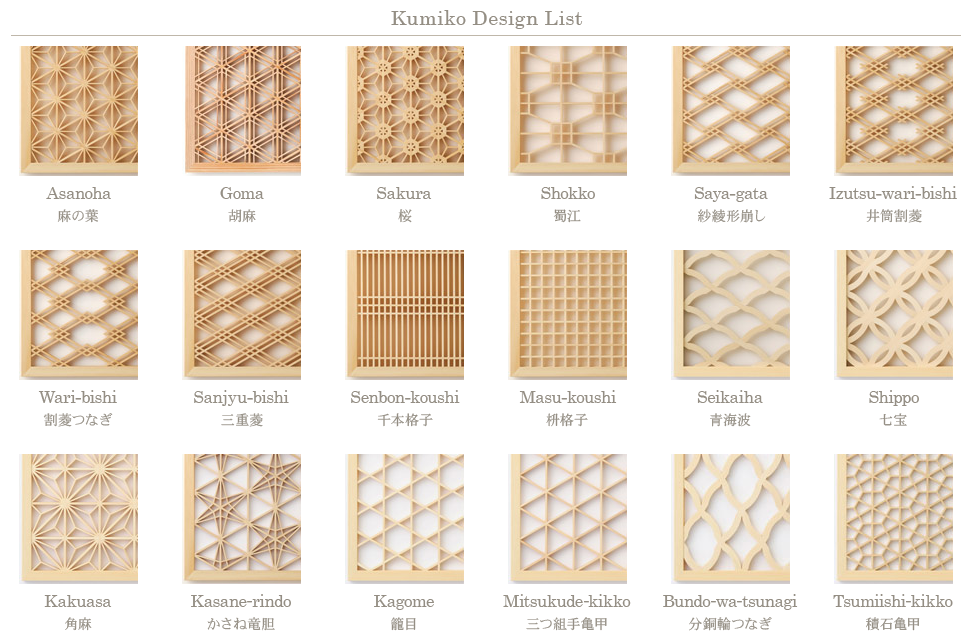
▼ The Shippou design. In Buddhist scripture, shippou refers to a set of treasures (which includes gold, silver, lapis lazuli, quartz, coral and agate), and the never-ending, circular design represents harmony.
▼ The goma design is suggestive of nutritional and abundant sesame flowers, which are thought to promote longevity. This design is often used for ramma.

▼ Sanjyu-hifu is a design that utilizes thin strips to create diamond shapes. It’s thought to mimic very fertile water plants, a good omen for prosperous offspring and good health. With this is mind, sanjyu-hifu is often used in hotels and wedding halls.
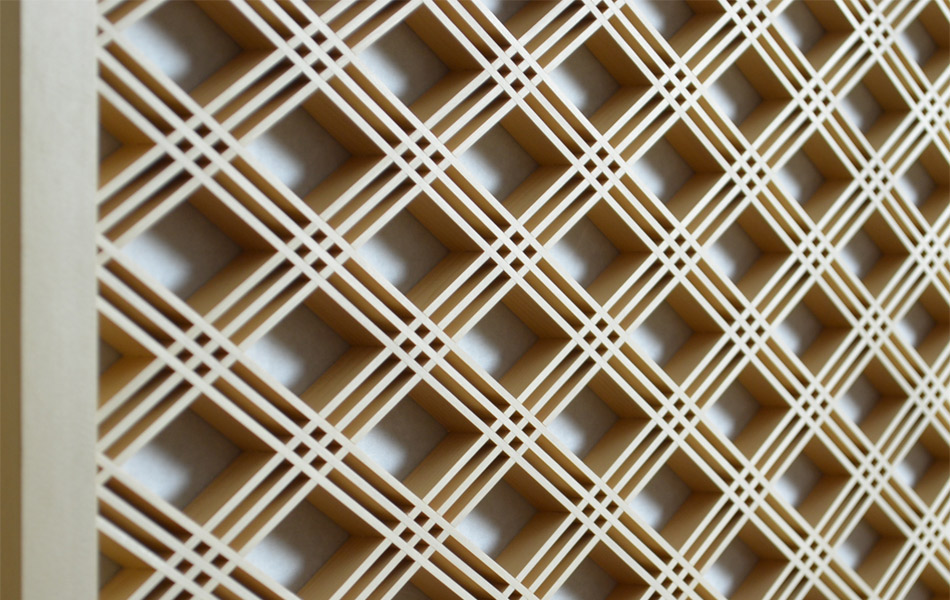
▼ The Asanoha pattern takes after the hemp leaf. Hemp plants are known for growing quickly and straight-up, as well as for being sturdy plants. For this reason, the design has come to be used commonly with baby clothes too.

▼ These are some of the more common designs.
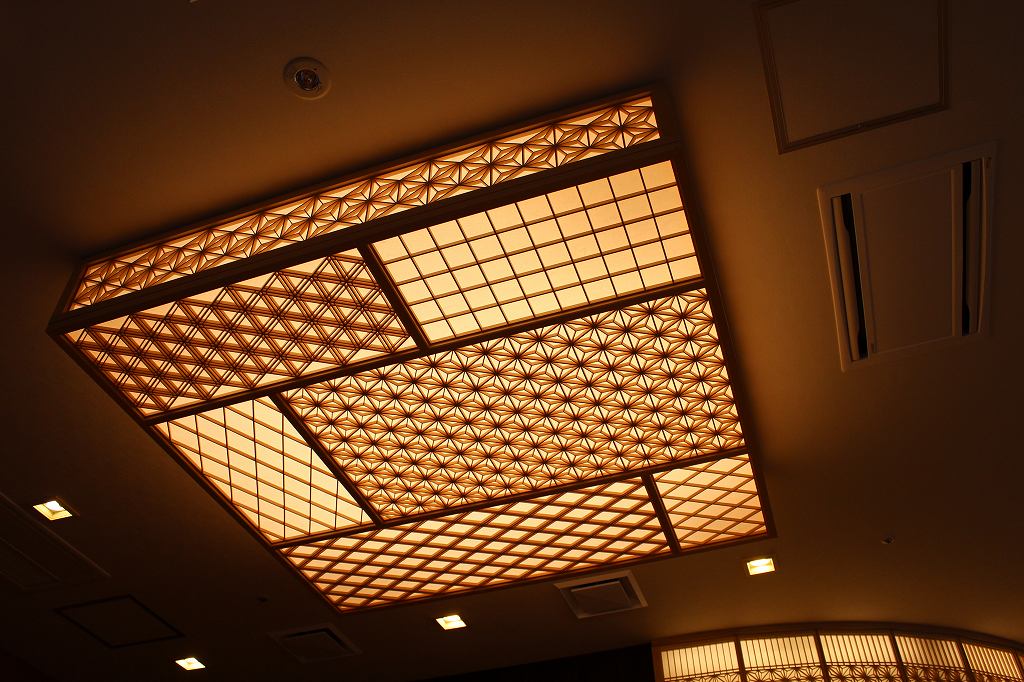
As we mentioned earlier, artisans are turning their focus to bringing their trade to the modern world, while still sticking with the traditional roots of kumiko. With this in mind, they have been creating beautiful art that can be used on a daily basis in any home.
▼ What a beautiful casing for a ceiling light.
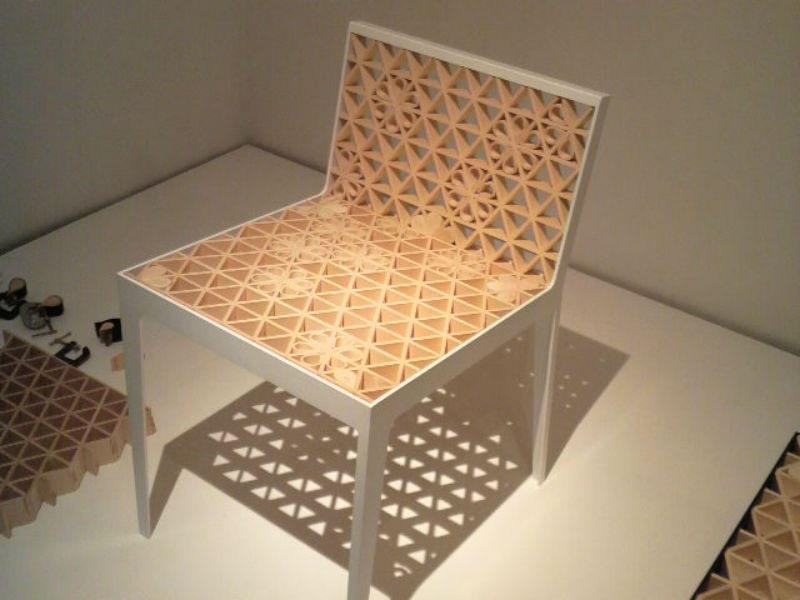
▼ You can even get kumiko chairs!
▼ This lamp makes really cool shadows!
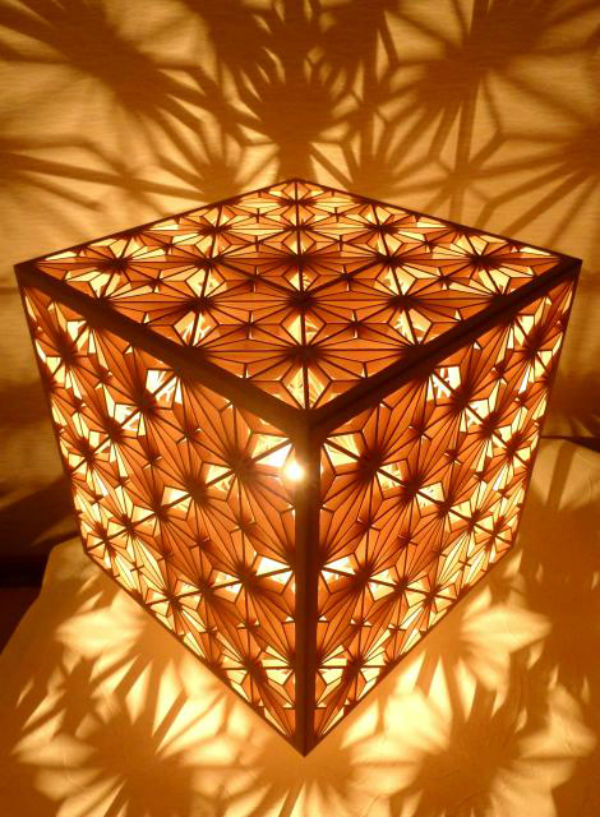
▼ It kind of has a disco-ball feel.

Due to the drop in demand for traditional Japanese interior decoration, such as ramma, the kumiko trade has also seen a decrease in the number of young craftsmen. But hopefully, with the technique being applied to modern living, more young people will step up to the challenge and carry on this intricate and beautiful craft for future generations.
Source: Naver Matome, TanihataImages: Tanihata (1, 6, 7, 8, 9); Yoshihara Woodworks (2, 3, 10); Wikimedia Commons (陳炬燵 4 ), Kinoshita Mokugei (5); Musabi (11); Interior-is (12); Y-brand (13)
 Animated GIFs of traditional Japanese woodworking joints are mesmerising to watch
 Japanese woodwork: A tradition hundreds of years old, but still as cool as ever 【Video】
 Japanese rokushigake temple architecture for your living room: The no-nail Masugumi table
 Traditional wood-carved guitars prove Japan is the most metal
 An insider’s look at how Salvador Dali’s beloved traditional Japanese-style umbrellas are made
 Krispy Kreme releases Super Mario doughnuts in Japan for a limited time
 Uniqlo announces new T-shirts for One Piece, Naruto and more for manga publisher’s 100th birthday
 Japanese kindness restores our faith in humanity after a highway bus accident in Tokyo
 Japanese politicians working to promote plastic model culture as a cultural asset
 Deer are appearing in Osaka City, may have wandered there from Nara[Video]
 7-Eleven Japan releases a crazy new viral sandwich: Chocolate Sprinkles and Whipped Cream
 We try a viral Chinese TikTok recipe for spicy ramen using Sprite soda in the broth【SoraKitchen】
 Is Sapporio’s Snow Festival awesome enough to be worth visiting even if you hate the snow? [Pics]
 The results are in! One Piece World Top 100 characters chosen in global poll
 Ghibli Museum building becomes a cuddly cushion
 Starbucks Japan releases new My Fruit³ Frappuccino at only 34 stores around the country
 Tokyo government organizes food truck event to clear out delinquent/homeless teen gathering area
 Nine amazing off-the-beaten-path cherry blossom spots in Japan for yaezakura and shidarezakura
 Japan now has a “for foreign tourists only” Mt. Fuji sightseeing train[Video]
 Stunning central Japan wisteria festival is like a purple fantasy straight out of a Ghibli movie
 Studio Ghibli releases the My Neighbour Totoro tea caddy, with a magical self-closing lid
 Japanese onsen egg maker from 100-yen store Daiso needs to be on your shopping list
 Create a tiny Ghibli anime world on your bookshelf with new miniature papercraft art kits
 Starbucks Japan unveils new sakura cherry blossom collection for hanami season 2026
 Train station platform ramen store closes its doors on half a century of history in Tokyo
 Studio Ghibli releases Catbus pullback keychain that runs like the anime character
 Nine great places to see spring flowers in Japan, as chosen by travelers (with almost no sakura)
 Starbucks Japan releases first-ever Hinamatsuri Girls’ Day Frappuccino
 Cherry blossoms begin blooming in Japan with record-early starts for sakura season
 Studio Ghibli adds new Mother’s Day gift sets to its anime collection in Japan
 Virtual idol Hatsune Miku redesigned with look that adds new elements and brings back old ones
 Survey asks foreign tourists what bothered them in Japan, more than half gave same answer
 Japan’s human washing machines will go on sale to general public, demos to be held in Tokyo
 Starbucks Japan releases new drinkware and goods for Valentine’s Day
 We deeply regret going into this tunnel on our walk in the mountains of Japan
 Studio Ghibli releases Kodama forest spirits from Princess Mononoke to light up your home
 Starbucks Japan releases new sakura goods and drinkware for cherry blossom season 2026
 Japan’s newest Shinkansen has no seats…or passengers [Video]
 Major Japanese hotel chain says reservations via overseas booking sites may not be valid
 Put sesame oil in your coffee? Japanese maker says it’s the best way to start your day【Taste test】
 No more using real katana for tourism activities, Japan’s National Police Agency says
 YouTubers come under fire for destroying traditional Japanese product in controversial video
 Chinese artisans use traditional foot-powered lathe to craft beautiful wooden bowls【Video】
 Watch this Japanese man make intricate wooden boxes in the Hakone marquetry style【Video】
 Enjoy the characters of Kuroko’s Basketball as beautiful traditional crafts from across Japan!
 Japanese carpenters demonstrate traditional wooden joints and it’s oddly satisfying 【Video】
 Demon Slayer inspires us to build an old-timey Japanese puzzle box of our own
 Japanese student creates Traditional Japan Bicycle, brings new life to centuries-old craft
 Tokyo popup shop sells Japanese indigenous Ainu-inspired tableware for limited time
 Disney collaborates with traditional Kyoto designers for exhibition series【Photos】
 Beautiful video of master Japanese doll craftsman is equal parts inspiring and relaxing
 Looking for a new hobby? Try the traditional Japanese cloth craft of tsumami zaiku
 Levi’s x Crocs collection features traditional Japanese tie dye and embroidery
 Disney meets classic Japan — see your favorite characters reborn as traditional Japanese crafts!
 Stools made from real taiko drum parts sold by 160-year-old workshop and French designer
 Complete set of bedroom, living room furniture for cats created by Japanese woodworking companies
 Traditional craftsmen create smartphone case fit for a legendary samurai warrior