Recently, with elements of the Japanese language and its culture starting to be adopted by people in countries the world over, we hear the word “emoji” being used incredibly often overseas. In fact, both the word “emoji” and the digital images themselves have become pretty much universal.
And now, those emoji that I knew from my cell phone screen here in Japan have even been turned into fashion icons!

But why emoji and not others? And why make emoji a part of your fashion ensemble? First, let’s find out a little more about where emoji come from!
“Emoji” vs. “Emoticon” vs. “Kaomoji”
The first thing that struck me, a Japanese person, was the use of the term “emoji” in countries outside of Japan. I was more familiar with the term “emoticon”, which was used more often in other parts of the world, so I was surprised to hear non-Japanese suddenly talking about “emoji”. After doing a little bit of research, it seems that the main difference between an emoticon and emoji is that former is used sideways, whereas an emoji is a small picture that expresses that emotion or thing. An emoticon is motionless and can also difficult to decode through the flow of texts, requiring the reader to tilt their head sideways to see it properly for the first time. It also seems that only a handful of emoticons are used with any great frequency, with new additions to the emoticon language relatively few and far between.
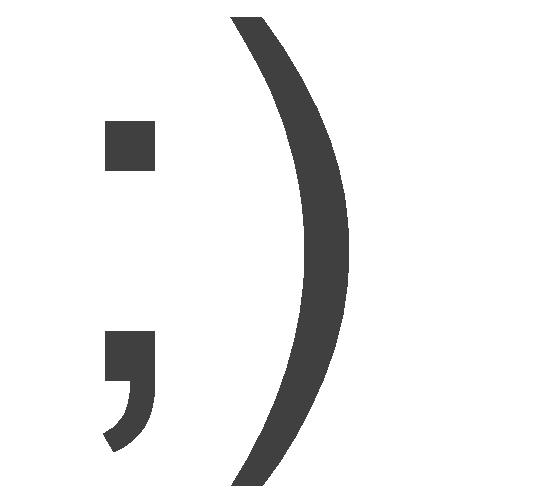
Around the same time emoticons became popular overseas, in Japan “kaomoji” (lit. “face-words”) became (and still is) a popular part of texting. The kaomoji style is like a character in parentheses complete with eyes and mouth, with the addition of extra parts like hands or feet. They first started out as simple smiley faces like (^_^), or sad, crying faces like (;_;). But with sites like 2channel and other internet social interactions, kaomoji have developed more and more with details being added through the use of symbols and punctuation marks. Here are some of the more recent kaomoji that are used online in Japan:
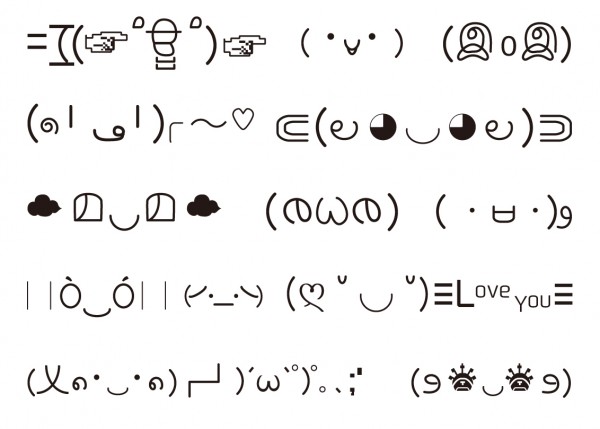 As emoticon is always placed side-on, kaomoji is faces the front.
The History of Emoji
“Emoji” (絵文字/e-mo-ji) originated as a set of basic symbols for use with Japanese mobile phone operator Docomo’s pager in 1995. Intended as a way of appealing to young people, the very first icon pager users were able to send is believed to have been a simple ‘heart’ icon. As mobile phones have rapidly popularized in Japan and more young people are using them for texting, the same emoji that featured on pagers have been passed down to cell phones. Nowadays, texting without using emoji is almost unheard of.
As smartphones starting to become popular, multinational telecommunications and Internet corporation SoftBank was the first company to introduce the iPhone to the Japanese people. But since the iPhone was very different from the mobile phones that Japanese people were used to, it was very difficult to convince the public to adopt the phone at first. SoftBank’s president, Masayoshi Son, asked Apple to incorporate Japan’s most popular emoji into the iPhone OS as a way of attracting more Japanese users. Soon enough, Apple added them in update—iOS 2.2 to be exact—and since then the phone’s popularity soared.
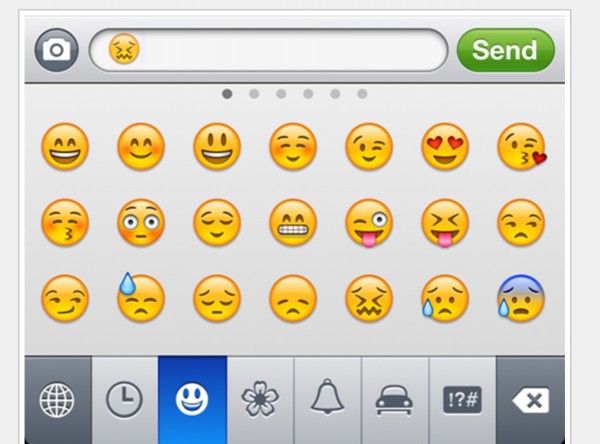
Currently, in iOS 8.3, there are over 300 emojis to choose from and the word “emoji” has been added in to Merriam Webster Dictionary of English. It’s always fun to see how people from other countries use and interpret these icons!
Emoji Fashion…?
So both emoji the word and the icons themselves are now in use all over the world. So what’s next? Well, recently, we’ve come across the shirts, skirts, and even one-piece dresses with emoji prints and designs; a particular kind of fashion called “uncool kawaii”, or “uncool cute”.
Emoji are very colorful and flashy, but also fun! Brand and shops including Kitson, Nordstrom, and Urban Outfitters have embraced this fashion trend, and now sell a range of emoji pants, shirts, bathing suits, and accessories.
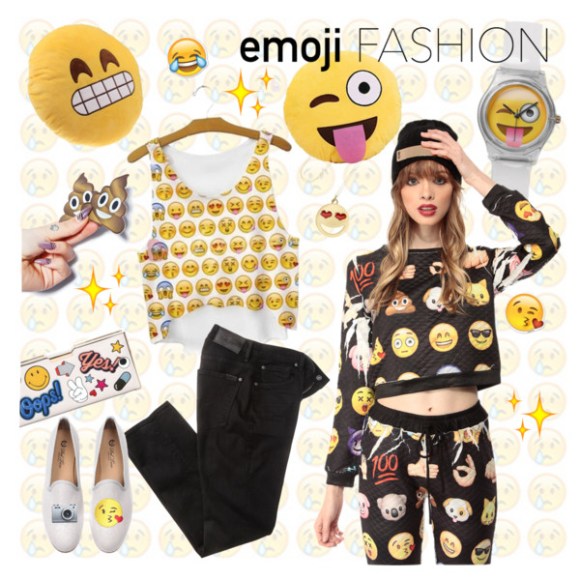
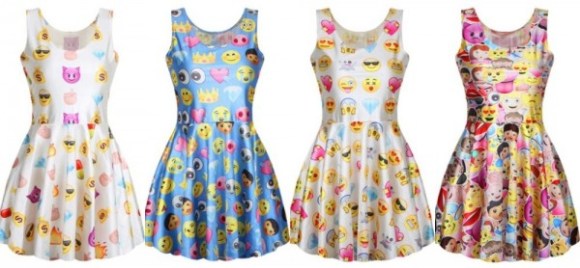
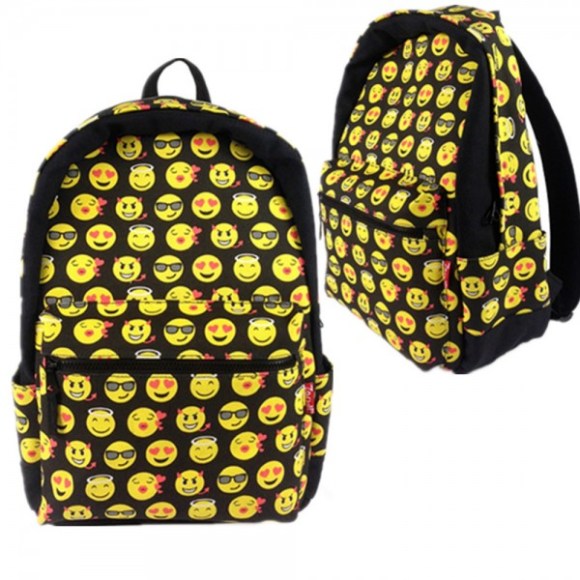
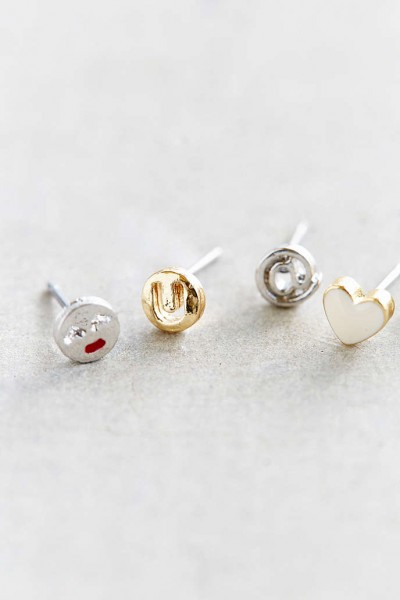
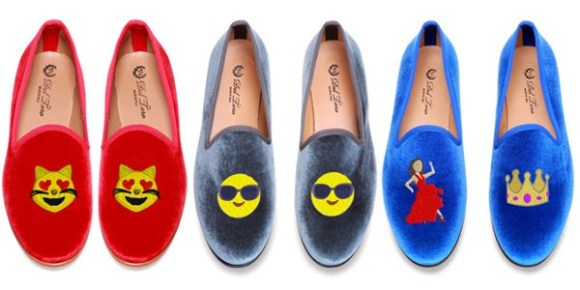
It’s also interesting to see that even high-end brand Marc By Marc Jacobs used emoji-inspired prints in their collection.
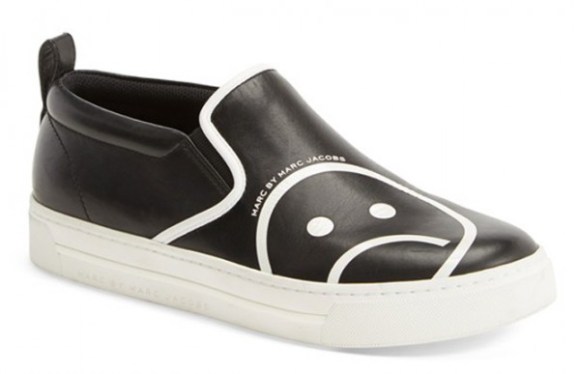
We still don’t know where exactly this emoji fashion sprang from, but there’s no denying that it’s a lot of fun. Since it’s flashy, I guess part of the challenge is to find a way to incorporate these icons into the rest of our ensemble with style.
Let us know if you’re into emoji fashion by leaving us a comment with hashtag #emojifashion!
More from Tokyo Girls’ Update