Common sense might lead you to believe that “emoji” is simply a variation of “emoticon,” but Japanese common sense tells a whole different story.
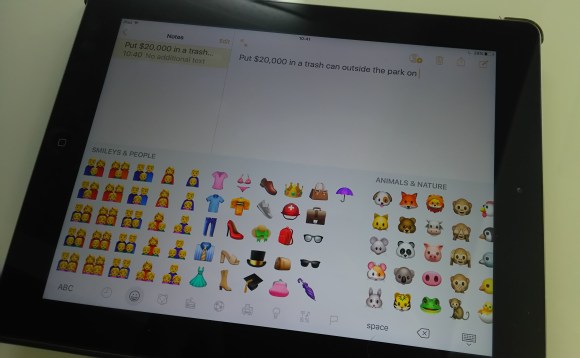
We all know emoji as those convenient little pictures that punctuate our tweets and emails letting people know when we’re being sarcastic or facetious. They’re a slicker, modern version of those crude emoticons constructed from preexisting keyboard characters like ;) to express happiness or >8[ to symbolize a grumpy puppet… or something. I don’t know.
The similarities between emoticons and emoji would certainly suggest the names are simply variations of one another. As we all know “emoticon” is just a portmanteau of “emotion” and “icon.” So with emoji being an invention of Shigetaka Kurita working with NTT DoCoMo we could assume that “emoji” is a similar portmanteau of “emotion” and the Japanese word for written character “ji” (字).
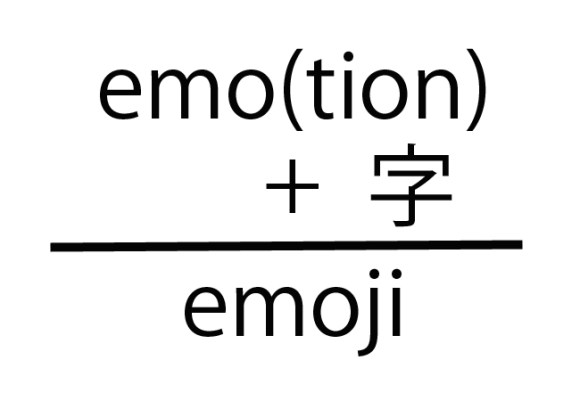
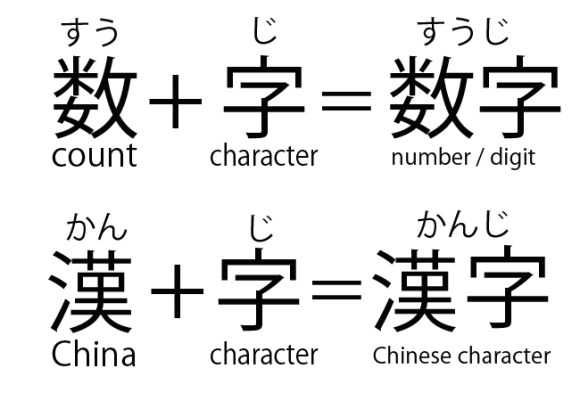
The way “ji” works is as a suffix with the opening part explaining what type of character it is. For example, “kan” which refers to China and “ji” make “kanji” or “Chinese characters” and “su” meaning “count” and “ji” make “suji” meaning “number.” So it’s not a stretch to assume “emoji” follows the same logic but with a slight English twist.
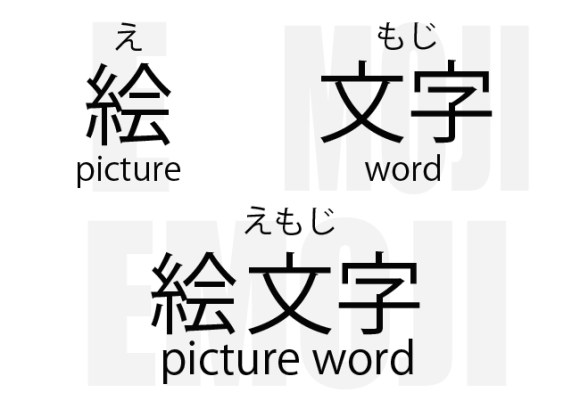
However, one more example would be “moji” which simply means “word.” Now, if we slap on the Japanese word for picture, “e” (pronounced “eh”), we get “emoji” or “picture word.”
▼ “E” (picture) + “moji” (word) = “emoji” (picture word)
Although common knowledge in Japan, this open secret caused a bit of a stir when posted on the Today I Learned page of Reddit leading to comments such as:
“If this is the case then everyone mispronounces it. It would be “eh” Moji, not “ee” Moji.”
“I thought it was emo(tion) + ji (letter)”
“And I did not know that! Thanks.”
“Etymology sure is an emojional rollercoaster!”
“Huh, an instance of ‘found in translation.'”
“Dafuq! I didn’t know!”
Some also figured that rather than a pure coincidence, there was an intentional effort to make the word similar to “emoticon.” It’s possible, but emoticons weren’t used in Japan very much. Instead, kaomoji (顔文字) — where “kao” means “face,” hence “face words” — were the preferred digital smileys.
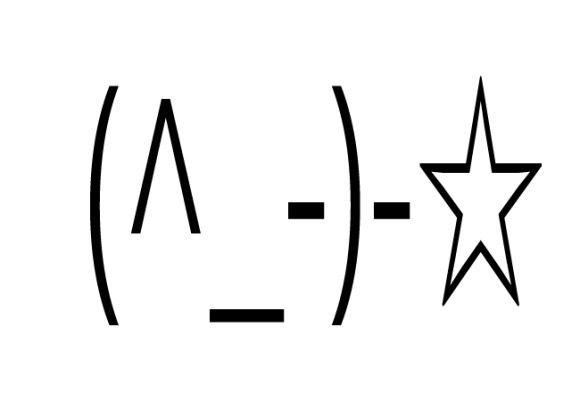
▼ Kaomoji tend to be more detailed and less ambiguous than older emoticons such as this one that means “my eyeball just fell out and exploded.”
If you would like to learn more about the fun of kaomoji and beyond, check out our tutorial on some Japanese IME functions.
As for the true meaning of “emoji,” the lack of “emotion” being a part of it makes perfect sense, considering facial expressions only make up a fraction of the entire emoji catalog. Unless “post office” and “tractor” are simply feelings I haven’t gotten in touch with yet.
Source: Reddit
Images: ©SoraNews24



Emoji is the new black: Could emoji fashion be the next “kawaii” trend?
Keyboard app shares most common emoji by country, Japan’s are completely different from others
What’s that emoji? Let’s take a look at Japanese culture with these texting emoticons!【Part 1】
Newest Japanese Twitter craze has users guessing movies using only emoji as hints
Japanese survey finds top 10 emoji that “make you look like an old man”
Ramen restaurant’s English menu prices are nearly double its Japanese ones, denies discriminating
Our 52-year-old pole dancing reporter shares his tips for achieving your New Year’s exercise goal
Starbucks Japan unveils new S’mores Frappuccino and latte for Christmas 2025
Nearly one in ten young adults living in Japan isn’t ethnically Japanese, statistics show
How to get all-you-can eat doughnuts at Mister Donut for just 12 bucks!
Say hello to Japan’s new stationmaster cat!【Video】
Sanma-men, the best ramen type that everyone in Japan forgets about
Keeping up with the kids: Japanese high schoolers’ most popular slang of Spring 2022
Edo-themed onsen and restaurant complex opens in Tokyo, but do overseas tourists know about it?
What’s inside Starbucks Japan’s fukubukuro lucky bag for 2026?
10 times to avoid traveling in Japan in 2026
Japanese beef bowl chain Sukiya’s 2026 Smile Box lucky bag basically pays for itself
Top Japanese cosplayer Enako returns to Comiket after 6 years, creates mayhem with admirers
Umamusume anime girl plushie recalled for having parts she absolutely should not have【Pics】
Starbucks Japan releases new Frappuccino and latte for Valentine’s Day
We ate sushi made from Japan’s most expensive tuna ever【Taste test】
Princess Mononoke magnets return just in time to treat yourself to awesome anime decorations
Starbucks Japan ready to get Year of the Horse started with adorable drinkware and plushies【Pics】
7-Eleven Japan starts new temporary luggage storage service in over 300 branches
Disillusionment at Tsukiji’s tourist-target prices led us to a great ramen restaurant in Tokyo
Starbucks teams up with 166-year-old Kyoto doll maker for Year of the Horse decorations【Photos】
Tokyo’s Tsukiji sushi neighborhood asks tour groups to stay away for the rest of the month
Japan may add Japanese language proficiency, lifestyle classes to permanent foreign resident requirements
Lacquerware supplier to emperor of Japan and Pokémon team up for new tableware
Starbucks Japan releases new zodiac chilled cup drink for 2026
Survey asks foreign tourists what bothered them in Japan, more than half gave same answer
Japan’s human washing machines will go on sale to general public, demos to be held in Tokyo
We deeply regret going into this tunnel on our walk in the mountains of Japan
Studio Ghibli releases Kodama forest spirits from Princess Mononoke to light up your home
Major Japanese hotel chain says reservations via overseas booking sites may not be valid
Put sesame oil in your coffee? Japanese maker says it’s the best way to start your day【Taste test】
No more using real katana for tourism activities, Japan’s National Police Agency says
Starbucks Japan reveals new sakura drinkware collection, inspired by evening cherry blossoms
Updated cherry blossom forecast shows extra-long sakura season for Japan this year
Human washing machine pods coming to Japanese hotels【Photos】
World’s most popular emoji ranking shows something missing from Japan’s top picks
English conversation school in Japan has clever reminder that students don’t have to be perfect
Do you use these “Philippine English” words and phrases?
How do you say ‘Google it, you trash’ in British English? Answer surprises many in Japan
Adorable dog plushie from Japan looks 100-percent like actual dog, but nothing like you’d expect
Passing the JLPT N1 — Here’s how I did it, so you can too!
Avengers film’s Japan scenes look just like the real Japan…if you haven’t spent much time there
Leave a Reply