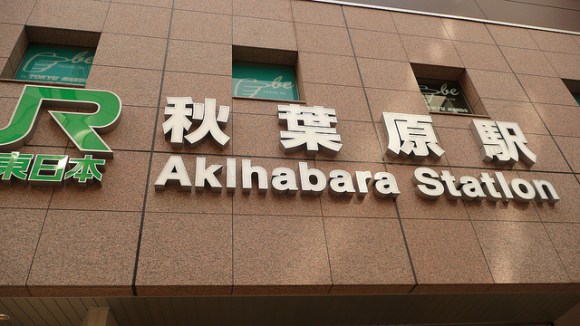
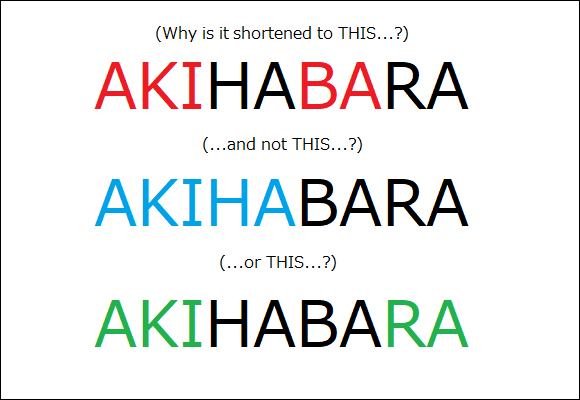
Yeah, wait a minute. Why isn’t it shortened to “Akiha” instead?
We all know and love Tokyo’s Akihabara as the crazy neighborhood that boasts everything from maid cafes where you can lift weights with swole maids, to Internet cafes that look like beautiful Japanese ryokan, to virtual reality wedding experiences with the heart-throb anime husband of your dreams.
But Akihabara wasn’t always about otaku and technology. In fact, if you want to discover the origin of Akihabara’s shortened name (it’s often referred to as “Akiba” by residents and fans alike), then you have to go back more than a hundred years into Japanese history.
▼ It would make more sense it abbreviate it as “Akiha,” right?
…although we can kind of see why they don’t abbreviate it as “Akira.”
Before the 20th century, Japan kind of had a problem with fires, especially in the capital Edo (modern-day Tokyo). With all the buildings made of wood and packed tightly together, it didn’t take much for everything to go up in flames.
There were no less than 14 “great fires” from 1600 to 1855 in Edo that killed anywhere from thousands to hundreds of thousands of people. Fires were so common that a popular saying during the time was: “Fires and quarrels are the flowers of Edo.”
So finally in 1869 the Meiji government had enough. They set up an area in Edo called “Chinkabara” (Akihabara’s modern-day location) as a “fire proof area.” Its name “Chinkabara” even translates to “extinguished-fire field.”
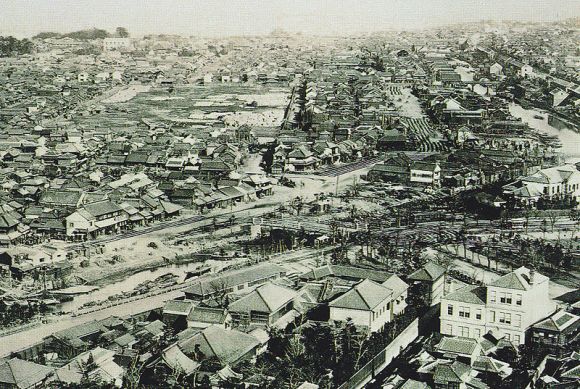
▼ A photo of the Akihabara area from 1889. It doesn’t look a whole lot more
fireproof than other Japanese cities at the time, but I guess it worked?
And, just to be extra safe, they had Akiba Daigongen (the Japanese Buddhist deity/kami of fireproof-ness) transferred from Enshu (modern-day Shizuoka) to be enshrined in the new location.
…did you catch that deity’s name? It’s Akiba Daigongen, with “Akiba” meaning “autumn leaves,” another euphemism for fire. That’s where the name change starts.
▼ You know, instead of joking about horrific fires all the time,
maybe they should just invest in a fire department?
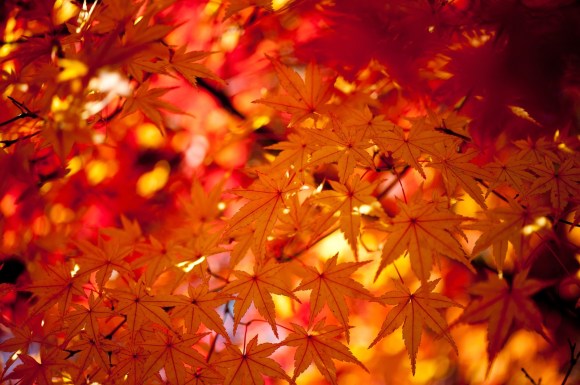
Since the location’s name was “Chinkabara,” the shrine set up for the deity was originally called “Chinka Jinja” (Chinka Shrine). But the deity’s name was “Akiba,” so everyone just called it “Akiba Jinja.” Eventually the name of the temple changed from “Chinka” to “Akiba,” so people started calling the area itself “Akiba” instead.
There were a bunch of different names for the location, some of them mixtures of “Chinkabara” and “Akiba,” such as “Akibahara” or “Akibappara.” It wasn’t until 1890 when the location got a railroad station and needed to be officially named that it was dubbed “Akihabara,” though it was still referred to as “Akiba” as well, a name that has stuck around until today.
▼ “Akiba,” once synonymous with fires, temples, and a deity,
is now synonymous with “maid cafes.”
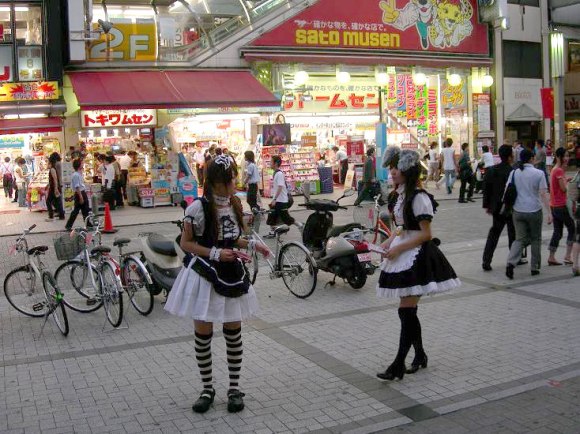
So there you have it! We can all thank the deity of fireproof-ness, Akiba Daigongen himself, for giving us Akihabara’s modern abbreviated name. Would he approve of Akihabra’s modern-day capsule hotels where you can sleep with anime characters? We have to imagine that, as long as the flames of passion don’t actually burn anything down, he’d think they’re a-okay!
Source: Akihabara Denki Machi Shinkokai via My Game News Flash
Top image: Flickr/Dushan Hanuska
Insert images: Wikimedia Commons, Pakutaso, Wikimedia Commons