
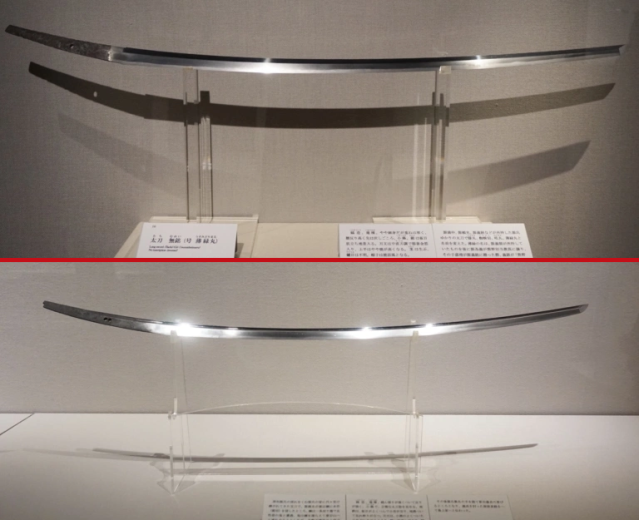
Two of Japan’s most beautiful blades are said to be linked at birth, but a closer look makes some scholars think twice.
Any guidebook will tell you that Nara is a great place to go if you want to see temples or deer, as the central Japanese city has plenty of both. However, right now Nara is also a must-visit if you want to see katana.
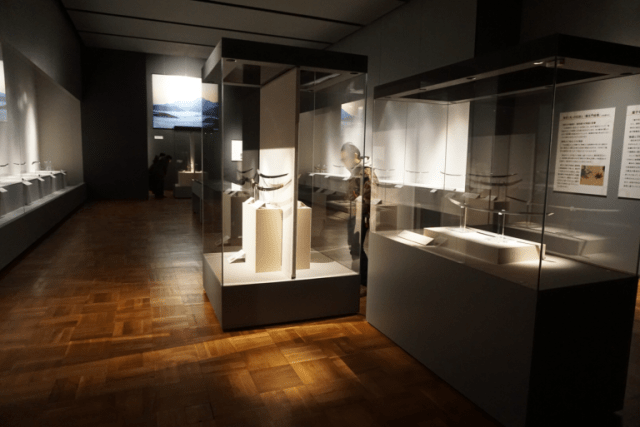
Kasuga Shrine, located inside Nara Park, is currently hosting an exhibition in its attached museum called The World of the Oldest Japanese Swords, with a special focus on the works of Yasutsuna, one of the most revered swordsmiths of the Heian period (794-1185) of Japanese history.
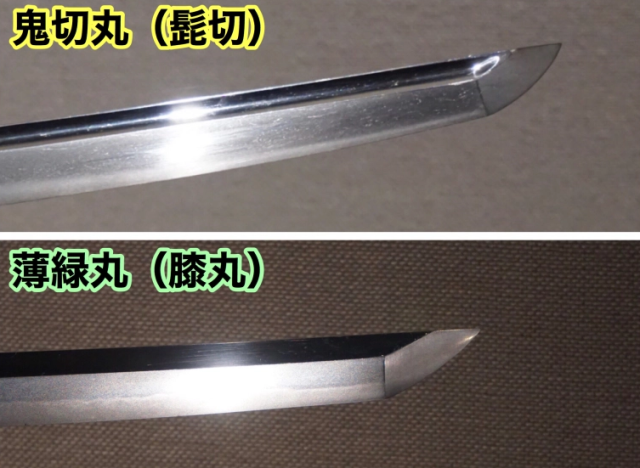
Of particular interest are two blades collectively known as the “Brother Katana:” Yasutsuna’s Higekiri and Hizamaru.
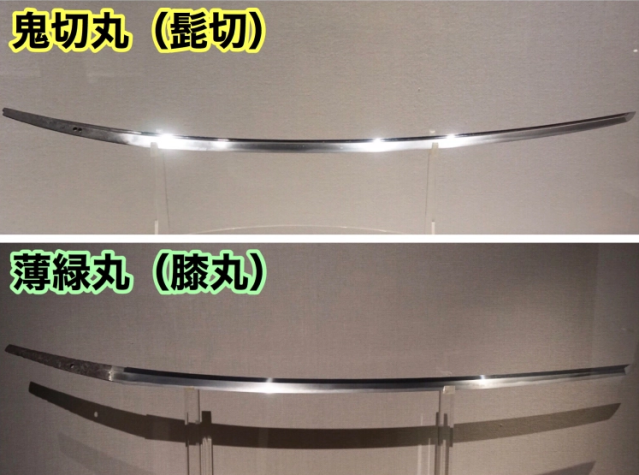
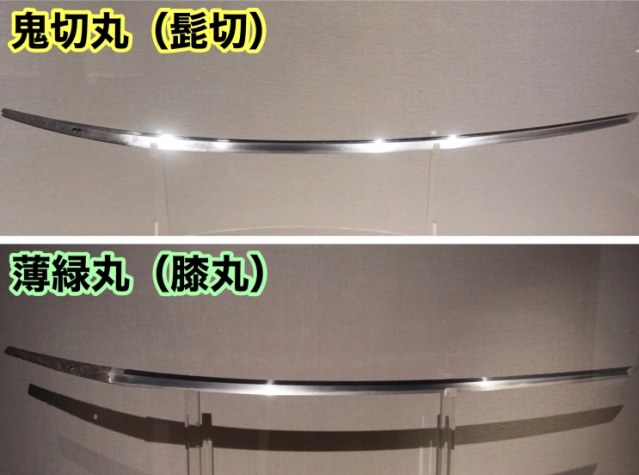
▼ Higekiri (top) and Hizamaru (bottom)
So how did they become known as the Brother Katana? The most commonly accepted explanation is that both blades were commissioned by Minamoto no Mitsunaka, a samurai descendant of Emperor Seiwa who was born circa 912.
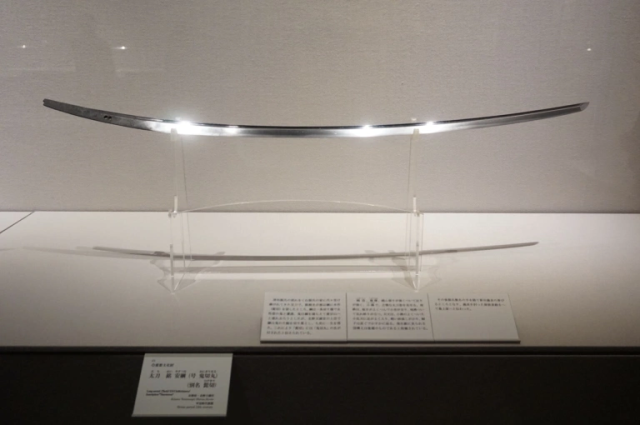
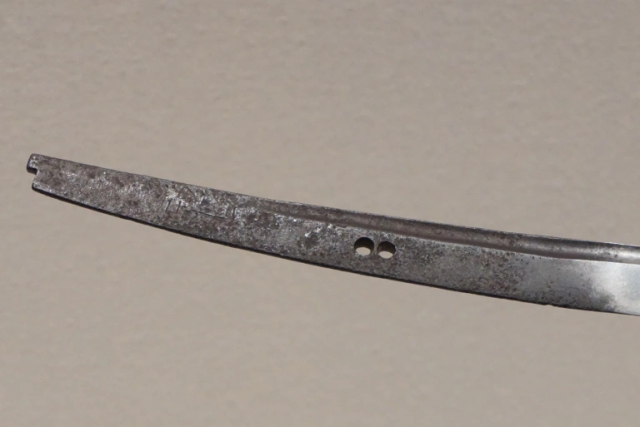
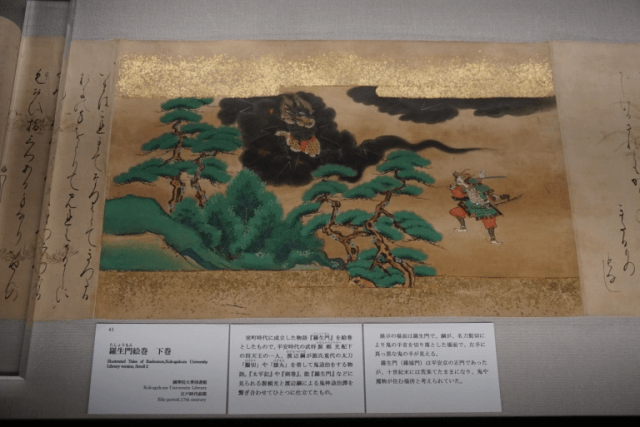
The swords have a few other things in common too, such as the fact that they both have multiple names. Starting with Higekiri, it got it’s first name because of the practice of tameshigiri, testing out newly made katana on the bodies of criminals. Higkiri was so sharp that it was said during testing even the beards (hige) of convicts were sliced (kiri). Later, the sword acquired a much more heroic-sounding name: Onikirimaru (“Demon Slayer”), with an accompanying legend claiming it was used to slice off a demon’s arm.
▼ Higekiri/Onikirimaru
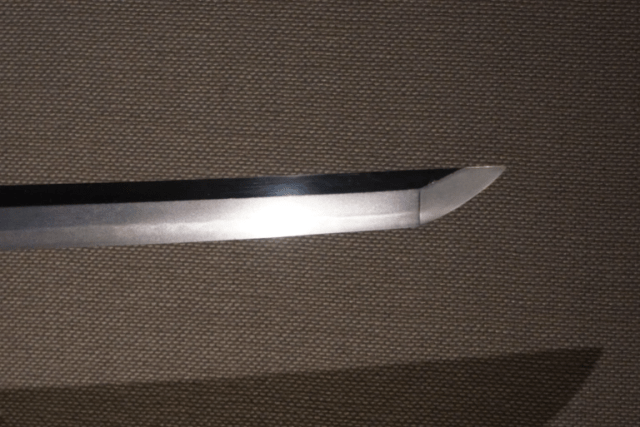
Hizamaru was also tested by tameshigiri, this time with the results being severing at the knees hiza. Once again, later legends attribute more glorious deeds to the weapon, this time being used to slay a giant spider called Yamagumo, earning it the name Tsukomikiri.
▼ Hizamaru/Tsukomikiri
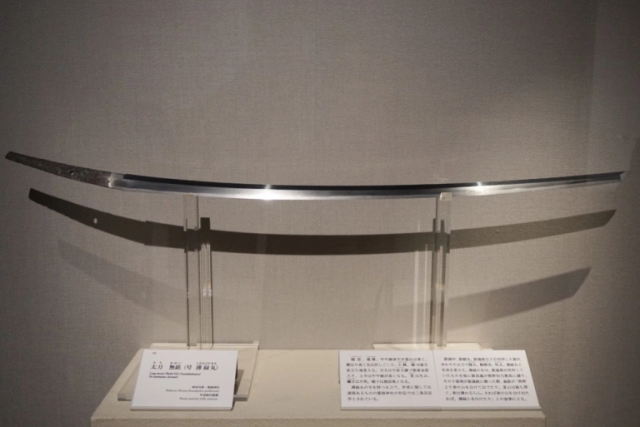
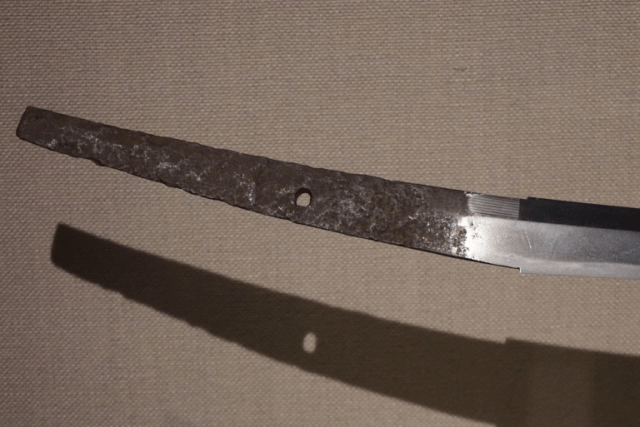
However, there’s a mystery that surrounds the Brother Katana. While historians agree that they were both made in the Heian period, only Higekiri bears Yasutuna’s mark on its tang (the core of the hilt). Hizamaru, on the other hand, bears no smith’s signature, which is unusual for a katana of such quality.
Because of this, some scholars speculate that Hizamaru isn’t actually Yasutuna’s work, and is instead the creation of some other smith. Sure enough, when we took a close look at the two blades to compare them we spotted some differences.
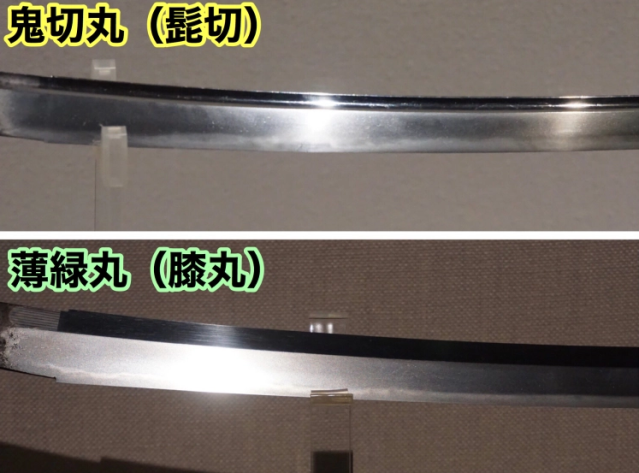
One of the first things to look for when visually inspecting a katana is the hamon, or temper marks. For Higekiri, the hamon appear as irregular, undulating waves. Hizamaru’s hamon, though, is far straighter, looking like surface of a calm lake.
▼ The hamon of Higekiri (top) and Hizamaru (bottom) can be seen near their cutting edges.
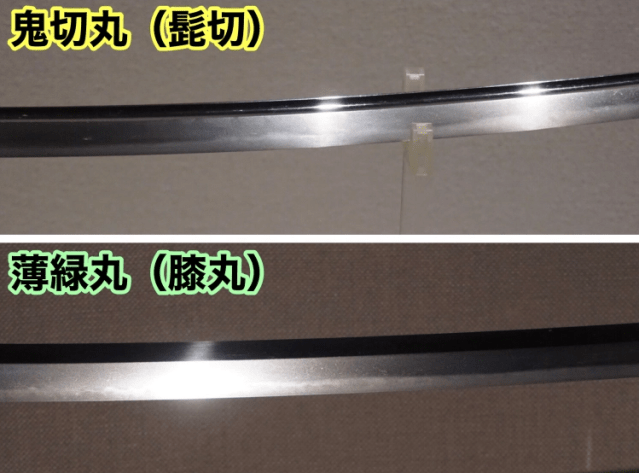
Another thing to check is the jigane, the grain and folding lines that are thought of by appraisers as the “skin” of the sword. Again, the two Brother Katana show differing styles, with Higekiri showing distinct fold lines, and Hizamaru a smoother grain and a liquid-like shine.
Because the hamon and jigane are intrinsically tied to the manner in which the smith makes the sword, it would be unusual, though not impossible, for so much variation to be present between two weapons from the same craftsman. For example, look at Tenkomaru, another confirmed Yasutsuna sword on display at the exhibition.
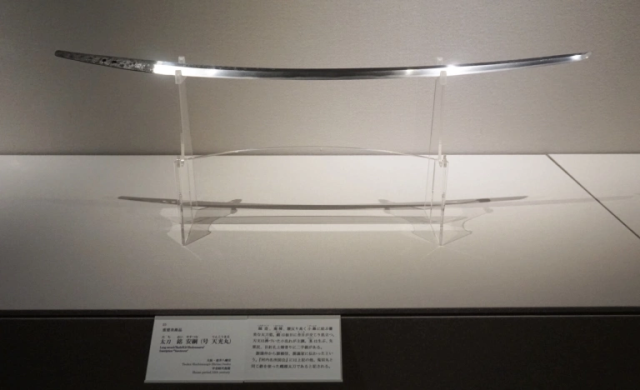
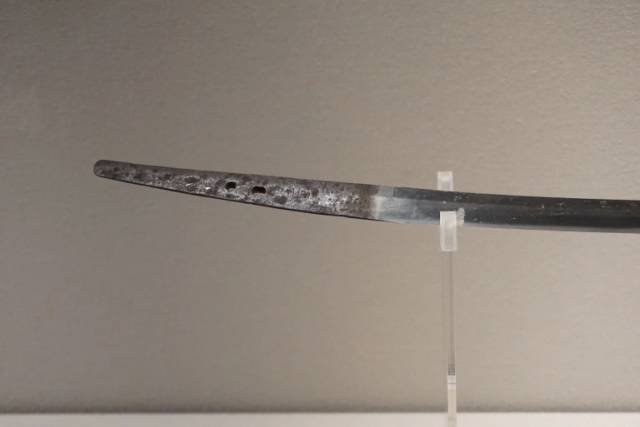
The wavy hamon of Tenkomaru looks close to that of Higekiri, meaning that if Hizamaru was indeed made by Yasutsuna, it’s the odd katana out of the set of three.
But if Hizamaru isn’t a Yasutsuna blade, then who was it made by? One theory is that it’s the work of yet another legendary swordsmith: Sanjo Munechika, the same man who made the Mikazuki, one of the fabled Five Swords Under Heaven. The exhibition just so happens to be displaying a sword crafted by Munechika’s grandson, Arishige, called Ishikirimaru, which has a design indicative of the family style.
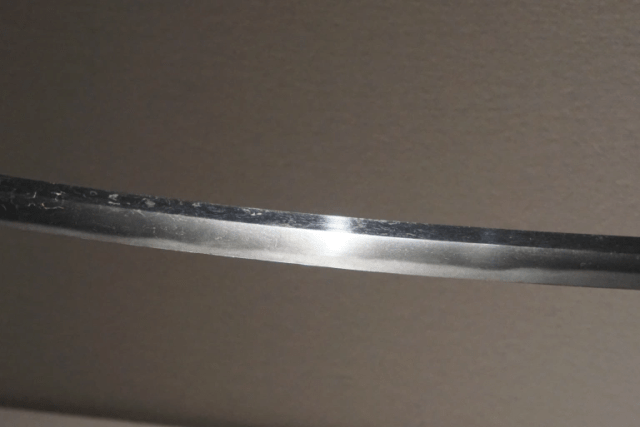
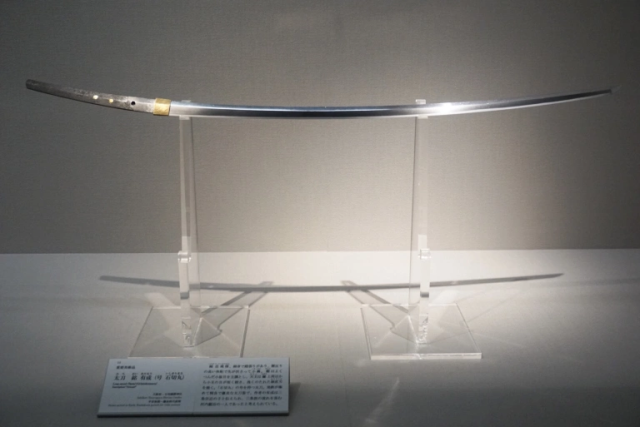
Just like with Hizamaru, Ishikirimaru has a relatively straight hamon and smooth jigane.
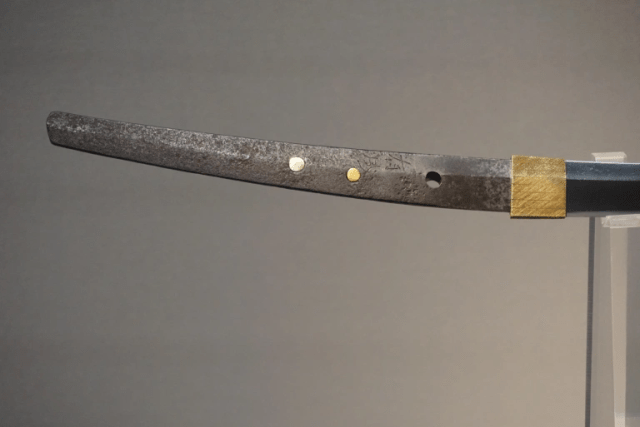
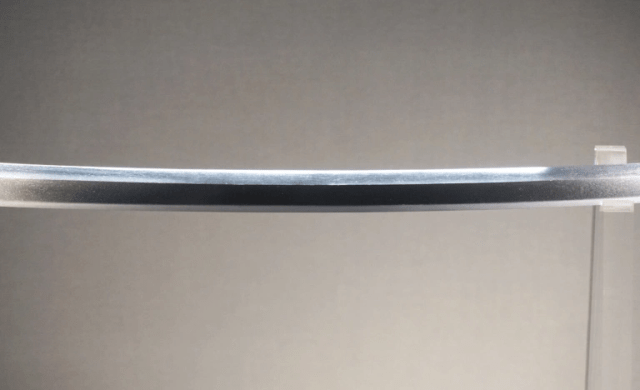
Unfortunately, since all of these confirmed or hypothesized katanaka makers lived centuries ago, we can’t ask them to definitively solve the mystery for us. If you’d like to gaze upon these works of art while contemplating the possibilities yourself, though, Higekiri and Hizamaru will be on display until January 26, with the overall exhibition itself running until March 1.
Event information
The World of the Oldest Japanese Swords / 最古の日本刀の世界
Venue: Kasugataisha Museum / 春日大社国宝殿
Address: Nara-ken, Nara-shi, Kasuganocho 160
奈良県奈良市春日野町160
Open 10 a.m.-5 p.m.
Admission 1,000 yen (US$9)
Exhibition until March 1
Website
Photos: ©SoraNews24
● Want to hear about SoraNews24’s latest articles as soon as they’re published? Follow us on Facebook and Twitter!
[ Read in Japanese ]
Follow Casey on Twitter, where people have been telling him that he and his brother look nothing alike for their entire lives.
 Demon-slaying Dojigiri, one of Japan’s Five Swords Under Heaven, now on display at Kasuga Shrine
 This hotel has one of the coolest katana collections in Japan, and admission is totally free【Pics】
 Amazing exhibition of Japan’s legendary “cursed katana” is going on right now【Photos】
 Genuine Muramasa blade and Muromachi katana on display at Tokyo’s Touken Ranbu store【Photos】
 An up-close look at one of Japan’s five Ryuseito swords, forged from meteorites【Photos】
 30 Pikachus want to share a Tokyo hotel room with you that has separate Grass, Water, Fire spaces
 Mt. Fuji decorated with a 500,000-flower pink carpet is Japan’s ultimate spring view
 Japanese politician arrested on charges of accepting bribes to reduce number of monkeys in park
 McDonald’s and Gundam team up for customized anime mecha and fried chicken sandwiches[Video]
 You can assemble a well-balanced team of Pokémon, them eat them, thanks to Japanese cake chain
 Does this video about an abandoned dog leave you wiping your eyes or shaking your fist?
 Kura Sushi adding premium tier pricing for better chance at capsule machine game
 Is China’s don’t-go-to-Japan warning affecting tourist crowds in Tokyo’s Asakusa neighborhood?
 The five best bento boxed lunches sold at train stations in east Japan
 New 7-Eleven sandwich goes viral in Japan, but is it everything it’s cracked up to be?
 Japan reportedly adding Japanese language skill requirement to most common foreigner work visa
 Pokémon and Ikea Japan cross over into each other’s worlds with collaboration events
 Starbucks Japan closing only Shinkansen platform branch for popularity-triggered renovations
 Two food hacks take Japan’s convenience store fried chicken to amazing new sandwich heights
 7-Eleven Japan’s new baked-in-store sweet treat is only available in three parts of the country
 Man bites woman at cherry blossom park in Japan, dies shortly after
 Peanuts and Coke becomes a viral hit in Japan, but is it a trend worth joining?
 Can a downtown Tokyo super sento bathhouse beat a hotel for a one-night stay?
 New Japanese KitKats come in sakura flavour, with poetic symbolism for success
 Japan now has a special desk for people who work at home with a pet cat[Photos]
 Famous Tokyo cherry blossom spot installs view-blocking screens to fight overcrowding[Video]
 Uniqlo announces new T-shirts for One Piece, Naruto and more for manga publisher’s 100th birthday
 Train station platform ramen store closes its doors on half a century of history in Tokyo
 Starbucks Japan releases new My Fruit³ Frappuccino at only 34 stores around the country
 Krispy Kreme releases Super Mario doughnuts in Japan for a limited time
 Studio Ghibli releases Catbus pullback keychain that runs like the anime character
 Japanese onsen egg maker from 100-yen store Daiso needs to be on your shopping list
 Survey asks foreign tourists what bothered them in Japan, more than half gave same answer
 Japan’s human washing machines will go on sale to general public, demos to be held in Tokyo
 Starbucks Japan releases new drinkware and goods for Valentine’s Day
 We deeply regret going into this tunnel on our walk in the mountains of Japan
 Starbucks Japan releases new sakura goods and drinkware for cherry blossom season 2026
 Studio Ghibli releases Kodama forest spirits from Princess Mononoke to light up your home
 Japan’s newest Shinkansen has no seats…or passengers [Video]
 Major Japanese hotel chain says reservations via overseas booking sites may not be valid
 Put sesame oil in your coffee? Japanese maker says it’s the best way to start your day【Taste test】
 No more using real katana for tourism activities, Japan’s National Police Agency says
 Dojigiri, the millennium-old katana said to have slain a demon, is now on display in Tokyo【Pics】
 Legendary crescent moon katana, one of Japan’s Five Swords Under Heaven, now on display in Tokyo
 Swords of famous samurai reborn as beautiful kitchen knives from Japan’s number-one katana town
 You can get a custom-made katana and a tax discount by donating to this Kyoto city【Photos】
 Real-life Rurouni Kenshin reverse-blade katana, forged by master swordsmith, now on display【Pics】
 Missing 700-year-old national treasure katana found in Australia【Video】
 Historical katana dessert knives turn your sweet snacks into a delicious duel【Photos】
 One Piece anime katanas recreated as exquisite letter openers by Japan’s swordsmith legacy heirs
 Cruel angels, beautiful blades: The amazing sword of the Evangelion and Katana exhibition【Photos】
 Real-life Rurouni Kenshin katana forged based on sword of series’ most merciless villain【Photos】
 Japan is running out of swordsmiths, and a strict apprenticeship requirement is a big reason why
 How did samurai swords and armor evolve over time?【Part 2】【Photos】
 An A.I. program designed a katana, then a 15th-generation Japanese swordsmith made it【Photos】
 Katana of four of Japan’s greatest samurai turned into gorgeous scissors
 “2D vs. Katana” exhibition shows off recreations of swords from anime and video games in Osaka