
We get to the bottom of the low-cost, SIM-free service plan by heading to the deepest points of the public transportation network.
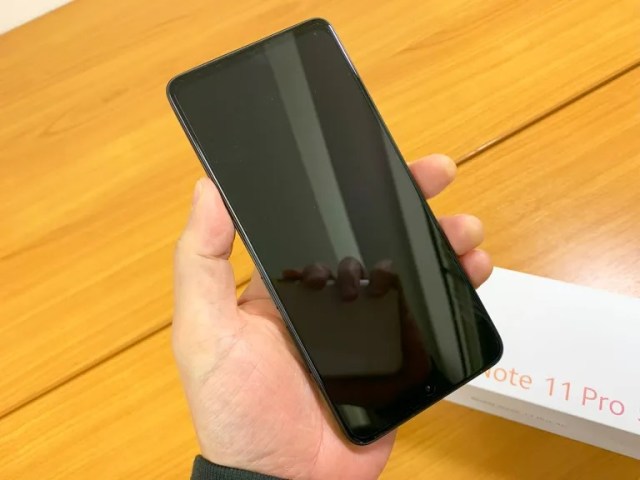
We bought a whole bunch of fukubukuro/lucky bags this New Year’s season, but one of the best, in the eyes of our Japanese-language reporter Seiji Nakazawa, was one from the Akihabara branch of electronics store Bic Camera. That’s because it came with a SIM-free smartphone.
The timing couldn’t have been better, because Seiji was already looking to replace his aging iPhone. Of course, getting a SIM-free phone means you’ve got to pick a carrier, and that’s where things got complicated.
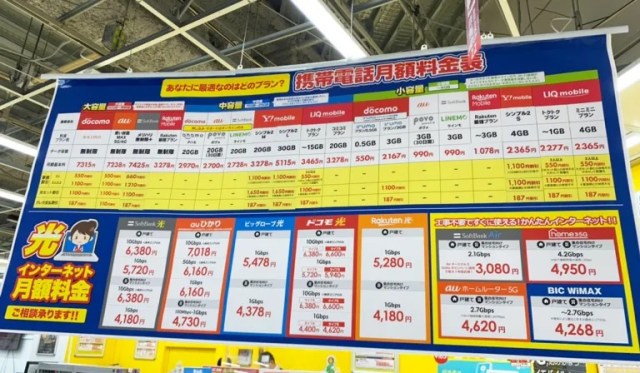
That’s a typical sort of sign you’ll see hanging in the phone corners of electronic shops in Japan, showing all the various carriers, plans, and options. As you can see, there are a lot of options, but Seiji narrowed things down by asking about what are known in Japan as kakiyasu carriers. Kakiyasu means “cheap” or “budget,” and kakiyasu carriers offer deep discounts compared to the more famous big-name competitors like DoCoMo, au, and SoftBank.
So just how cheap can kakiyasu carriers get? When Seiji asked the staff at Bic Camera what the lowest-priced plan was, they directed him to Irumo, a kakiyasu carrier that’s actually a subsidiary of DoCoMo and whose service plans start at just 550 yen (US$3.80) a month!
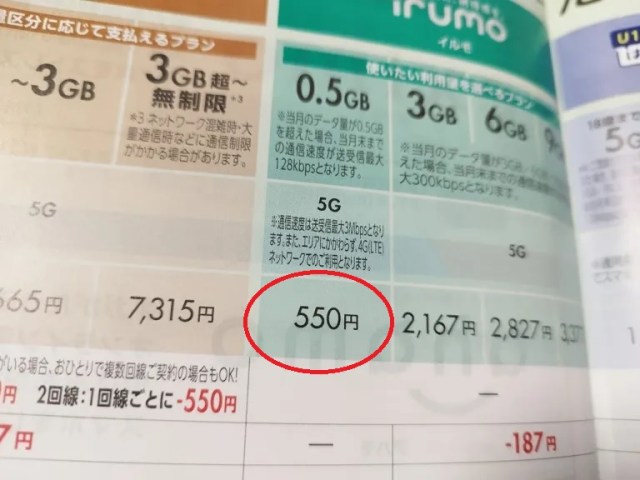
Now, as you might expect, there are some compromises that go along with a bargain of this magnitude. For starters, that 550 yen only gets you 0.5 GB of data per month. Users of the 550-yen plan are also the first ones to get throttled back if the network is crowded, and the plan only allows for 4G connection, not 5G.
However, if you’re going to be doing most of your heavy web-surfing and/or video streaming at home, school, or somewhere else where you’ve got Wi-Fi, 0.5 GB may not be a deal-breaker. Likewise, if you’re out and about at somewhat off-peak times, say if you’re a newly arrived-in-Japan English teacher looking to stretch your budget with a less expensive phone plan, networking crowding might not be an issue either.
What did have Seiji worried, though, was one electronics store employee who said that they were an Irumo user, and that while they had no problems using it above ground, underground their phone lost its signal frequently enough to be unusable. If you’re living in Tokyo, or many other large cities in Japan, for that matter, you’re probably going to be spending a lot of time below ground while riding the subway, so this would be a major problem.
▼ Downtown Tokyo has a lot of subway lines
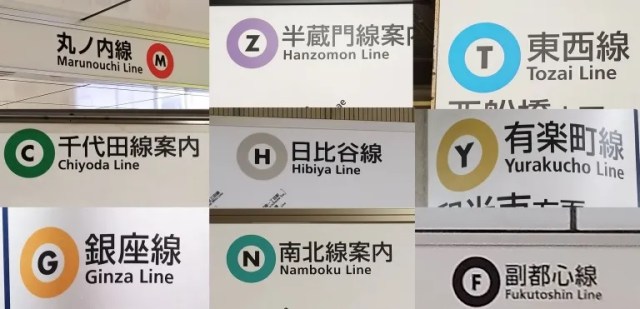
Rather than take the phone plan salesman’s word for it, though, Seiji decided to test our Irumo’s underground capabilities for himself, and so he signed up for the 0.5-GB plan. Firing up his phone, he made his way to Shinjuku Sanchome Station, the closest stop to SoraNews24 HQ, and braced himself for his phone to spit an “out of service area” error message at him as soon as he stepped down into the station entrance stairway.

But it did not. Instead, the signal indicator continued to show full strength, even after he got all the way down to the Marunouchi Line platform and boarded the train.
OK, so maybe he’d run into problems while the train was in the tunnel between stations? Nope!
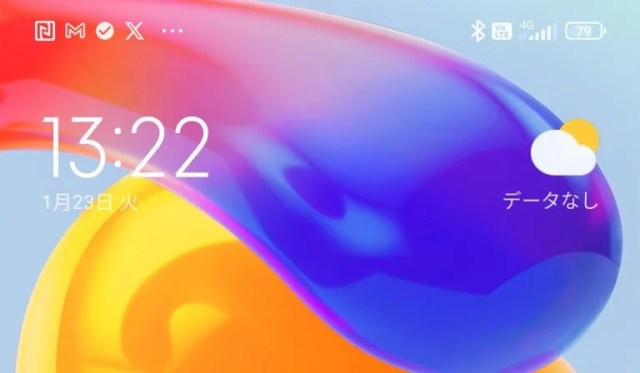
The worst things got was a small dip, from five bars to four, but his phone kept its signal connection the whole way.

He did have some hiccups trying to open up websites in his browser, but everything else worked just fine, and he was able to both receive and send messages through his messaging apps.

Honestly, Seiji had expected his phone to lose signal right away, leaving him free to head back to the office and whip out a quick “This phone stinks!” review. With his phone now performing better than he’d expected, he figured more testing was in order, so he decided to keep going and check all nine of the Tokyo Metro subway lines to see when and where he’d lose signal…except he never did.
▼ Hanzomon Line (tunnel and station check)?
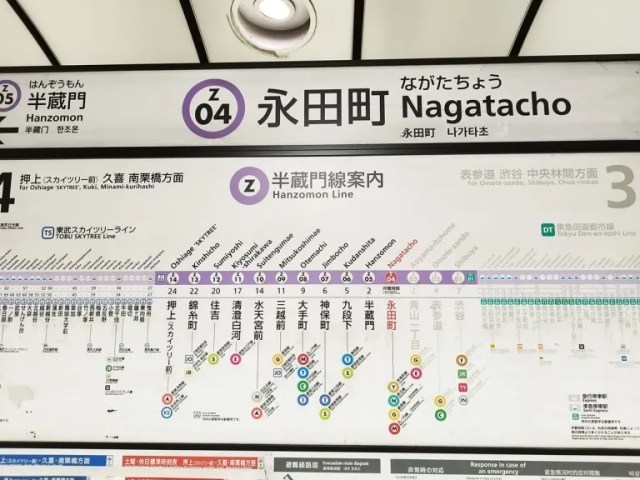
▼ Signal
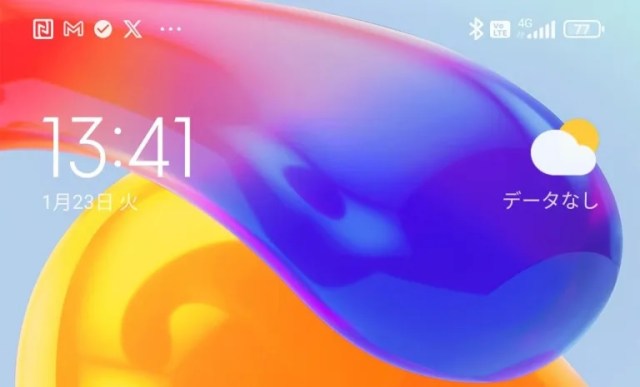
▼ Chiyoda Line?
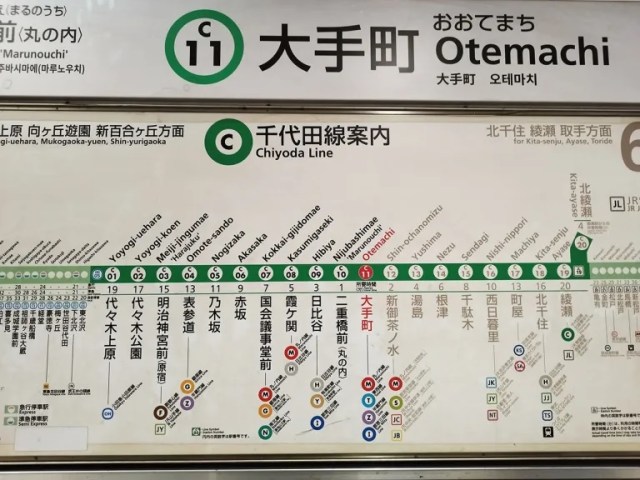
▼ Signal – and somehow even a 5G connection?!?

Ginza, Hibiya, Tozai, Yurakucho, Namboku, and Fukutoshin Lines? Singal, signal, signal, signal, signal, and, you guessed it, signal. The closest he got to losing signal entirely came in one brief spot between Ginza and Higashi Ginza on the Hibiya Line, when his display showed zero bars of connection.
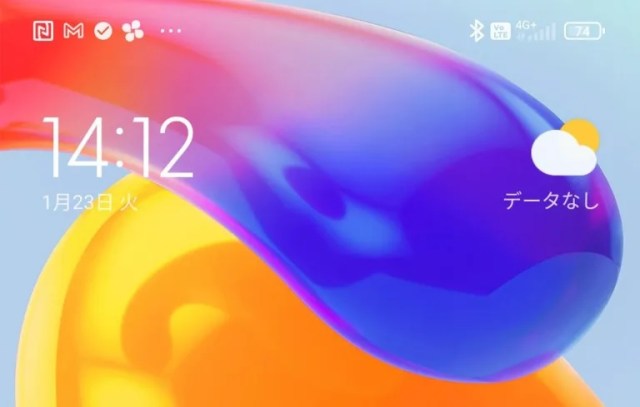
▼ This actually means that there still is a connection, though a weak one, since having no signal at all should cause an “out of service area” (圏外) notice to appear instead.
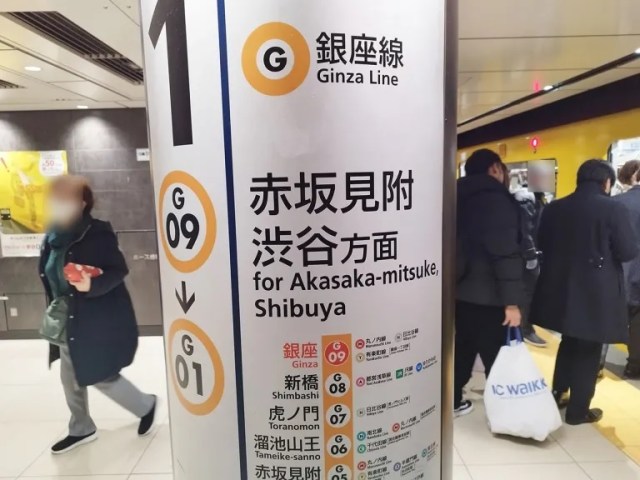
Ginza seemed to be the trickiest spot for Irumo to connect to the network at, but Seiji still had two bars of signal strength within Ginza Station itself.
So in the end, Seiji had no real problems whatsoever getting a signal for his Irumo phone underground, and it’s been working just fine up on the surface too. Again, it’s nothing fancy, but if you’re a light user who wants to put more of your money towards things other than your phone bill while you’re in Japan, it seems like a SIM-free phone and Irumo is a genuinely viable option.
Photos ©SoraNews24
● Want to hear about SoraNews24’s latest articles as soon as they’re published? Follow us on Facebook and Twitter!
[ Read in Japanese ]
 How do you beat Bic Camera’s Lucky Box lines, and what’s inside their Sim-Free Phone box?
 Japan has vending machines that put protective film on your phone for you — Here’s how to use them
 Can a downtown Tokyo super sento bathhouse beat a hotel for a one-night stay?
 Two food hacks take Japan’s convenience store fried chicken to amazing new sandwich heights
 Pokémon and Ikea Japan cross over into each other’s worlds with collaboration events
 Ultimate bachelor chow recipe: Cheeseburger-style furikake toast【SoraKitchen】
 Tokyo turns its phone booths into free Wi-Fi hotspots, and here’s how to use them
 We found an underground Kyoto vending machine that sells multi-course French meals
 Japan’s prime minister exchanges Dragon Ball kamehamehas with president of France[Video]
 Stay at a Japanese capsule hotel in Tokyo for less than US$20 a night
 Japanese Twitter in roaring dispute over father who refuses to meet daughter’s tattooed boyfriend
 Ginza hotel serves up one of the best breakfasts in Tokyo
 Famous Tokyo cherry blossom spot installs view-blocking screens to fight overcrowding[Video]
 Tokyo’s best museum for foreign travelers finally reopens after being closed for four years
 Pokémon lacquerware series expands for Year of the Horse with new handcrafted design[Video]
 Japan now has a special desk for people who work at home with a pet cat[Photos]
 Uniqlo announces new T-shirts for One Piece, Naruto and more for manga publisher’s 100th birthday
 Picturesque Tokyo park plays host to millions of flowers and soap bubbles this spring
 Tokyo subway and almost all Tokyo train lines now accepting credit card tap payments
 Totoro and Calcifer become little light-up lanterns for Ghibli-style excursions or at-home decor
 Fading Tokyo – Searching for signs of the Showa era as local neighborhoods evolve[Photos]
 Train station platform ramen store closes its doors on half a century of history in Tokyo
 Starbucks Japan releases new My Fruit³ Frappuccino at only 34 stores around the country
 Studio Ghibli releases Catbus pullback keychain that runs like the anime character
 Krispy Kreme releases Super Mario doughnuts in Japan for a limited time
 Japanese onsen egg maker from 100-yen store Daiso needs to be on your shopping list
 Starbucks Japan unveils new sakura cherry blossom collection for hanami season 2026
 Survey asks foreign tourists what bothered them in Japan, more than half gave same answer
 Japan’s human washing machines will go on sale to general public, demos to be held in Tokyo
 Starbucks Japan releases new drinkware and goods for Valentine’s Day
 We deeply regret going into this tunnel on our walk in the mountains of Japan
 Studio Ghibli releases Kodama forest spirits from Princess Mononoke to light up your home
 Starbucks Japan releases new sakura goods and drinkware for cherry blossom season 2026
 Japan’s newest Shinkansen has no seats…or passengers [Video]
 Major Japanese hotel chain says reservations via overseas booking sites may not be valid
 Put sesame oil in your coffee? Japanese maker says it’s the best way to start your day【Taste test】
 No more using real katana for tourism activities, Japan’s National Police Agency says