
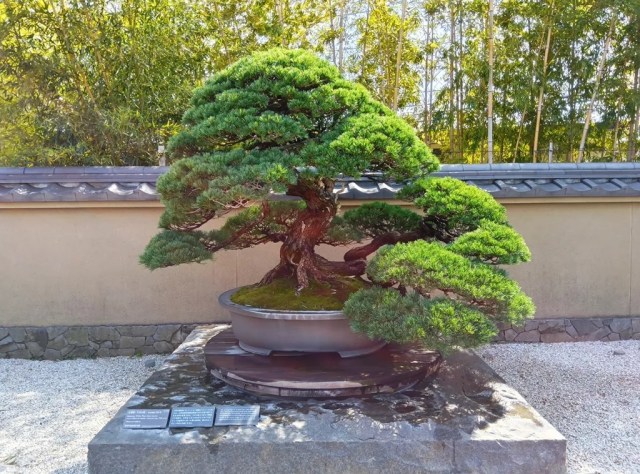
Less than an hour from downtown Tokyo, this neighborhood with a rich bonsai history is a beautiful spot for a little miniature tranquility.
Japanese culture has long embraced the philosophy that things don’t necessarily have to be big in order to be beautiful, and some of the truest examples of that are bonsai trees. And if you’re looking for some of the best examples of just how much beauty there can be in Japan’s gardening tradition of intricately cared for miniature trees, you’ll find them at the Omiya Bonsai Art Museum.
Located in Saitama City, the museum is a little less than an hour north of downtown Tokyo. Even before you get to the museum itself, though, you’ll already be walking through a bit of bonsai history.
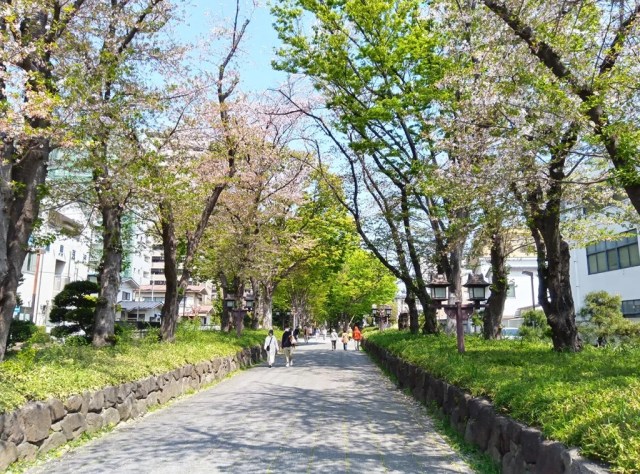
We stumbled into this entirely by accident while exploring the town, when we looked on a local guide map and saw…

…that there’s a whole neighborhood, stretching west from Omiya Koen Station, called “Bonsai Village!”
▼ 盆栽村 = Bonsai Village

In 1923, Tokyo was devastated by a huge earthquake. Among those displaced by the devastation were bonsai cultivators and gardeners who’s been living in the capital, and many of them relocated to Saitama. At one point, it was even said that owning/growing at least 10 bonsai trees was a prerequisite for securing housing in the neighborhood.
Today, there are still a number of bonsai nurseries located in the neighborhood, who not only raise and sell the trees, but purchase them too. If properly cared for, bonsai can have very long lives, sometimes outliving their original owners, and if none of their heirs are able to take care of the plants, the nurseries will buy them so that they don’t get thrown out.
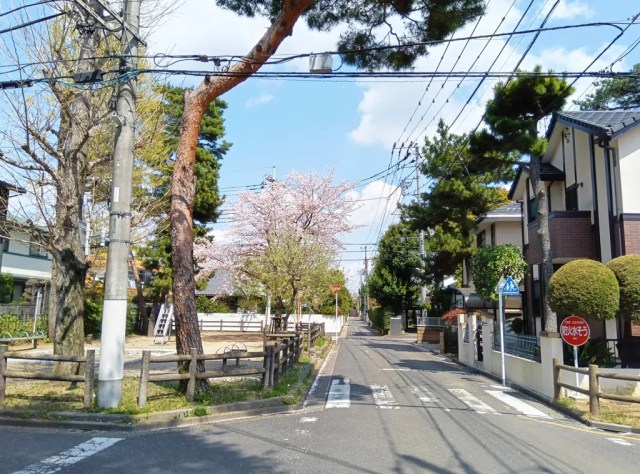
That love of plant life manifests itself in the neighborhood’s landscaping as well, as there’s a huge variety of even non-bonsai trees on and in the area’s streets, parks, and plazas, with some very nice pines in particular that we passed by.
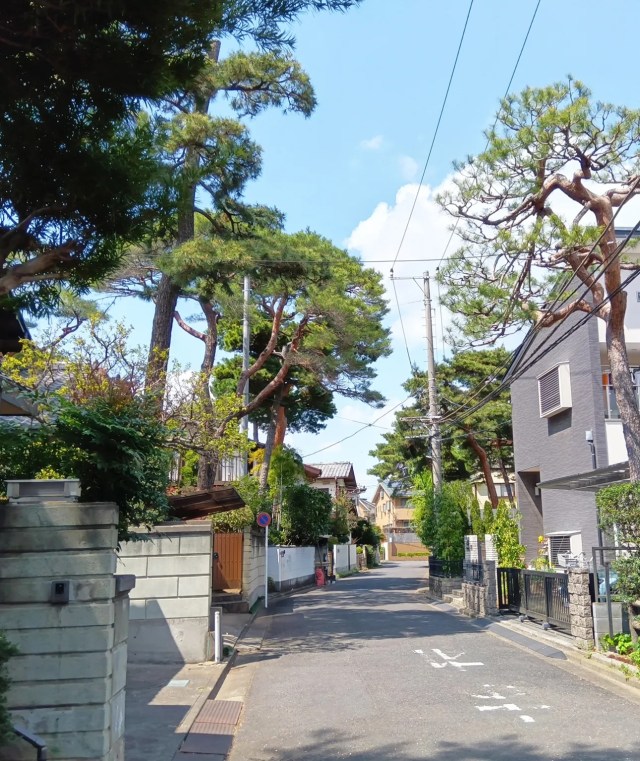
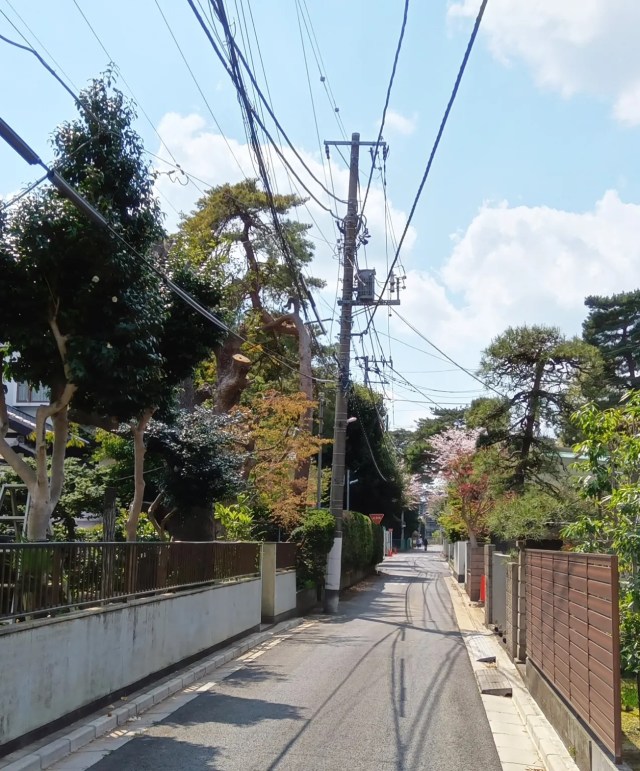
The highlight of Omiya’s Bonsai Village, though, is the Omiya Bonsai Art Museum.
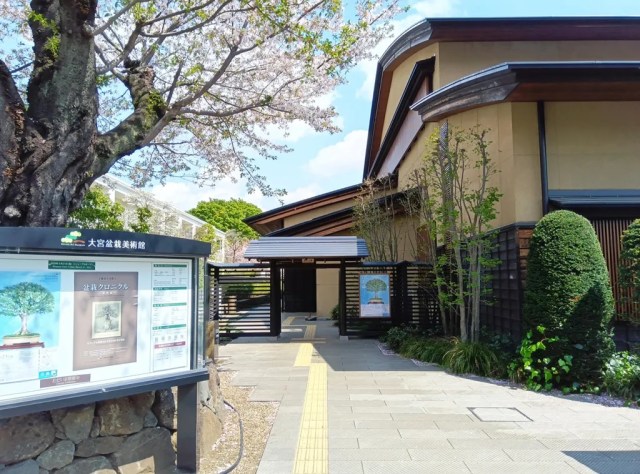
With a modest admission fee of just 310 yen (US$2.15), the entry barrier is about as low as it can be, so we purchased a ticket and stepped on inside to what it turns out is a museum that’s very welcoming even to complete newbies.
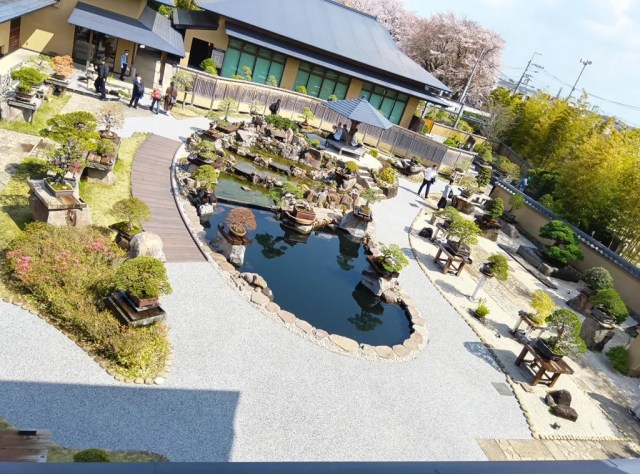

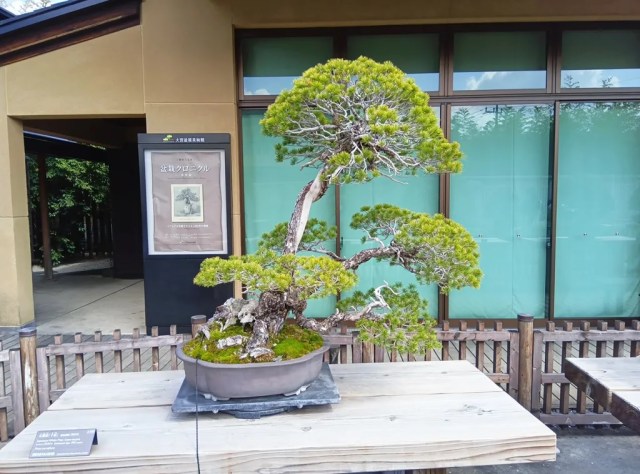
Aside from the indoor sections, the museum also has a lovely open-air bonsai garden, which displays a rotating selection from their collection of trees, picked according to the season. There are always 70 or so trees in total on display at the museum, and guidance is offered in both English and Japanese, including advice on how to look at bonsai.
The first suggestion we were given was to look at the bonsai straight-on. That might seem obvious, but we did it anyway, and taking a few extra moments to really appreciate the various twists and turns of their branches, the coloring of their bark, and the expressive angles of their needles and leaves did help us appreciate them on a deeper level.
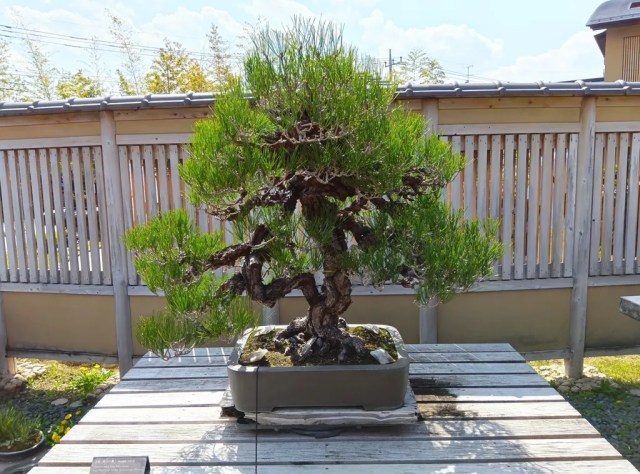
But where things really got cool was when we followed the second point of advice, which is to look up at the bonsai from below. This isn’t something that we’d have thought to do on our own, given their small size, but when we did…
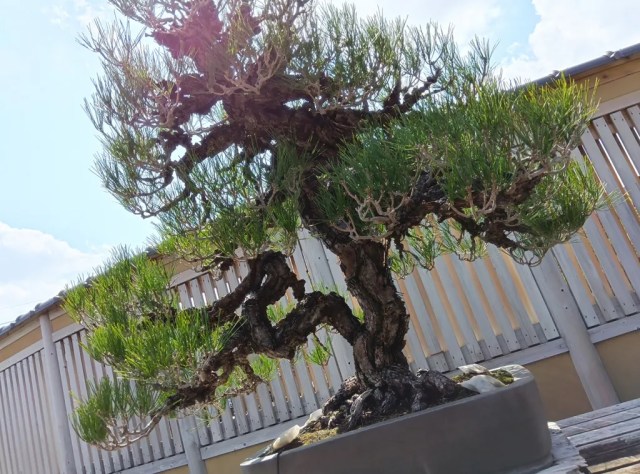
…the new perspective gave the trees a whole new character. From this angle, there’s a new, augmented dynamism to how the roots break free from the soil and the branches stretch towards the sky. Viewed from directly ahead or above, bonsai often appear cute, but seen from below, they’re awesome.
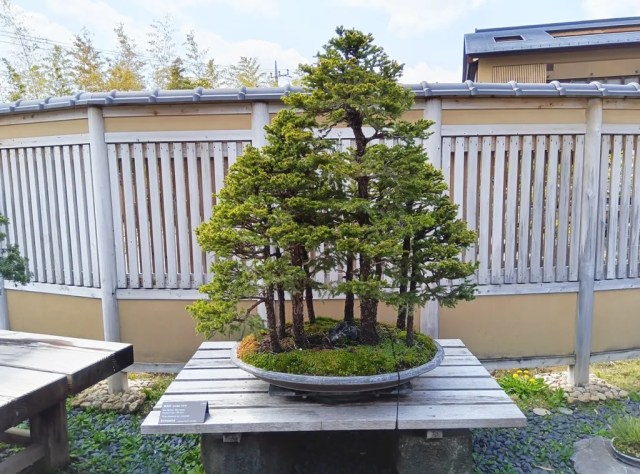
Seeing so many bonsai in the same place also drives home just how different one tree can be from another, and how much their atmosphere can be affected by the pot and stones they’re paired with. Some compositions look like miniature forests…
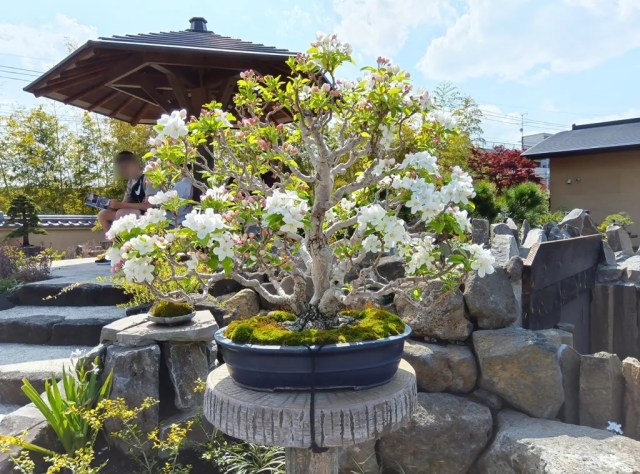
…while others blossom in a way that almost feels like you’re looking at giant flowers, not a small tree.
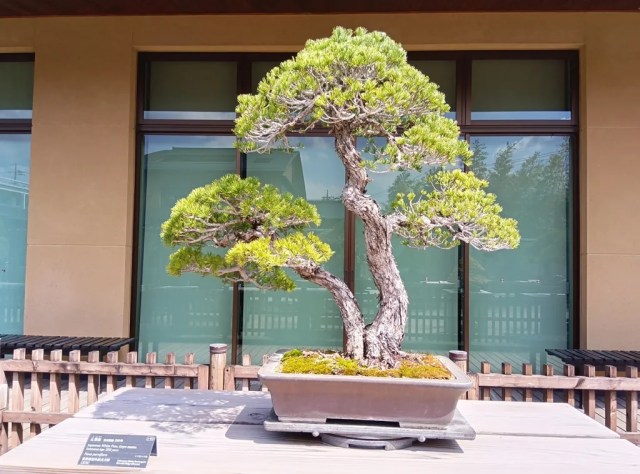
Photography is freely allowed in the open-air section, so feel free to snap away and pose by your favorite bonsai to your heart’s content. In the indoor areas you’ll find more trees on display, as well as paintings of bonsai, and the museum also offers periodic workshops, some with English instruction, where you can get hand-on instruction in the bonsai basics of how to care for and shape the trees.

Though we ended up at the Omiya Bonsai Art Museum on this day entirely by chance, our timing was still pretty lucky. The museum opened in 2010, but was closed between last November and late March of this year for renovation work.
As mentioned above, the museum periodically holds workshops and other special events, such as after-dark light-ups of the garden. Some of these require advance reservations, so it’s worth keeping an eye on the museum’s official website to see what’s coming up, but even if you end up visiting the place entirely on a whim, like we did, it’s a beautiful experience.
Location information
Omiya Bonsai Art Museum / 大宮盆栽美術館
Address: Saitama-ken, Saitama-chi, Kita-ku, Toro-cho 2-24-3
埼玉県さいたま市北区土呂町2丁目24−3
Open 9 a.m.-4:30 p.m. (March-October), 9 a.m.-4 p.m. (November-February)
Admission: 310 yen
Website
Photos ©SoraNews24
● Want to hear about SoraNews24’s latest articles as soon as they’re published? Follow us on Facebook and Twitter!
[ Read in Japanese ]
 Want to Grow a Bonsai Tree? There’s an App for That
 Real dry bonsai trees coming to Japanese capsule toy vending machines【Photos】
 This beautiful Starbucks just outside Tokyo has an aural connection to Japan’s samurai past【Pics】
 Japan’s weeping plum trees are so beautiful they’ll bring tears to your eyes【Photos】
 Japan’s beautiful TeamLab art group opening its first permanent immersive museum in Kyoto【Video】
 Japan reportedly adding Japanese language skill requirement to most common foreigner work visa
 You can assemble a well-balanced team of Pokémon, them eat them, thanks to Japanese cake chain
 Can a downtown Tokyo super sento bathhouse beat a hotel for a one-night stay?
 Pokémon and Ikea Japan cross over into each other’s worlds with collaboration events
 Japan named most sleep-deprived country for fourth year in a row, according to survey
 Starbucks Japan closing only Shinkansen platform branch for popularity-triggered renovations
 Tokyo turns its phone booths into free Wi-Fi hotspots, and here’s how to use them
 Randy’s Donuts opens first-ever branch in Japan, brings L.A.’s donuts to Tokyo【Photos】
 Haku is…Chihiro’s dead brother? Studio Ghibli fans blown away by Spirited Away theory
 These Chinese-style steamed buns have adorable animal faces
 Tokyo’s best museum for foreign travelers finally reopens after being closed for four years
 Pokémon lacquerware series expands for Year of the Horse with new handcrafted design[Video]
 Two food hacks take Japan’s convenience store fried chicken to amazing new sandwich heights
 Tokyo subway and almost all Tokyo train lines now accepting credit card tap payments
 Totoro Fund line of beautiful artwork and apparel lets you help the real-world Totoro Forest
 Fading Tokyo – Searching for signs of the Showa era as local neighborhoods evolve[Photos]
 Famous Tokyo cherry blossom spot installs view-blocking screens to fight overcrowding[Video]
 Studio Ghibli adds new My Neighbour Totoro 2026 Corn Gift to its anime store for Mother’s Day
 Japan now has a special desk for people who work at home with a pet cat[Photos]
 Uniqlo announces new T-shirts for One Piece, Naruto and more for manga publisher’s 100th birthday
 Train station platform ramen store closes its doors on half a century of history in Tokyo
 Starbucks Japan releases new My Fruit³ Frappuccino at only 34 stores around the country
 Studio Ghibli releases Catbus pullback keychain that runs like the anime character
 Krispy Kreme releases Super Mario doughnuts in Japan for a limited time
 Japanese onsen egg maker from 100-yen store Daiso needs to be on your shopping list
 Nine great places to see spring flowers in Japan, as chosen by travelers (with almost no sakura)
 Survey asks foreign tourists what bothered them in Japan, more than half gave same answer
 Japan’s human washing machines will go on sale to general public, demos to be held in Tokyo
 Starbucks Japan releases new drinkware and goods for Valentine’s Day
 We deeply regret going into this tunnel on our walk in the mountains of Japan
 Studio Ghibli releases Kodama forest spirits from Princess Mononoke to light up your home
 Starbucks Japan releases new sakura goods and drinkware for cherry blossom season 2026
 Japan’s newest Shinkansen has no seats…or passengers [Video]
 Major Japanese hotel chain says reservations via overseas booking sites may not be valid
 Put sesame oil in your coffee? Japanese maker says it’s the best way to start your day【Taste test】
 No more using real katana for tourism activities, Japan’s National Police Agency says
 Reconnect with art at the Trowel Picture Museum in Fukuoka
 It’s time to get a jump on beautiful pink blossoms at this forest garden in Japan【Photos】
 The top 20 places to visit in Tokyo, as chosen by travelers
 Tokyo’s Rikugien garden: Beautiful for 300 years, but especially in autumn after dark
 Check out these photos from the British Museum’s beautiful Manga special exhibition【Photos】
 Three beautiful places to see Japan’s plum blossoms after starting your day in downtown Tokyo
 Survey picks Japan’s top three (actually four) open-air museums【Photos】
 A visit to Japan’s wasp nest art museum stings us with respect for the industrious insects【Pics】
 There’s a new museum in Japan, but almost all of its location is a secret
 The 10 best day trips from downtown Tokyo【Survey】
 We found the classiest branch of one of Japan’s best cheap restaurants on a Kyoto side street
 Japan’s 10 most beautiful hydrangea spots to visit【Photos】
 Why you should visit Shizuoka, the green tea oasis in the middle of Japan’s golden route
 One of Tokyo’s most beautiful gardens gets its own moon for moon-viewing season
 Japan’s chocolate toilets are disturbingly delicious【Photos】