
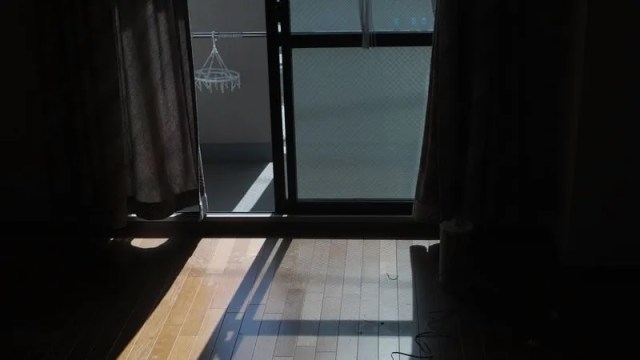
Jiko bukken survey examines the deal-breakers and deal-makers among apartment hunters in Japan.
In Japanese real estate, some apartments and homes are referred to as “jiko bukken,” or “accident properties.” This is a euphemism for properties in which a death or violent crime took place, or which was damaged by a fire or natural disaster. Real estate agencies are required to disclose jiko bukken status in property listings, and since it’s never seen as a desirable thing by prospective renters or buyers, landlords usually need to knock the price down too in order to seal the deal.
However, there are some “accidents” which are going to be absolute deal breakers. To investigate, Wakeari Bukken Kaitori Pro, a Japanese real estate agency that specializes in unorthodox properties, conducted an online survey asking participants about what sort of “accident property” they absolutely don’t want to live in, as well as what sort of upsides would convince them to live in one, collecting a total of 500 responses.
Among the deal breakers, the number-three response, from 9.2 percent of participants, was an apartment or home in which a fire had occurred. Obviously repairs would be carried out before new tenants move in, but survey respondents worried about the quality and reliability of patchwork renovations in which surviving parts of the building had to blended with replaced sections, and also felt that, even if there weren’t any functional problems, the aesthetics would be off.
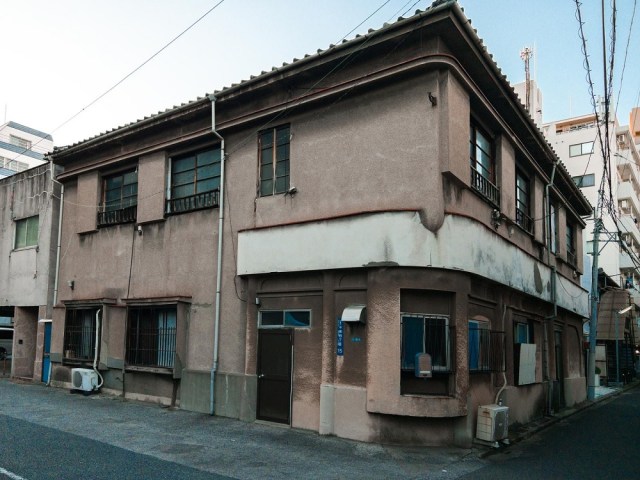
The second-most common response, 21.4 percent, was a home in which the previous occupant had committed suicide. Reasons for this response included supernatural fears of lingering dark energies, psychological unease from being unable to avoid thinking about what had happened in the home, and even concerns that something about the home’s physical environment, such as poor air circulation or excessive dampness, could indirectly affect a resident’s mental state.
At the top of the list of no-way jiko bukken, though, and by a wide margin, were homes in which a murder had taken place. Along with sharing many of the misgivings related to homes in which a suicide had occurred, properties in which someone was murdered carry an additional personal safety issue. Respondents making this their pick said that if such a violent crime could occur in a home, they’d worry about the overall level of safety in the area and would be uncomfortable living there.
Switching over to the other side of the survey, when asked what could entice them to live in an accident property, the respondents’ number-five answer, from 5.8 percent, was a property in which the deceased was discovered soon after passing away, under the logic that this would mean less in terms of odors or other effects on the cleanliness of the home. Above that, 9.8 percent of the survey participants said they could live in a jiko bukken if the location was especially good, such as being just a short distance from the nearest train station. One woman added that she doesn’t spend all that much time at home anyway, and as long as the surrounding neighborhood is nice, she wouldn’t feel uneasy for the amount of time she’s not out and about.
▼ It’s easier to not worry about your apartment possibly having bad mojo when you know for sure that the local cafe has good java.

Coming in at third, with 18.2 percent, were jiko bukken that have had their exteriors and interiors thoroughly cleaned and repaired, and after that was a large gap until the number-two response, from 34.6 percent of the survey participants: an accident property in which the accident wasn’t of a particularly shocking nature. In more concrete terms, this meant homes in which the previous occupant had died due to either natural causes, such as old age, or illness. While those still aren’t plusses in the eyes of home-seekers, a certain amount of such deaths were seen as inevitabilities, and so they’re less likely to color one’s perception of a home to the extent that a suicide or murder would.
Finally, at the top of the “I’d be OK living in a jiko bukken if…” list, we come to the obvious number-one answer, from 54.2 percent of the survey participants: cheap rent. As mentioned above, real estate listings are required to disclose jiko bukken status, and it’s always going to be impossible to rent or sell them for the same price as an otherwise comparable property that isn’t a jiko bukken. That means that people who are willing to live in one can reap two types of potential benefits, either saving money that they can then use in other ways or living in a class of apartment or neighborhood that they wouldn’t otherwise be able to afford.
Ultimately, whether living in a jiko bukken is worth the drawbacks, or even whether there actually are any drawbacks at all, is going to be up to one’s individual way of thinking. But since there will always be a portion of the population in Japan who would never choose one as their home, there will always be economic opportunities for those without any such hangups.
Source: PR Times, Wakeari Bukken Kaitori Pro
Top image: Pakutaso
Insert images: Pakutaso (1, 2)
● Want to hear about SoraNews24’s latest articles as soon as they’re published? Follow us on Facebook and Twitter!
[ Read in Japanese ]
 Living with ghosts: The rising popularity of ‘death rooms’ in Japan
 Japanese men share what they can put up with in a girlfriend, but would be marriage deal-breakers
 How much money do you need to live in your own apartment in Japan?【Survey】
 Food, sleep, or sex? Survey asks Japanese people which they can’t live without
 Burger King opens a rental site to help fast food lovers find an apartment in Japan
 Starbucks Japan closing only Shinkansen platform branch for popularity-triggered renovations
 Can a downtown Tokyo super sento bathhouse beat a hotel for a one-night stay?
 You can assemble a well-balanced team of Pokémon, them eat them, thanks to Japanese cake chain
 Pokémon and Ikea Japan cross over into each other’s worlds with collaboration events
 Sailor Moon’s Artemis is part of the Artemis II NASA mission control team[Video]
 Japan’s full-facemask Ninja Parka still lets you eat ice cream[Photos]
 Which Gundam is the favorite for fans in different countries? Gundam election announces results
 Huge life-size Eevee Eeveelution Pokémon plushies will steal hearts, conquer living rooms【Photos】
 Starbucks x Peanuts collaboration brings Joe Kind Snoopy to Japan with exclusive drinks and goods
 Tokyo turns its phone booths into free Wi-Fi hotspots, and here’s how to use them
 Tokyo’s best museum for foreign travelers finally reopens after being closed for four years
 Pokémon lacquerware series expands for Year of the Horse with new handcrafted design[Video]
 Two food hacks take Japan’s convenience store fried chicken to amazing new sandwich heights
 Tokyo subway and almost all Tokyo train lines now accepting credit card tap payments
 Totoro Fund line of beautiful artwork and apparel lets you help the real-world Totoro Forest
 Fading Tokyo – Searching for signs of the Showa era as local neighborhoods evolve[Photos]
 Famous Tokyo cherry blossom spot installs view-blocking screens to fight overcrowding[Video]
 Studio Ghibli adds new My Neighbour Totoro 2026 Corn Gift to its anime store for Mother’s Day
 Japan now has a special desk for people who work at home with a pet cat[Photos]
 Uniqlo announces new T-shirts for One Piece, Naruto and more for manga publisher’s 100th birthday
 Train station platform ramen store closes its doors on half a century of history in Tokyo
 Starbucks Japan releases new My Fruit³ Frappuccino at only 34 stores around the country
 Studio Ghibli releases Catbus pullback keychain that runs like the anime character
 Krispy Kreme releases Super Mario doughnuts in Japan for a limited time
 Japanese onsen egg maker from 100-yen store Daiso needs to be on your shopping list
 Nine great places to see spring flowers in Japan, as chosen by travelers (with almost no sakura)
 Survey asks foreign tourists what bothered them in Japan, more than half gave same answer
 Japan’s human washing machines will go on sale to general public, demos to be held in Tokyo
 Starbucks Japan releases new drinkware and goods for Valentine’s Day
 We deeply regret going into this tunnel on our walk in the mountains of Japan
 Studio Ghibli releases Kodama forest spirits from Princess Mononoke to light up your home
 Starbucks Japan releases new sakura goods and drinkware for cherry blossom season 2026
 Japan’s newest Shinkansen has no seats…or passengers [Video]
 Major Japanese hotel chain says reservations via overseas booking sites may not be valid
 Put sesame oil in your coffee? Japanese maker says it’s the best way to start your day【Taste test】
 No more using real katana for tourism activities, Japan’s National Police Agency says
 These are Tokyo train lines people most want to live along【Survey】
 Survey picks the eight best Tokyo-area neighborhoods to live in, and number one isn’t in Tokyo
 Which prefecture has the most chilled young people? Survey asks 20 year olds “what are you worried about?”
 Japanese women asked what best job for a husband is, may be looking for romantic-comedy lead
 The 10 best places for young, single people to live in and around Tokyo【Survey】
 Survey reveals most Japanese workers want to work from home at least twice per week