
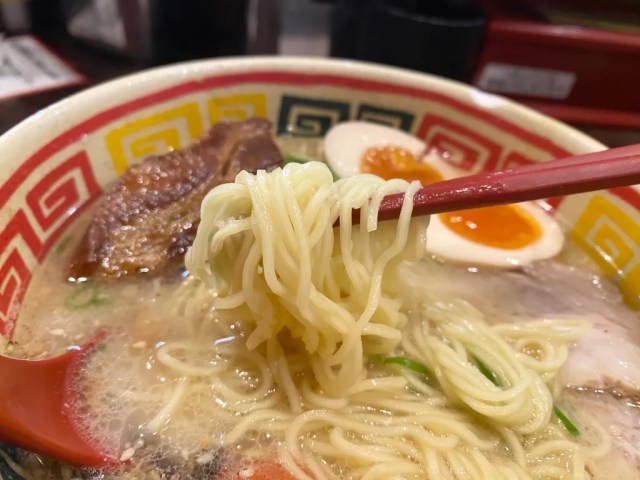
Annual study shows fewer ramen joints went bankrupt in 2025, but that doesn’t mean everything is fine and dandy for the industry.
2024 was a rough year for ramen restaurants in Japan, as research firm Teikoku Databank found 79 ramen restaurant bankruptcies in its annual study of the industry, the most ever since its first iteration in 2010. 2024 wasn’t an isolated case, either, as it marked the third year in a row of increasing bankruptcies.
Things are finally looking better, though, as Teikoku has just released the results of its 2025 study, in which ramen restaurant bankruptcies fell by 25.3 percent, to 59.
For the study, Teikoku Database counted ramen restaurants that had debts exceeding 10 million yen (US$65,000) and had filed for bankruptcy proceedings.
Analysts point to rising costs as the reason for the large number of bankruptcies in recent years. Teikoku prepares an annual ramen cost index, calculated as the Tokyo-area average prices for the ingredients in a typical bowl of tonkotsu ramen: wheat for the noodles, pork bone for the broth stock, and toppings of vegetables and sliced pork. Since 2020, that total price has risen by 41 percent, Teikoku says.
Though ramen restaurant bankruptcies fell from 54 cases in 2020 to just 17 in 2021, when pandemic-period government aid was propping up many eateries, they rose to 33 in 2022 and then 53 in 2023 before hitting their peak of 79 in 2024. So while 59 bankruptcies in 2025 remains a significant number, it’s still encouraging to see the first decrease in four years.
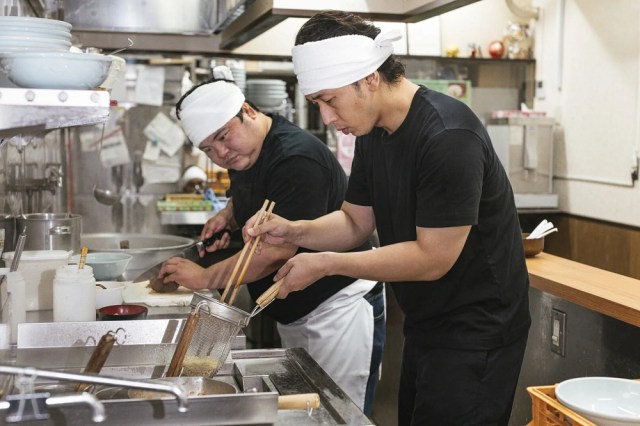
Teikoku credits the reduced bankruptcies to a combination of factors, including trends such as brothless ramen that requires fewer ingredients and operational changes such as cashless payment systems and utilization of centralized kitchens providing semi-finished products to individual restaurants, allowing for smaller staffs and lower overhead costs. Teikoku says there’s also been a shift away from trying to succeed through high-volume sales and towards trying to increase per-customer profits, sometimes through offering more premium-style ramen or simply raising menu prices, with the latter being something that Teikoku says there’s growing acceptance of among ramen restaurant diners.
However, this doesn’t mean that running a ramen restaurant is now an easy path to financial success. While 2025’s 59 bankruptcies is a decrease compared to 2024, it’s still the second-highest number since 2010, and prices for ingredients haven’t come down, so those cost pressures are still there for restaurant operators. It’s also worth bearing in mind that Teikoku’s study is only concerned with bankruptcies specifically. So if, for example, the owners of a ramen restaurant decide to shut their business down after being forced to drain their savings to cover their debts, they’re still in a very bad place financially, but not counted as one of the year’s bankruptcies in Teikoku’s study. There’s also the question of how viable raising menu prices is as a long-term strategy, as it runs the risk of undoing ramen’s long-held image as a tasty but affordable dining option, and in turn eroding its fanbase, especially among younger diners.
That said, fewer bankruptcies, in and of itself, is a good thing, and Teikoku says there’s a chance that the number will fall even lower in 2026 as large restaurant groups, chains, and investment funds look to acquire or merge with small/medium-scale ramen restaurants facing financial difficulties or lacking a successor to take over from owners looking to retire.
Source: Teikoku Database via FNN Prime Online via Livedoor News via Hachima Kiko
Top image ©SoraNews24
Insert image: Pakutaso
● Want to hear about SoraNews24’s latest articles as soon as they’re published? Follow us on Facebook and Twitter!
 Tough times for Japanese pubs as izakaya bankruptcies come at highest rate in more than a decade
 Bento bankruptcies increasing as Japan’s boxed lunch shops struggle in the new dining landscape
 Akihabara curry restaurant declaring bankruptcy after 50 years in Tokyo’s otaku neighborhood
 Japan’s suicides fall to lowest recorded number ever, but one demographic hits all-time high
 Japan’s first-ever ramen restaurant, which closed 44 years ago, is reopening this fall!
 Can a downtown Tokyo super sento bathhouse beat a hotel for a one-night stay?
 Pokémon and Ikea Japan cross over into each other’s worlds with collaboration events
 Two food hacks take Japan’s convenience store fried chicken to amazing new sandwich heights
 Fading Tokyo – Searching for signs of the Showa era as local neighborhoods evolve[Photos]
 Which Gundam is the favorite for fans in different countries? Gundam election announces results
 Kiki’s Deliver Service heroine gets new design from Spy x Family artist for 40th anniversary
 This overlooked neighborhood east of Tokyo is awesome in many ways, left us with just one regret
 Famous Tokyo cherry blossom spot installs view-blocking screens to fight overcrowding[Video]
 Oodles of noodles! Udon chain pays homage to all 47 prefectures of Japan with 47 dishes【Photos】
 Hinamatsuri Pikachu kimono couple plushie on the way to celebrate Japan’s Doll Festival【Photos】
 Tokyo’s best museum for foreign travelers finally reopens after being closed for four years
 Pokémon lacquerware series expands for Year of the Horse with new handcrafted design[Video]
 Tokyo subway and almost all Tokyo train lines now accepting credit card tap payments
 Totoro Fund line of beautiful artwork and apparel lets you help the real-world Totoro Forest
 Tokyo turns its phone booths into free Wi-Fi hotspots, and here’s how to use them
 Studio Ghibli adds new My Neighbour Totoro 2026 Corn Gift to its anime store for Mother’s Day
 Japan now has a special desk for people who work at home with a pet cat[Photos]
 Uniqlo announces new T-shirts for One Piece, Naruto and more for manga publisher’s 100th birthday
 Train station platform ramen store closes its doors on half a century of history in Tokyo
 Starbucks Japan releases new My Fruit³ Frappuccino at only 34 stores around the country
 Studio Ghibli releases Catbus pullback keychain that runs like the anime character
 Krispy Kreme releases Super Mario doughnuts in Japan for a limited time
 Japanese onsen egg maker from 100-yen store Daiso needs to be on your shopping list
 Nine great places to see spring flowers in Japan, as chosen by travelers (with almost no sakura)
 Survey asks foreign tourists what bothered them in Japan, more than half gave same answer
 Japan’s human washing machines will go on sale to general public, demos to be held in Tokyo
 Starbucks Japan releases new drinkware and goods for Valentine’s Day
 We deeply regret going into this tunnel on our walk in the mountains of Japan
 Studio Ghibli releases Kodama forest spirits from Princess Mononoke to light up your home
 Starbucks Japan releases new sakura goods and drinkware for cherry blossom season 2026
 Japan’s newest Shinkansen has no seats…or passengers [Video]
 Major Japanese hotel chain says reservations via overseas booking sites may not be valid
 Put sesame oil in your coffee? Japanese maker says it’s the best way to start your day【Taste test】
 No more using real katana for tourism activities, Japan’s National Police Agency says
 We eat at Japan’s first-ever ramen restaurant, finally reopened after 44 years
 Miss Hooters Japan finalists announced day after chain files for bankruptcy protection in Japan
 A visit to the real-life Naruto Ramen Ichiraku anime restaurant that’s not in Japan【Photos】
 Sushi passed up by ramen in survey of foreign tourists’ favorite thing to eat in Japan, but why?
 Japan’s first all-matcha ramen restaurant is now open in Kyoto【Photos】
 This Tokyo ramen restaurant is the first to ever receive a Michelin dining guide star
 Japan’s most popular curry rice restaurant chain losing customers as it raises prices
 Tokyo ramen restaurant apologizes for trying to set too-strict time limit for eating its noodles
 Kyoto’s Fire Ramen restaurant expands overseas with first location outside Japan
 Which city spends the most on ramen every year? Not Tokyo, Sapporo, or Fukuoka, but a Tohoku town
 Non-ramen Ramen Restaurant Stars: The quest begins at Tokyo’s Oreryu Shio
 Japanese restaurant says its wonder ramen provides all the vegetables your body needs in one bowl
 Tokyo ramen restaurant bans customers from watching YouTube videos on their phones while eating
 Japan’s foreign tourist numbers projected to fall for first time in years in 2026
 Ramen and dekotora come together at this restaurant in Japan
 Tokyo ramen restaurant’s made-to-order noodles are only the beginning of its awesomeness
 Ramen restaurant etiquette reminder follows altercation with angry couple: One person, one bowl