The worldwide hit and classical Japanese poetry game get a dose of Ghibli anime appeal.
The game of karuta is a fascinating, elegant, and fun part of traditional Japanese culture. It’s a card game in which each card has written on it a line from a classical Japanese poem. The cards are spread out between the players, and a non-competitor begins reading a randomly selected poem out loud. The goal is to quickly figure out which poem is being read and snatch up the corresponding card before your opponent can.
▼ An organized karuta match
Though it’s a deeply Japanese game, karuta has been getting more and more attention internationally, in part thanks to the global fanbase earned by karuta anime/manga Chihayafuru and its live-action movie adaptations. Actually playing karuta for yourself, though, is kind of tricky, since it requires not only some Japanese-language proficiency, but specifically an understanding of classical Japanese (which has quite a few differences from the modern version of the language) and familiarity with the specific 100 tanka poems that are used in an official set.
However, there’s a way to ease yourself into the world of karuta, one that uses more modern Japanese and passages the general Japanophile community has probably had more experience hearing: Studio Ghibli anime line karuta.
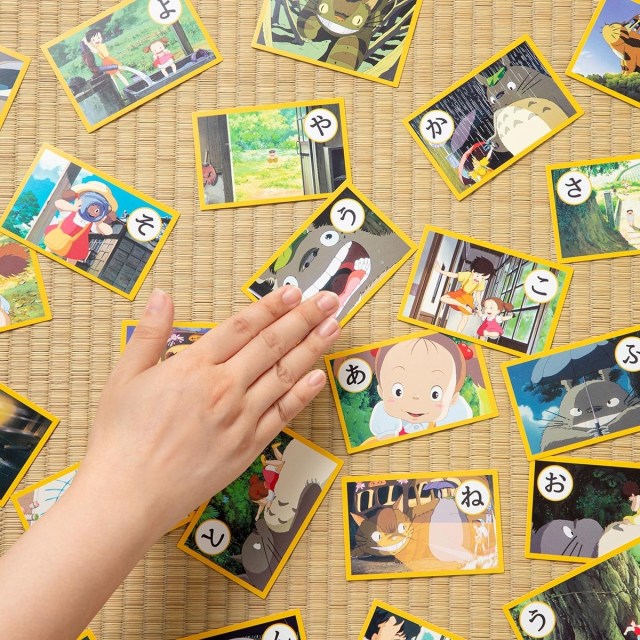
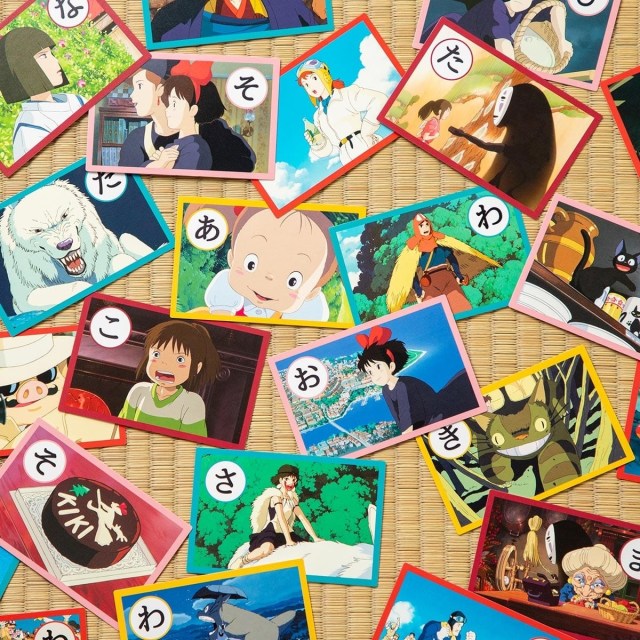
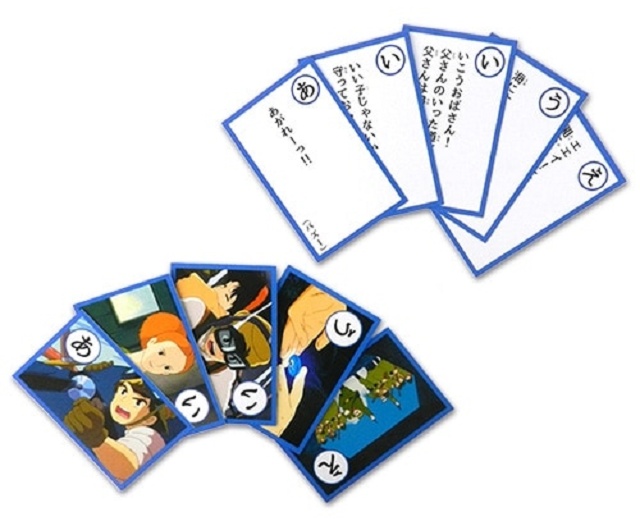
Ghibli specialty shop Donguri Kyowakoku has multiple karuta sets, focusing on different movies from the studio. Instead of a poem, the cards correspond to lines of dialogue, with stills from the scene in which they’re spoken. Each card also has the first hiragana phonetic character of the dialogue line written in the corner, which are much easier to recognize if you’re still learning the language than the complex kanji common in classical poetry.
▼ For example, the card for Chihiro’s line of “Koko de hatarakasete kudasai!” (“Please let me work here!”), has the phonetic character for ko, こ, on it.

As with standard karuta, Ghibli karuta is something you’ll need some Japanese language skill to play, but it’s a much lower hurdle than that of orthodox karuta, and with even the kanji characters on the to-be-read-out-loud cards having phonetic guides, this version of the game is something that even beginner-level learners of the language can have fun with. Plus, you get 45 beautifully illustrated cards in each set, which you can enjoy looking at even when not playing.
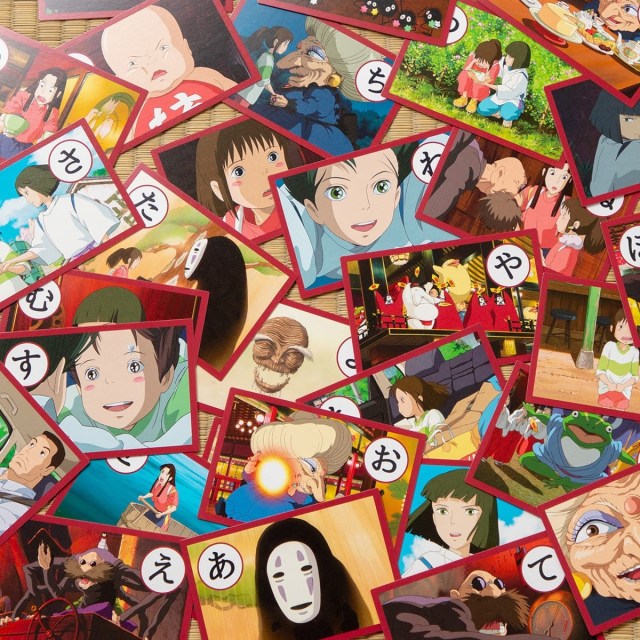
In addition to My Neighbor Totoro and Spirited Away, there are sets currently available for Kiki’s Delivery Service…
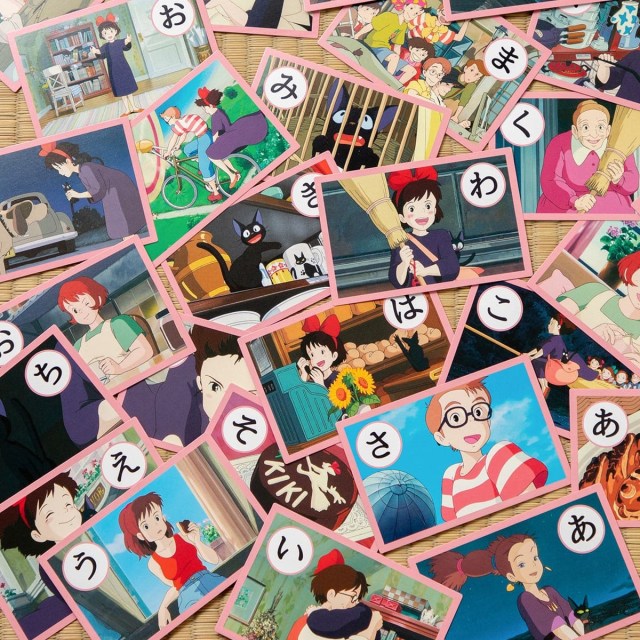
…Porco Rosso…
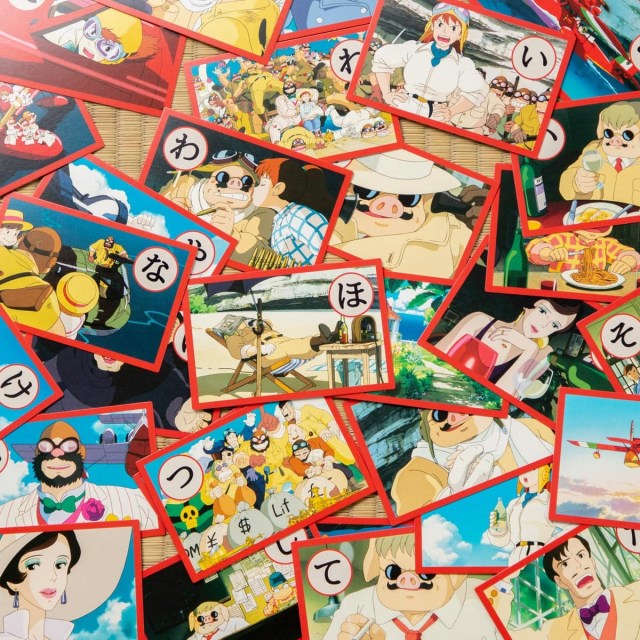
…and Castle in the Sky/Laputa.
You might have also spotted Princess Mononoke karuta cards in these photos, but those appear to be entirely out of stock at the moment.
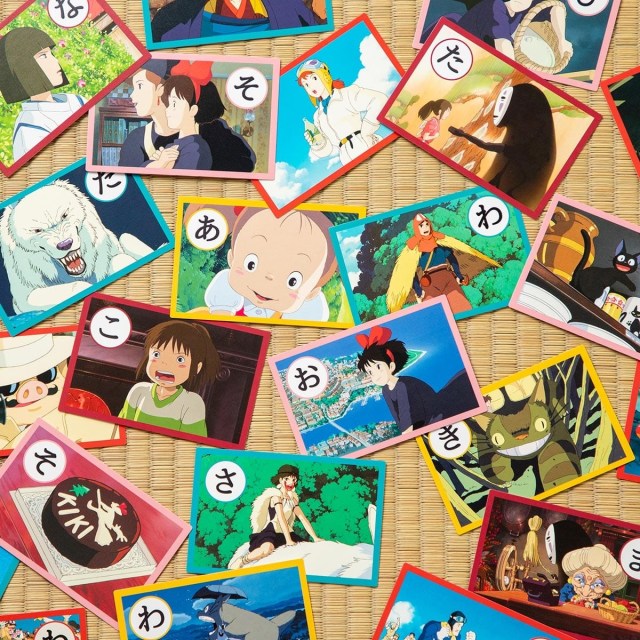
While formal competitive karuta is played as a one-on-one match on tatami read flooring while wearing kimono, at the just-for-fun level it can be played on tabletops with a larger group of players, wearing whatever they feel like.
Ah, but what if your card game interests are focused more on numbers than words? Then maybe what you need is a Totoro Uno deck.
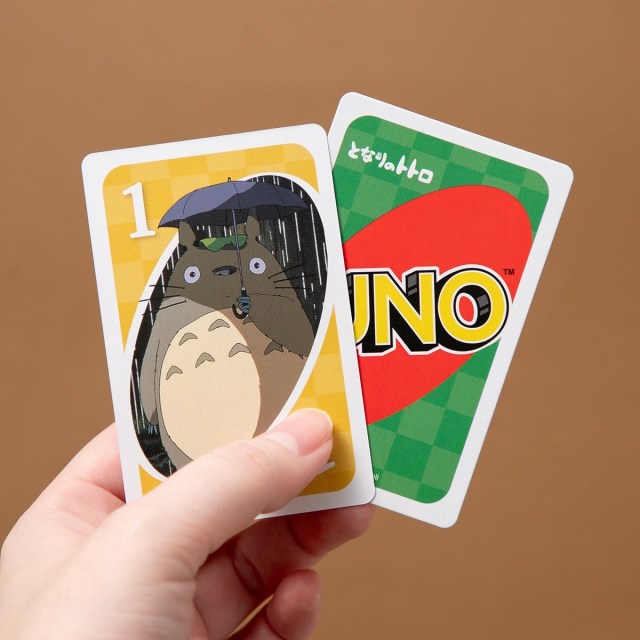
Yep, Uno is a very popular card game in Japan, and it’s especially associated with cozy, laidback times with friends and family, making Totoro’s artwork a great match for it.
▼ Plus there’s no language barrier at all to worry about here.
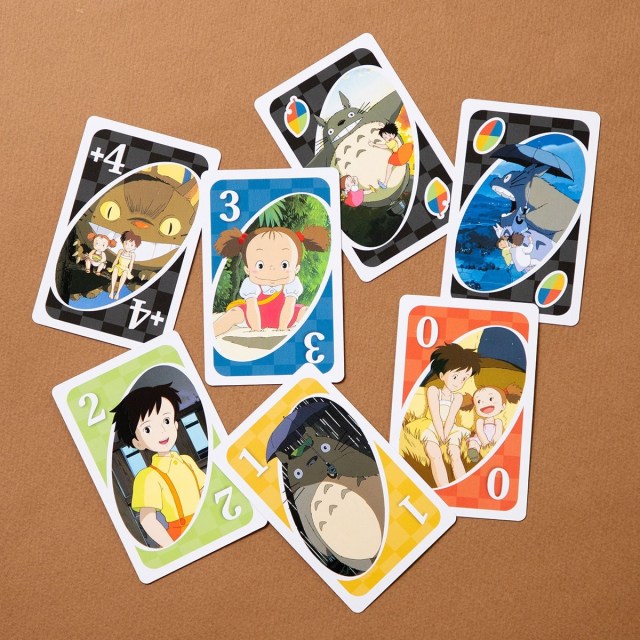
The karuta sets are priced at 1,650 yen (US$11) and the Totoro Uno deck at 1,540, and they’re all available through the Donguri Kyowakoku online shop here.
Source: Donguri Kyowakoku
Top image: Donguri Kyowakoku
Insert images: Donguri Kyowakoku (1, 2, 3, 4, 5, 6)
● Want to hear about SoraNews24’s latest articles as soon as they’re published? Follow us on Facebook and Twitter!