

Central prefecture quietly becomes the strawberry capital of Japan.
It’s strawberry season again in Japan, but for people like our writer Tasuku Egawa that doesn’t mean a whole lot aside from some interesting baked goods at Family Mart. However, for people like his friend, who is a devout strawberry follower and has not only traveled across the country to sample different varieties but also taken an exam to become a licensed strawberry sommelier, it is the best time of year.
One day, while listening to his friend’s enthusiastic rambling about strawberries, he was surprised to hear that the country’s and perhaps even the world’s best variety of strawberry comes from Saitama. This prefecture doesn’t have much of a reputation for its agriculture, but this was especially unbelievable because Tasuku is from Saitama and had never even heard about this.
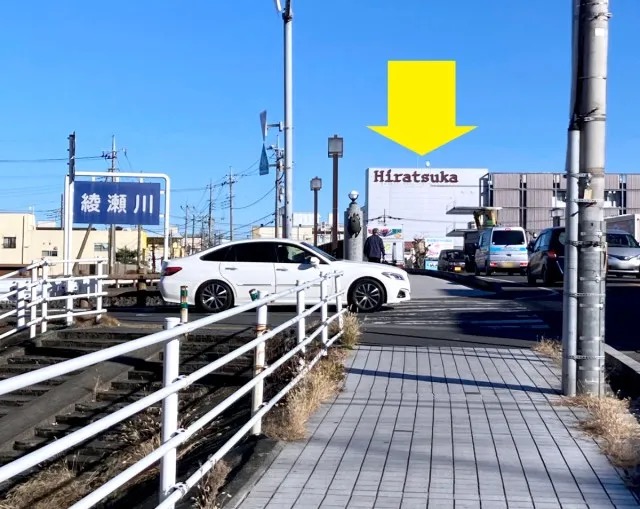
▼ We tend to associate Saitama with places like the Hiratsuka wafer factory, where you can buy giant wafers.
Afterward, he researched and found that indeed, Saitama’s strawberries have risen to the highest ranks in Japan over the years. However, they are so limited and coveted that even people living in Saitama have had trouble getting a hold of them. Thinking this might just be a blind spot in his own knowledge, Tasuku asked 18 of his other friends about this, and none of them were aware of Saitama’s strawberry prowess either.
When asked what strawberries they thought were the top tier in Japan, most of them mentioned Fukuoka Prefecture’s legendary variety Amaou or the Tochiotome, a stalwart strawberry from Tochigi Prefecture.
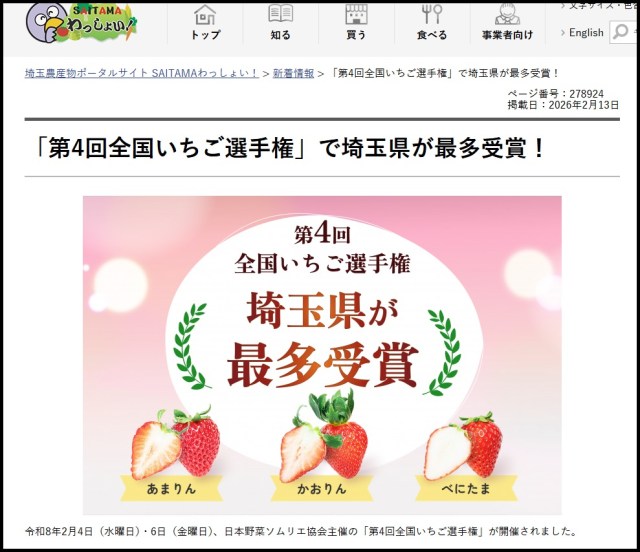
But according to Tasuku’s research, it was the Amarin variety from Saitama Prefecture that has ruled the strawberry kingdom with a sweet fist. It has won the grand prize in the last three National Strawberry Awards and placed very highly this year as well.
▼ Sorry if I’m spoiling this for anyone who DVRed the National Strawberry Awards ceremony.
Amarin was developed about 10 years ago by the Saitama Agricultural Technology Research Center, meaning that these strawberries are actually the intellectual property of the prefecture. As such, only farmers based in Saitama and permitted by the prefectural government are allowed to grow them. This ensures the brand’s quality, but also severely limits the supply.
Knowing all this, Tasuku went in search of some. Considering he lived in Saitama, he thought he had a competitive edge, and yet every supermarket he went to said they rarely have any in stock, and when they do, it’s only a few cases. The one phrase he heard often was, “If you find any, consider yourself very lucky.”
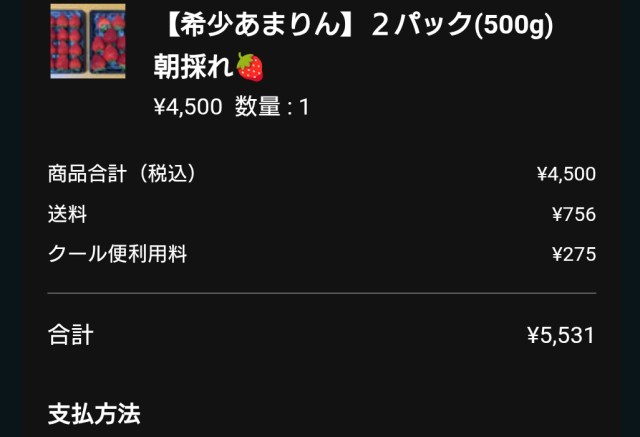
Even online, farms and other vendors were sold out one after another, despite this being the peak season, when supplies should be most plentiful. He finally found a website to order some from. They didn’t come cheap, however, and two small packs of Amarin came to 5,531 yen (US$36) with shipping.
▼ “Rare Amarin 2-Pack (500g)“
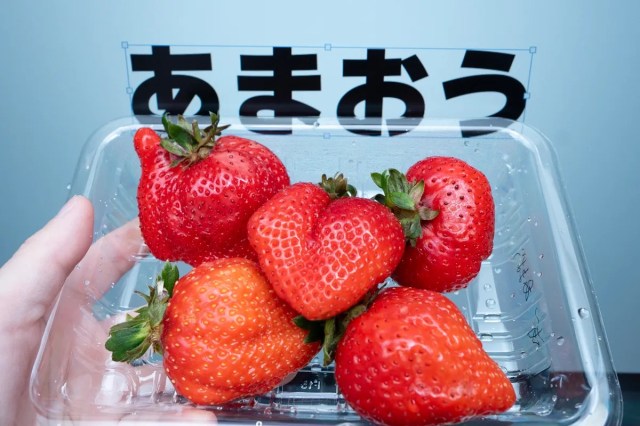
Tasuku also decided to put them berry-to-berry against Japan’s other top varieties to understand what supposedly makes Amarin so great. First, he got some Amaou, the reigning champion strawberry from western Japan.
▼ Amaou strawberries: 780 yen ($5) a pack
He had often eaten these and was not surprised by the elegant balance of sweetness and sourness. It was a reliable taste that he’d come to know and associate with the standard “strawberry” flavor.
Next, he tried the queen of strawberries in eastern Japan, Tochiotome.
▼ Tochiotome strawberries: 518 yen ($3.34) a pack
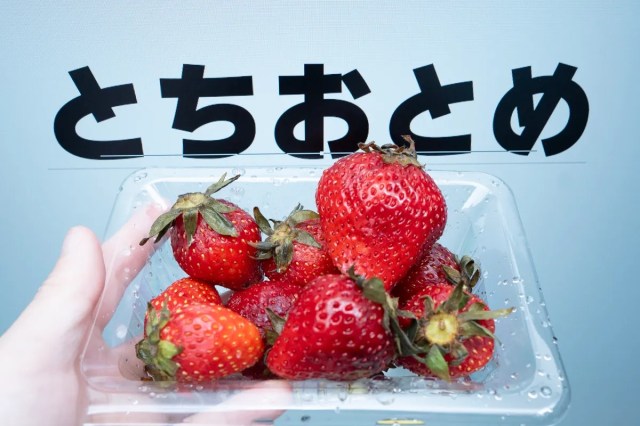
Despite being produced closer to where he lived, Tasuku didn’t have much experience with these. However, he felt they tasted a lot like the Amaou. In fact, he doubted he could accurately tell the difference between them from taste alone.
The other challengers to Amarin were Benihoppe from Shizuoka. Tasuku had researched the top varieties in Japan with the agriculture ministry data, and this stood tall along with Amaou and Tochiotome.
▼ Benihoppe strawberries: 537 yen ($3.46) a pack
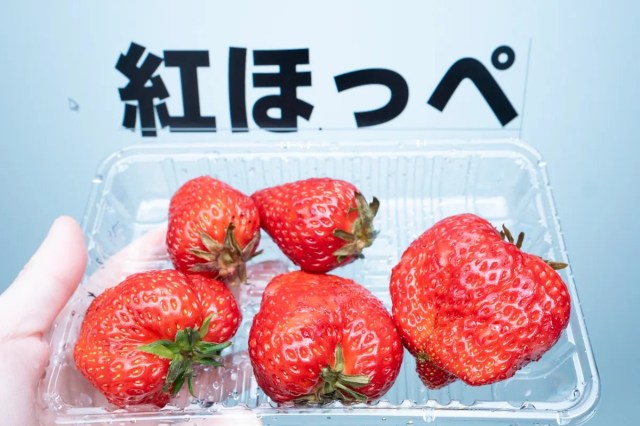
These didn’t exactly wow our writer. They had about the same sourness as the previous two, but there was a somewhat earthy tinge to their sweetness. Some people might be into that flavor profile, but it wasn’t his bag.
Finally, it was time to see what all the low-key hype for Amarin was about! Considering they cost about five times as much as the others, they had a lot to live up to…
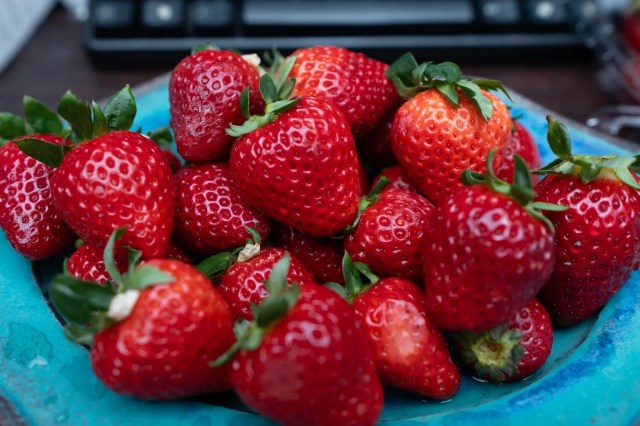
And they did! Tasuku could immediately taste the difference. Amarin strawberries were in a league of their own, and the competition wasn’t even close. Their sweetness was far beyond that of the other strawberries, and to our writer, it felt like eating strawberry jam.
That kind of sweetness might suggest they were overripe, but that wasn’t the case either. They had just the same firmness as perfectly ripe strawberries, but without the high acidity. Tasuku could easily see how they won so many competitions and felt the people at Saitama Agricultural Technology Research Center must be geniuses.
If there was one complaint, it would be that these strawberries are so sweet, they wouldn’t work as well on cakes or with cream where the interplay of sweet and tangy is highlighted. Still, considering the price, they’re probably best enjoyed on their own anyway.
If this sounds like something you’d like to try, we can only echo the words of so many supermarket produce clerks and say consider yourself lucky if you find some. The best places to check would probably be the gourmet sections of high-end department stores, among their other luxury foods. Also, since they’re controlled by the prefectural government, the Furusato Tax program could be a good avenue to try if you can navigate the complexity of it. And if there’s a Saitama antenna shop in your area, that would be well worth checking out, too. Happy hunting!
Photos ©SoraNews24
● Want to hear about SoraNews24’s latest articles as soon as they’re published? Follow us on Facebook and Twitter!
[ Read in Japanese ]
 Have the berry best vacay at one of these five strawberry-picking experiences in Japan
 “H” means a few things in Japan, which is why we mistook this vending machine for something else
 Is Denny’s Japan’s new ultra-expensive Amaou strawberry parfait worth it?【Taste test】
 What it’s like to eat a super expensive Japanese strawberry【Taste Test】
 Strawberry mochi dumpling vending machine made our Japanese station dungeon crawl worth it
 Japan reportedly adding Japanese language skill requirement to most common foreigner work visa
 Peanuts and Coke becomes a viral hit in Japan, but is it a trend worth joining?
 You can assemble a well-balanced team of Pokémon, them eat them, thanks to Japanese cake chain
 Starbucks Japan closing only Shinkansen platform branch for popularity-triggered renovations
 New Japanese KitKats come in sakura flavour, with poetic symbolism for success
 7-Eleven Japan’s new baked-in-store sweet treat is only available in three parts of the country
 A diner’s guide to oden: Japan’s weird-looking, super-popular winter dish
 Royce’s special wine-filled chocolate isn’t just luxuriously decadent, it’s preciousss
 7-Eleven Japan’s “Paper Tiger” sandwich sparks online controversy over deceptive packaging
 Five things that keep Japanese people chained to their jobs
 Pokémon and Ikea Japan cross over into each other’s worlds with collaboration events
 Pokémon lacquerware series expands for Year of the Horse with new handcrafted design[Video]
 Two food hacks take Japan’s convenience store fried chicken to amazing new sandwich heights
 Tokyo’s best museum for foreign travelers finally reopens after being closed for four years
 Totoro Fund line of beautiful artwork and apparel lets you help the real-world Totoro Forest
 Fading Tokyo – Searching for signs of the Showa era as local neighborhoods evolve[Photos]
 Tokyo turns its phone booths into free Wi-Fi hotspots, and here’s how to use them
 Japan now has a special desk for people who work at home with a pet cat[Photos]
 Famous Tokyo cherry blossom spot installs view-blocking screens to fight overcrowding[Video]
 Uniqlo announces new T-shirts for One Piece, Naruto and more for manga publisher’s 100th birthday
 Train station platform ramen store closes its doors on half a century of history in Tokyo
 Starbucks Japan releases new My Fruit³ Frappuccino at only 34 stores around the country
 Studio Ghibli releases Catbus pullback keychain that runs like the anime character
 Krispy Kreme releases Super Mario doughnuts in Japan for a limited time
 Japanese onsen egg maker from 100-yen store Daiso needs to be on your shopping list
 Nine great places to see spring flowers in Japan, as chosen by travelers (with almost no sakura)
 Survey asks foreign tourists what bothered them in Japan, more than half gave same answer
 Japan’s human washing machines will go on sale to general public, demos to be held in Tokyo
 Starbucks Japan releases new drinkware and goods for Valentine’s Day
 We deeply regret going into this tunnel on our walk in the mountains of Japan
 Studio Ghibli releases Kodama forest spirits from Princess Mononoke to light up your home
 Starbucks Japan releases new sakura goods and drinkware for cherry blossom season 2026
 Japan’s newest Shinkansen has no seats…or passengers [Video]
 Major Japanese hotel chain says reservations via overseas booking sites may not be valid
 Put sesame oil in your coffee? Japanese maker says it’s the best way to start your day【Taste test】
 No more using real katana for tourism activities, Japan’s National Police Agency says
 Drive-through strawberry picking pops up in Japan
 Monjayaki, the popular Tokyo dish you’ve probably never heard of 【RocketKitchen】
 Bring a friend to eat Japan’s 5-kilogram (11-pound) strawberry parfait, or it will take you down