Rice cooker manufacturer weighs in on the question of whether you should stir your cooked rice before you scoop it out of the pot.
Ideally, a rice cooker should take all of the guesswork out of making rice. Sure, if you want to get fancy you can fiddle around with fine-tuned settings, but in general you’re supposed to be able to put the rice and water in the pot, close the lid, hit the start button, and have a pot of completely acceptable rice ready to eat a little over half an hour later, right?
Ah, but even after the cooking cycle is done, there’s one more step before you can eat the rice, and it’s one that recently sparked a debate among Japanese Internet users: Should you stir the rice before you scoop it out of the pot?
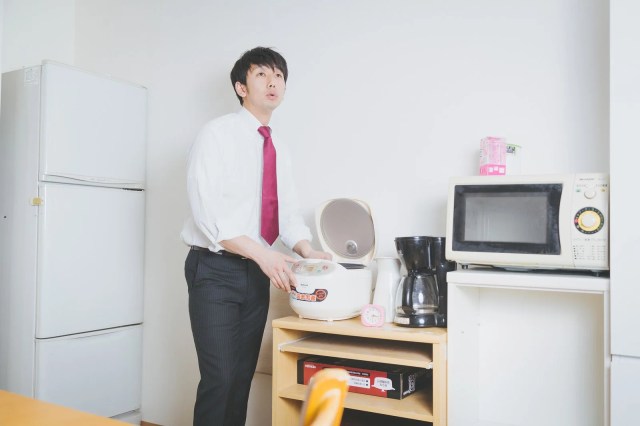
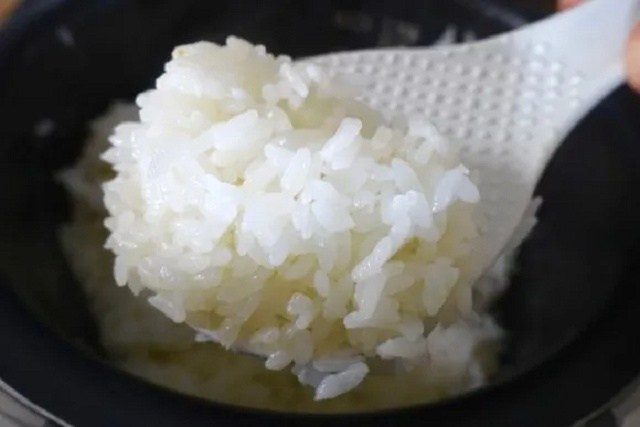
The simplest thing to do when the rice is ready is simply to grab a rice scoop and scoop the amount you want to eat into your bowl or onto your plate. However, some foodies see this as at least a culinary faux pax, and potentially a way to ruin the remaining rice, and insist that before actually scooping any rice out first, the cooked grains need to be mixed.
炊き立てご飯を混ぜないで、こういうよそい方をする人は、廊下に立っててください pic.twitter.com/HSscvShmK1
— やまさん (@ikujidays) September 23, 2026
The above tweet, from a pro-mixing advocate showing a photo example of what not to do, brought nods of agreement from those saying that leaving the rice unmixed will also make its texture worse, even if it was cooked properly. And while some might be tempted to scoff at that as a pretentious attempt at putting on airs and assuming that the easy way of doing anything must also be the low-quality way of doing it, there actually is a scientific foundation for their stance, according to Tiger, one of Japan’s leading rice cooker manufacturers, Tiger.
On its website, Tiger explains that at the time that when the cooking cycle finishes, it leaves an excessive amount of moisture on the outer/upper surface of the rice inside the pot. If left to sit as-is, the outer layer will become soggy, which will then cause it to stick to the grains underneath it, resulting in clumps that harden. So if you want your rice to be as soft and fluffy as possible. Tiger says you’ve got to stir it as soon as you can after it’s done cooking.
Tiger even explains its recommended stirring technique. Using the edge of a rice scoop, carve a plus sign into the top of the rice. You don’t want to smash or squash the grains together, so instead of pressing down from above, slide the scoop into one of the grooves you’ve made and gently lift the rice up from the bottom, and from the inside of the pot towards the outer edge. Doing this will more evenly distribute the excess moisture that had accumulated along the outer edge and give you a more uniform, classically fluffy texture.
That said, the fact that Tiger felt the need to address the topic on its website demonstrates that not everyone in Japan is aware of how stirring the rice affects its texture, and even then there’s the question of how significant the difference is. Thought not the norm among people in Japan, a handful of commenters on the above tweet mentioned that they actually kind of prefer the harder texture that comes from not stirring the cooked rice, and a few also said that they didn’t feel like stirring provided enough of a texture improvement for them to actually make a habit of doing it every time they cook a pot. There were also a few commenters who pointed out that not stirring the rice inside the pot keeps the uneaten portion in a nicely defined block that’s easier to cover in plastic wrap and freeze to be eaten on a later date, so they were OK with the texture tradeoff. Still, if you’re going for the most authentic/orthodox Japanese rice experience, stirring the rice is the way to go.
Source: Tiger, Hachima Kiko
Top image ©SoraNews24
Insert image: Pakutaso
● Want to hear about SoraNews24’s latest articles as soon as they’re published? Follow us on Facebook and Twitter!