It’s not easy being a kid. If you’re fat the other kids make fun of you; if you’re skinny the other kids make fun of you; if you get good grades they make fun of you… Kids don’t need a genuine reason to be tease their peers; they can make one up just as easily.
But when your parents name you after their favourite thing – be it the weather on the day you were born, the place you were conceived or their favourite snack food – things get awkward for poor little Windy Latrine Butterfinger.
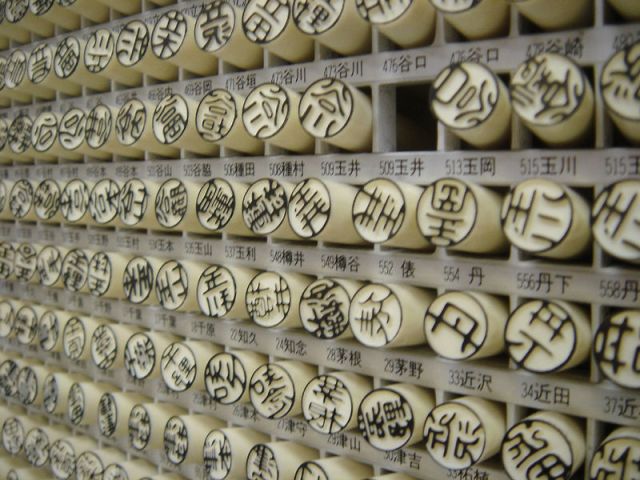
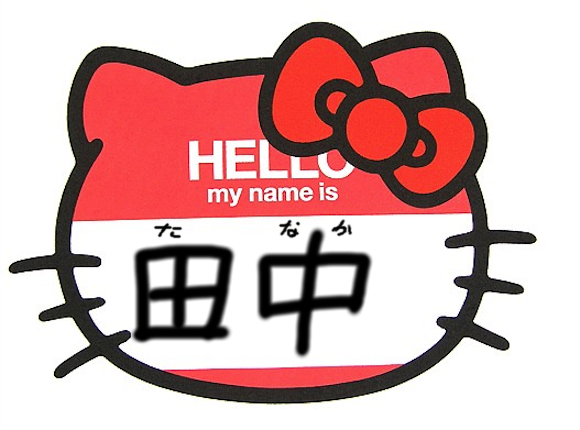
Although authorities have been known to intervene when parents try to call their child things like Akuma, meaning devil in Japanese, and @ as once rejected by authorities in China, the vast majority slip through the net. Since kanji, the Chinese characters used in the Japanese writing system, are based on meaning and can be read in a variety of different ways, parents giving their child a kanji-based name (some choose phonetic kana script, but this is usually just for girls) are able to choose both their child’s name and how it will be written.
For the most part, parents choose names that convey their love or hopes for their offspring, but in the land of otaku nerdism, sometimes parents just can’t help but get carried away.
Read More
 Japan’s best conveyor belt sushi restaurant of seven years ago has now, finally, come to Tokyo
 Japanese trains in Sapporo might be better than those in Tokyo, thanks to one special feature
 Drink vending machines disappearing in Japan as number drops to lowest in 30 years
 Lawson convenience store at popular tourist site is one of the most unusual in Japan
 Peanuts and Coke becomes a viral hit in Japan, but is it a trend worth joining?
 This lucky bag of anime models is also a decades-long history lesson for our mecha newbie
 Does Ippudo’s new plant-based tonkotsu ramen really taste like pork?
 Wisteria season starts early with blooming of Japan’s Great Wisteria in its beautiful garden
 The legendary “pet bird” ice cream now comes sandwiched between pancakes!
 We put the internet’s “techniques for emptying your bladder with morning wood” to the test
 Japan reportedly adding Japanese language skill requirement to most common foreigner work visa
 Mt. Fuji decorated with a 500,000-flower pink carpet is Japan’s ultimate spring view
 Pokémon and Ikea Japan cross over into each other’s worlds with collaboration events
 Starbucks Japan closing only Shinkansen platform branch for popularity-triggered renovations
 You can assemble a well-balanced team of Pokémon, them eat them, thanks to Japanese cake chain
 30 Pikachus want to share a Tokyo hotel room with you that has separate Grass, Water, Fire spaces
 Man bites woman at cherry blossom park in Japan, dies shortly after
 7-Eleven Japan’s new baked-in-store sweet treat is only available in three parts of the country
 Japan now has a special desk for people who work at home with a pet cat[Photos]
 Famous Tokyo cherry blossom spot installs view-blocking screens to fight overcrowding[Video]
 Uniqlo announces new T-shirts for One Piece, Naruto and more for manga publisher’s 100th birthday
 Train station platform ramen store closes its doors on half a century of history in Tokyo
 Starbucks Japan releases new My Fruit³ Frappuccino at only 34 stores around the country
 Krispy Kreme releases Super Mario doughnuts in Japan for a limited time
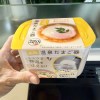 Japanese onsen egg maker from 100-yen store Daiso needs to be on your shopping list
 Survey asks foreign tourists what bothered them in Japan, more than half gave same answer
 Japan’s human washing machines will go on sale to general public, demos to be held in Tokyo
 Starbucks Japan releases new drinkware and goods for Valentine’s Day
 We deeply regret going into this tunnel on our walk in the mountains of Japan
 Starbucks Japan releases new sakura goods and drinkware for cherry blossom season 2026
 Studio Ghibli releases Kodama forest spirits from Princess Mononoke to light up your home
 Japan’s newest Shinkansen has no seats…or passengers [Video]
 Major Japanese hotel chain says reservations via overseas booking sites may not be valid
 Put sesame oil in your coffee? Japanese maker says it’s the best way to start your day【Taste test】
 No more using real katana for tourism activities, Japan’s National Police Agency says
 This lucky bag of anime models is also a decades-long history lesson for our mecha newbie
 Does Ippudo’s new plant-based tonkotsu ramen really taste like pork?
 Wisteria season starts early with blooming of Japan’s Great Wisteria in its beautiful garden
 The legendary “pet bird” ice cream now comes sandwiched between pancakes!
 We put the internet’s “techniques for emptying your bladder with morning wood” to the test
 Pringles Chocolate, but with a Japanese twist, is the snack hack you should be trying right now
 Two Sailor Moon musicals will stream online for overseas fans this winter
 New Travelling Bento pouches turn your luggage into a Japanese lunch box
 Japanese idol creates kawaii Gunpla, the world’s cutest Gundam models【Photos】
 Stamina-destroying “Paralysis Noodles” are Tokyo’s newest over-the-top ramen innovation
 Mist descends upon Japan’s “Killing Stone” after ceremony to appease nine-tailed fox spirit
 30 Pikachus want to share a Tokyo hotel room with you that has separate Grass, Water, Fire spaces
 Super-cheap, super-convenient rice-cooking mug is a new kitchen gadget all-star from 3 Coins
 10 obscure Japanese vending machine drinks that fly under the beverage radar