
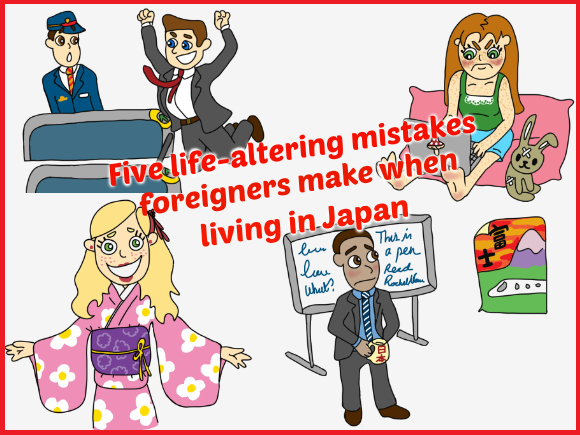
Beyond silly mistakes like wearing toilet slippers on tatami or forgetting to add “san” to someone’s name, what other things do foreigners unknowingly do to reduce their chances of living happily in Japan?
Before going to Japan for travel, study or work, many people from overseas take the opportunity to read up on several of the country’s more common dos and don’ts in order to avoid committing any cultural faux pas. In Japan, a country with a lot of its own unique social rules and conventions, it’s all too easy for visitors from abroad to blithely inconvenience their hosts and embarrass themselves.
Pretty much every foreigner who has spent time in Japan will have tales of all the myriad ways they unwittingly did or said the wrong thing before fully acclimatising. But today we’re not here to talk about accidentally stepping on tatami mats while wearing shoes, or talking on the phone while on the train, or any of the other insignificant little social snafus that we’ve all heard of before.
Instead, we’re going to talk about the serious, potentially life-altering mistakes that many foreigners make when living in Japan, and which many people don’t even realise they’re making until months or even years pass. We’re talking about the kind of mistakes that foster distance between oneself and others, mistakes which hinder their attempts to acclimatise to Japan, and mistakes that scupper their own chances of having a happy life in Japan.
Let’s begin!
Mistake 1: “Gaijin Smashing”

The “Gaijin Smash”, a phrase allegedly first coined by an American working on the JET Program, means to exert your will over a Japanese person using your foreign-ness as leverage. A typical example of the Gaijin Smash that’s often cited is when a person pushes through the ticket gate at the station without buying the right ticket, knowing that the station staff might be reluctant to chase after and engage with a big, scary foreigner with whom they may not be able to properly communicate.
Sometimes Gaijin Smashing doesn’t really hurt anyone, like when the NHK man knocks on your door and asks you if you have a TV and you pretend to be extra-foreign until he goes away (the standard Gaijin Smash response is “terebi wa tabemasen lol” (lit. “I don’t eat television”), but in general, Gaijin Smashing is just a real jerk move. Not only do you upset other people, you also lower people’s opinions of other foreigners living in that area, and if that weren’t bad enough, you also smash your own chances of fitting in. How are you going to learn to navigate Japanese society like a native if you just go around smashing your way though every situation? Unfortunately, since Japan has so many rigid rules, many of which can seem petty and pointless, the urge to Gaijin Smash can be great for many foreigners, even those who’ve been in Japan for years. But aren’t those same rules a part of what make Japan the wonderfully safe, unique country that we love? Resist the smash, be a good person, and improve your Japan life.
Mistake 2: Cutting people out of your life

Foreigners in Japan can tend to fall into two camps when it comes to socialising. The first camp wants to get stuck in to Japan life, learn as much Japanese as possible, and make as many Japanese friends as possible. To facilitate this, they cut other foreigners out of their life completely, refuse to make friends or socialise with other foreigners, and only speak to Japanese people. Some will even go as far as to start actively hating other foreigners, hissing whenever they spot them in the wild and cringing with embarrassment over their public displays of foreign-ness.
The other camp is probably a little more laid-back about their new life in Japan and revels in the chance to make friends with other people from literally all over the world. They forge lifelong friendships with people from far-flung places, learn about those people’s cultures, and generally have an amazing time, apart from the fact that they find making Japanese friends to be a bit too much effort, and so they don’t bother. Some don’t even want to make Japanese friends — they’re happy being Bubble Dwellers.
Those in both camps are making a big mistake. There’s little point in moving to another country unless you’re willing to acclimate at least a little bit, and hanging with the locals is the best way to do that. It’s also kind of sad when foreigners see each other as rivals instead of potential friends with so much in common (a shared interest in Japan, for one!). Our advice is to make friends with whomever you want to, but don’t intentionally seek to cut people out of your life. Return that Gaijin Nod. You never know when you might miss out on meeting someone awesome.
Mistake 3: Favouring one culture over another
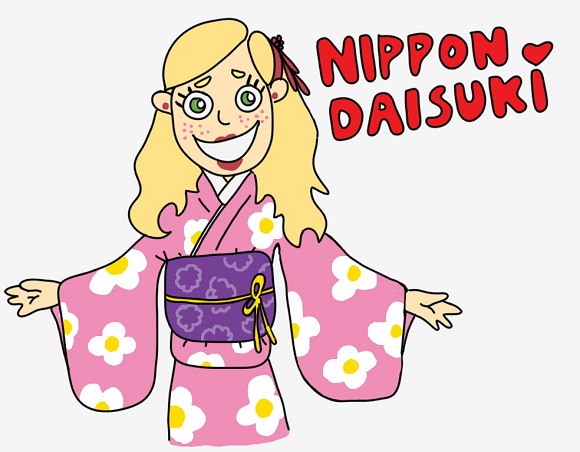
It’s always embarrassing to encounter a Western person in Japan who would much rather be Japanese. Whether they’re full-blown weeaboo or just a little bit too enthusiastic about life in Japan, these folk can seem pretty obnoxious, especially when they’re constantly trying to prove how “Japanese” they are, or bitching about their home country. Some will shrug off their cultural identity altogether, refusing to talk about where they’re from and only wanting to focus on their Japanese life. Abandoning your home culture is a huge mistake, since inevitably you’ll end up eating your words someday and will wind up isolating yourself from people back home, which can get really lonely. Just because you love Japanese culture, doesn’t mean you have to abandon or disparage your own. You don’t win extra Gaijin Brownie Points for watching only Japanese TV shows and eating nothing but Japanese food.
On the other hand, some people go a little too far the other way, and refuse to have anything to do with Japan, the country in which they’re currently residing. This is usually a sign of culture shock, and often manifests in only wanting to eat food from home, avoiding going out and aggressively rejecting anything remotely “Japanese”. Moving to Japan means you’re always going to be between cultures, but it’s important to remember that no one’s making you choose—you can identify with your home country and also enjoy Japan, too!
Mistake 4: Wallowing in negativity / Living in denial

Another big mistake some foreigners make is to treat Japan like some sort of divine force which has the power to bring either misery or joy to their lives. Japan isn’t responsible for your happiness, and if you’re constantly unhappy here, there’s a good chance you’d be constantly unhappy somewhere else, too. Culture shock is real and feels awful, but we’ve all known foreigners who choose to stay here year after year and yet just love to blame Japan for every last little thing that upsets them. Having problems at work? Blame Japan. Apartment walls too thin? Blame Japan. Stubbed your toe? Blame Japan.
Alternatively, you could become one of those people who has committed so heavily to their Japan dream that they’re no longer able to voice any frustrations about living here without inciting waves of obnoxious “but I thought you said you LOOOOVED Japan” -type comments from friends and peers. In that case, your only option is to plaster a big, happy grin on your face and pretend that Japan is a magical playground where nothing bad ever happens. It’s totally okay to vent to others in the same boat as you about some of the frustrations you’ll naturally feel while living here, you just need to make sure you don’t develop a victim mentality and start retroactively blaming Japan for your puppy Sparky being squished by that ice cream truck back when you were seven. The key to a happy, balanced attitude is in avoiding drawing comparisons between Japan and your home country. Instead of trying to decide which aspects about each country are better or worse than the other, maybe just embrace the differences.
Mistake 5: Getting stuck in a rut
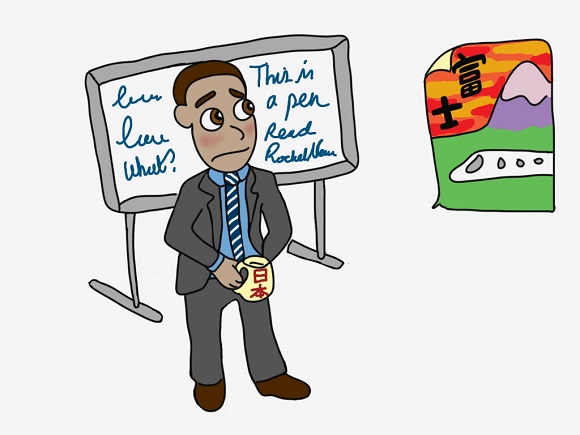
When they first move to Japan, many people have visions of visiting each prefecture, hitting all the big temples and sightseeing spots, maybe getting some snowboarding or surfing in, and really getting into some of Japan’s cultural pastimes like karate or ikebana. Then work or school happens, months or years pass, and they realise they’ve barely left Tokyo and the only karate they’ve wound up doing is the “excuse me” chopping hand motion as they force their way through the crowds during rush-hour at the train station. Get too into the daily grind of commuting, work or school and you can find yourself living the kind of humdrum life that could be lived pretty much anywhere, with nothing to distinguish life in Japan from life back home. It’s an easy trap to fall into, and getting too comfortable and too used to life in Japan can make you feel less inclined to get out of your comfort zone and really go out of your way to appreciate everything the country has to offer.
Another common “stuck in a rut” type situation a lot of foreigners find themselves in actually happens in their working life. English teaching can be challenging but rewarding, and foreign teachers often get a lot of respect simply for providing a service (native English teaching) which Japanese people just can’t do themselves. It’s no wonder that a lot of English teachers get nice and comfy in their jobs, and even as their level of Japanese increases, they don’t really ever think about doing anything else. Of course, if you love teaching English, nobody’s telling you to give it up and go work in an office, and we’re not trying to dump on English teaching as a profession (after all, given everything we’ve learned about Japan’s level of English education, the country really needs good native teachers). But often, people who would actually rather be doing something else tend to give up their aspirations and coast along as English teachers for years, decades even, since it’s all they know in Japan. It might be harder to pursue your career dreams in Japan as opposed to back home, but you don’t need to choose between living in Japan and doing what you’ve always wanted to do.
So there you have it, five fairly serious, life-altering mistakes that a lot of foreigners tend to make when living in Japan. How do we know? Well, we may have, um, made a few of them ourselves in our youth… but time and perspective have shown us the error of our ways!
All images © RocketNews24
You may also enjoy:
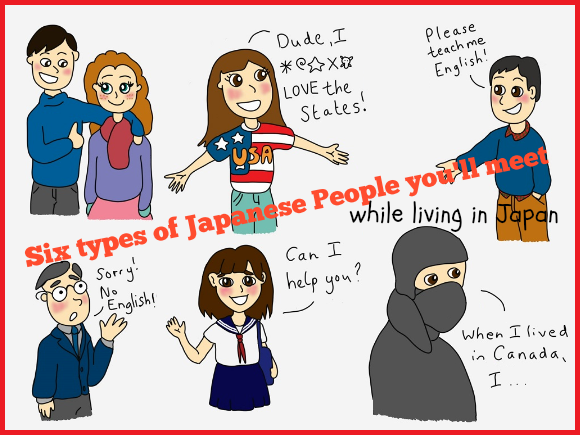
Six types of Japanese people you’ll meet while living in Japan — An illustrated guide
 Five awkward moments that prove you’ve finally nailed that whole “living in Japan” thing
 Six types of Japanese people you’ll meet while living in Japan — An illustrated guide
 Five types of foreigner you’ll meet in Japan
 Four things to hate about looking for an apartment in Japan as a foreigner
 5 reasons foreigners find it hard to become friends with Japanese people
 Train station platform ramen store closes its doors on half a century of history in Tokyo
 Japanese convenience store sandwiches get extra protection from new business backpack
 The top 10 graduation songs in Japan as chosen by current Japanese high school students
 Studio Ghibli adds new Mother’s Day gift sets to its anime collection in Japan
 Virtual idol Hatsune Miku redesigned with look that adds new elements and brings back old ones
 The next time you’re feeling stressed out, you could relax on a Pokémon Psyduck chair from Japan
 Number of foreigners living in Japan has grown 50 percent in four years, hits historic high
 Nine great places to see spring flowers in Japan, as chosen by travelers (with almost no sakura)
 Giant pipe mysteriously rises up through street in downtown Osaka
 We asked our Japanese team of writers how they deal with seasonal allergies in Japan
 Studio Ghibli releases Catbus pullback keychain that runs like the anime character
 Starbucks Japan opens new cafe and art gallery in top Tokyo tourist neighbourhood
 Is Japan’s Crab-shaped Cup Ramen Timer worth the hype?
 Pizza Hut Japan teams up with creator of one of the country’s best kinds of ramen for ramen pizza
 Komachi Shokudo: Japanese mum’s-style cooking for breakfast, lunch and dinner in Tokyo
 Starbucks Japan releases a new Cream Puff Frappuccino for a limited time
 Pikachu and Eevee become handmade Lladró porcelain sculptures to celebrate Pokémon’s 30th birthday
 Starbucks Japan releases new sakura goods and drinkware for cherry blossom season 2026
 Starbucks Japan unveils new sakura cherry blossom collection for hanami season 2026
 Foreign tourists in Japan will get free Shinkansen tickets to promote regional tourism
 The 10 most annoying things foreign tourists do on Japanese trains, according to locals
 Super-salty pizza sends six kids to the hospital in Japan, linguistics blamed
 Starbucks Japan unveils new sakura Frappuccino for cherry blossom season 2026
 Naruto and Converse team up for new line of shinobi sneakers[Photos]
 Starbucks Japan releases first-ever Hinamatsuri Girls’ Day Frappuccino
 Survey asks foreign tourists what bothered them in Japan, more than half gave same answer
 Japan’s human washing machines will go on sale to general public, demos to be held in Tokyo
 Starbucks Japan releases new drinkware and goods for Valentine’s Day
 We deeply regret going into this tunnel on our walk in the mountains of Japan
 Studio Ghibli releases Kodama forest spirits from Princess Mononoke to light up your home
 Japan’s newest Shinkansen has no seats…or passengers [Video]
 Major Japanese hotel chain says reservations via overseas booking sites may not be valid
 Put sesame oil in your coffee? Japanese maker says it’s the best way to start your day【Taste test】
 No more using real katana for tourism activities, Japan’s National Police Agency says
 “The Gaijin Nod” or “Ron, I’m so sorry about what happened yesterday”
 Asian foreigners give their thoughts on what life is like being Asian in Japan
 Five things that shock Japanese people living abroad
 Gangnam Style Parody “Gaijin Style” Hits the Web With Mixed Reviews
 The 5 phases of adjusting to life in Japan (from a Western expat point of view)
 Looking for a job in Japan? New “Sugoi Kawaii” maid cafe in Akihabara now hiring foreigners!
 On living in Japan: Five essential essays from the internet, the greatest library on earth
 “You’re Very Good at Using Chopsticks” and Other Obscenities
 Five things you should know before coming to Japan【Video】
 Where’s the happiest place for foreigners to live in Japan? Study investigates
 Japanese people give their thoughts on Gaijin Hunters/English Vampires
 Five surprises and one disappointment about life in Japan from our expat friend
 What do Japanese people think of “weeaboos”?【Video】
 Toilet-seat themed comedic-adventure The Benza breaks new ground for foreign talent in Japan