Tell your late spouse’s family how you really feel. Tell them with a divorce.
The meddlesome in-law is a classic domestic crisis that goes back as far as the dawn of humanity, according to The Flintstones. And though it’s more of an anecdotal situation that’s difficult to quantify with precision, there are enough anecdotes to suggest in-law animosity is still an issue in many Japanese families, so much so that there’s actually an official process for severing one’s ties with a deceased spouse’s family in Japan.
It’s commonly known as a “posthumous divorce” (shigo rikon), which is a rather misleading name because a deceased spouse is not actually getting divorced. Japan has the same “till death do you part” mentality as most places, so it’s legally impossible to divorce a dead person.
▼ “Look, I know this isn’t the best time, but I’ve been thinking and it’s just not working out between us…”
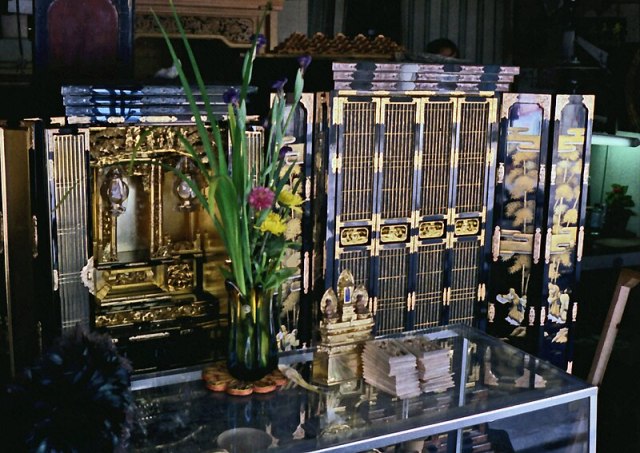 Image: Wikipedia/Enshuritsu 3 percent
Posthumous divorce’s technical but less popular name is a “notification of marital relationship termination” (inzoku kankei shuryo todoke) which means one is officially severing ties with the family of a deceased spouse. What’s particularly strange about it is that it doesn’t really serve any purpose for a vast majority of people aside from a government-approved official statement that someone finds their in-laws unbearable.
Traditionally, there have been certain expectations that Japanese children, first-born sons in particular, that they should take care of their parents when they become too old to do so for themselves. First-borns are also expected to inherit the family home, grave, and other assets passed down through generations.
However, in the case that a first-born passes away, these things usually go to another person in their family’s bloodline rather than the first-born’s spouse, so getting a posthumous divorce rarely affects that situation. There are cases where a first-born might specifically leave these inheritances to their spouse in their will, at which time the person seeking the posthumous divorce would have to arrange a successor in the late spouse’s family first.
Even if the spouse is living with the in-laws at the time of the death, they would no longer have a legal obligation to take care of them. It becomes more of an ethical situation whether or not to continue doing so.
Posthumous divorce also has no effect on the person’s legal relationship with their late spouse. They can still choose to keep the spouse’s surname and are still eligible for all inheritances, pensions, and insurance policies as they were before the posthumous divorce. They can even still have their own remains placed in their spouse’s family grave since their legal relationship to the late spouse is still fully intact.
In addition to all that, a posthumous divorce can be obtained unilaterally and the in-laws will receive no notice of it from the government. Only the spouse of the deceased can file for this too, the late spouse’s family cannot sever ties in this way.
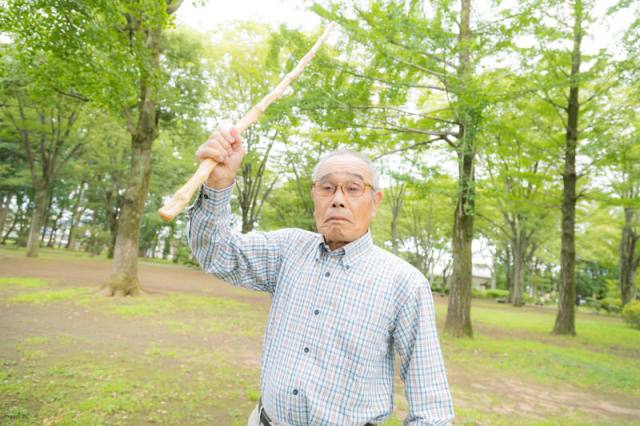
▼ It’s a relatively easy process that just requires filling out a few applications at the nearest city office
 Image: Pakutaso
Since very little is actually accomplished by this, it begs the question not only of why anyone would want to get a posthumous divorce but why the number of posthumous divorces is increasing.
According to data from the Ministry of Justice, the number of annual posthumous divorces averages around 4,000, compared to an average of less than 2,000 during the late ’90s. Many of these cases have the divorce used as a tool when spouses are dragged into inheritance disputes or other problems by order of the deceased’s will. However, there is recently a growing group of people in the same situation as a 53-year-old woman in Tokyo who described the process of legally cutting ties with her in-laws as a “tremendous feeling of liberation.”
She describes her married life as being constantly irked by the slights made by her mother-in-law, but driven by a sense of traditional duty to put up with them for her husband’s sake. However, once her husband passed, her mother-in-law’s behavior continued until she could take no more and filed for “divorce” from her.
While it worked out well for that woman, it should be noted that a posthumous divorce is not a restraining order and doesn’t necessarily mean the in-laws are forced out of your life forever. This is especially true in cases where grandchildren are involved because their legal ties to their grandparents are not affected by this process at all and remain firmly intact. In that way, it seems likely that a posthumous divorce could simply work to amp up acrimony with in-laws rather than end it.
Nevertheless, it is a legal instrument that exists in Japan for those who want to send a firm message to surviving in-laws they can no longer tolerate. After all, it’s a problem that is sure to plague humanity well into the 21st century, according to The Jetsons.
Source: Sozoku Asahi, The Sankei Shimbun, Yahoo! Japan News, e-Stat
Featured image: Pakutaso
● Want to hear about SoraNews24’s latest articles as soon as they’re published? Follow us on Facebook and Twitter!