

Onigiri survey gives us even more reasons to travel to every part of Japan.
You can find onigiri (rice balls) all over Japan, but you can’t necessarily find the same kinds of onigiri. Sure, there standards like salmon or bonito that are available nationwide, but certain varieties of onigiri are unique to specific parts of Japan, or at least deeply engrained in the local food culture.
So with that in mind, and this year’s fresh rice crop coming in, online travel portal Jalan conducted an onigiri survey, asking participants both for regional onigiri that they love so much they wish they were available everywhere in Japan, and also to choose the most unique delicious regional onigiri they’ve found. A total of 1,048 responses were collected from people aged 20 to 59, living in all prefectures of Japan, so let’s take a look at the results for onigiri they should sell everywhere in Japan.
3. Taimeshi onigiri (Ehime Prefecture)
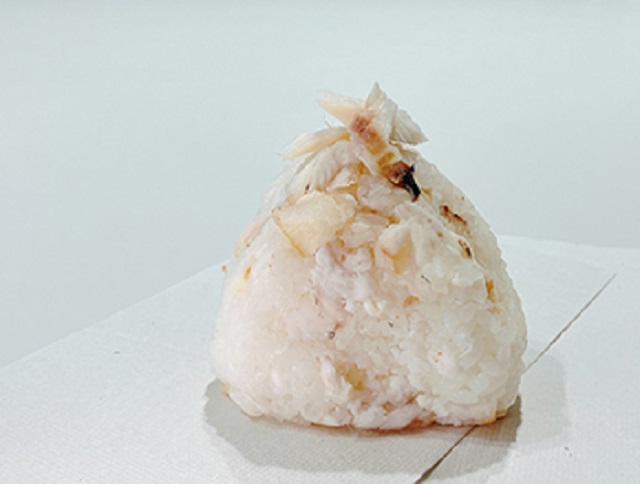
Ehime make up the northwest corner of Shikoku, the smallest of Japan’s four main islands. That gives the prefecture access to the bounties of the Seto Inland Sea, and the waters off Ehime are an especially good place to catch sea bream. Taimeshi, which translates literally as “sea bream rice,” is prepared by cooking the fish and rice together in the same pot, and while you could then scoop it into a bowl and eat it with chopsticks, it’s equally suited to forming into rice balls, where the sweetness of the rice and fish mix together for a wonderful combination.
2. Ebiten onigiri (Aichi Prefecture)
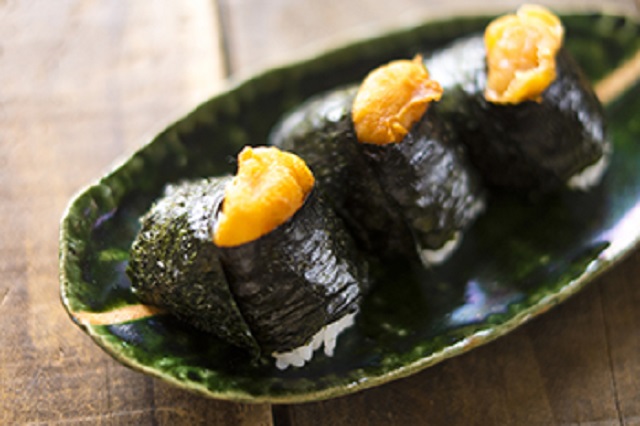
Once again, we’ve got some food-related compound vocabulary here. Ebi is the Japanese word for “shrimp,” and ten, in this case, is short for “tempura.” With shrimp being the widely recognized king of tempura morsels, it’s no surprise that it makes for some popular onigiri, and ebiten onigiri, also known as tenmusu (musubi being an alternate word for rice balls), are especially associated with the city of Nagoya.
Ebiten onigiri tend to be a little smaller than other rice balls, which really helps the flavor and texture of the shrimp stand out, and the proportionally large amount of seaweed also lets it play a big part in the flavor profile. Because of their size, it’s customary to eat more than one ebiten onigiri in a sitting, and they’re also somewhat unique in that while many types of onigiri contain at least a pinch of salt, ebiten onigiri have none, and instead have a sweet sauce as their primary seasoning.
1. Tarako butter yakionigiri (Hokkaido Prefecture)
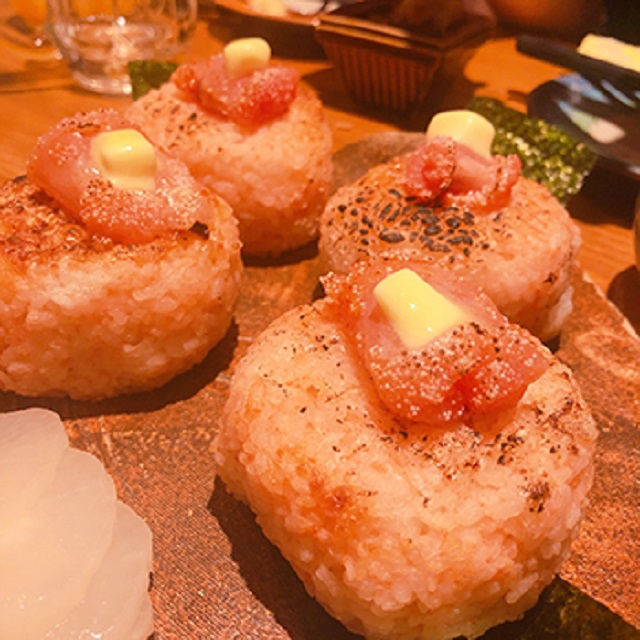
Tarako (cod roe) is a pretty common onigiri filling across Japan. In Hokkaido, though, which is Japan’s biggest dairy producer, it’s sometimes mixed with butter. This might seem like an odd mishmash of eastern and western culinary traditions, but it works, as evidenced by how widely loved tarako cream pasta is in Japan. For maximum mouthwatering effect, tarako butter onigiri are grilled (becoming yakionigiri), with the heat helping the tarako and butter melt into each other, earning it the top spot in Jalan’s rankings of onigiri that should be expanded to full availability everywhere in Japan.
Next, let’s take a look at the most unique regional onigiri, as chosen by the survey participants.
3. Pork and egg onigiri (Okinawa Prefecture)
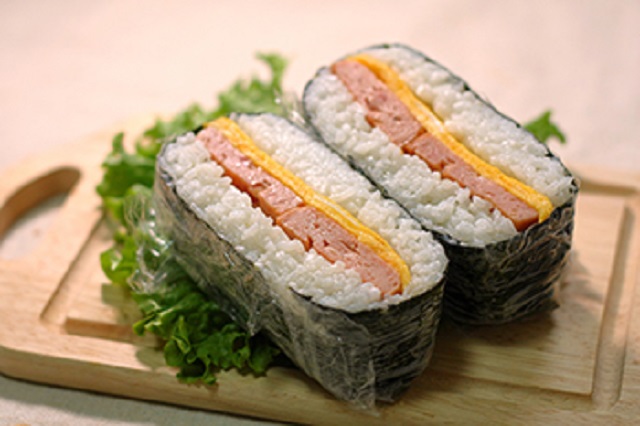
If you’re from Hawaii, or have ever taken a trip to the Aloha State, this might not seem like such an unusual onigiri filling at all. But while the Spam musubi has long been the best-known type of rice ball in the U.S., most parts of Japan don’t put canned pork into theirs. In a parallel to Spam musubi in America, though, it seems that a fair number of people have fond memories of eating these unique-to-Japanese people ongiri on their vacations in Okinawa, as the pork and egg onigiri also came in fourth in the survey’s rankings of local onigiri that should be sold nationwide.
2. Hida tomato onigiri (Gifu Prefecture)
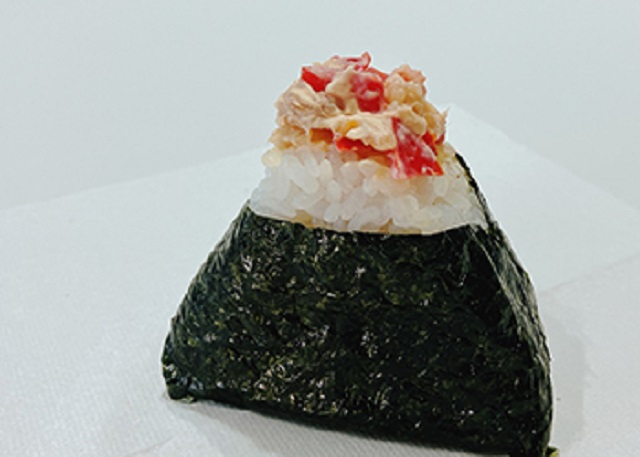
Tomato rice balls, on the other hand, are equally unusual inside Japan and abroad. Foodies most commonly think of Hida’s renowned beef as the region’s must-eat food, but Hida tomatoes are said to have an outstanding balance of sweet and tart notes, and cutting them into cubes, then mixing in some tuna and mayonnaise, is said to be a juicy delight when used as an onigiri filling.
1. Sudachi onigiri (Tokushima Prefecure)
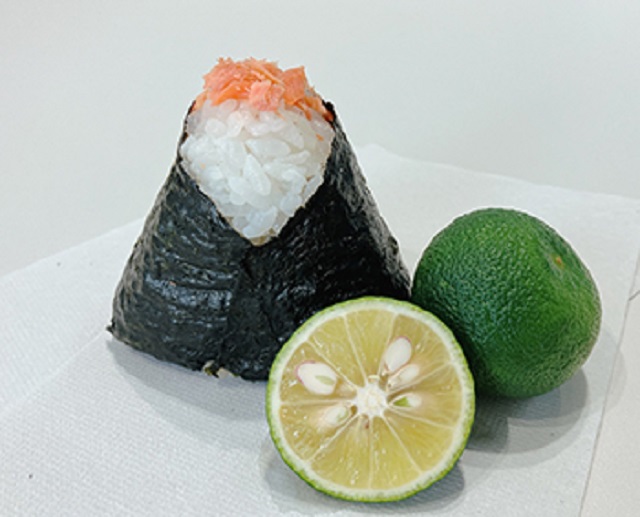
Finally, we’re back in Shikoku, this time in Tokushima, which makes up most of the east coast of the island. Sudachi is a kind of citrus fruit grown almost exclusively in Tokushima, with a flavor that’s sharper than limes or lemons. It’s so sharp that sudachi is rarely eaten by itself, but that also makes it a great accent flavoring. For sudachi onigiri, the filling used is usually salmon or kombu (kelp), but with sudachi juice squeezed into the rice and/or grated sudachi peel sprinkled onto the rice ball for an invigoratingly refreshing flavor.
So as you travel across Japan, remember, just like every region has historical sites and natural beauty, so too do they often have their own special onigiri that aren’t to be missed.
Source: PR Times
Top image: Pakutaso
Insert images: PR Times
● Want to hear about SoraNews24’s latest articles as soon as they’re published? Follow us on Facebook and Twitter!
[ Read in Japanese ]
 The 10 best types of onigiri rice balls to try in Japan【Survey】
 Japan Railways recently revealed ramen-style rice balls in its convenience stores
 7-Eleven’s new Ebiten tempura shrimp rice ball is premium in both taste AND cost
 Survey ranks convenience store rice balls – salmon, sea-dwelling poultry & plants steal the show
 The best-selling rice ball at Family Mart is…SPAM onigiri?
 Pokémon and Ikea Japan cross over into each other’s worlds with collaboration events
 Tokyo teahouse serves up a sakura matcha dessert you won’t find anywhere else
 Tokyo turns its phone booths into free Wi-Fi hotspots, and here’s how to use them
 Hayao Miyazaki gifts autographed Ghibli anime cel to president of France[Photo]
 Pokémon Centers across Japan cancel April events after stabbing in Tokyo
 Japan’s prime minister exchanges Dragon Ball kamehamehas with president of France[Video]
 Fading Tokyo – Searching for signs of the Showa era as local neighborhoods evolve[Photos]
 Studio Ghibli adds new My Neighbour Totoro 2026 Corn Gift to its anime store for Mother’s Day
 Famous Tokyo cherry blossom spot installs view-blocking screens to fight overcrowding[Video]
 Here comes a new challenger: Will Brazilian “human Ken doll” ascend to the doll people throne?
 Japan now has a special desk for people who work at home with a pet cat[Photos]
 Uniqlo announces new T-shirts for One Piece, Naruto and more for manga publisher’s 100th birthday
 Tokyo’s best museum for foreign travelers finally reopens after being closed for four years
 Totoro and Calcifer become little light-up lanterns for Ghibli-style excursions or at-home decor
 Pokémon lacquerware series expands for Year of the Horse with new handcrafted design[Video]
 Krispy Kreme releases Super Mario doughnuts in Japan for a limited time
 Picturesque Tokyo park plays host to millions of flowers and soap bubbles this spring
 Tokyo subway and almost all Tokyo train lines now accepting credit card tap payments
 Final Fantasy invites you to adventure in Fukushima with Fukushima Fantasy Chocobo fun[Video]
 Starbucks Japan unveils new sakura cherry blossom collection for hanami season 2026
 Train station platform ramen store closes its doors on half a century of history in Tokyo
 Starbucks Japan releases new My Fruit³ Frappuccino at only 34 stores around the country
 Studio Ghibli releases Catbus pullback keychain that runs like the anime character
 Japanese onsen egg maker from 100-yen store Daiso needs to be on your shopping list
 Nine great places to see spring flowers in Japan, as chosen by travelers (with almost no sakura)
 Survey asks foreign tourists what bothered them in Japan, more than half gave same answer
 Japan’s human washing machines will go on sale to general public, demos to be held in Tokyo
 Starbucks Japan releases new drinkware and goods for Valentine’s Day
 We deeply regret going into this tunnel on our walk in the mountains of Japan
 Studio Ghibli releases Kodama forest spirits from Princess Mononoke to light up your home
 Starbucks Japan releases new sakura goods and drinkware for cherry blossom season 2026
 Japan’s newest Shinkansen has no seats…or passengers [Video]
 Major Japanese hotel chain says reservations via overseas booking sites may not be valid
 Put sesame oil in your coffee? Japanese maker says it’s the best way to start your day【Taste test】
 No more using real katana for tourism activities, Japan’s National Police Agency says
 Should you warm up your convenience store onigiri rice balls in the microwave?【Taste test】
 What do Japanese People Put in Their Rice Balls? Top 22 Most Popular Onigiri Fillings!
 Pokémon Poké Ball rice balls now on sale in Japan, don’t taste like jelly donuts【Taste test】
 Is anime making otaku eat less rice? Government launches Girl Running Late with Rice Ball Project
 We make salt from our reporter’s sweat, then taste the world’s first Mr. Sato Salt rice balls
 Japanese convenience store’s newest rice ball filling: Nothing at all, and why we’re OK with that
 Rice balls aplenty at the Ministop senbero, but with a special twist【Japan’s Best Home Senbero】
 Top Japanese instant noodle maker steps up its rice ball game 【Taste test】
 Haneda Airport’s new rice ball stand — Sister shop Tokyo’s best out-of-the-way onigiri spot
 Drinkable rice balls appear in Japan, allow you to chug the country’s favorite snack on the go
 American rice ball restaurant takes liberties with classic Japanese snack
 Around Japan in 47 rice balls: Mr. Sato buys each prefecture’s musubi all from one Tokyo shop
 Onigiri in Paris: Small lunch shop brings traditional Japanese rice balls to France
 The polite way to eat onigiri rice balls sparks debate online
 Say hello to the Big Bomb Onigiri, a beast of a Japanese rice ball