
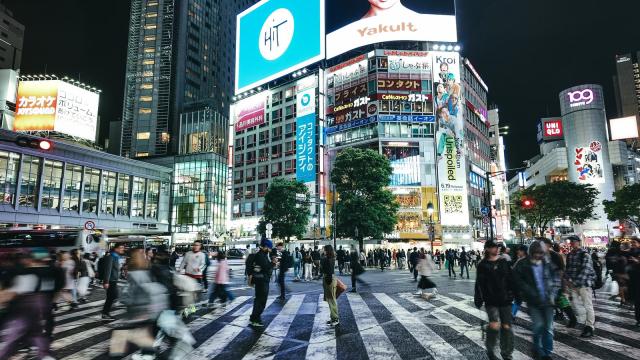
Late-night incident highlights concerns over Japan’s illegal “white taxi” operators.
Three foreign tourists were injured in a crash involving a Nissan GT-R near Tokyo’s Shibuya Scramble Crossing after the driver allegedly approached them on the street and offered them a paid sightseeing ride. A 38-year-old male company employee from Kawasaki was subsequently arrested on 7 July on suspicion of operating an unlicensed taxi service and causing injury through negligent driving.
According to Tokyo police, the incident occurred at around 12:30 a.m. on 17 May, when the suspect allegedly approached three German women in their 20s near the crossing and offered them a “driving tour” of the area in his privately owned Nissan GT-R, for 5,000 yen (US$34) for the group.
The women reportedly accepted the offer, with one later telling police she had been interested in the vehicle and was photographing it when the driver approached them.
Police say the driver then drove towards the Shibuya Scramble Crossing, with one person in the passenger seat and two people in the back seat, before colliding with a taxi that was turning right from an oncoming lane. Security camera footage reportedly shows the GT-R was driving on the public road at a speed of approximately 120 kilometres (75 miles) per hour at the time of the collision.
The three tourists and the driver all suffered minor injuries, including bruises and sprains. Video reports showed how the incident occurred, alongside police photos of the GT-R with extensive front-end damage following the crash.
Investigators allege the driver accepted cash from the tourists before the journey, making the ride an illegal “white taxi” operation. The suspect has admitted to driving the tourists but denies receiving payment for the ride.
In Japan, the term “white taxi” (“shirotaku”) refers to an unlicensed ride service using a privately registered vehicle. The name comes from the white licence plates fitted to ordinary passenger cars, compared to the green commercial licence plates required for legally operated taxis.
Under Japan’s Road Transport Act, drivers are prohibited from transporting passengers for payment without the appropriate commercial licence and operating permit. Ride-hailing services such as Uber are generally not considered “shirotaku” in Japan, as they typically operate through licensed taxi companies rather than private individuals offering unlicensed paid rides.
Licensed taxi companies are required to abide by strict safety and insurance rules, whereas illegal operators don’t undergo the same commercial licensing process, so passengers who use unlicensed services may face risks relating to insurance coverage in the case of an accident. Police have not said whether the tourists were aware that the ride they accepted was illegal.
▼ Japanese taxis do not look like GT-Rs.
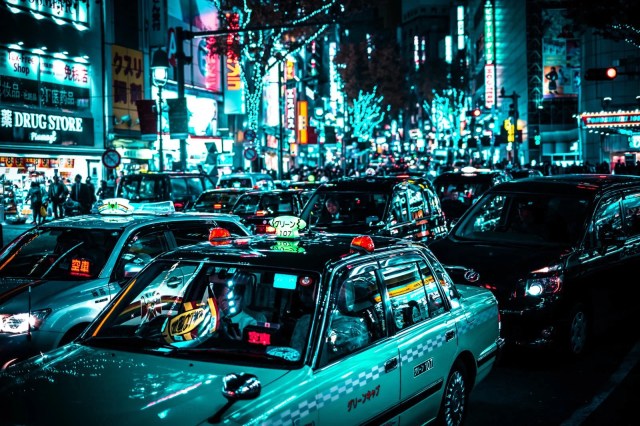
The case comes as police report a sharp increase in alleged illegal taxi activity targeting foreign visitors around Shibuya. According to the Metropolitan Police Department, more than 70 calls were received between April and June relating to suspected white taxi operations in the area. Investigators believe other drivers may also be offering unauthorised sightseeing rides to overseas visitors.
The incident serves as a reminder for visitors to use licensed transport services when travelling around Japan, and police are urging visitors to avoid accepting rides from individuals who approach them on the street or at major hubs like airports, particularly if payment is requested directly.
Legal taxis in Japan can be identified by their green licence plates and company markings, while app-based services operate through authorised taxi companies or approved ride-hailing systems.
Sources: NHK, Asahi Shimbun, Sankei via Yahoo! Japan News, YouTube/ANNnewsCH
Top image: Pakutaso
Insert image: Pakutaso
● Want to hear about SoraNews24’s latest articles as soon as they’re published? Follow us on Facebook and Twitter!
 Nissan ends production of GT-R, but did the legendary sports car have to end like this?
 We test drive a Nissan GT-R Premium Edition T-spec in Japan
 Shinto shrine gate parfaits that tell your fortune now being served in Tokyo
 New Transforming Business Card case brings anime mecha to Japanese work meetings
 Studio Ghibli adds new finger puppets to its anime merchandise collection in Japan
 Go to hell! …at a limited time historical art exhibit coming to Osaka
 Kyoto temple bans visitors from wearing kimono
 Lego PlayStation recreates Sony’s original console, makes unusual choice for games to salute
 New Pokémon anniversary song is 22 minutes long, features all 1,025 Pokémon species [Video]
 Starbucks Japan releases new coffee table book featuring 18 of the most unique stores around the country
 Starbucks Japan adds new Sweet Potato Frappuccino and Latte to the menu, but do they deliver the taste of autumn?
 Kobe middle schools begin abolishing extracurricular activities, shift to community programs
 Solo travel in Japan: Hidden beer garden in Tokyo is a haven for single visitors
 A real-world Pokémon Poké Ball hotel is opening in Japan at a still-secret location [Video]
 Japan’s first fall color forecast for 2026 is here!
 Studio Ghibli unveils new anime calendars and diary planners for 2027
 One Piece Day 2026 brings new art, music, and new cast announcements
 Tamagotchi evolves into a ring for its 30th anniversary, preorders now open
 Starbucks Japan reveals new Tsukimi Moon-Viewing drinkware and gifts for autumn 2026
 Family Mart releases Famima convenience store products nationwide, but which ones are worth buying?
 12-year-old British girl who went missing in Tokyo found safe after visiting anime sites around Yokohama
 7-year-old boy left behind on Mt. Fuji by his own dad
 Japan’s final Penguin Suica train cards have already shipped, and when they’re gone, they’re gone
 Sushi Bus: Japan’s first conveyor-belt bus lets you eat sushi while sightseeing around Tokyo
 Japanese toilet aims to attract foreign tourists but not everybody is happy about it
 New Japanese vending machine at Shinkansen station sells cups of ice on platform
 Study finds hundreds of people in Indonesia legally named after Naruto, Inuyasha, other anime stars
 Japan approves foreign resident visa renewal fee increases of up to 967 percent, starts soon
 Japan tripled its departure tax to fund tourism but is using the money on cherry blossoms and bears
 Japan announces sudden 400-percent increase in visa fees for foreigners entering the country
 Japan’s human washing machines will go on sale to general public, demos to be held in Tokyo
 Studio Ghibli has a new anime out, and there’s only one place in the world where you can see it
 Starbucks Japan releases new drinkware and goods for Valentine’s Day
 Starbucks Japan releases new sakura goods and drinkware for cherry blossom season 2026
 Japan’s newest Shinkansen has no seats…or passengers [Video]
 Tokyo subway installing new ticket gates that don’t accept payment through Suica or other IC cards
 Japanese ninja certification exam attracts 131 candidates from Japan and abroad
 Salomon releases Japan-exclusive Mt. Fuji hiking gear that doubles as an amazing souvenir
 Put sesame oil in your coffee? Japanese maker says it’s the best way to start your day【Taste test】