
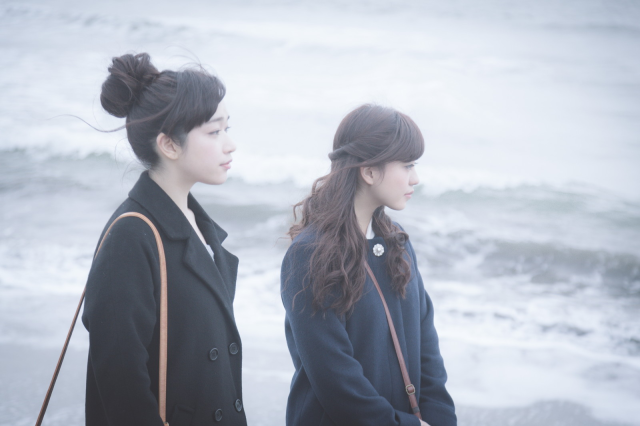
Your company is paying for you to take a pleasure trip! Awesome! You’ll be spending all weekend with your boss and coworkers! Not so awesome.
Japanese society places an infamous amount of pressure on people to keep working. This is, after all, the country where there’s a special phrase you’re supposed to use to apologize to everyone who’s still in the office if you’re actually going home on time, or even just doing less overtime than they are.
But it’s not like companies are completely oblivious to the strains those long hours can put on their employees’ mental health and emotional happiness. So as a sort of thank-you for all their hard work, many companies in Japan, especially larger or more traditionally minded ones, organize, and pay for, trips for their employees. That’s a nice little perk, right?

Except there’s a catch: you’ll be taking that trip with your coworkers. In Japanese they’re called shain ryokou, which literally translates to “company member trips,” and they’re just for employees, with no friends, family, or romantic partners tagging along. On the simple end of the scale, company trips can be as basic as a day-trip to a local sightseeing destination, but there are organizations that opt for overnight trips, and sometimes even overseas travel.
To clarify, these aren’t team-building or leadership retreats. The itineraries are made up of leisure activities and group meals (with alcoholic beverages), and the ostensible logic is that the trips are a good way to let everyone relax and have fun while forgetting about work, but also strengthening bonds between coworkers.
However, it’s pretty hard to forget about work when you’re surrounded by the people you work with. For larger companies, shain ryokou can involve dozens, or even hundreds, of people, which of course requires participants to stick to schedules for activities, transportation, and meals. That lack of freedom to do what you want, when you want to, once again makes things start to feel like a day at the office (and yes, your boss will be joining you on the trip).
▼ “Why yes, that is a beautiful view of Mt. Fuji, Mr. Serizawa. I’m sure my wife and kids would say the same thing if they were here.”

Worst of all is that company trips aren’t usually scheduled in lieu of normal work, but instead eat up the weekends they’re held on. So if you spend a solid week working, then the weekend on a trip that feels like work, there’s little chance that you’ll come into the office the following Monday feeling refreshed and enthusiastic. Then you’ve got another five days to slog through before finally getting a day of free time after 12 days on your company’s timetable, but by then you might be too mentally exhausted to do anything other than loaf around the house before going back to work again on Monday and wondering what the point of it all is.
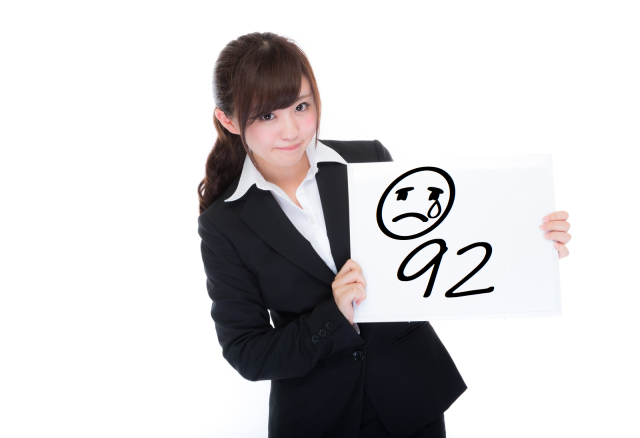
So really, it’s no surprise that in a survey conducted by Japanese job-hunting site Career Connection News, the vast majority of respondents said they’d love to opt out of shain ryokou. 65 percent of respondents said they “absolutely hate” company trips, with only 8 percent saying they look forward to going on them.
▼ In other words, 92 percent don’t want to go.
But if so few people like the trips, why do they keep happening? One reason is that while it’s easy to profess your hatred for them in an online survey, many Japanese workers feel far less comfortable telling their true feelings to their actual employers. “If you don’t go, it ends up having an effect on how the company evaluates your performance and worth to the organization,” said one 30-something respondent who works in accounting consulting. “It’s something everyone in the company knows.”
The biggest reason shain ryokou still exist, though, is that a lot of higher-ups genuinely believe them to be beneficial. The loudest grumbling about the trips comes from mid and lower-level employees, but many high-ranking Japanese executives honestly think that leisure activities with professional colleagues is a great way to open up channels of communication, deepen interpersonal understanding, and create a cooperative, conscientious office environment.
However, the counterargument is that turning your circle of coworkers into an all-encompassing social unit is exactly the sort of thing that upsets any semblance of work-life balance for the last few generations of Japanese adults. Younger workers are more likely to crave time with their family and friends on their days off, especially as more married women in Japan continue to work and more fathers take an active role in child-rearing. Luckily for them, shain ryokou are becoming less common than they were before, but for the time being, these unpleasurable pleasure trips are still often part of working in Japan.
Source: Career Connection News via @Nifty News via Otakomu
Top image: Pakutaso
Insert images: Pakutaso (1, 2, 3) (edited by SoraNews24)
 What are the worst things about the first year working in a Japanese company? Survey investigates
 Young Japanese women pick least favorite ways they feel pressured to socialize with coworkers
 20 signs that a woman should think about quitting the Japanese company she works for
 Wage hell — Japanese office worker reveals soul-crushing past paycheck for 171 hours of overtime
 Tokyo company plays Rocky theme for workers every day to cut overtime, boost productivity
 Pokémon and Ikea Japan cross over into each other’s worlds with collaboration events
 Licca-chan dolls released in North America for first time in nearly 60 years
 Two food hacks take Japan’s convenience store fried chicken to amazing new sandwich heights
 What can 3,000 yen get you at a Japanese hamburger chain? We find out
 Tokyo turns its phone booths into free Wi-Fi hotspots, and here’s how to use them
 Starbucks Japan releases new Stanley bottles and exclusive drinkware at Reserve Roastery Tokyo
 Starbucks Japan’s new clear coffee is like coffee for people who don’t like coffee
 Tokyo Station staff share their top 10 favorite ekiben
 Three things you should eat at Denny’s in Japan, according to staff who work there
 Hayao Miyazaki gifts autographed Ghibli anime cel to president of France[Photo]
 Tokyo’s best museum for foreign travelers finally reopens after being closed for four years
 Pokémon lacquerware series expands for Year of the Horse with new handcrafted design[Video]
 Famous Tokyo cherry blossom spot installs view-blocking screens to fight overcrowding[Video]
 Tokyo subway and almost all Tokyo train lines now accepting credit card tap payments
 Fading Tokyo – Searching for signs of the Showa era as local neighborhoods evolve[Photos]
 Totoro Fund line of beautiful artwork and apparel lets you help the real-world Totoro Forest
 Studio Ghibli adds new My Neighbour Totoro 2026 Corn Gift to its anime store for Mother’s Day
 Japan now has a special desk for people who work at home with a pet cat[Photos]
 Uniqlo announces new T-shirts for One Piece, Naruto and more for manga publisher’s 100th birthday
 Train station platform ramen store closes its doors on half a century of history in Tokyo
 Starbucks Japan releases new My Fruit³ Frappuccino at only 34 stores around the country
 Studio Ghibli releases Catbus pullback keychain that runs like the anime character
 Krispy Kreme releases Super Mario doughnuts in Japan for a limited time
 Japanese onsen egg maker from 100-yen store Daiso needs to be on your shopping list
 Nine great places to see spring flowers in Japan, as chosen by travelers (with almost no sakura)
 Survey asks foreign tourists what bothered them in Japan, more than half gave same answer
 Japan’s human washing machines will go on sale to general public, demos to be held in Tokyo
 Starbucks Japan releases new drinkware and goods for Valentine’s Day
 We deeply regret going into this tunnel on our walk in the mountains of Japan
 Studio Ghibli releases Kodama forest spirits from Princess Mononoke to light up your home
 Starbucks Japan releases new sakura goods and drinkware for cherry blossom season 2026
 Japan’s newest Shinkansen has no seats…or passengers [Video]
 Major Japanese hotel chain says reservations via overseas booking sites may not be valid
 Put sesame oil in your coffee? Japanese maker says it’s the best way to start your day【Taste test】
 No more using real katana for tourism activities, Japan’s National Police Agency says
 Illegal amounts of overtime going on at 37 percent of Japanese companies in government inspections
 Japanese company prohibits employees from smoking on their commute to the office
 New “boss’ treat” vending machines in Japan give out free drinks if you use them with a coworker
 One in four surveyed Japanese workers admits to wanting to kill boss, Osaka quake helps show why
 Nearly half of young Japanese women say they “hate” the company they work for in survey
 Majority of surveyed Japanese workers have dated a coworker, over 20 percent their boss or senpai
 Majority of polled Japanese workers feel compelled to answer calls, emails from office on day off
 Survey reveals most Japanese workers want to work from home at least twice per week
 Foreign workers respond to survey about changes they’d like to see in the Japanese workplace
 Tokyo companies’ late-night overtime habits exposed in time-lapse YouTube video channel【Videos】
 Japan’s workplace drinking party communication is unnecessary, says majority of workers in survey
 Spend a shift working in a terrible, soul-crushing Japanese company at this “special” Tokyo event
 Japan’s bonenkai parties are the worst thing about the end of the year. Here’s how to fix them
 Japanese government’s newest plan to fight overwork: Give employees Monday morning off
 Woman sues Tokyo company after having to work 48 days in a row with limited bathroom breaks
 What makes a good boss in Japan? Workers sound off in survey