
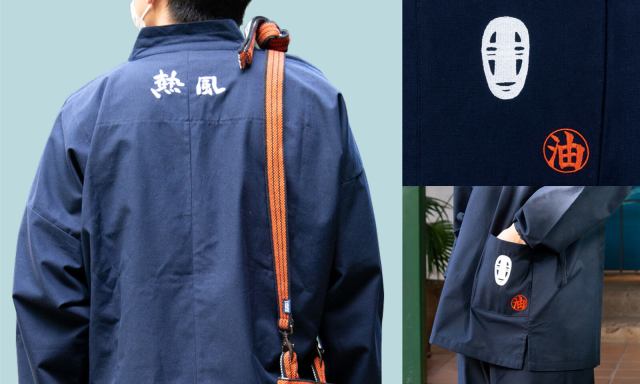
Spirited Away samue is the star of this collection designed by Studio Ghibli producer Toshio Suzuki.
Outside of being Studio Ghibli’s co-founder and producer, Toshio Suzuki is widely known for his love of two things — calligraphy and samue.
The 73-year-old has been showing off his artistic prowess in recent years, teaching us how to sketch Totoro and even holding a travelling exhibition that showcases his calligraphy, alongside a giant head of Yubaba and Zeniba from Spirited Away. Through it all, whether he’s working in private or attending press events, Suzuki often chooses to wear an indigo-dyed samue, the traditional work outfit worn by Buddhist monks, which has also become popular as casual wear in recent times.
So when the Ghibli Museum in Tokyo was looking for a new line of goods to create, they came up with the brilliant idea to combine Suzuki’s love of calligraphy and traditional style for a unique collection. The producer was happy to lend his artistic skills to the project, even coming up with the clever idea to rename the Ghibli Museum as the “Neppu Museum” for the new range.
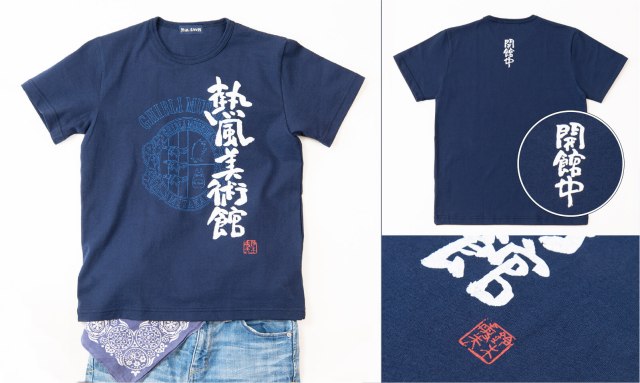
The new name is a nod to the word “Ghibli“, which is an Italian word meaning “hot wind blowing from the Sahara Desert“. Suzuki replaced the word “ジブリ” (“ghibli”) with “熱風” (“neppu”), which literally means “hot wind”, for the new collection, essentially rebranding the Ghibli Museum as the “熱風美術館” (“Neppu Bijutsukan”), or “Hot Wind Museum“.
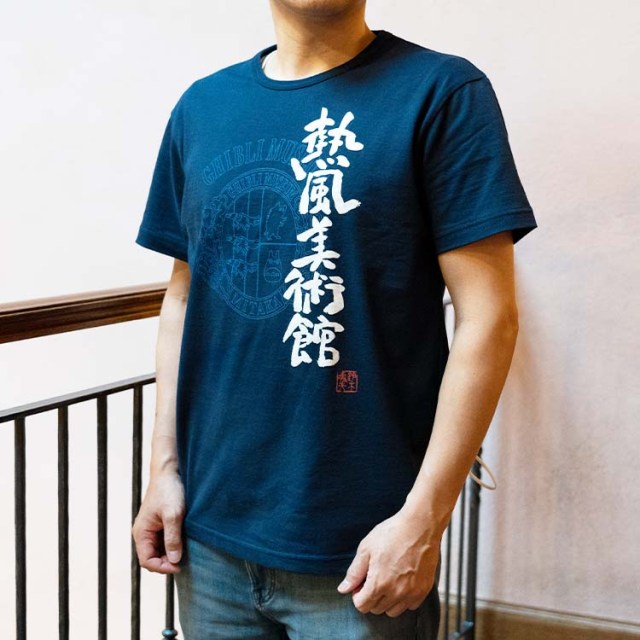
The first item in the range is an indigo-dyed T-shirt, which has “Neppu Museum” written on the front, in Suzuki’s handwritten calligraphic script.
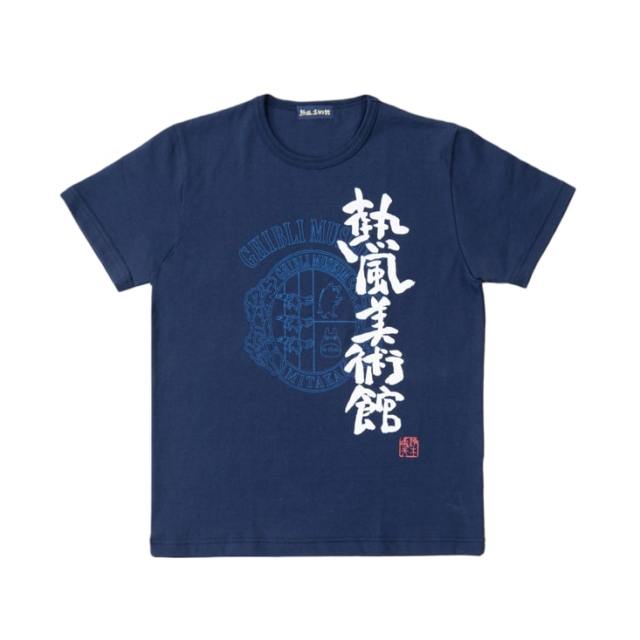
The T-shirt also has “Ghibli Museum” written on it in English, along with images from the crest of the museum — a Totoro, a boar, and three hawks, in reference to the city where the museum is located, Mitaka, which literally translates to “three hawks“. Mitaka is also the inspiration behind the museum’s “Tri Hawks” bookstore.
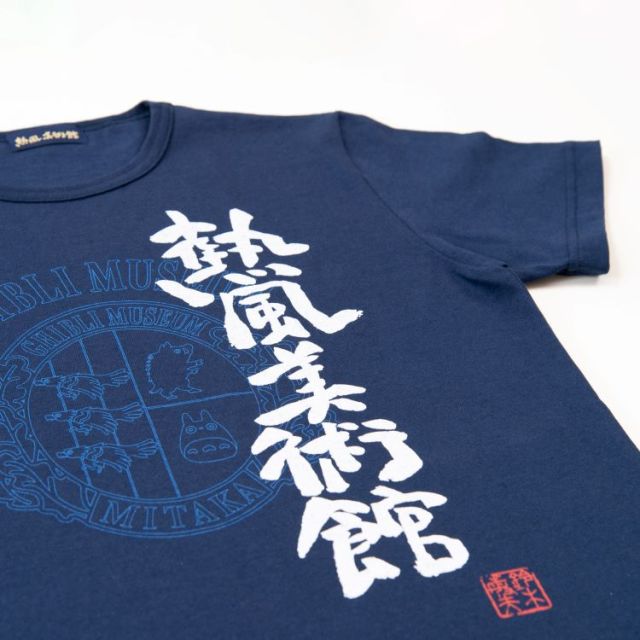
Suzuki’s white script is far more prominent than the museum crest, which draws attention to the humorous new name.
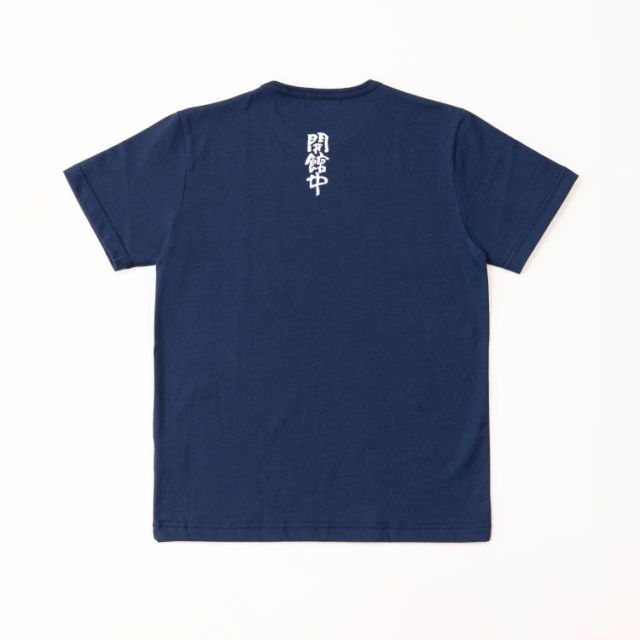
On the back of the shirt is the word “kaikanchu” (“museum currently open“), also written by Suzuki. After being closed for an extended period during the pandemic, the Ghibli Museum is currently open, and it hopes to stay that way, with the help of donations from fans around the globe.
The next item in the collection is a Homaekake Kaban, which needs a little linguistic unpacking. The word “ho” literally means “sail“, while “mae” (“front“) and “kake” (from the verb “kakeru”, “to hang“), combine to mean “apron“. Homaekake, or “sail apron” gets its name from the fact that 15th century sailors in Japan used to cut old sails to make these aprons, which they would tie around their waists.
Today, these thickly woven cotton waist aprons are still worn by people working in traditional trades, like craftspeople and sake sellers, as the thick material protects the legs while the long straps to tie the apron support the lower back when lifting heavy objects like boxes.The homaekake has a very traditional and distinctive look, often using indigo-dyed material and straps with vermillion stitching, and the Ghibli Museum puts a new twist on the design by reimagining it as a “kaban” or “bag“.
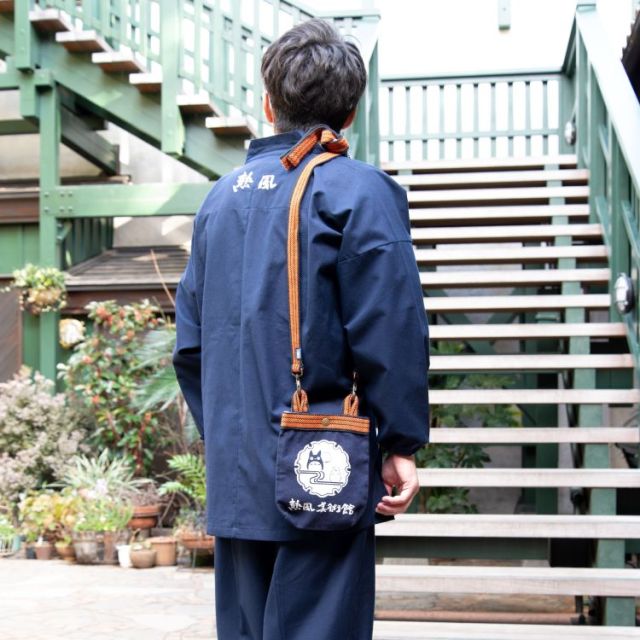
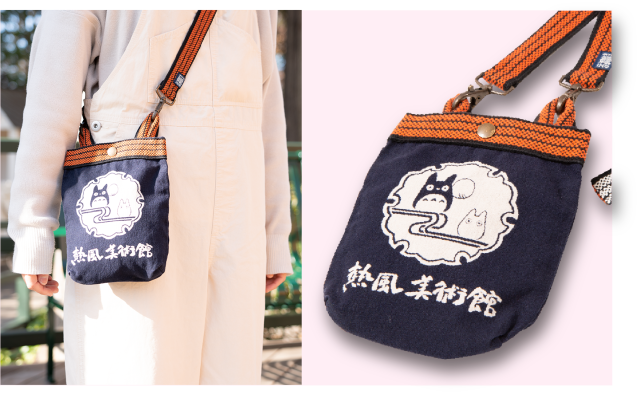
This Sail Apron Bag features a couple of Totoros from the 1988 Ghibli movie My Neighbour Totoro, and beneath them are the words “Hot Wind Museum”.
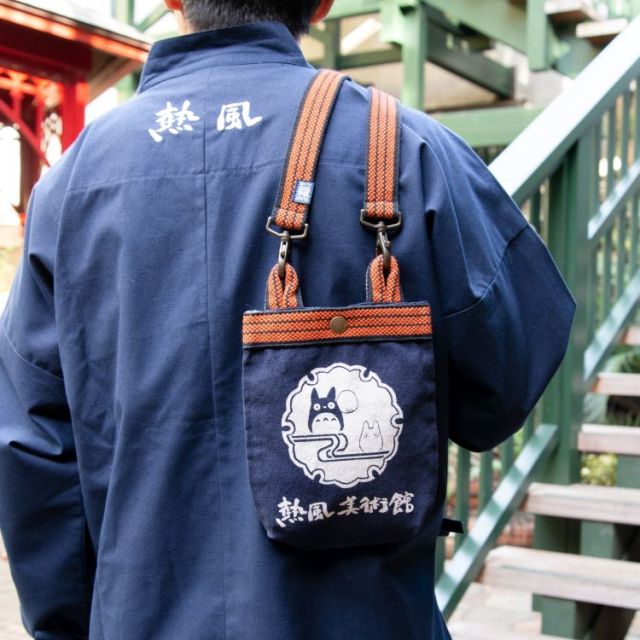
The “family crest-style Totoro design” has been printed on thick and durable fabric woven by a specialist apron maker, so it’s designed to last a long time.
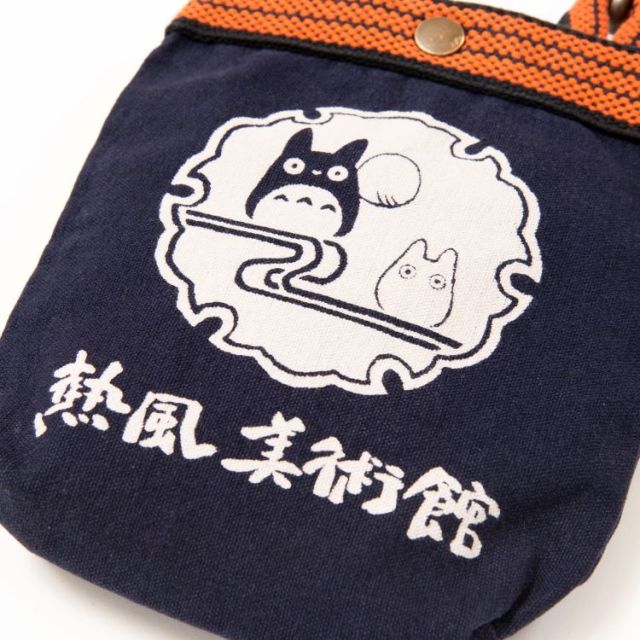
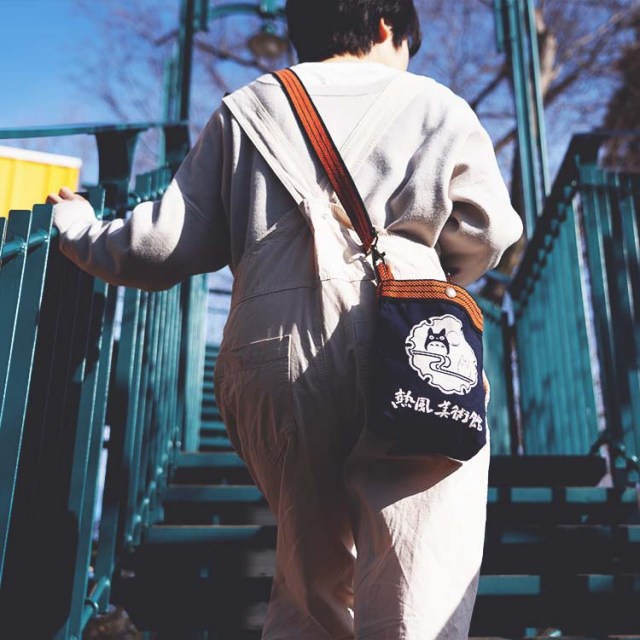
While the bag pairs well with traditional outfits, it looks equally good when worn with casual wear.
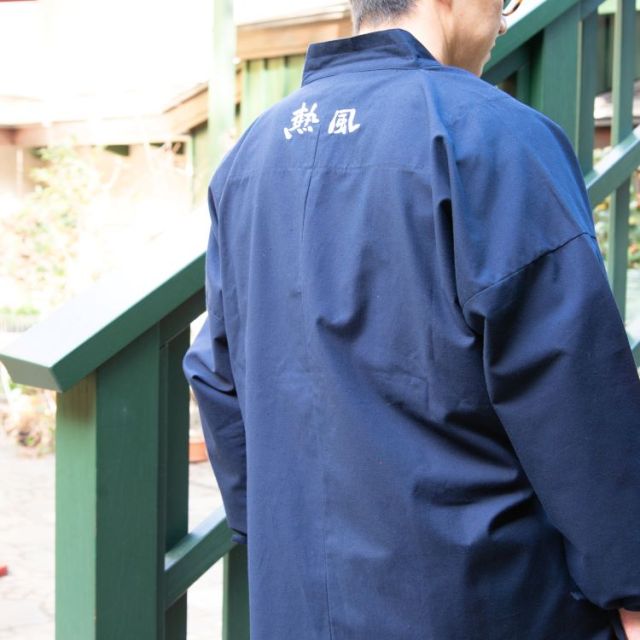
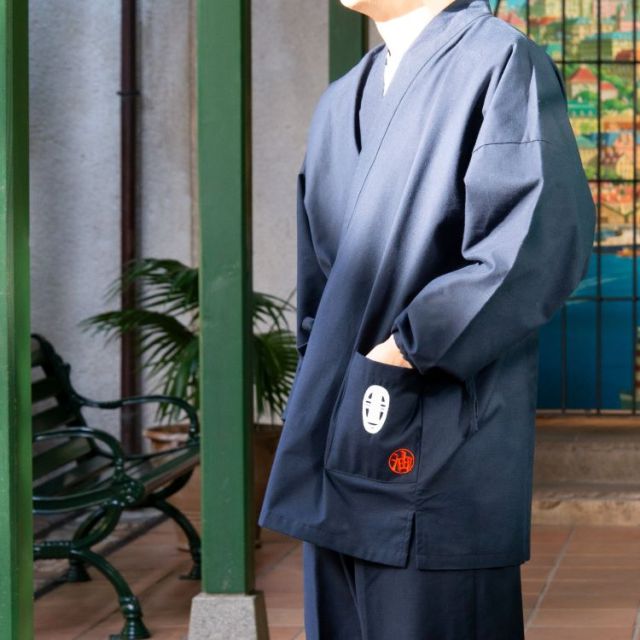
The final item in the collection is the Samue Kaonashi, which translates to “No Face Samue“.
According to the Ghibli Museum, this item was included in the range as an homage to Suzuki’s love for wearing samue. Unlike the indigo two-piece Suzuki normally wears, though, this one comes with some extra embellishments, namely the words “Hot Wind”, written in Suzuki’s hand, on the back of the top…
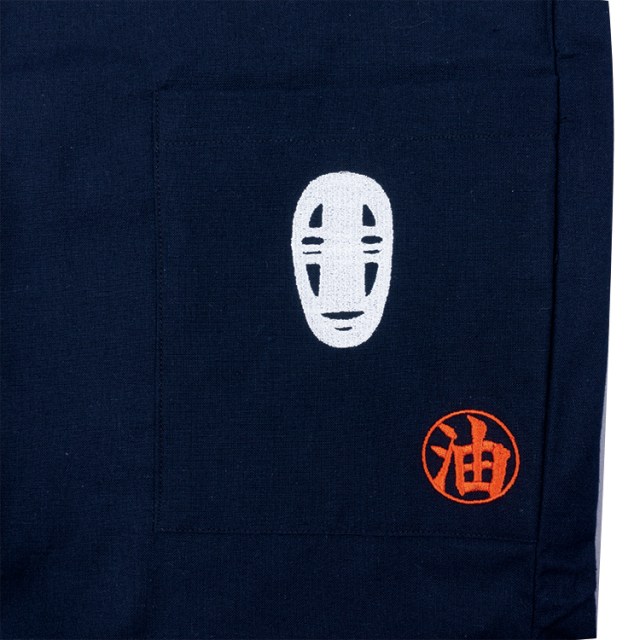
▼ …and an image of No Face on the front pocket.
The red kanji for “abura” is also included, as a nod to the Abura Bathhouse, the main setting in Spirited Away, the 2001 movie that No Face stars in.
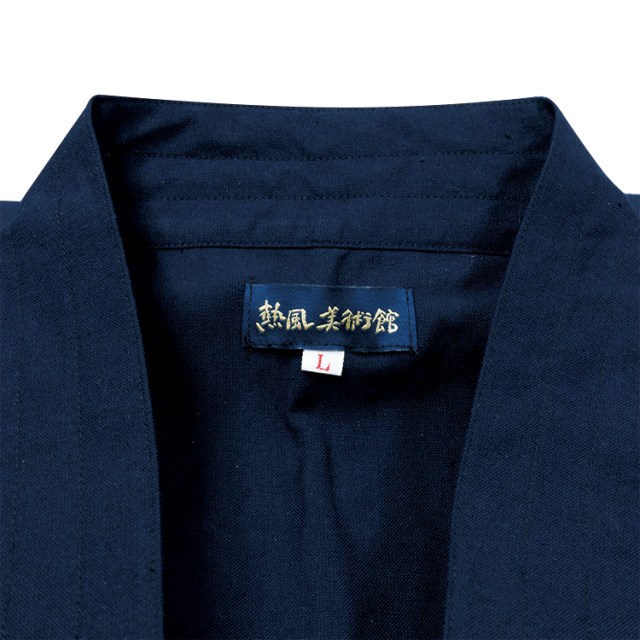
Like the T-shirt, the samue comes with a “Hot Wind Museum” label stitched into the inside of the top.
Samue are worn year-round by Buddhist monks, and they can be worn year-round by laypeople too, with the lightweight cotton creating a breathable layer in the warmer months.
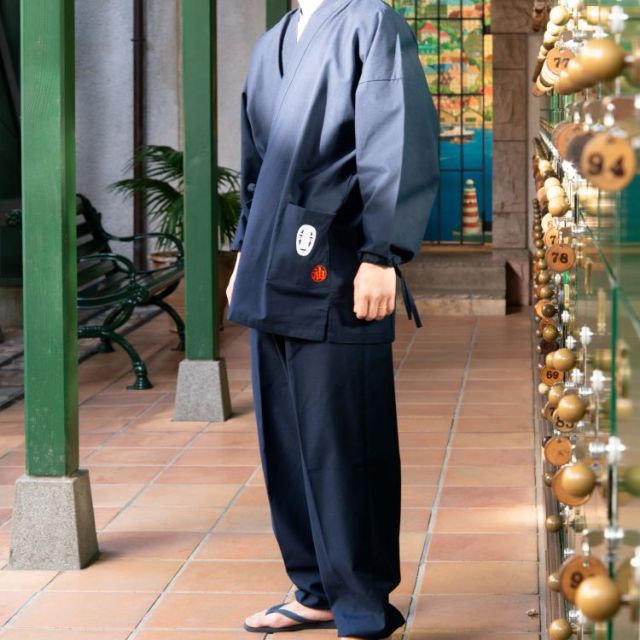
▼ During the colder months, the samue can be worn with warmer base layers underneath.
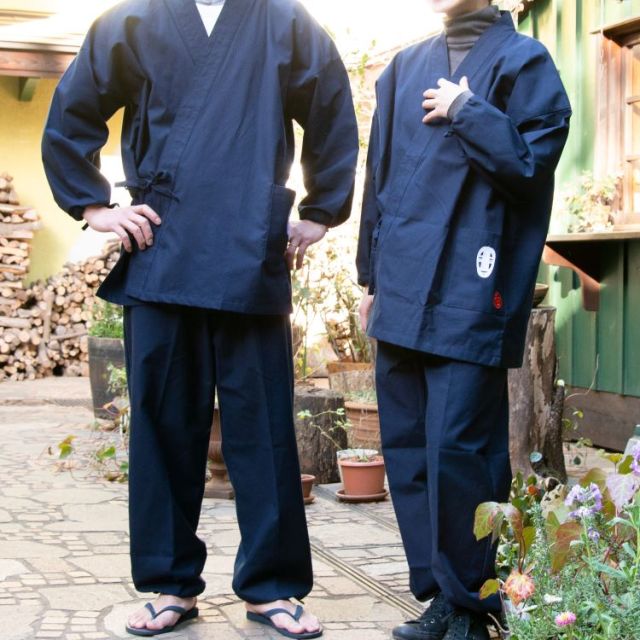
The samue is made in Kurume, a city in Kyushu that’s famous for high-quality cotton fabric production. This attention to detail and top-quality materials in the range are reflected in the prices — the T-shirt is priced at 4,500 yen (US$38.96), while the bag is 9,900 yen and the samue is 16,500 yen.
Though they’re considerably more expensive than other Ghibli goods, these items are designed to last a long time, and it’s not every day you get to purchase a Ghibli Museum item branded as “Hot Wind Museum”. If we had the money, we’d definitely be investing in the No Face samue, which, now that we think of it, is an apt garment for Spirited Away, given that the movie is filled with hidden Buddhist references.
Source: Ghibli Museum
Featured image:Ghibli Museum
Insert images: Ghibli Museum (1, 2, 3)
● Want to hear about SoraNews24’s latest articles as soon as they’re published? Follow us on Facebook and Twitter!
 New Studio Ghibli clock pays homage to anime soot sprites at the museum
 May’s Garden House Restaurant: The first Totoro-themed restaurant officially licensed by Studio Ghibli
 Studio Ghibli stores start selling super adorable clasp bags with Totoro-patterned fabric
 Studio Ghibli producer shows us how to draw Totoro【Video】
 Japanese city getting Spirited Away buses to celebrate Studio Ghibli anime producer museum event
 Wisteria season starts early with blooming of Japan’s Great Wisteria in its beautiful garden
 Japan’s best conveyor belt sushi restaurant of seven years ago has now, finally, come to Tokyo
 Starbucks Japan releases FIVE new Frappuccinos in a day, and we try them all in 90 minutes
 Japanese government wants overseas anime market to roughly triple in 10 years, but are they crazy?
 Fading Tokyo – Horikiri Station, the Arakawa River, and Kinpachi-sensei[Walking course]
 Japanese trains in Sapporo might be better than those in Tokyo, thanks to one special feature
 Mt. Fuji decorated with a 500,000-flower pink carpet is Japan’s ultimate spring view
 Pringles Chocolate, but with a Japanese twist, is the snack hack you should be trying right now
 Yoshina invites you to give the gift of beef bowls this Mother’s Day
 The top 8 fast food chains in Japan
 Japan reportedly adding Japanese language skill requirement to most common foreigner work visa
 Lawson convenience store at popular tourist site is one of the most unusual in Japan
 30 Pikachus want to share a Tokyo hotel room with you that has separate Grass, Water, Fire spaces
 You can assemble a well-balanced team of Pokémon, them eat them, thanks to Japanese cake chain
 Man bites woman at cherry blossom park in Japan, dies shortly after
 7-Eleven Japan’s new baked-in-store sweet treat is only available in three parts of the country
 Starbucks Japan closing only Shinkansen platform branch for popularity-triggered renovations
 Pokémon and Ikea Japan cross over into each other’s worlds with collaboration events
 Japan now has a special desk for people who work at home with a pet cat[Photos]
 Famous Tokyo cherry blossom spot installs view-blocking screens to fight overcrowding[Video]
 Uniqlo announces new T-shirts for One Piece, Naruto and more for manga publisher’s 100th birthday
 Train station platform ramen store closes its doors on half a century of history in Tokyo
 Starbucks Japan releases new My Fruit³ Frappuccino at only 34 stores around the country
 Krispy Kreme releases Super Mario doughnuts in Japan for a limited time
 Japanese onsen egg maker from 100-yen store Daiso needs to be on your shopping list
 Survey asks foreign tourists what bothered them in Japan, more than half gave same answer
 Japan’s human washing machines will go on sale to general public, demos to be held in Tokyo
 Starbucks Japan releases new drinkware and goods for Valentine’s Day
 We deeply regret going into this tunnel on our walk in the mountains of Japan
 Starbucks Japan releases new sakura goods and drinkware for cherry blossom season 2026
 Studio Ghibli releases Kodama forest spirits from Princess Mononoke to light up your home
 Japan’s newest Shinkansen has no seats…or passengers [Video]
 Major Japanese hotel chain says reservations via overseas booking sites may not be valid
 Put sesame oil in your coffee? Japanese maker says it’s the best way to start your day【Taste test】
 No more using real katana for tourism activities, Japan’s National Police Agency says
 Can you really learn to draw Totoro from that 61-second Studio Ghibli producer video?【Experiment】
 Hayao Miyazaki’s Nausicaä of the Valley of the Wind set to become live-action Japanese kabuki play
 Studio Ghibli releases My Neighbour Totoro range showcasing traditional Japanese craftsmanship
 Ghibli Park: Opening date, first photos, and a new promo video produced by Studio Ghibli!
 Studio Ghibli releases Japanese-style My Neighbour Totoro bags and pouches in Japan