
The holiest craft beer in the country.
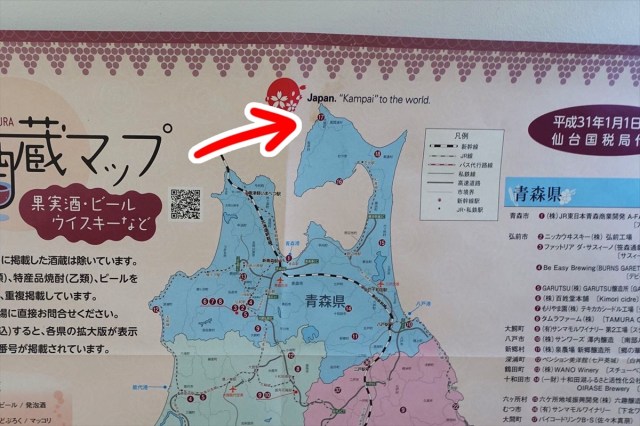
Have you ever wondered where Japan’s northernmost brewery on the mainland is located?
We hadn’t either, until the other day when our Japanese-language reporter Haruka Takagi heard about it. The brewery is located up in Oma Town, Aomori Prefecture, and what makes it special isn’t just its geographical location, but the person behind the operation, who’s a chief priest.
▼ “Kampai” (“Cheers”) to the world from Honshu’s northernmost brewery!
Priests and beermaking don’t usually come together in Japan, but here at this brewery they do, because it’s actually a Buddhist temple.
Officially named Baikouzan Soutokuji, but often mistakenly transcribed as “Takanori Temple” in English due to a misreading of the kanji, this temple has a long history that stretches back to 1625.
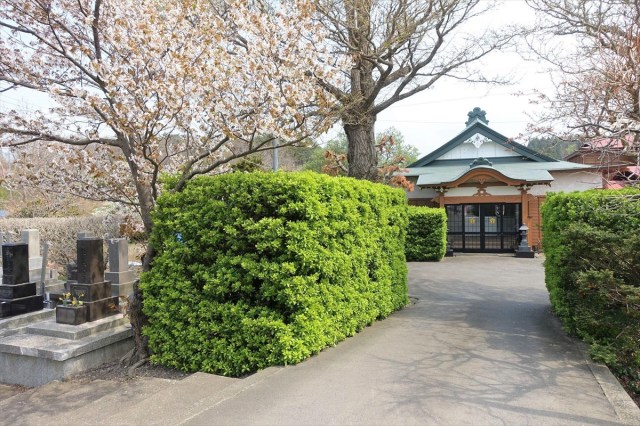
With a burial site on the grounds and an ornate main building, there appears to be nothing out of the ordinary at this temple.
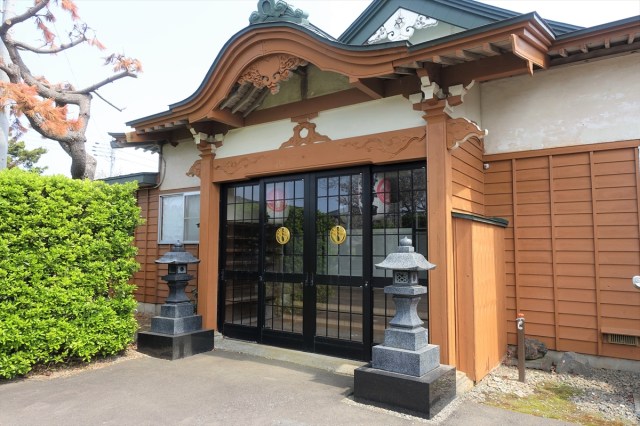
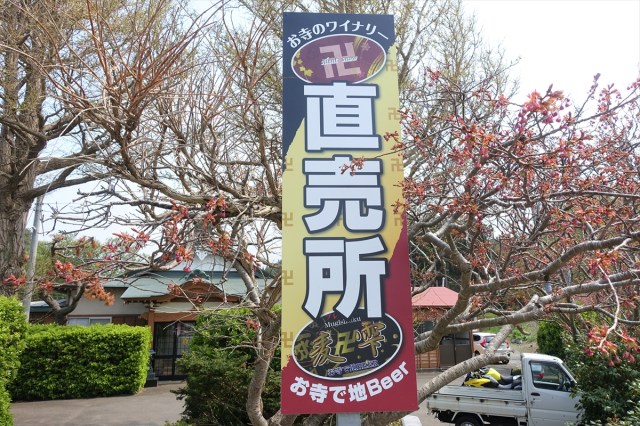
However, this temple has something others don’t have — a sign out the front promoting direct beer sales. Eagle-eyed viewers will note the manji symbol (卍) on the sign here, but it’s not to be confused with the Nazi swastika, as the manji has been commonly used as a holy symbol to mark Buddhist sites in Japan for centuries.
▼ Curiously, the sign says “Temple Winery” at the top and “Local Beer at the Temple” at the bottom.
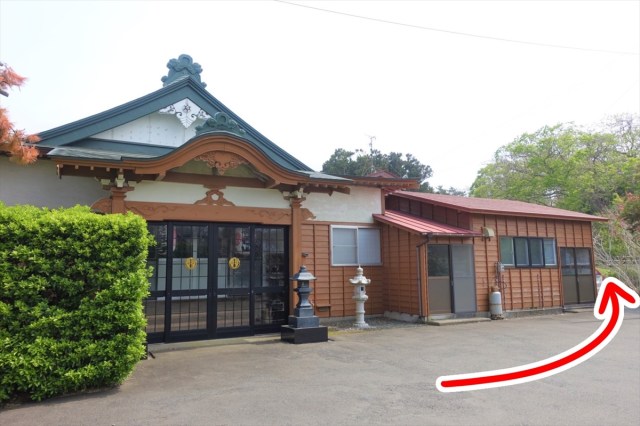
To purchase these products, simply head over to the right and walk down the outside of the building.
From here, you’ll be able to see a set of sliding doors at the far end with signs across them.
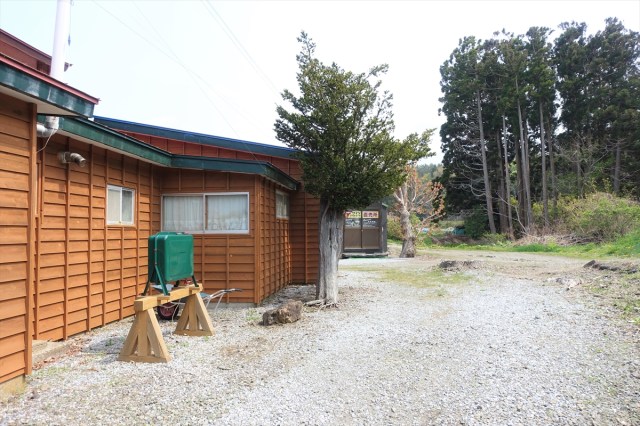
The building on your left is the brewing facility that’s off limits to the public, but the sliding doors at the end is where the direct sales office is located.

Visitors are welcome to purchase wine and beer here, although when you enter you might feel a bit confused as it looks more like an office reception than a shop.
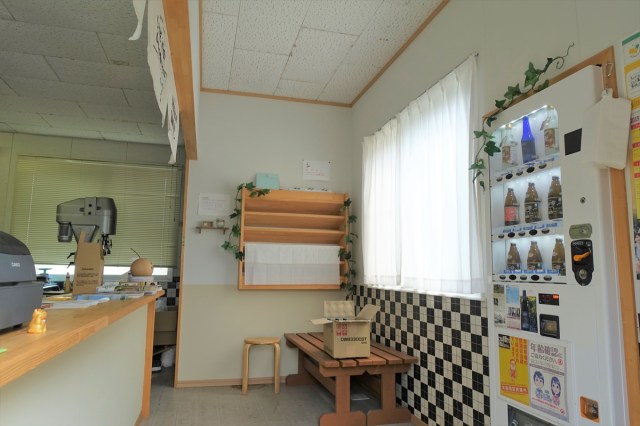
Even if this area is unstaffed during your visit, you’ll be able to buy wine and beer, thanks to the vending machine that sells them near the entrance.
Stock varies from time to time, but when Haruka visited, she was able to choose between two types of wine and six types of beer.
▼ Wine on the top row, and on the bottom rows: apple, pilsner, lager, stout, pale ale, and bitter beers.
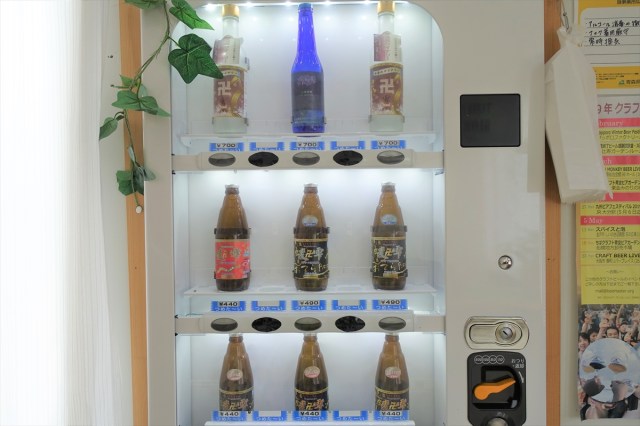
This was more variety than she’d expected, and everything was reasonably priced, ranging between 440-490 yen (US$3.44-$3.83) per beer and 700 yen for a bottle of wine.
The wine and beers both feature the holy Manji symbol on the label, with the wine named “Silent Snow” and the beers named “Mugishizuku” (“Barley Drop”), although it’s rendered as “Mugisizuku” in English.
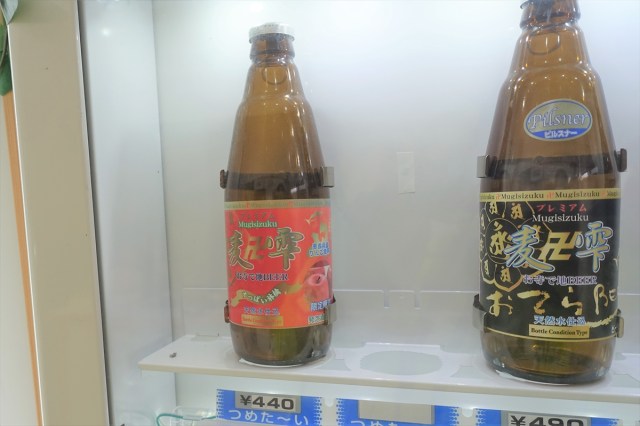
Haruka wanted to buy one of everything but decided to exercise some Zen-like restraint by settling on three beers only.
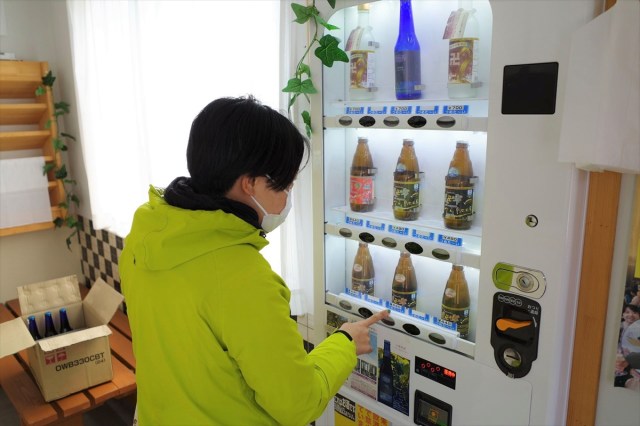
And, just like that, Haruka completed her purchase — three beers brewed at a holy site with centuries of history behind it, dispensed by a modern-day vending machine.
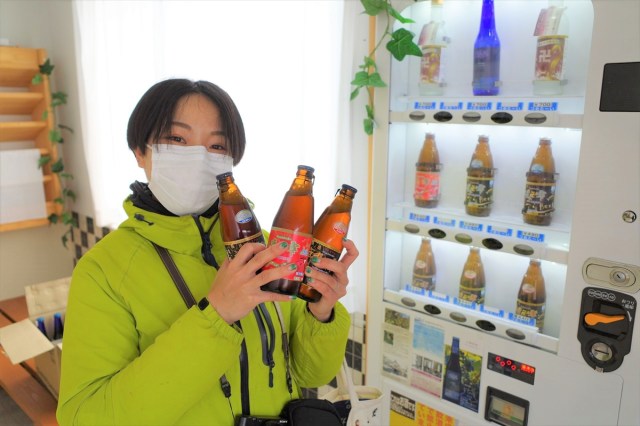
As Haruka was about to leave, she caught sight of the chief priest at the back of the sales office and decided to ask him more about this unusual venture.
Haruka had always thought it was improper for alcohol to play a part in everyday temple life, so she started by asking the priest, whose name is Mr Sasaki, when and why he started brewing alcohol at the temple.
He replied by saying:
“I first made beer about 20 years ago. The reason is because the water [around here] is delicious. Water is beer’s life force. After that, the wine I started making has grapes as its life force, so that again is different.”
That’s when Haruka realised why alcohol wasn’t necessarily a bad thing in the eyes of religion, as it was celebrating the energy and life forces around the temple. She was curious to know more about the water that Mr Sasaki spoke so highly of, and he told her:
“Yes. There is spring water in the precincts that originates from Osorezan [a holy mountain known as Mount Osore in English]. When I was thinking about ways to make use of it, I came up with the idea of making beer.”
Learning the background behind the temple brewery gave Haruka even more appreciation for it, and as she made her way back to her motorbike, she discovered another vending machine a little further down from the direct sales office.
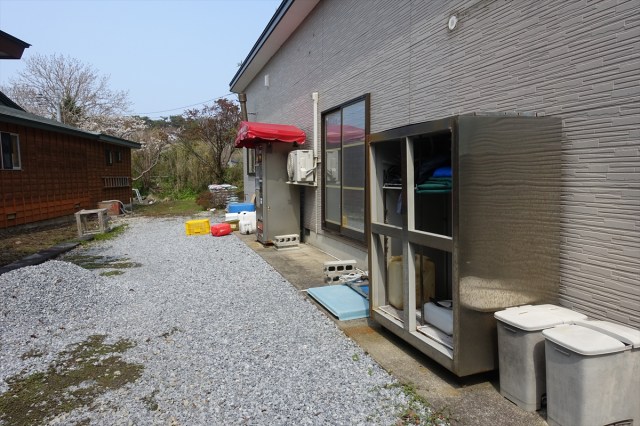
This is where you can buy the temple’s beers at any time of the day or night, but a driver’s license is required to use this particular machine, to verify you’re over the legal drinking age. There’s no license requirement to use the vending machine inside the sales office, as staff are usually present to verify your age.
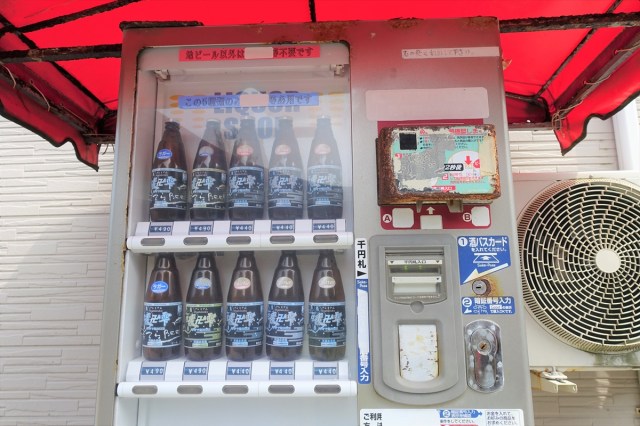
After returning home from her trip to the tip of Honshu, Haruka had worked up a thirst for temple beer. She made sure to chill the bottles before trying them, and lined them up for a tasting.
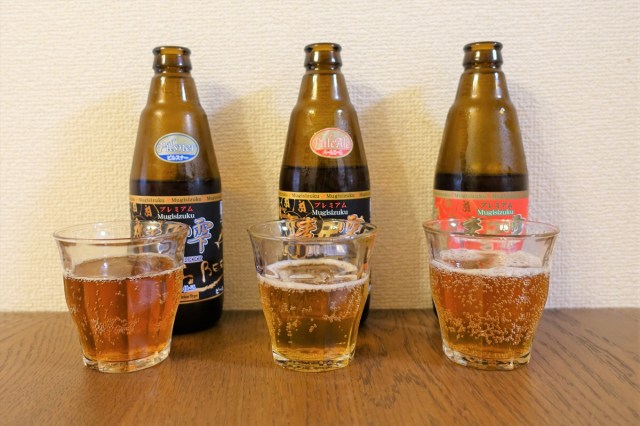
▼ Left to right: pilsner, pale ale, and apple
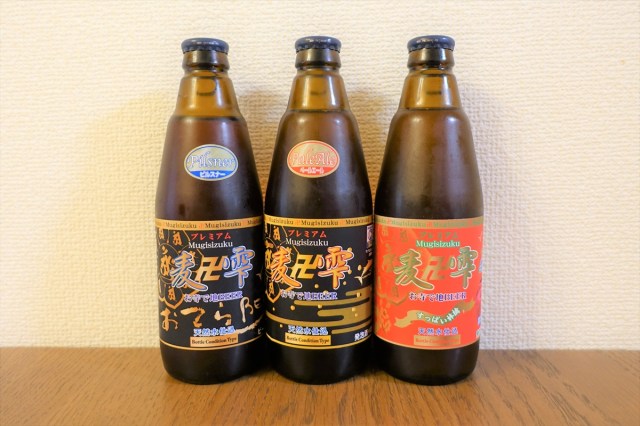
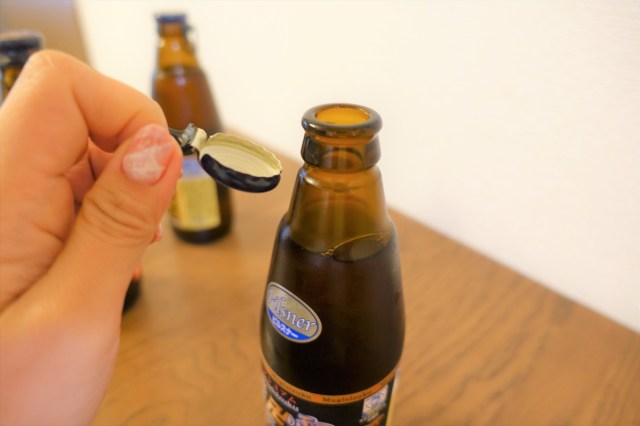
This was a real craft experience, as the lid of each bottle sprang off upon opening, as if they’d been flipped by a spring.
Her flight of beers showed each one had a different colour — the pilsner and apple displayed brownish hues, while the pale ale was golden orange.
As she drank her beers, Haruka was pleased to find that they all had a great aroma, with a crisp bitterness and a slight alcoholic bite. It felt unsanctimonious to say it, but Haruka thought they would pair well with a slab of juicy grilled meat.
As for the individual taste of the beers, the pilsner had a strong taste and aroma of wheat and hops, with a bold bitterness. The pale ale was easy to drink, with a fruity acidity and a refreshing finish. The apple beer — a nice addition to the range, as Aomori is famous for apples — wasn’t as sweet as she’d expected, with the fruit peeking in at the end of every sip to provide a delightful counterpart to the bitterness.
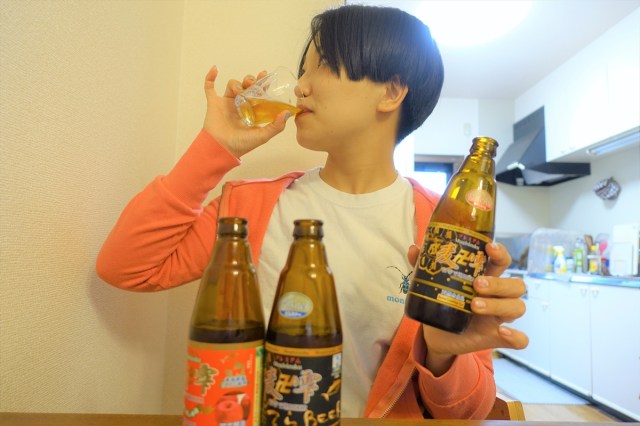
These were great beers, and a true testament to Mr Sasaki’s 20 years of beer-making experience. While each one had a very different flavour profile, Haruka’s favourite was the pale ale, and it was so good she’s now vowed to return to the brewery in the future to try the rest of the collection.
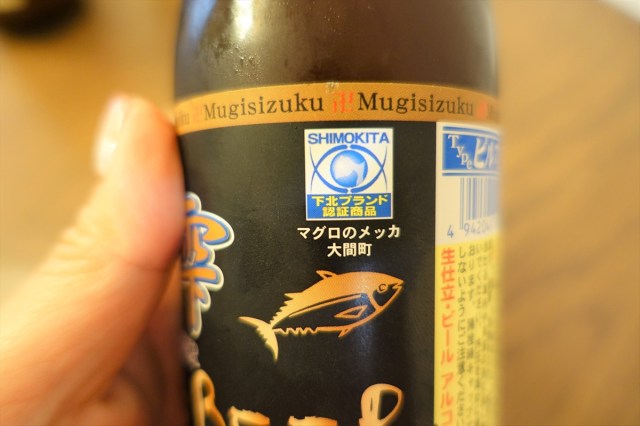
▼ The range is certified as an official brand from Aomori’s Shimokita District, while Omacho, where the brewery is located, is famous for tuna.
Haruka has also made a mental note to share this temple brewery tale to staff at the Yokohama convenience store that sells 300 varieties of beer, because they’d previously told her that no temple in Japan makes beer.
Not a lot of people know about this unusual brewery, especially as the temple doesn’t have an online store to help expand distribution. So if you’re looking to try a very unique beer that even Japanese people aren’t aware of, you might want to make a trip up north to Soutokuji. And while you’re there, you can discover seven other hidden gems in the area!
Temple information
Baikouzan Soutokuji / 梅香山 崇徳寺
Address: Aomori-ken, Shimokita-gun, Omacho, Okoppe 93
青森県下北郡大間町奥戸93
Website
Photos ©SoraNews24
● Want to hear about SoraNews24’s latest articles as soon as they’re published? Follow us on Facebook and Twitter!
[ Read in Japanese ]