
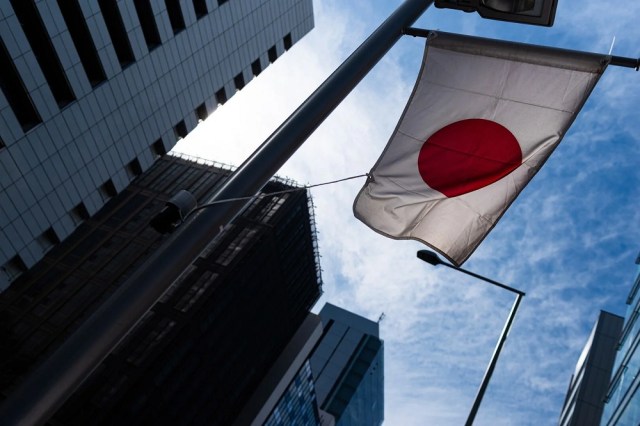
Change comes with less than half a week’s notice, new requirements will take five more years to meet.
Though the new calendar year starts in January, for many organizations in Japan the administrative year doesn’t start until a few months later. Spring is when most companies start their business year, when most schools start classes, and when most new laws go into effect, and this year’s new laws mean that foreigners now have to meet significantly higher requirements to acquire Japanese citizenship.
Up until the end of May, the baseline minimum requirements for foreigners applying for naturalization were:
1. Has lived in Japan for at least five years
2. Has made at least one year of tax payments
3. Has made at least one year of social insurance payments
Under the new system, which was announced by the Ministry of Justice, the residency requirement has now doubled, to a minimum of 10 years. Also now twice as long is the period of necessary social insurance payments, which has grown to two years. The largest proportional increase is for tax payments, as foreigners applying for Japanese citizenship will now need to show proof that they have made at least five years’ worth of tax payments.
▼ At least Japan has some festively colorful tax documents.

It’s important to remember that these changes are for the requirements to obtain Japanese citizenship, and so don’t affect foreigners seeking to live in Japan without becoming Japanese citizens. With that in mind, let’s look at how big of a difference the changes make, and whether they’re unreasonably strict, starting with the shortest requirement, the two years of social insurance payments.
In simple terms, Japan’s social insurance system requires payments, based on income, to fund pension and health insurance programs. All residents of Japan age 20 and older are required to make payments, but students can apply for postponements/exemptions. Because even under the old system five years of Japan residency were required, the shift to two years of required social insurance payments is only removing people who made no payments for four of their first five years living in Japan from the candidate pool. So, for example, under the new citizenship requirements a person who’s lived in Japan as a student for four years, but only spent one working in the country, would not yet be eligible for Japanese citizenship. As the number of people in such a demographic who’re seeking to change their citizenship is relatively small, the extended social insurance requirement is the least likely part of the new system to freeze large numbers of foreigners out of eligibility.
The difference gets a lot more significant, though, with the tax payment requirement going from one year to five, meaning that applicants will need to spend half a decade working as adult members of Japanese society before satisfying that point. Work visas in Japan are typically issued for a period of one, three, or five years, depending on factors such as the applicant, their country of origin, and type of work, so some individuals will need to have secured multiple renewals before becoming eligible to apply for Japanese citizenship, potentially setting up a scenario where a rejected visa renewal application puts an end to their naturalization chances.
The really big difference, though, is going to be the increase in Japan residency from five years to 10. The social insurance requirement can be treated simply as an expense by those who can afford to make the payments, and even the five years of tax payments isn’t really a heightened hurdle for foreigners who arrive in Japan as working adults, since under the old system they would have had to live in Japan for five years anyway before applying for citizenship. The additional five years’ worth of residency required under the new system, though, is something that can’t be overcome though prior career planning or budgeting, so it’s what’s going to have the largest negative affect on the number of foreign nationals in Japan who can become citizens (though the new rules include the vague clause that the residency requirement is “10 years, in principle,” leaving open the possibility of exceptions for applicants with special circumstances).
The Ministry of Justice says that the extension of the residency requirement is to help insure a smoother, more harmonious integration of naturalized citizens into Japanese society, and the longer requirements for tax and social insurance payments should help ensure that social welfare programs are being funded by the people who stand to benefit from them.
▼ The idea that if you’re going to become a full-fledged citizen of a country, you should be committed to living there long enough to benefit from its social programs doesn’t sound too draconian.

With Japan’s shrinking native-born population and the looming crisis of labor shortages and insufficient funding for social welfare programs, there’s an argument to be made that the country should be making it easier for foreigners to live in Japan long-term, not more difficult. However, it’s again important to keep in mind that the citizenship changes do not apply to applicants for work, study, or other residency visas, including those applying for non-citizen permanent residency in Japan. In fact, applying for permanent residency already required the applicant to have lived in Japan for at least 10 years, so in that sense the new citizenship requirement is simply aligning itself with the one for permanent foreign residents.
That said, while there were rumblings that stricter citizenship requirements were probably on the way since late last year, the Ministry of Justice did not formally announce the new system until March 27, and they went into effect for new applications from April 1. On the one hand, that means that foreigners who already had in-progress applications will still be evaluated under the old, less-strict requirements, but only five days is a very short advance notice for those who were in the middle of putting together their applications.
Source: Livedoor News/Kyodo via Jin, Yomiuri Shimbun
Top image: Pakutaso
Insert images: Pakutaso (1, 2)
● Want to hear about SoraNews24’s latest articles as soon as they’re published? Follow us on Facebook and Twitter!