
The status of women in Japan is changing and the Japanese language is being modified along with it. Let’s see how women are viewed these days by surveying some of the modern Japanese words used to describe them.
Bringing you yesterday's news from Japan and Asia, today.
Women in Japan Series
The status of women in Japan is changing and the Japanese language is being modified along with it. Let’s see how women are viewed these days by surveying some of the modern Japanese words used to describe them.

We’ve talked before about a few of the discriminatory measures against women in Japan, but there are still a few more. Let’s take a peek!
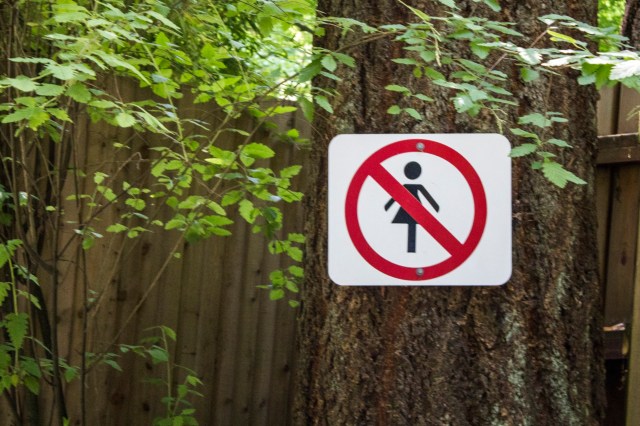
Women have been prohibited from doing certain things (entering places, using facilities, etc.) for as long as civilization has existed. Restrictions are still common, albeit usually in religious contexts only. While religions themselves evolve and change with the times and bans are lifted, it doesn’t mean all of them get an update.
As women, we all know the purported reasons behind these bans: women are “impure” because we menstruate (the same impure biological process that allows us to give life to men), we are the physically weaker sex, and we distract men with our beauty. Yada, yada, yada.
Today, in our Women in Japan Series, we take a look at four things women are still not allowed to do in Japan. I’ve divided them into bans and semi-bans. Bans allow no women; semi-bans allow women–but only sometimes.
Of course, it’s high time these restrictions were lifted. While much headway has been made in the past, such as the lifting of the rule preventing women from climbing Mount Fuji, other bans are proving more stubborn despite protests by Japanese women’s groups. Will these restrictions be lifted anytime soon? Only the Japanese people can decide.

According to the Global Entrepreneur Development Index (GEDI) that measures favorable conditions for women entrepreneurs, the US and Australia are ranked first and second respectively, while Japan places fifteenth, just behind Peru. Yet Japan fulfills many of the requirements to create a successful female entrepreneurial environment such as education, skills and access to capital.
In addition, women in Japan can overcome obstacles such as low salaries, long work hours and scant child-rearing options by owning their own businesses and calling the shots. So, what’s holding Japanese women back? It turns out that a large part of it may be Japanese women themselves.

Prime Minister Shinzo Abe’s “womenomics” scheme aims to get more women into the workforce in order to combat the shrinking and aging population and help spur the Japanese economy. While I believe women can save Japan, I don’t think it’ll be through womenomics. As any Japanese woman can tell you, it’s not as easy as it should be for females to work full-time in this country. In the Japanese business world, companies are loath to offer working conditions that males and females alike enjoy in other developed countries, such as reasonable work hours (40 hours a week with optional overtime), work sharing, flexitime and working from home. Whereas in the West the attitude is that as long as you get your work done on time, it doesn’t matter how you do it, in Japan emphasis is more on the hours put in at the office to show your loyalty to the company. Add to that additional cultural biases against gender, age, experience and returning to work after raising children, and you have a recipe for “eternal housewife.”
Clearly, the problem is deeper than merely hiring more women, or adding more day care centers, both actions Abe is pushing. But the good news is that there is a group of women who are beating the system, and who have been for some time now.
This week, as part of our Women in Japan Series, we introduce you to three female entrepreneurs who have successfully forged ahead in the business world by defining their own terms. They can support themselves financially, are able to live more freely, have time for their children and families, and work fewer hours than they’d have to in the corporate world. And the best thing about it? They’re regular women, just like you, me, or your partner. Drum roll please…
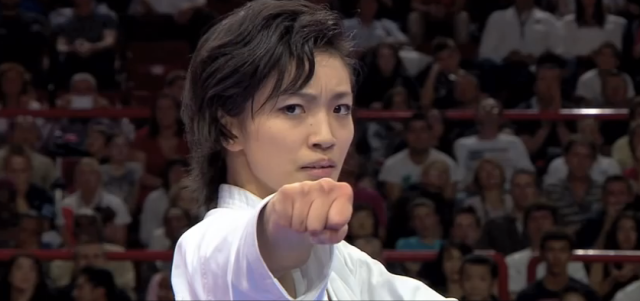
We at RocketNews24 previously told you about the awesome Wushu World Champion women fighters. While Japan has plenty of women who participate in Wushu (and have done rather well) more Japanese women have made names for themselves in karate, judo and taekwondo.
Japan leads the world in women’s judo and karate. Both are gendai budo martial arts, or modern Japanese martial arts that started from or after the Meiji Restoration (1866–1869). The ancient martial arts, such as jujitsu or naginatajutsu, predate the Meiji Restoration.
Women’s Judo, an Olympic sport, wasn’t instituted until the 1992 Barcelona Olympic games. While karate is not an Olympic sport, Japanese women have achieved top results in the Asian Games, the Karate World Championships, and the World Games. Japan also has a top woman in the traditional Korean martial art of taekwondo.
Let’s take a closer look at these leading Japanese martial arts practitioners who, even on a bad day could kick our collective arses.

If asked which traditional Japanese arts are female-only, the first thing that comes to mind for most foreigners is probably geisha. Following that, most people might guess tea ceremony, ikebana (flower arrangement) or calligraphy. But tea ceremony and ikebana had connections to Buddhism and were started in Japan by Buddhist priests. Still today many masters in these two disciplines are men. Calligraphy was brought over from China and both men and women practiced by copying Chinese letters. Only later did Japan develop its own form of calligraphy which is still practiced today by both sexes.
In this article, we introduce five strictly female Japanese arts, a couple of which you may have never heard of before. In addition to everyone’s favorite, the geisha, we introduce the world’s only all-female revue, naginata swords for women, itako female fortune-tellers and the mysterious naked sea nymphs: the ama pearl divers.
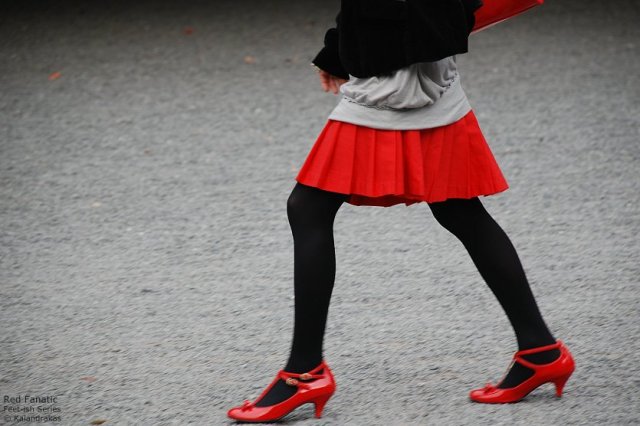
We at RocketNews24 previously told you about 10 Things Japan Gets Awesomely Right. Now we want to tell you about ten more things that are equally awesome, but especially for women in Japan. It doesn’t mean that men don’t also find these things impressive, but we’re betting that some of these have never been noticed by men, because, well, they were designed with women in mind.
Every woman likes to be pampered every now and then, and in Japan it’s just too easy to get used to some of the every day niceties we enjoy! Of course the Japanese are known for being polite, which helps tremendously to get through any stressful day, but Japan goes that extra step sometimes to make things that much nicer. After all, it’s the little things in life that matter, right?
So here’s our list of 10 things that make it so darn nice to be a woman in Japan. Get ready, ’cause you’re gonna love these!
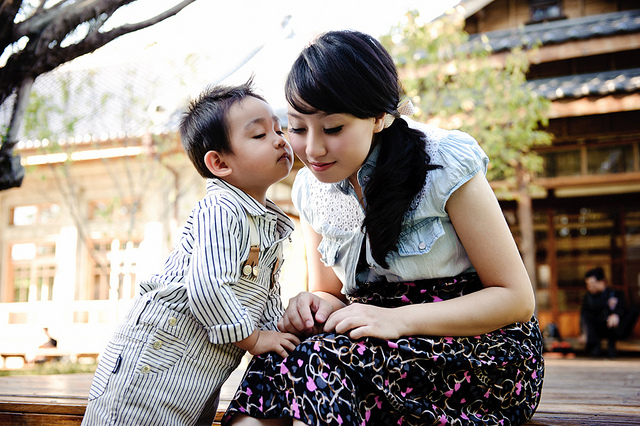
It’s no secret that Japan continually lands at the bottom in global gender gap reports. In 2012, the World Economic Forum ranked Japan 101 in regard to women’s participation in the economy and politics. In 2013, Japan placed 105 (out of 135 countries), putting it behind Burkina Faso in gender equality.
Based on these findings, you may think it doesn’t seem like Japan is a very good country for women, but you’d be wrong. While there are huge shortcomings in gender gaps in the workplace, economy and politics, in other sectors of Japanese society some would would argue that Japanese women have “too much” power.
Let’s take a look at five areas where women are most powerful in Japan.
 Japanese milk carton cakes are a genius idea that the world needs to know about
 Family Mart releases 47 convenience store socks and stickers, one for every prefecture in Japan
 Do Komeda’s beefy rice balls continue the chain’s hallowed tradition of “reverse fraud”?
 Free-flowing cocktails, natural onsen water, and custom pillows make this Osaka hotel a steal
 New Studio Ghibli notebooks are a beautiful reason to write and draw by hand [Photos]
 Giant wagashi cushions will turn your home sweet home into home sweet Japanese sweets home
 Pizza Hut in Japan now serves spicy glass noodle pizza
 Japan’s newest anime figure crane game prize may also be the world’s weirdest hanger [Photos]
 Final Fantasy Fat Chocobo Curry coming to fill up fans, even if they can’t attend Fan Festival
 7-Eleven Japan now has Milk Miso Curry Ramen, but is that too much for one cup? [Taste test]
 Tokyo train station will play Godzilla theme song as new departure melodyFamily Mart releases 47 convenience store socks and stickers, one for every prefecture in Japan
 Experimenting with making hot sandwiches in the microwave with a device from Japan’s 3COINSNew Studio Ghibli notebooks are a beautiful reason to write and draw by hand [Photos]
 Osaka man arrested for running little pet shop of horrors with dangerous crocodileJapanese milk carton cakes are a genius idea that the world needs to know about
 Make-your-own-Totoro plushie workshop event coming to Ghibli Park park this fallGiant wagashi cushions will turn your home sweet home into home sweet Japanese sweets home
 Burger King serves up Pickleball Burgers in Japan, with a tasty nod to the number 11
 Starbucks Japan releases new Halloween Frappuccino and drinkware, but are they worth buying this year?
 Japan announces new permanent residency guidelines, foreigners must earn more than average Japanese person
 Starbucks Japan unveils new Pokémon collaboration with Pikachu Latte and exclusive goods
 Studio Ghibli’s Calcifer is ready to light up your home as a magical-looking candle lamp [Photos]Family Mart releases 47 convenience store socks and stickers, one for every prefecture in Japan
 Lady Gaga and Family Mart team up for a Japanese convenience store work video [Video]
 New Gundam Base superstores coming soon in the U.S., with one opening this month
 Studio Ghibli releases new plush mascot character collection with a focus on friendshipTokyo train station will play Godzilla theme song as new departure melody
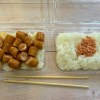 Do Japan’s new single-minded convenience store bento show depressing poverty or satisfying focus?
 Studio Ghibli unveils new anime stationery collection, with a Spirited Away River God memo stand
 Japan announces sudden 400-percent increase in visa fees for foreigners entering the country
 Japan’s human washing machines will go on sale to general public, demos to be held in Tokyo
 Studio Ghibli has a new anime out, and there’s only one place in the world where you can see it
 Starbucks Japan releases new drinkware and goods for Valentine’s Day
 Starbucks Japan releases new sakura goods and drinkware for cherry blossom season 2026
 Japan’s newest Shinkansen has no seats…or passengers [Video]
 Tokyo subway installing new ticket gates that don’t accept payment through Suica or other IC cards
 Japanese ninja certification exam attracts 131 candidates from Japan and abroad
 Salomon releases Japan-exclusive Mt. Fuji hiking gear that doubles as an amazing souvenir
 Japan reportedly adding Japanese language skill requirement to most common foreigner work visa
 Giant wagashi cushions will turn your home sweet home into home sweet Japanese sweets home
 Pizza Hut in Japan now serves spicy glass noodle pizza
 Japan’s newest anime figure crane game prize may also be the world’s weirdest hanger [Photos]
 Final Fantasy Fat Chocobo Curry coming to fill up fans, even if they can’t attend Fan Festival
 7-Eleven Japan now has Milk Miso Curry Ramen, but is that too much for one cup? [Taste test]
 Sushi Bus starts running in Japan, but is it a tourist trap or tourist must-do?
 Starbucks Japan releases new Halloween Frappuccino and drinkware, but are they worth buying this year?
 Japan lodges formal complaint with China for calling Prime Minister Sanae Takaichi Sanae Takaichi
 Tokyo train station will play Godzilla theme song as new departure melody
 Burger King serves up Pickleball Burgers in Japan, with a tasty nod to the number 11
 Starbucks Japan unveils new Halloween goods with secret glow-in-the-dark details
 Japan has convenience store fried chicken-flavor instant ramen, but does it taste like it says it does?
 Criminals of Japan’s Edo Period Were Often Punished by Getting Face Tattoos
 Japan announces new permanent residency guidelines, foreigners must earn more than average Japanese person