A lot’s been said about how foreign audiences feel about Japanese TV dramas, but what if we flip the script?
If you’ve watched a lot of Japanese TV dramas, odds are you’ve seen certain situations, character types, or other tropes show up again and again. Some of the most time-honored staples are the clumsy but earnest new company employee with a stern but caring boss, madly in-love teens whose romance is abruptly ended by a mysterious illness, and parents slapping their disobedient kids and following the strike up with a tearful embrace, because that’s how much they love them.
But what if we flipped the perspective? What do Japanese viewers think are the most common tropes of foreign, particularly American, TV series? To find out, we asked out Japanese-language reporter, and television fan, Takashi Harada, and he gave us a list of 40 things he keeps noticing in foreign TV dramas.
1. They really go all-out on the production values.
2. The opening sequences are really cool.
3. The characters face a never-ending series of crises.
4. You can be almost certain someone who’s addicted to hard drugs will be part of the story.
5. The characters go to group therapy sessions.
6. There’s always one heavy-set character.
7. The foreshadowing is pretty heavy-handed.
8. The episode endings are really strong, so you can’t wait to see what’ll happen in the next one.
9. People can steal cars really, really easily.
10. If someone’s starting a car, the engine will turn over whenever the timing is most dramatic.
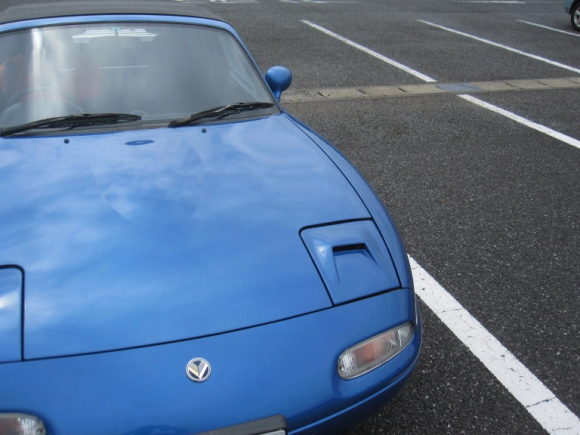
11. The pyrotechnic teams don’t mess around. The explosions are huge!
12. The first season usually ends up being the best.
13. The series finale feels anticlimactic.
14. People can bust down doors like they’re made of plywood.
15. The characters who’re supposed to be students look way too old.
16. If something good happens, the characters stop what they’re doing and have a party right then and there.
17. When someone eats a hamburger, it’s gigantic.
18. Actually, all of the food is gigantic.
19. Everyone keeps their medicine in a cabinet.
20. People have affairs at the drop of a hat.
Let’s take a quick breather and look at some of Takashi’s observations so far. Japanese TV dramas almost always include a pop song from a popular recording artist as an opening theme, and marketing also leans pretty heavily on the fame and star power of the leading cast members. Because of that, you really don’t see a lot of dramatic opening sequences for Japanese dramas, which usually just go with some lingering shots of the cast as the theme song plays.
As for having one crisis after another, the overwhelming majority of Japanese TV dramas only run for roughly 12 episodes, which doesn’t really give them time for multiple conflicts and story arcs. If a show is a big hit, it might get a sequel a few seasons later, but even then, each season is meant to be enjoyable even as a self-contained story, so the intense piling on of challenges and ever-rising stakes that are popular features of American TV dramas don’t happen.
And that comment about keeping medicine in a cupboard? Japanese bathroom fixtures don’t always have much storage space, so they often don’t have the big medicine cabinets common in American homes. Instead, the norm is for people to keep their medicine in a box in a closet.
OK, let’s dive into the rest of Takashi’s list.
21. When characters kiss, they really use the tongue.
22. And the kisses are so long.
23. Like, they seriously get into it.
24. The female characters’ outfits show a ton of cleavage.
25. Friends end up dating each other.
26. Characters who you thought were dead miraculously come back to life.
27. Friendships get busted up pretty easily.
28. There’s always one character who’s got a screw loose, and you never know what sort of crazy thing he’s going to do.
29. And he usually ends up being critical to the plot.
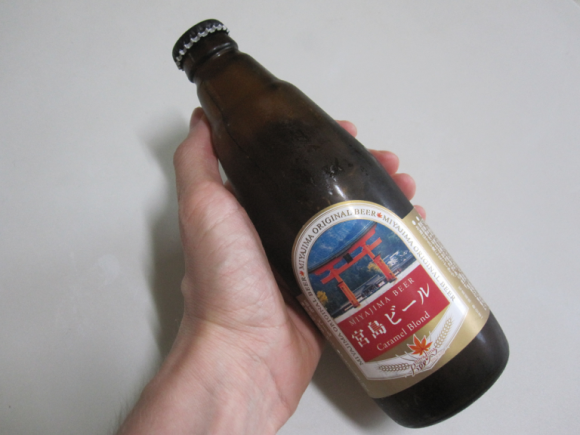
30. People drink beer out of bottles instead of cans.
31. If someone is rich, then they’re super-rich.
32. The gunfights have you on the edge of your seat.
33. The scriptwriters always balance out good things happening for the characters with bad things happening for them too.
34. Everyone just sort of gruffly hangs up the phone when they’re done talking.
35. If characters are in love, they never miss a chance to say “I love you.”
36. Someone is going to tell their pet “That’s a good boy!”
37. When kids get punished by their parents, they can’t leave the house.
38. The subtitled version and dubbed versions of the dialogue feel different.
39. Watching it with subtitles is best, but the dub has its own flavor too.
40. After you watch the first episode, you’re hooked and want to see the whole series.
Considering the fact that Japan has a number of late-night TV shows that are little more than thinly veiled excuses to show models in bikinis, it might seem a little strange for Takashi to be startled by some cleavage. However, Japanese TV dramas usually reflect everyday fashion trends, and while wearing a short skirt or shorts isn’t especially scandalous in Japan, even moderately low-cut tops are considered a bold choice, especially in a workplace environment.
Kids getting grounded by their parents is another thing you won’t see too often in Japanese TV dramas. Kids are generally portrayed as earnest and pure, and those with rebellious streaks almost always are shown to come from homes with little parental involvement.
And last, all that kissing really is a pretty stark contrast. With only about 12 episodes to work with, Japanese TV dramas with a romantic element tend to put their primary focus on the buildup to two characters realizing they love each other. Once they’ve both confessed their love, the season is just about done, and a fairly tame smooch is often all the audience gets to see, with the implication that the couple’s more intimate, established-couple-level displays of physical affection will be happening off-screen.
But like Takashi mentions with the final point on his list, the longer-term storylines of foreign dramas give them a very different feel from Japanese ones, and, in the case of their fans, a compelling reason to keep watching.
Images ©SoraNews24
[ Read in Japanese ]