Costs and other societal changes have made ceremonies smaller, and certain practices are approaching obsoleteness.
Traditional Japanese funerary practices are rooted within Buddhist rituals, and a traditional Japanese funeral consists of the following three important steps: the wake, the ceremony itself, and the cremation of the deceased.
However, funerals have been noted to be on a sharp decline in Japan in recent decades, and Hiromi Shimada, a Japanese specialist of religion and writer of a bestseller titled Funerals Are Not Necessary, has observed the three main reasons as to why more Japanese people are forgoing traditional funeral practices.
▼ Gotta check these prices twice so my family doesn’t end up broke.
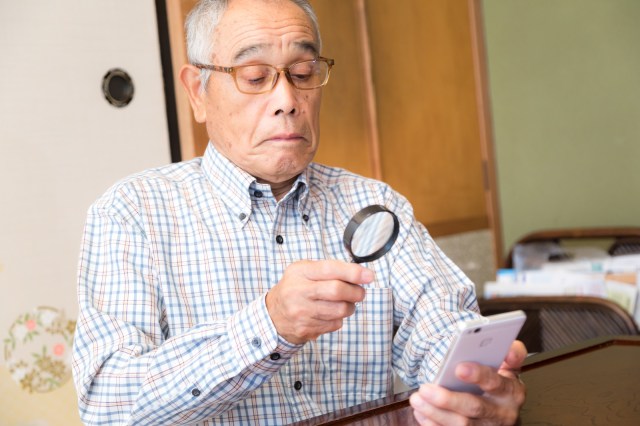
The first reason is related to cost. Japan has the most expensive funerals in the world with the average funeral cost at 2.31 million yen (US$21,800). This average is at least five times the average of United States’ funeral costs, which has an average of 444,000 yen ($4,183) per funeral.
And especially compared to other countries such as Germany and the United Kingdom, with their respective averages around 198,000 yen ($1,865) and 123,000 yen ($1,158), funeral costs in Japan seem like borderline bank robbery.
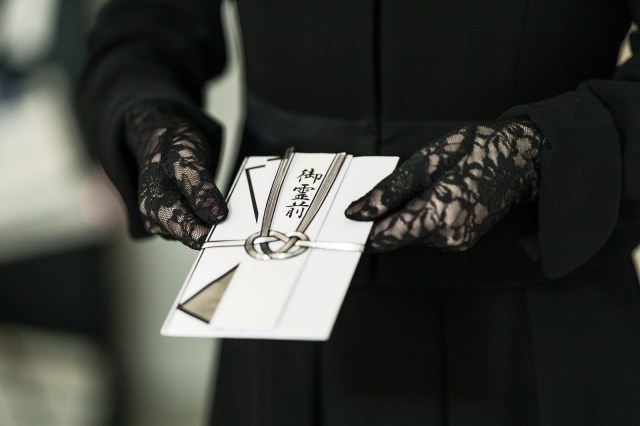
▼ While a part of Japanese funeral tradition is gifting money to the deceased’s family, such monetary offerings don’t necessarily cover the full costs.

Costs have also risen due to a growing dependency on third-party vendors. Traditionally, funerals were very much a community-based affair. Whenever an individual in a village passed away, typically a team was formed from the members of neighboring households to assist the grieving family.
Much of the help provided from the community included preparation of funerary items, assisting the post-wake meal, hosting visiting mourners from afar, and burial of the deceased. As populations shifted and more individuals moved out of these tight knit communities, such groups have become scarce save for Japan’s more rural, tradition-abiding regions. In place of assistance that would come from the community in bygone days, people now have to rely on funeral agencies or third-party businesses.
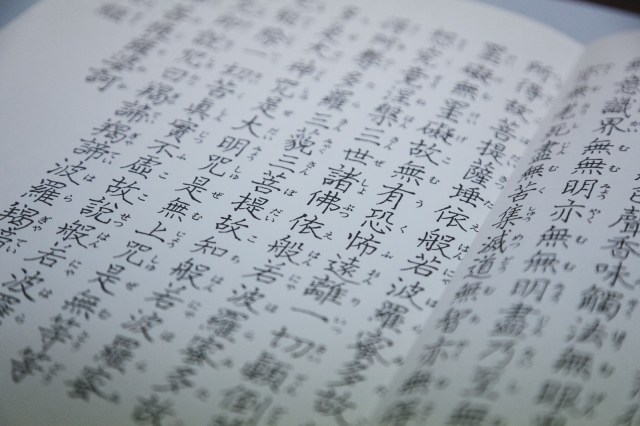
▼ The reciting of Buddhist sutras by a local monk is another traditional part of Japanese funerals, but many families refrain from including such practices to keep down costs.
Secondly, traditional funerals have been on the decline due to their smaller sizes.
While funeral ceremonies used to be elaborate affairs in the late 80s due to the robustness of Japan’s economy, with over-the-top flower displays and even brass ensembles for passed away celebrities, people have now opted to have more private funerals that only include family members and/or close friends of the deceased. Some individuals even opt for a funeral style dubbed chokusou, in which the deceased is cremated immediately, and no wake or ceremony is held.
Smaller funerals ensure that burgeoning expenses, such as the renting of a funeral hall, are avoided, but another factor why funerals have become smaller is that simply put, for a person who passes away in their eighties or nineties, there is no one who can come to mourn. For the extremely elderly, their main social circles have dissipated over time as the majority of their closest relatives and friends have already passed away.
▼ Yet another compounding factor that aging Japanese folks face, along with a lack of stimulation.

Lastly, a drop in company-sponsored funerals have also contributed to the overall decline of Japanese funerals.
Postwar Japan saw a rise in companies becoming more involved in the life affairs of their workers — including their memorialization post mortem. It wasn’t uncommon for companies of any size to oversee funerals especially for top administrators who passed away, and oftentimes companies would completely supply the manpower and funds necessary to pull off the ceremony.
However, nowadays less companies partake in this practice, leaving funeral costs up to individuals and their families.
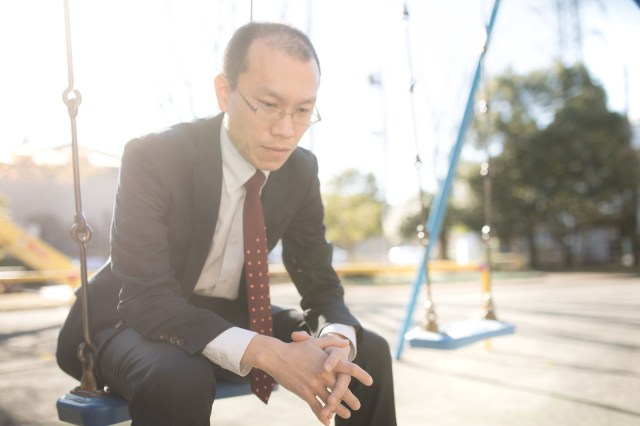
▼ I too would be deeply lost in thought if I knew my dead body was to be displayed in front of my subordinates.
While things definitely look like they’re on the expensive side in Japan, Hiromi notes that you can still hold a budget-friendly funeral by obtaining the necessary items on your own.
For example, the casket and the funerary urn for holding the deceased’s ashes can be bought separately for 30,000 yen ($282) and 3,000 yen ($28) respectively. The price of cremation depends on the municipality — some local governments offer the service for free, others may have a small charge of 10,000 yen ($94), which is way cheaper than the 60,000 yen ($565) charged by third party businesses in metropolitan areas like Tokyo. So technically, you could have a funeral for less than 50,000 yen ($471), provided you make the proper arrangements ahead of time.
But for folks juggling work, multiple social spheres, and family, the time and energy necessary to prepare for a funeral isn’t something easy to shoulder individually. And while this may be a personal opinion, but if the deceased really wants a traditional funeral, it would be in rather bad taste not to respect their final wishes.
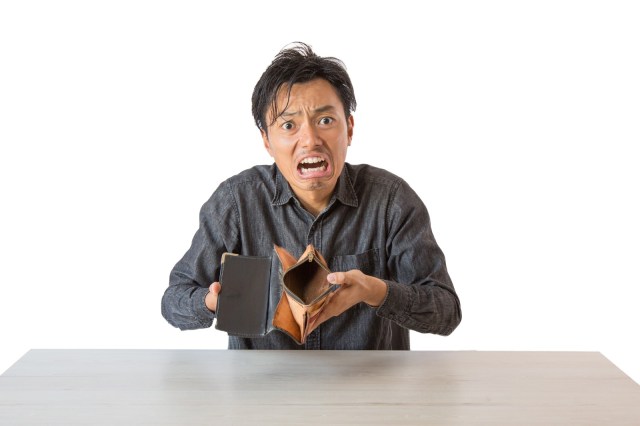
▼ There is also a DIY funeral kit for those who are superbly desperate or strapped for cash.
Every culture has their own funerary practices, often reflecting historical underpinnings as well as religious beliefs. But whether you believe in the afterlife or not, no matter your budget, at least it’s become much easier to keep mementos of the deceased with these elegant brass capsules for your beloved’s ashes or bittersweet, homemade altars.
Source: President Online via Hachima Kiko
Top image: Pakutaso
Insert images: Pakutaso (1, 2, 3, 4, 5, 6)
● Want to hear about SoraNews24’s latest articles as soon as they’re published? Follow us on Facebook and Twitter!