
We test the Okome Pouch, which uses a patented method to make rice more delicious… and easier to wash.
As much as we love rice, one thing we don’t particularly love is the work that goes into preparing it. Not only do you have to wash and knead the grains, but you often find yourself scrambling to pick up errant grains when rinsing, before they disappear down the drain.
So when we heard about a product that claimed to “reproduce the ideal way of washing rice using patented technology, bringing out the full potential of each individual grain”, we knew we had to give it a try.
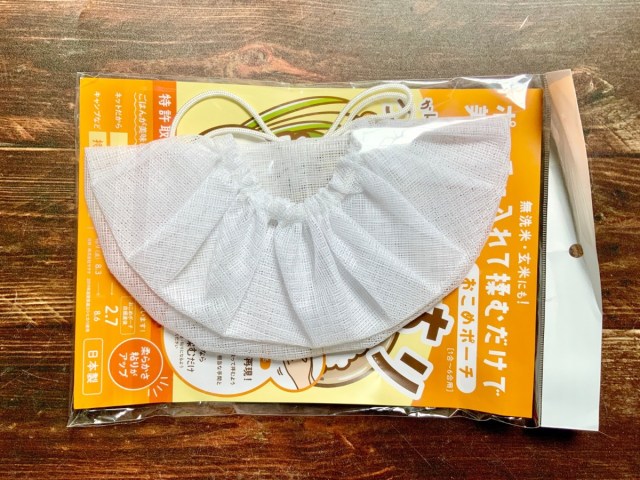
Called the Okome Pouch, with okome being the Japanese word for uncooked rice, the product is made in Japan from a gauze-like material, and comes with a drawstring opening.
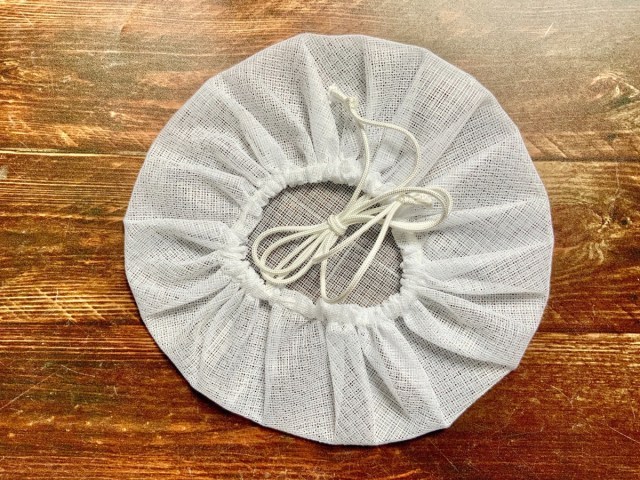
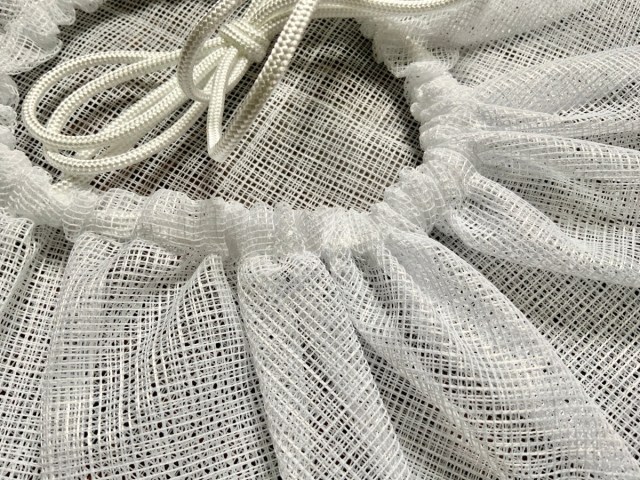
The pouch comes in three sizes: 1-3 go, 1-6 go and 1-9 go, with “go” being the traditional Japanese unit used for measuring rice, which works out to be about 180 millilitres (about 0.76 U.S. cups).
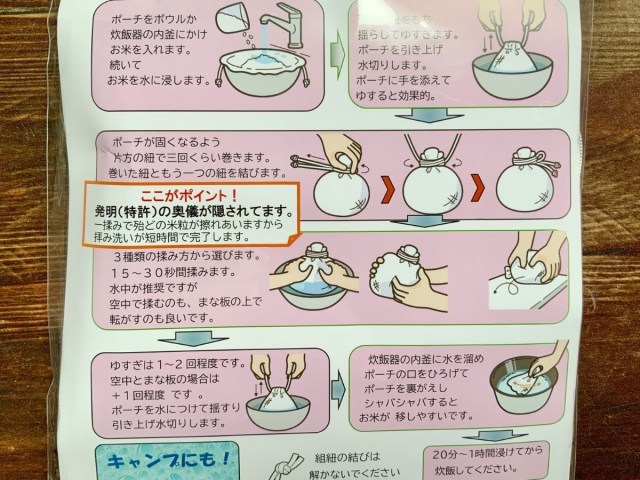
We chose the 1-6 go variety, and after following the instructions to boil it before the very first use to sterilise it, we popped it into our rice-washing bowl and added the rice and water.
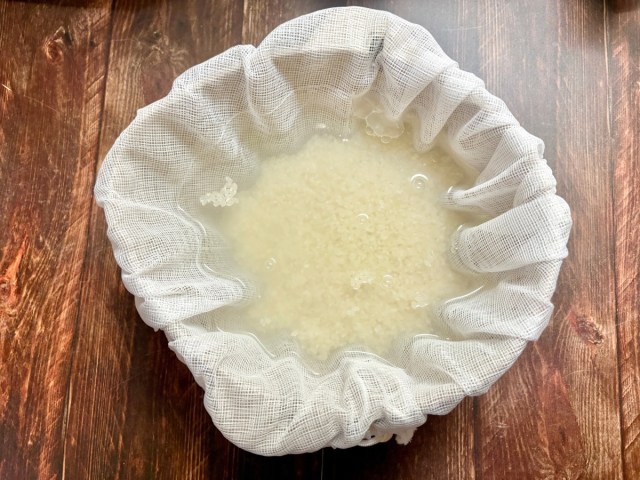
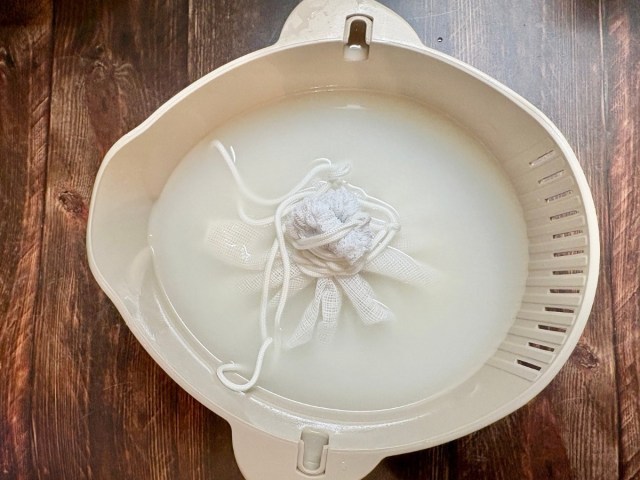
Pulling the opening closed, we then rinsed the rice by dunking the pouch up and down, before draining the water. Then we fully closed it by wrapping the rope around the opening, and kneaded the pouch for 15 to 30 seconds.
We tried “underwater kneading”, which involves kneading the pouch while it’s submerged in water, but apparently you can also do “air kneading”, where you knead without submersion or “rolling kneading”, where you roll it across a chopping board.
The underwater kneading turned the rice-washing water totally white, but after changing the water and rinsing it another two times, the prep was done, and best of all, no grains of rice had been spilled in the process.
While we usually leave the rice to soak in a bowl for around 30 minutes at this stage, when using this method you leave it to soak inside the pouch, for the same amount of time.
Then all that’s left to do is cook it the way you always do, which for us is in a donabe clay pot.
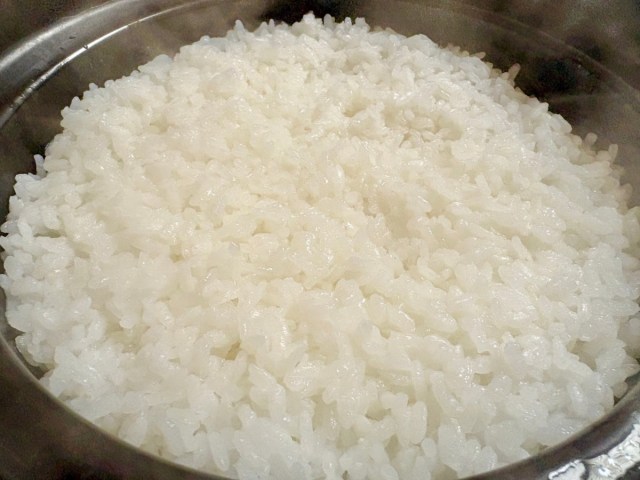
As soon as the cooking was done, we were very keen to test the results, starting first by judging their appearance.
▼ Regular bowl of rice on the left and the Okome Pouch version on the right.
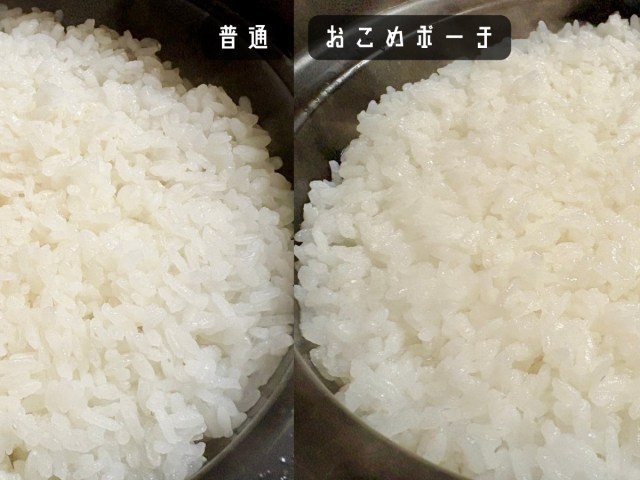
At first glance, we didn’t notice much of a difference in appearance – perhaps the Okome Pouch version was a tad glossier. However, as soon as we tried a mouthful, we could tell it was clearly different from the rice we regularly make.
▼ The texture of the Okome Pouch-washed rice was noticeably softer, and each individual grain was wonderfully plump, without being soggy.
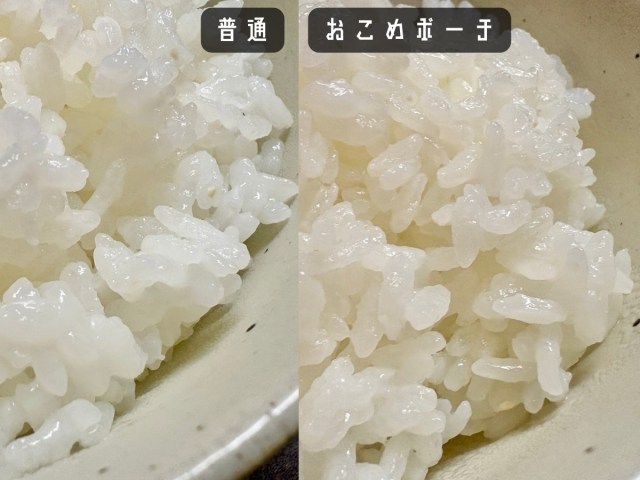
It wasn’t just us who noticed the difference, because when other members of the family, who knew nothing about the experiment, tasted the rice, they asked, “Is today’s rice different from usual?”
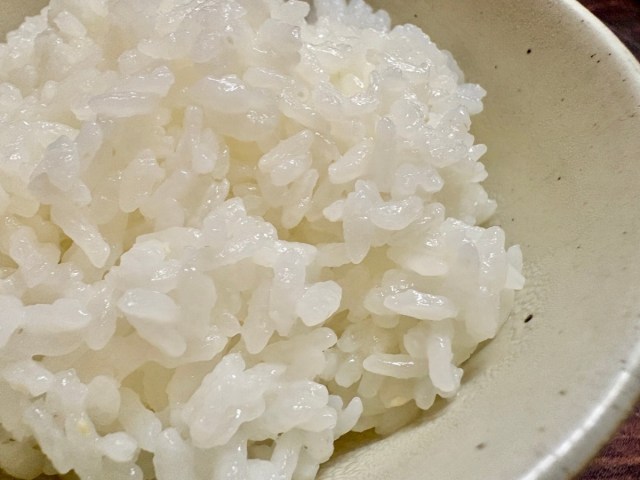
Though it’s hard to convey the difference through photos, it’s very noticeable in the eating. It was so noticeable that we took a closer look at the product description, where we learned that the secret apparently lies in the way the pouch forces most of the rice grains to come into contact with each other. When combined with the kneading motion, countless tiny scratches are created on the surface of the rice in a short amount of time. This allows the heat to penetrate the heart of each grain more effectively, producing plump, glossy rice.
After using the pouch, we were totally sold on it. Not only did it give us an easy and better way to wash the rice, it prevented the rice from spilling, and because it’s all contained within the pouch, it’s a handy way to prepare rice in less-than ideal environments, like while camping outdoors, or when you’ve just gotten your nails done.
You do have to wash the pouch after every use, but it only needs a quick wash, and it’s also dishwasher-safe, so it isn’t that much trouble. Priced at 1,920 yen (US$13), it can be purchased at homeware stores and online marketplace sites like Amazon and Rakuten, so keep an eye out for it if you want to upgrade your rice skills in the kitchen.
Photos ©SoraNews24
● Want to hear about SoraNews24’s latest articles as soon as they’re published? Follow us on Facebook and Twitter!
[ Read in Japanese ]