I recently had the opportunity to travel to the Noto Peninsula, an outcrop that sticks out from Japan’s main island of Honshu into the Sea of Japan. The area relies heavily on fishing and agriculture, and is famous for its delicious seafood and beautiful scenery.
Noto’s not so popular as a tourist destination in winter, but I went along on a trip to see what the place has to offer when it’s coooold outside. As it turns out, Noto out of season is about as chilly as I’d expected. But it was also very cool.
During the two-day trip we were treated to freezing but beautiful scenery, more fresh, delicious seafood that I could handle, and just the right amount of sake.
Scenery
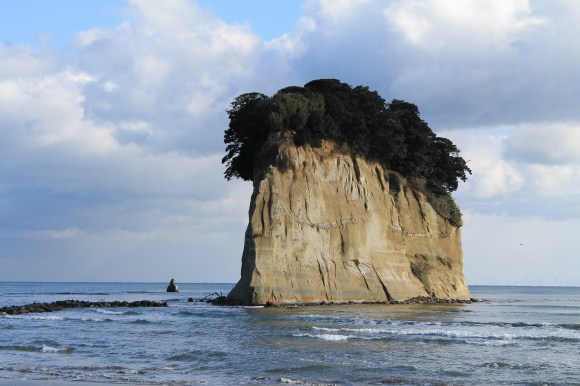
The sea surrounding Noto Peninsula is exceptionally clear, and combined with the cold weather and a special plankton, the winter gives rise to a phenomenon known as “nami no hana“or “flowers of the waves”. On windy and stormy days the waves pound against the rocks and whip up a white froth which blows across the beach and piles up like snow. It’s like a huge bubble bath, except really, really cold.
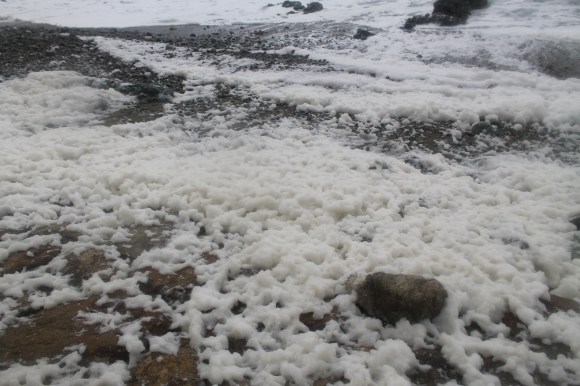
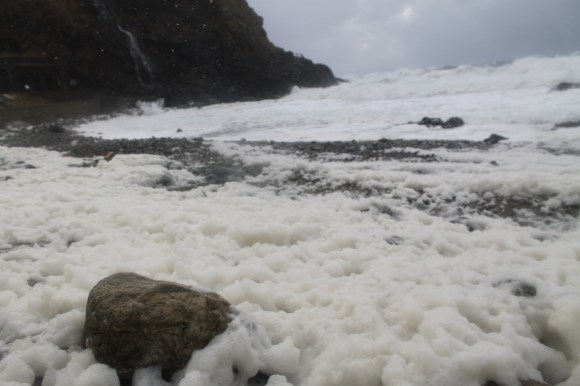
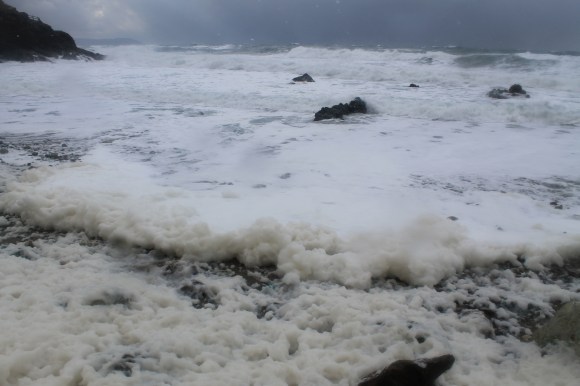
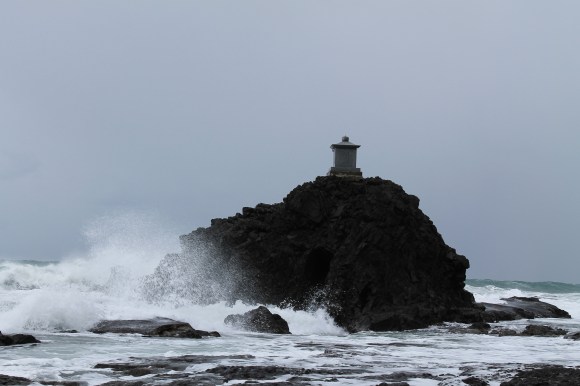
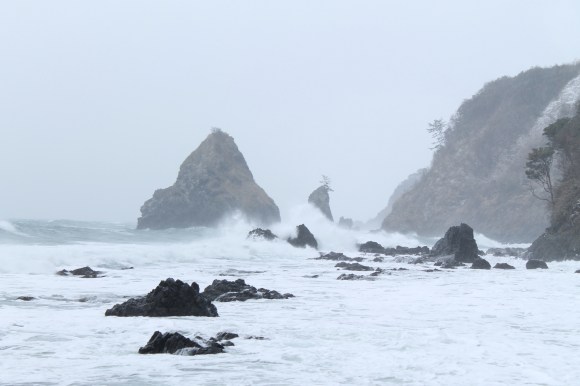
While Noto has a lot of beautiful scenery inland, too, with the ocean on three of its sides it’s the sea views that are some of the most impressive. For those who’d prefer to be in the midst of things rather than just watching, you can surf at any time of year, weather permitting, or go snorkeling in the summer.
Seafood
With so much water surrounding them, the residents of Noto Peninsula make full use of everything the sea has to offer, and they know how to prepare it all to best bring out the fresh flavour.
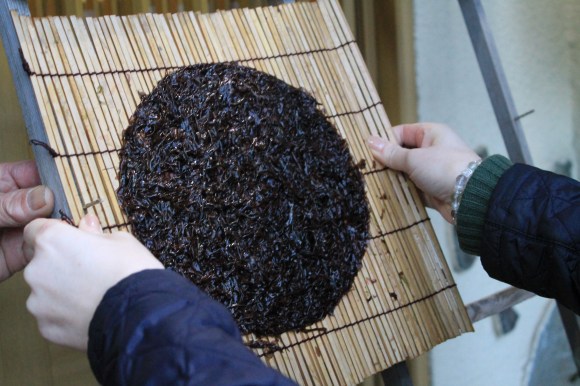
Iwanori seaweed has been gathered and prepared in the area in the same way for over 1,000 years, and we got to try the simple method out for ourselves. Unfortunately we were unable to get out to the rocks to pick our own seaweed due to the four-metre-high waves, but the ryokan inn we were staying at had some on hand for us to use.
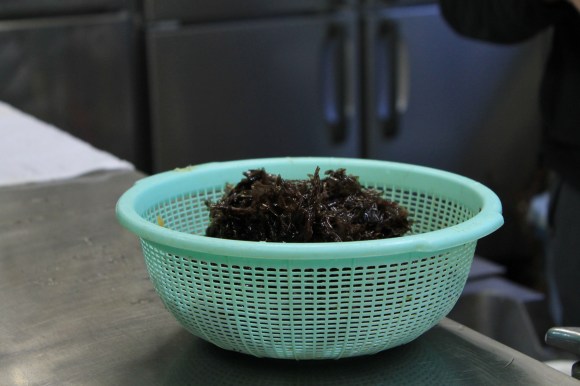
First you wash the seaweed, then spread it across the circular mould.
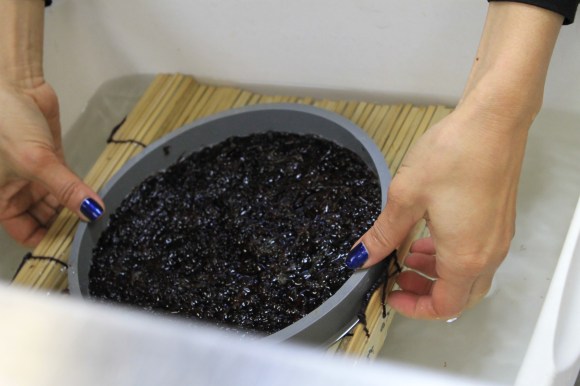
Gently lift the seaweed out of the basin, remove the mould, and allow the water to drain away. You should be left with a perfect circle of seaweed on your bamboo mat.
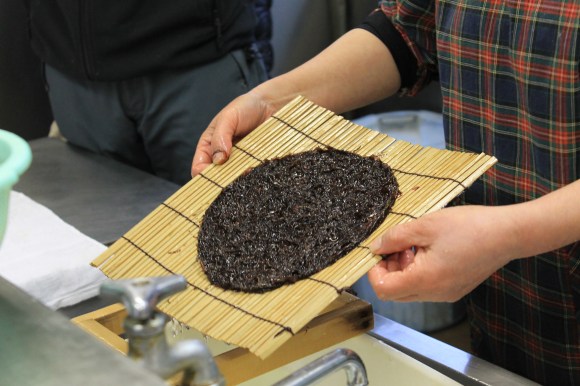

Hang the seaweed up to dry, being careful not to knock it off the mat. It can take anywhere from a day to a week to dry out, depending on the weather, but once it does, you have a convenient circle of dried seaweed to snack on! Fresh seaweed is also used as an accompaniment to other dishes and in soups.
Noto is also famous for its sea salt which is gathered and prepared using a method known as the agehama style, which has remained unchanged since the eighth century. There is only a certain period of the year when this salt can be harvested, meaning that its quantities are extremely limited. Because of the production style and its high mineral content the salt has a very distinctive flavour and many top restaurants in Kyoto order batches well in advance.
Now, time for some food porn!
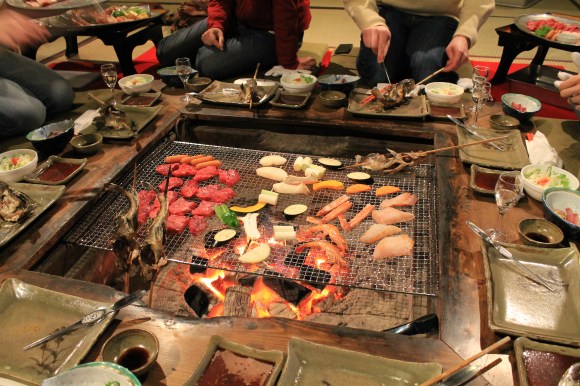
Due to the cold winter weather, it’s traditional to sit around a hearth, or irori, to eat so as to keep warm while you enjoy grilling your own food. Meal times in Noto are also about socializing, which this style of eating lends itself well to as people ask one another to pass them this or that.
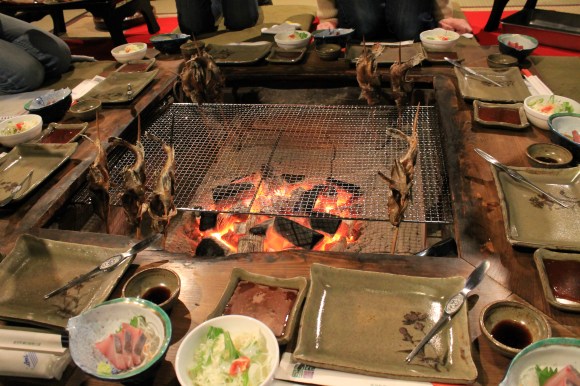
Piles of fresh food are laid out ready to be roasted over the hearth, including locally caught crab, sea snails, and various kinds of fish.

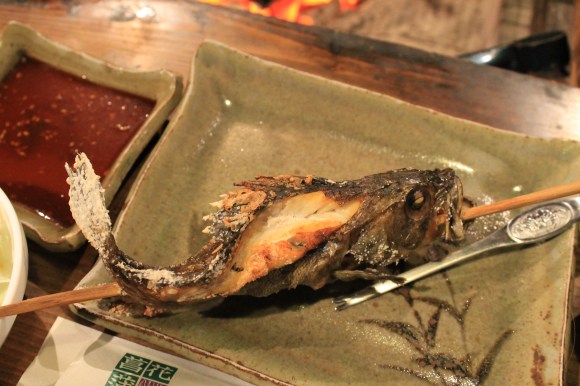
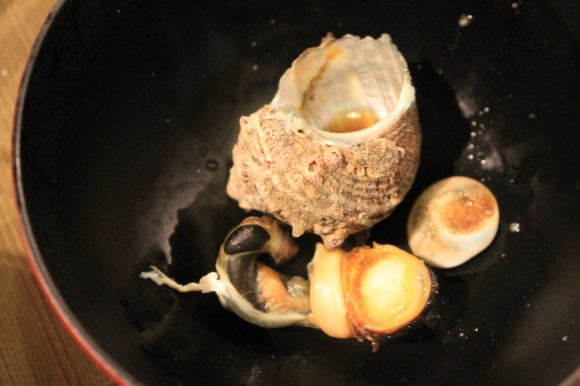
This dinner consisted of Japanese staples such as rice, sushi, and tempura, as well as fish, sea snails, and seaweed.
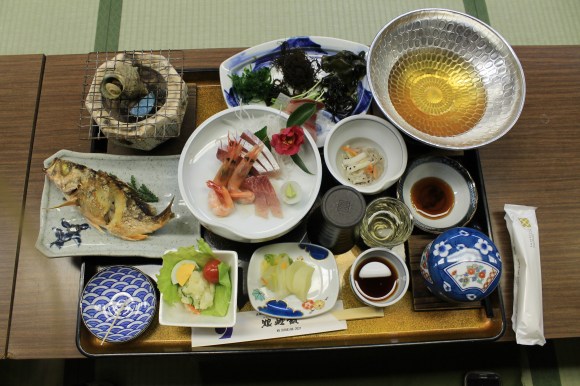
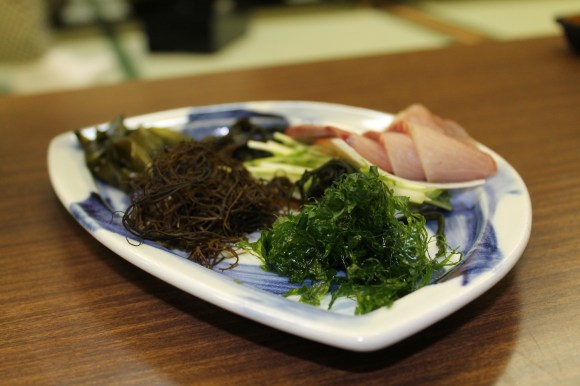
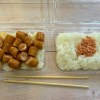
This home-made lunch was super healthy and delicious, too.
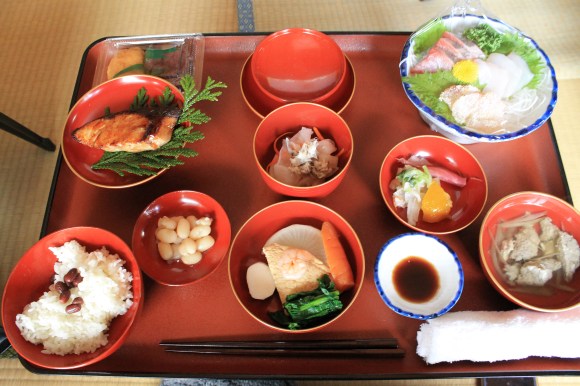
Sake
What better way to ward off the winter chill than with a drink?
We took a visit to Sogen Brewery to check out how they make and mature their products. The brewery was founded in 1768 and, while they’ve always stuck to their high standards, tastes have changed since then. Back in the day their sake was mainly drunk by fishermen after a long day out working, and they wanted something heavy and sweet that would be nutritional and healing. These days people generally don’t have the same labour-intensive lifestyle, so tastes have moved towards lighter drinks that go well with a meal.
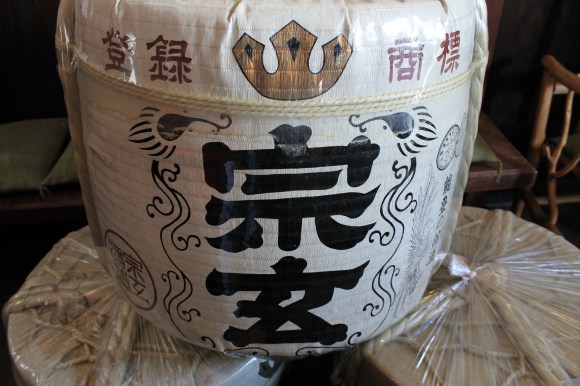
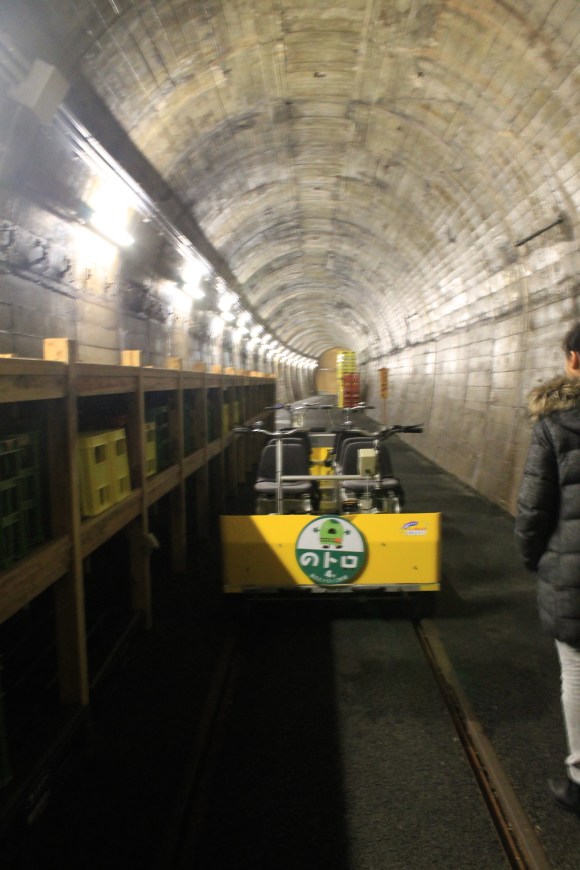
There used to be a small railroad running past the brewery, but it unfortunately closed a few years back, as has been the case in many parts of the Japanese countryside. However, the brewery decided to make use of the abandoned tracks and tunnels as a place to store their sake as it matures.
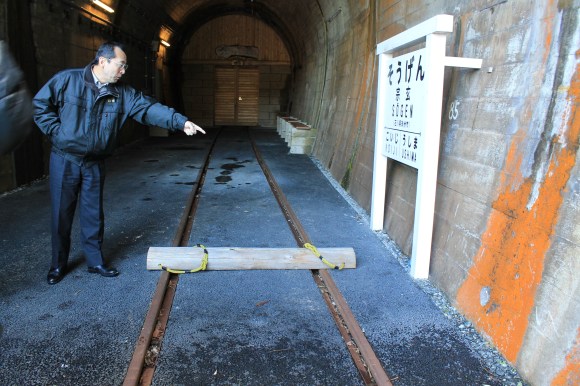
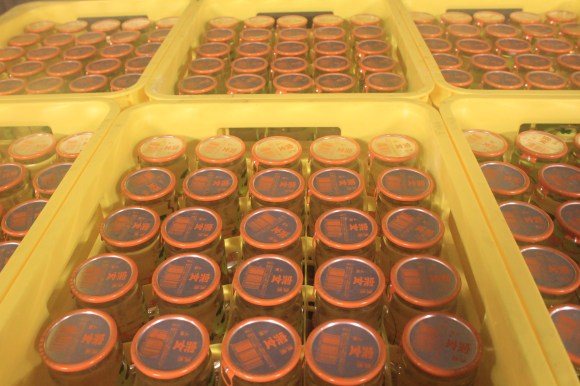
You can purchase a space here and leave your bottle to mature for half a year, a full year or more, and the staff will send it to you when it’s ready.
When a batch is brewing the staff work long hours, constantly monitoring the status to ensure perfection.

Sogen brewery has over 50 kinds of sake to choose from, ranging from their standard lines to the more limited and pricier stuff, so there’s something for all tastes. Kanpai!
The weather may have been cold and snowy, but my short time in Noto was filled with warmth, hospitality, and a ridiculous amount of good food. I can’t wait to return in the summer to see how the seasons compare!
Photos © RocketNews24