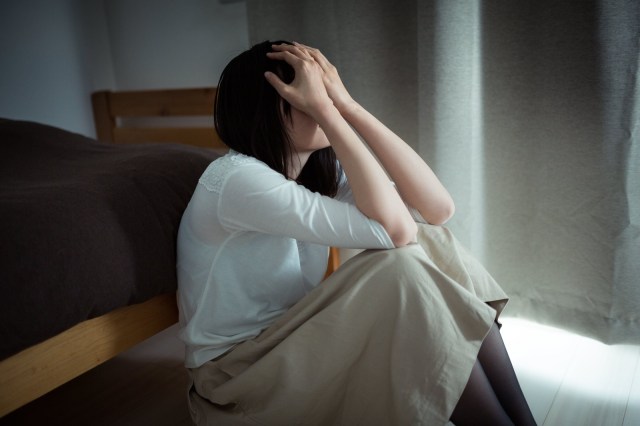
The survey results shed some light on how long people are willing to stay inside in the name of social distancing.
How long has it been since you last set foot outside the house? I left a moment ago to do some weeding, then hastily ran back inside to wash my hands. Even that tiny little respite is something, though; the feeling of warm sunlight against skin, the cooling hiss of wind carding through your hair. But the act of physically being outside is only half of the equation. What many people like me are missing — really, really missing — is the sensation of being around, talking with and enjoying life alongside other people.
And this brings us to the question posed by Japanese company Nomura Securities Co., who ran a survey based on statements released by Japan’s cabinet office: namely their call to action that people self-quarantine “as much as possible” in order to limit transmission of the contagious virus COVID-19. Though reductions have been seen in outside gatherings, there is also some doubt as to how long people can restrain themselves from going outside and congregating. On April 14, Nomura Societies released its analyses of the data.
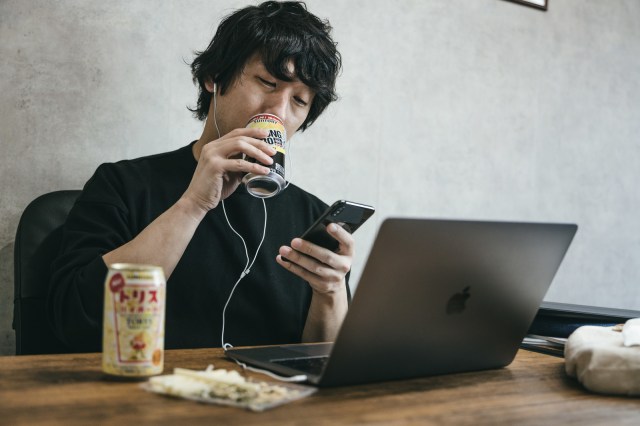
▼ Working from home and Internet communication have eased some, but not all, of the hardship
Drawing from a pool of 1,473 responses regarding how long they felt capable of self-quarantining to prevent COVID-19 spread, the largest number — 36.9 percent — responded “about a week”, with 18.9 percent claiming they could last a full two weeks. The next highest percentage, 15.4 percent, was for those who felt they could stand to stay isolated just for two or three days.
Nomura Societies provided a weighted average for the survey’s over-18-year-old demographic: the average survey participant could last 14.4 days sequestered inside without any physical contact with the outside world. This average split in some interesting ways when interrogated by age: those in their 40s averaged to just 12 days, while recipients in their 70s averaged out to 18 days.
▼ The difference in limits may be linked to participants’ desire to leave the house for work.

As the development of COVID-19 is uncertain, and social distancing may be required to continue until at least 2022 in worst-case scenarios, this information can be helpful when implementing services to maintain mental health, levels of exercise and general daily structure during long periods of isolation. It is important to remember that many people, especially the elderly, disabled or individuals under home arrest, already have to stay indoors for extended periods and have developed habits and routines to keep going. And no matter how difficult it may feel to stay at home, you’re at least safe in the knowledge that you’re helping to keep others safe.
Source: LiveDoor News/Asahi Shimbun via Hachima Kikou
Top image: Pakutaso
Insert images: Pakutaso (1,2)
● Want to hear about SoraNews24’s latest articles as soon as they’re published? Follow us on Facebook and Twitter!


Everything you need to know about quarantining in Japan
Up to 300 people a day breaking Japanese quarantine rules, according to reports
Pocari Sweat offers free self-care packages for those battling COVID-19 at home
Travellers sleep on cardboard beds at Narita Airport while waiting for coronavirus test results
COVID-19 appears to be suppressing the flu in Japan, number of cases down and decreasing
Starbucks Japan releases new drinkware and goods for Valentine’s Day
Japan’s foreign tourist numbers projected to fall for first time in years in 2026
New adults go wild at Seijinshiki Coming-of-Age ceremony in Kitakyushu, Japan 【Photos】
Fewer ramen restaurants declare bankruptcy in Japan for first time in several years
Ramen restaurant’s English menu prices are nearly double its Japanese ones, denies discriminating
Foreign worker in Japan fends off armed robber with single word, gets no respect from local media
This Nara workshop has been making deer crackers for more than 100 years and offers tours【Photos】
We stress-test Uniqlo’s “Impressive Jacket and Pants” to see if they live up to their names
Uniqlo brings cultural cuteness to Edo animals T-shirt line with Japanese history’s greatest artists
Giant hotel rooms in Osaka reflect the new non-niche face of travel in Japan.
10 times to avoid traveling in Japan in 2026
Our 52-year-old pole dancing reporter shares his tips for achieving your New Year’s exercise goal
Starbucks Japan releases new Frappuccino and latte for Valentine’s Day
Princess Mononoke magnets return just in time to treat yourself to awesome anime decorations
Umamusume anime girl plushie recalled for having parts she absolutely should not have【Pics】
Japanese women showing rebounding interest in giving Valentine’s Day chocolate【Survey】
We ate sushi made from Japan’s most expensive tuna ever【Taste test】
Starbucks Japan ready to get Year of the Horse started with adorable drinkware and plushies【Pics】
7-Eleven Japan starts new temporary luggage storage service in over 300 branches
Disillusionment at Tsukiji’s tourist-target prices led us to a great ramen restaurant in Tokyo
Starbucks teams up with 166-year-old Kyoto doll maker for Year of the Horse decorations【Photos】
Tokyo’s Tsukiji sushi neighborhood asks tour groups to stay away for the rest of the month
Survey asks foreign tourists what bothered them in Japan, more than half gave same answer
Japan’s human washing machines will go on sale to general public, demos to be held in Tokyo
We deeply regret going into this tunnel on our walk in the mountains of Japan
Studio Ghibli releases Kodama forest spirits from Princess Mononoke to light up your home
Major Japanese hotel chain says reservations via overseas booking sites may not be valid
Put sesame oil in your coffee? Japanese maker says it’s the best way to start your day【Taste test】
No more using real katana for tourism activities, Japan’s National Police Agency says
Starbucks Japan reveals new sakura drinkware collection, inspired by evening cherry blossoms
Updated cherry blossom forecast shows extra-long sakura season for Japan this year
Cryptic ad in Japanese newspaper reveals heartwarming message of hope for readers
Surveys suggest over 80% of Japanese people likely to continue with masks after COVID-19 subsides
Lower income earners at higher risk of depression, Japan’s least shocking research finds
Can you guess the most-consumed vegetable in Japan? This survey reveals the results
Survey reveals how Japanese people plan to spend the 2023 New Year’s holiday
As Japan’s largest holiday approaches, one island in Okinawa bans guests from local restaurants
We spend five days trapped in a hotel room for our ‘Isolation Experiment’
Nearly half of survey respondents in Japan feel healthier since before COVID-19
Foreign Reuters journalist in Tokyo spreads mutant strain of coronavirus
Survey shows how Japanese couples feel about spending so much time together sheltering in place
74-year-old Japanese politician starts Instagram account for open dialog about COVID-19
What pandemic? People in Japan crowd Ikea store, ignore requests to stay home during Golden Week
Social distancing ideals vs reality: Beautiful Thai woman reveals the difference【Photos】
What pandemic? Onsen towns, hiking trails and theme parks packed with crowds on four-day weekend
Leave a Reply