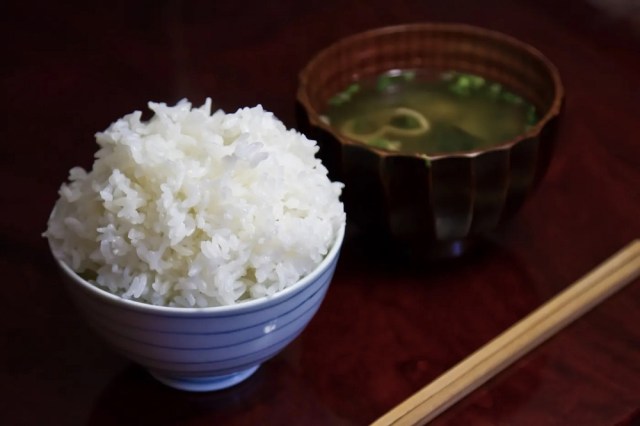
Katakana is usually for foreign words, but there’s a whole class of Japanese-grown rice that has katakana names.
Japan, obviously, eats a lot of rice, but the country also eats a lot of rices. Head to the rice aisle in a Japanese grocery store and you’ll find a large variety of domestic rice breeds for sale, like “Koshihikari” or “Akitakomachi.”
Each type has its own subtle differences in flavor and texture which collectively make a big difference to connoisseurs, so for regular rice shoppers checking the label to see what kind of rice is in the bag is a matter of course. But while you’re checking the packaging, you might notice that different types of Japanese rice have their names written in completely different writing systems.
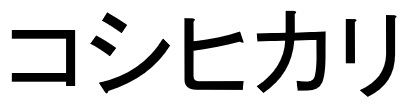
Using the two breeds mentioned above as example, Koshihikari, Japan’s best-selling rice variety which commands a roughly one-third market share, is usually written in katakana, the blockier of Japan’s two types of phonetic script.
▼ Koshihikari, written in katakana
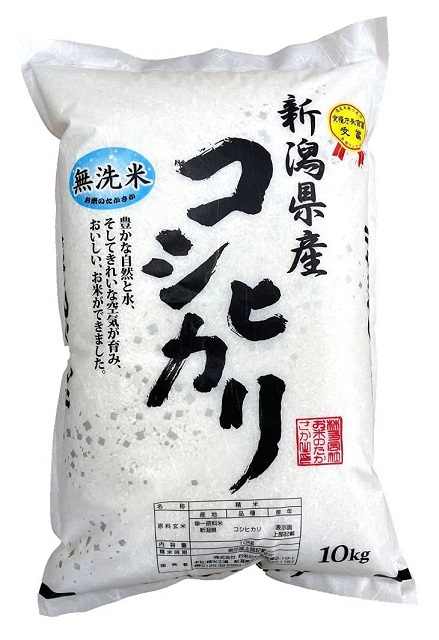
Katakana isn’t used for Akitakomachi, though. Instead, it’s usually written in hiragana, the more rounded set of Japanese phonetic characters.
▼ Akitakomachi, written in hiragana
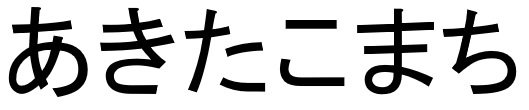
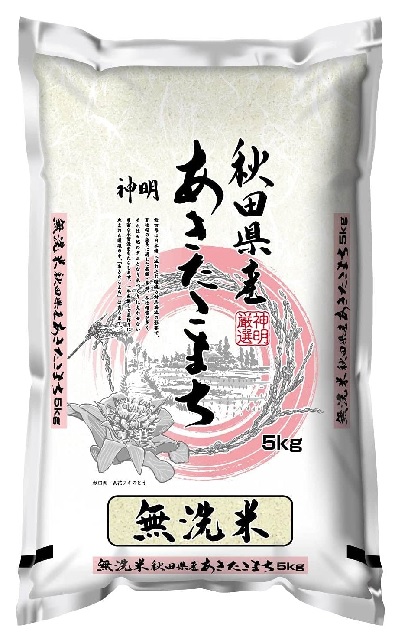
It turns out there’s a reason why certain types of rice are traditionally written with katakana and others with hiragana, and the “Akita” part of Akitakomachi is actually a hint.
When Japan ended its centuries of enforced isolation at the start of the Meiji period, a flood of new scientific knowledge became available to Japanese botanists and agriculturalists. The national government began administering research programs to breed higher-yield varieties of rice to better feed the nation’s people, and initially the new varieties were called “Norin” (Department of Agriculture and Forestry) followed by the number of their specific research program. So, for example, first came Norin 1, followed by Norin 2, then Norin 3, and so on.
With the importance of rice in the Japanese diet, though, the Norin numbers rose at a rapid rate, and after Norin 52, the national government enacted a new policy. Instead of their Norin number, nationally directed new rice varieties would have actual names, but they had to be written in katakana, with the name being six characters or less. Why the name had to be katakana isn’t exactly clear, but it may have had something to do with katakana having a modern, scientific feel to it (which is itself one side effect of katakana being primarily used for foreign loanwords, thus imparting a global feeling). So instead of becoming “Norin 100,” the 100th new rice variety from nationally directed research programs became Koshihikari, written all in katakana, upon its creation in 1956. In the same way, in 1963 what would have been “Norin 150” became Sasanishiki.
▼ Sasanishiki, written in katakana as ササニシキ
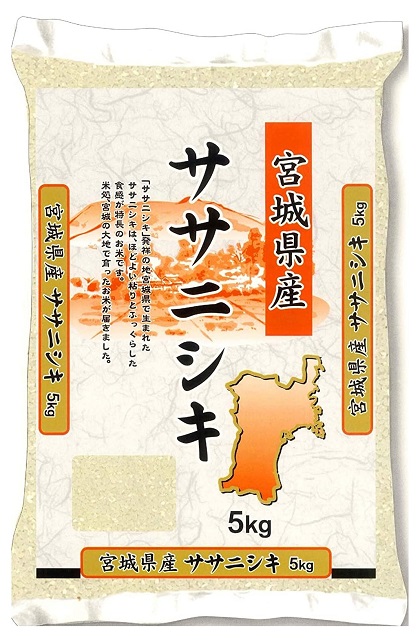
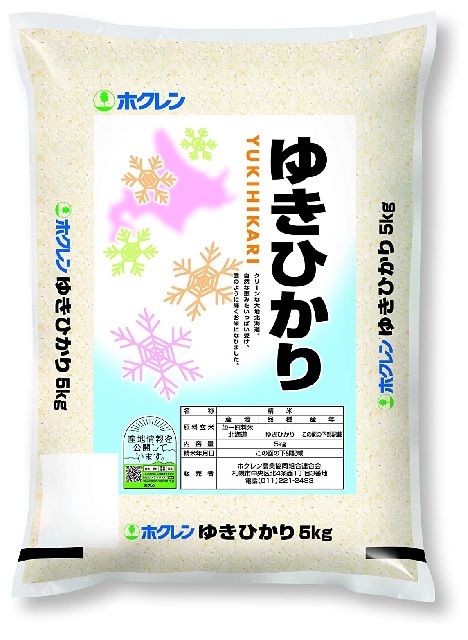
In the latter half of the 20th century, though, rice research began getting increased efforts on a more localized level. Prefectural agricultural organizations began developing their own rice breeds. Since katakana names were already being used to express that a type of rice had been developed under supervision from the national government, it was decided that rice breeds developed at the prefectural or smaller level should instead use names written in hiragana. So in the early ‘80s, when Akita Prefecture developed its own type of rice and brought it to market, it was dubbed Akitakomachi and written in hiragana, as was Hokkaido Prefecture’s Yukihikari rice.
▼ Yukihikari (ゆきひかり in hiragana) means “snow light,” referencing the snowy winters Hokkaido has as Japan’s northernmost prefecture.
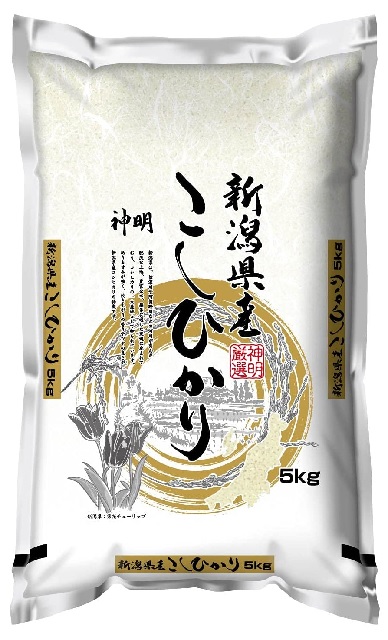
Adding another wrinkle of complexity to the situation, however, is that in 1991, the Japanese government said “Go nuts — You can write your rice’s name with whatever set of characters you want.” As a result, types of rice developed after 1991 don’t necessarily follow the katakana-national/hiragana-prefectural naming convention. Even the types of rice that were developed under the old system are no longer legally required to adhere to it. Nowadays you’ll sometimes see Koshihikari, originally a katakana-name rice, marketed by some growers/sellers with its name written in hiragana, especially if they’re trying to appeal to a sense of home-country pride, since hiragana has a more classically Japanese feel to it.
▼ A sack of written-in-hiragana Koshihikari (こしひかり)
But after decades of being written only in katakana or hiragana, the visuals have stuck in the minds of people in Japan, and the styles often continue today as a form of linguistic and gastronomic tradition.
Sources: Japaaan, Okome no Kuni no Monogatari, J-Wave News
Top image: Pakutaso
Insert images: SoraNews24, Amazon/お米のたかさかのストア, Amazon (1, 2, 3, 4)
● Want to hear about SoraNews24’s latest articles as soon as they’re published? Follow us on Facebook and Twitter!
Follow Casey on Twitter for more of his unabashed love of Japanese food and Japanese linguistics.