Even native Japanese readers had trouble spotting the problem in collaboration announcement.
Bringing you yesterday's news from Japan and Asia, today.
Katakana
Even native Japanese readers had trouble spotting the problem in collaboration announcement.
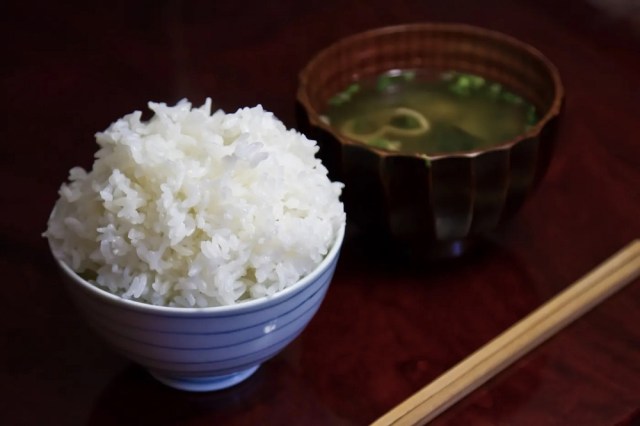
Katakana is usually for foreign words, but there’s a whole class of Japanese-grown rice that has katakana names.
This isn’t the type of self-service they were meaning.
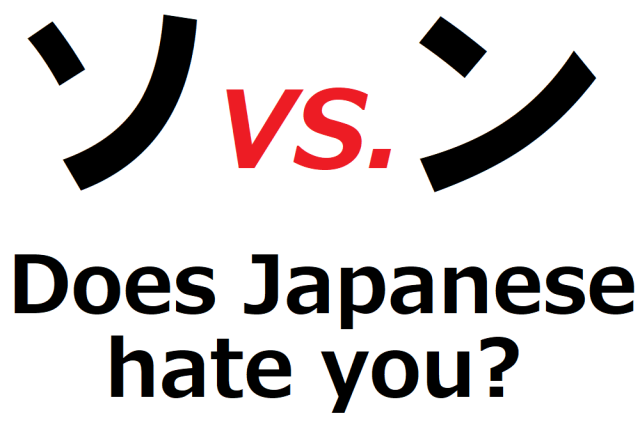
Katakana is supposed to be the easy set of Japanese characters to learn, but there’s a huge exception.
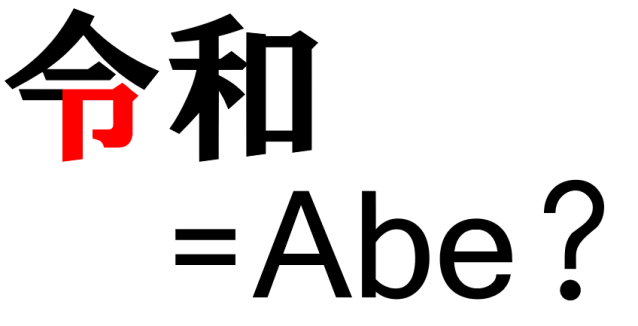
The new era name doesn’t have any of the kanji characters for “Shinzo Abe,” but some people saw the politician’s name all the same.
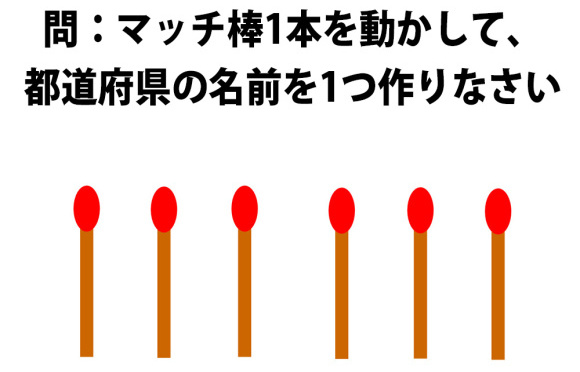
Find out how you can create the name of a prefecture simply by moving just one of these matchsticks.
My entries for the “Top 10 most irritating Japanese borrowed words” weren’t irritating enough for some people – so I’ve formulated a part two (“tsuu”) with your help!
Here are some Japanese words that can drive English-speakers crazy when learning Japanese!
We’re back and ready to take on the third, and most puzzling, type of Japanese text: katakana.
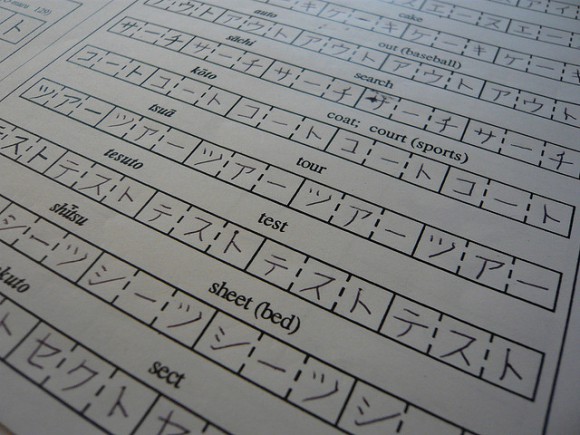
With the 26 letters of the alphabet, we can make pretty much any sound present in the majority of languages. But Japanese just doesn’t contain certain sounds present in English, like “th” or “v”, and their “r” is somewhere right between our “r” and “l”, making them sound almost exactly the same to Japanese ears.
Since most Japanese people grow up only speaking Japanese, it means that when they start learning English at school, they either have to learn entirely new sounds (difficult) or else try to render English in Japanese sounds (which isn’t accurate). As a result, many Japanese English learners feel a lot of anxiety over the accuracy of their pronunciation. But should that really be holding them back?

Remember the Chinese character phase? Back in the early 2000s you could see Chinese characters everywhere from T-shirts to tattoos. While the trend still continues to some extent today, once people started realizing that you should probably double-check the meaning before going out in public, it has definitely slowed down.
Maybe Chinese symbols have a sort of stigma now, but that is not stopping major designers from branching out into the other styles of Japanese writing, namely katakana. This new trend is being used by brands all over the world, from Adidas to Stussy.
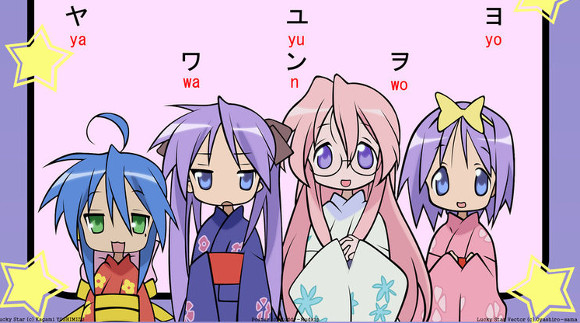
When it comes to Japan’s three writing systems, kanji, hiragana and katakana, it’s the most complex of the lot that usually gets the most attention. The numerous lines and strokes involved in kanji pictographs are so revered that people nominate one at the end of every year to represent the mood of the nation. Even foreigners across the world are taken by their meaning and beauty, with many committing a patch of skin to their favourite (sometimes completely wrong) kanji in tattoo form.
But what about the least utilised member of the group, the katakana characters used for foreign words? Well it looks like they’re finally getting a bit of love, with a recent survey being conducted among foreign residents in Japan to determine the coolest looking symbol in the katakana syllabary. Place your bets now for which one comes out on top!

YouTuber and full-time Japan fan Sharla is back this week with a brand new video. After bringing us exploding condom ice cream and giving us a peek inside one of Japan’s typical love hotels, she’s currently back in her native Canada and just for kicks decided to try out a few English loan words that appear in the Japanese language on her non-Japanese-speaking friend.
As we’re about to see, despite the majority of these words originally coming from English, once pumped through the Japanese lexicon and read back to a native English speaker they make almost zero sense. The full, laugh-out-loud video after the jump.
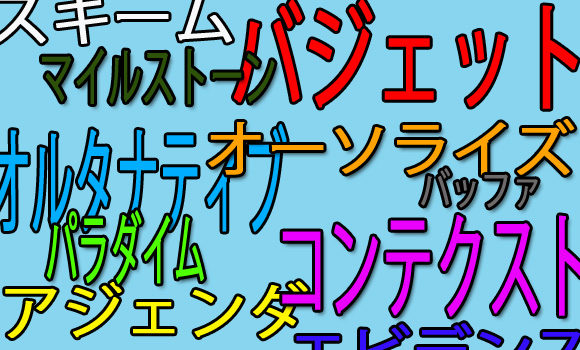
As mentioned many times before on this site, the modern Japanese language uses a set of characters to represent foreign words called katakana. Such characters are used for foreign place names such a Beverly Hills (ビバリーヒルズ) or people like Mahmoud Ahmadinejad (マフムード・アフマディーネジャード).
However, this feature of Japanese has been criticized by some for allowing the purity of the language to be polluted by foreign influences. It can also cause confusion by creating English words that have different meanings than the original.
That being said, for foreigners visiting Japan with a limited knowledge of the language this list may prove invaluable. Excluding the obvious classics like “OK” (オケ) and “McDonald’s” (マクドナルド) here are some relatively newer loan words ranked by understandability in Japanese.

Sometimes obvious things are hidden right in plain sight and it takes the fresh perspective of someone in another part of the world to point it out. One Twitter user stumbled on such a hidden gem recently when searching the Japanese character for “tsu” , which in the katakana alphabet is written ツ.
As you can probably see from the image above and in the text of the previous sentence, the letter looks quite a lot like a smirking face. This may appear obvious to many Western readers, but according to online reaction most Japanese netizens were taken by surprise at this discovery and had never noticed the similarity. Perhaps even more surprisingly, the character is also apparently getting an unusual amount of use in Middle Eastern countries.
 Foreign travelers sitting on sidewalks of Tokyo’s Ginza are Japan’s latest tourism culture clash
 American man runs out of money in Japan, gets arrested for overstaying tourist visa
 Tokyo Monorail, other east Japan rail networks announce discontinuation of magnetic paper tickets
 We waited three hours to get into the new carb heaven all-you-can-eat bread restaurant in Osaka
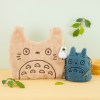 Studio Ghibli adds Totoro family goods to its anime merchandise store in Japan
 Vietnamese-language driver’s license tests suspended in Japan following alleged cheating
 New Gundam plush goods mix cosplay and comfort for Char-custom-level coziness [Pics]
 Family Mart releases 47 convenience store socks and stickers, one for every prefecture in Japan
 Japanese milk carton cakes are a genius idea that the world needs to know about
 What’s it like to stay in a Japanese container hotel?What’s it like to stay in a Japanese container hotel?Family Mart releases 47 convenience store socks and stickers, one for every prefecture in JapanAmerican man runs out of money in Japan, gets arrested for overstaying tourist visaJapanese milk carton cakes are a genius idea that the world needs to know about
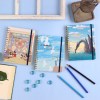 New Studio Ghibli notebooks are a beautiful reason to write and draw by hand [Photos]Foreign travelers sitting on sidewalks of Tokyo’s Ginza are Japan’s latest tourism culture clash
 Tokyo train station will play Godzilla theme song as new departure melodyStudio Ghibli adds Totoro family goods to its anime merchandise store in JapanNew Gundam plush goods mix cosplay and comfort for Char-custom-level coziness [Pics]
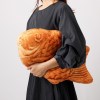 Giant wagashi cushions will turn your home sweet home into home sweet Japanese sweets home
 Japan announces new permanent residency guidelines, foreigners must earn more than average Japanese person
 Starbucks Japan unveils new Pokémon collaboration with Pikachu Latte and exclusive goodsFamily Mart releases 47 convenience store socks and stickers, one for every prefecture in Japan
 Studio Ghibli’s Calcifer is ready to light up your home as a magical-looking candle lamp [Photos]
 Lady Gaga and Family Mart team up for a Japanese convenience store work video [Video]What’s it like to stay in a Japanese container hotel?
 New Gundam Base superstores coming soon in the U.S., with one opening this month
 Studio Ghibli releases new plush mascot character collection with a focus on friendshipTokyo train station will play Godzilla theme song as new departure melody
 Do Japan’s new single-minded convenience store bento show depressing poverty or satisfying focus?
 Japan announces sudden 400-percent increase in visa fees for foreigners entering the country
 Japan’s human washing machines will go on sale to general public, demos to be held in Tokyo
 Studio Ghibli has a new anime out, and there’s only one place in the world where you can see it
 Starbucks Japan releases new drinkware and goods for Valentine’s Day
 Starbucks Japan releases new sakura goods and drinkware for cherry blossom season 2026
 Japan’s newest Shinkansen has no seats…or passengers [Video]
 Tokyo subway installing new ticket gates that don’t accept payment through Suica or other IC cards
 Japanese ninja certification exam attracts 131 candidates from Japan and abroad
 Salomon releases Japan-exclusive Mt. Fuji hiking gear that doubles as an amazing souvenir
 Japan reportedly adding Japanese language skill requirement to most common foreigner work visa
 Vietnamese-language driver’s license tests suspended in Japan following alleged cheating
 New Gundam plush goods mix cosplay and comfort for Char-custom-level coziness [Pics]
 Family Mart releases 47 convenience store socks and stickers, one for every prefecture in Japan
 Japanese milk carton cakes are a genius idea that the world needs to know about
 What’s it like to stay in a Japanese container hotel?
 Japanese business wear brand creates helpful graph to tell you what to wear at work
 High-speed Japanese festival cart crashes cause two deaths on same day, ignite debate over tradition
 Man in Japan says monkey threw his cat into a pond before attacking him
 Bilingual illustrated ninja guide stealthily drops courtesy of a top ninja researcher in Japan
 American senior citizen tourist arrested in Japan for bringing gun into country in his luggage
 American teenage tourist arrested on suspicion of arson in Tokyo during family trip
 New Studio Ghibli stamp rally set to start in Japan, with exclusive merchandise for anime fans
 The top 10 annoying foreign tourist behaviors on trains, as chosen by Japanese people【Survey】
 Japan announces sudden 400-percent increase in visa fees for foreigners entering the country