Japan has tens of thousands of shrines and even more omamori amulets, but is it OK to stock up on multiple blessings?
As anyone who’s played an RPG can tell you, there are often rules and limits as to the number of amulets, talismans, and other accessories that are said to grant divine protection and other benefits upon their bearer. So we found ourselves wondering, do the same sort of rules apply to the omamori charms sold at shrines in Japan?
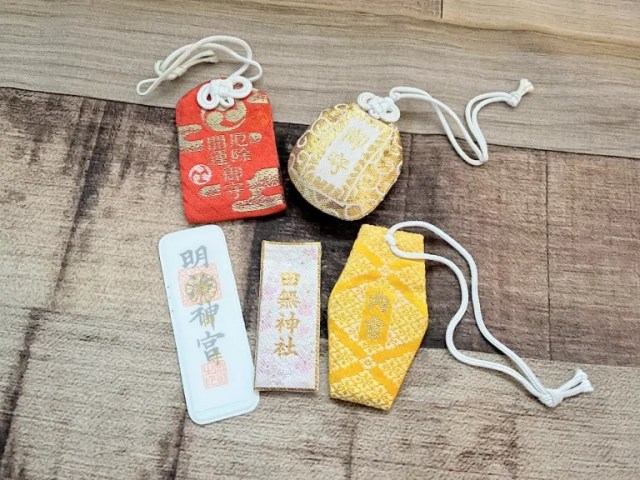
Omamori are a compact version of ofuda, strips of paper prepared by Shinto priests that provide blessings. For omamori, the paper is placed inside a cloth pouch that’s often covered in decorative embroidery and bears the name of the shrine and the effect the charm is said to have.
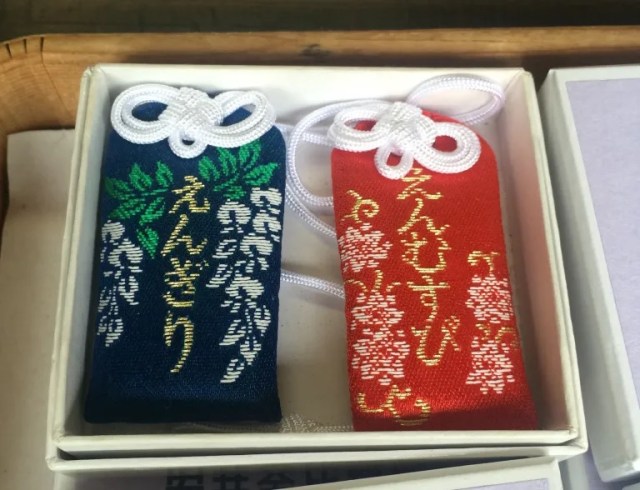
Omamori can come in a variety of shapes and sizes, but the most common resemble the ones in the photo above, roughly rectangular and fitting in the palm of your hand. Some of the most popular types of omamori are the enmusubi omamori (which provides fortuitous connections such as finding a new romantic or business partner), gakugyo omamori (for passing tests and good results in other academic endeavors), kotsuanzen omamori (for safety when traveling in cars trains, or other modes of vehicular transportation), and anzan omamori (for an easy birth of a healthy baby), and there are also omamori for such broad concepts as “victory.”
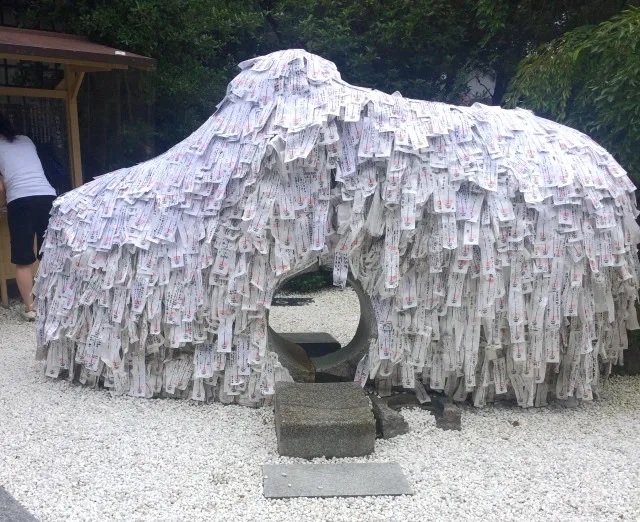
▼ There’s even a shrine in Kyoto where you can buy omaori for severing ties with people who’re having a negative effect on your happiness in life.
With so many different types of omamori available, and certain shrines having cultural connections that supposedly make their omamori for certain goals especially potent, it’s pretty easy to wind up with a whole bunch of different amulets if you’re visiting shrines while traveling or living in Japan, especially since they make for reasonably priced (generally less than 1,000 yen [US$6.50]), compact, cool-looking souvenirs. But, under the concepts of Shinto tradition, if you buy multiple omamori, are you canceling out their good luck effects? After all, with Shinto faith holding that there are thousands upon thousands of gods in Japan, maybe some of them don’t get along with one another, and you’ll be punished for doubling up or multi-targeting your omamori collection?
However, after investigating the matter through the websites of the Tokyo Jinjacho (Tokyo Shrine Agency) and Ise Jingu (one of Japan’s holiest shrines), we’ve confirmed that having multiple omamori is A-OK. The Shinto gods are basically copacetic with one another in the modern era, the organizations say, and understanding that wanting to find a new boyfriend or girlfriend doesn’t preclude you from also hoping to pass an important school test, among other combinations of life goals.
During our investigation, we also cleared up when you’re supposed to return your omamori. Some people say that you’re supposed to take the omamori back to the shrine where you bought it at the end of the year, at which point the priests will burn it in a ceremonial bonfire. However, it turns out that it’s OK to hang onto your omamori until your wish comes true, and then take it back to the shrine at the end of that year. This would seem to primarily apply to omamori with a single specific goal, though (like getting a job or passing a test), so if you really want the gods on your side, it might be best to replace omamori for things like general health and safety on a yearly basis.
So feel free to stock up on as many omamori as you want while you’re in Japan, since neither the shrines nor the gods will be upset about it, and for other dos and donts while visiting shrines, you can check out our guide here.
Source: Tokyo Jinjacho, Ise Jingu
Photos ©SoraNews24
● Want to hear about SoraNews24’s latest articles as soon as they’re published? Follow us on Facebook and Twitter!
[ Read in Japanese ]