Jiko bukken survey examines the deal-breakers and deal-makers among apartment hunters in Japan.
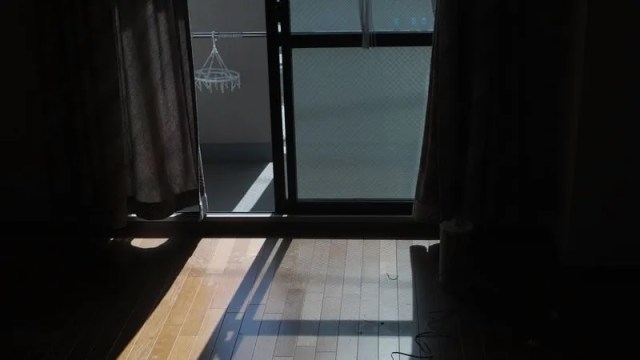
In Japanese real estate, some apartments and homes are referred to as “jiko bukken,” or “accident properties.” This is a euphemism for properties in which a death or violent crime took place, or which was damaged by a fire or natural disaster. Real estate agencies are required to disclose jiko bukken status in property listings, and since it’s never seen as a desirable thing by prospective renters or buyers, landlords usually need to knock the price down too in order to seal the deal.
However, there are some “accidents” which are going to be absolute deal breakers. To investigate, Wakeari Bukken Kaitori Pro, a Japanese real estate agency that specializes in unorthodox properties, conducted an online survey asking participants about what sort of “accident property” they absolutely don’t want to live in, as well as what sort of upsides would convince them to live in one, collecting a total of 500 responses.
Among the deal breakers, the number-three response, from 9.2 percent of participants, was an apartment or home in which a fire had occurred. Obviously repairs would be carried out before new tenants move in, but survey respondents worried about the quality and reliability of patchwork renovations in which surviving parts of the building had to blended with replaced sections, and also felt that, even if there weren’t any functional problems, the aesthetics would be off.
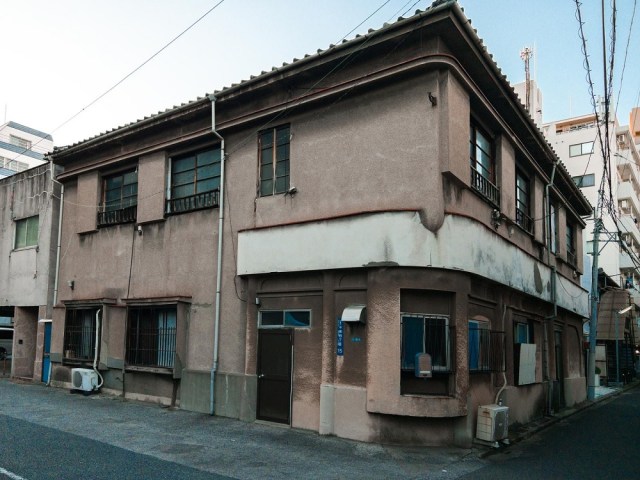
The second-most common response, 21.4 percent, was a home in which the previous occupant had committed suicide. Reasons for this response included supernatural fears of lingering dark energies, psychological unease from being unable to avoid thinking about what had happened in the home, and even concerns that something about the home’s physical environment, such as poor air circulation or excessive dampness, could indirectly affect a resident’s mental state.
At the top of the list of no-way jiko bukken, though, and by a wide margin, were homes in which a murder had taken place. Along with sharing many of the misgivings related to homes in which a suicide had occurred, properties in which someone was murdered carry an additional personal safety issue. Respondents making this their pick said that if such a violent crime could occur in a home, they’d worry about the overall level of safety in the area and would be uncomfortable living there.
Switching over to the other side of the survey, when asked what could entice them to live in an accident property, the respondents’ number-five answer, from 5.8 percent, was a property in which the deceased was discovered soon after passing away, under the logic that this would mean less in terms of odors or other effects on the cleanliness of the home. Above that, 9.8 percent of the survey participants said they could live in a jiko bukken if the location was especially good, such as being just a short distance from the nearest train station. One woman added that she doesn’t spend all that much time at home anyway, and as long as the surrounding neighborhood is nice, she wouldn’t feel uneasy for the amount of time she’s not out and about.
▼ It’s easier to not worry about your apartment possibly having bad mojo when you know for sure that the local cafe has good java.

Coming in at third, with 18.2 percent, were jiko bukken that have had their exteriors and interiors thoroughly cleaned and repaired, and after that was a large gap until the number-two response, from 34.6 percent of the survey participants: an accident property in which the accident wasn’t of a particularly shocking nature. In more concrete terms, this meant homes in which the previous occupant had died due to either natural causes, such as old age, or illness. While those still aren’t plusses in the eyes of home-seekers, a certain amount of such deaths were seen as inevitabilities, and so they’re less likely to color one’s perception of a home to the extent that a suicide or murder would.
Finally, at the top of the “I’d be OK living in a jiko bukken if…” list, we come to the obvious number-one answer, from 54.2 percent of the survey participants: cheap rent. As mentioned above, real estate listings are required to disclose jiko bukken status, and it’s always going to be impossible to rent or sell them for the same price as an otherwise comparable property that isn’t a jiko bukken. That means that people who are willing to live in one can reap two types of potential benefits, either saving money that they can then use in other ways or living in a class of apartment or neighborhood that they wouldn’t otherwise be able to afford.
Ultimately, whether living in a jiko bukken is worth the drawbacks, or even whether there actually are any drawbacks at all, is going to be up to one’s individual way of thinking. But since there will always be a portion of the population in Japan who would never choose one as their home, there will always be economic opportunities for those without any such hangups.
Source: PR Times, Wakeari Bukken Kaitori Pro
Top image: Pakutaso
Insert images: Pakutaso (1, 2)
● Want to hear about SoraNews24’s latest articles as soon as they’re published? Follow us on Facebook and Twitter!
[ Read in Japanese ]