famicom (Page 2)
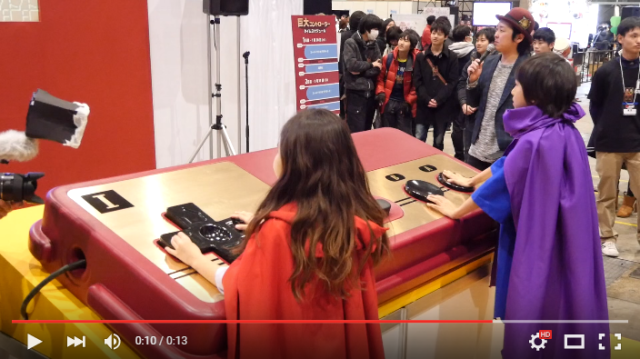
The family that games together on a giant controller…probably gets in lots of fights when someone is late to press jump.
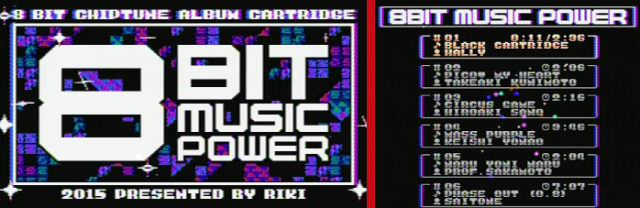
As we head towards the end of the year, video game publishers are pulling out their big guns. But what if the modern gaming world leaves you feeling cold? Maybe you’re burned out on multiplayer first-person shooters, and open-world game sandboxes hold as much appeal to you as the pet poop-concealing one in your neighborhood park.
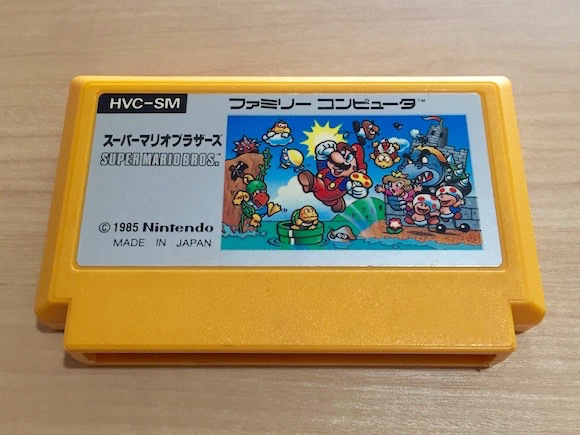
In that case, you’ll be happy to know that this December, Nintendo’s 8-bit Famicom, the Japanese version of the NES, is getting its first commercial cartridge release in more than two decades.
Although millions of people have fond memories of playing games on Nintendo’s original Famicom (known internationally as the NES), not too many people spend much time actually playing with the system anymore. After all, portable gaming devices like Nintendo’s own 3DS and even smartphones now boast more powerful hardware specs than the classic 8-bit console, and have just as large a library of legitimately fun games as well as the capability to play old-school titles as software downloads.
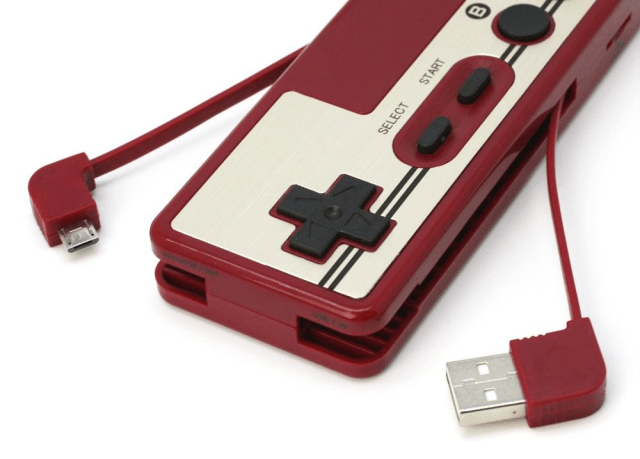
Of course, the flipside to having so many great portable games to play or, in the case of smartphones, extremely important websites to visit, is that your mobile devices are going to be running out of juice before long. Now, though, there’s a way to give your new tech a recharge and your old tech a shout-out simultaneously, with this battery pack/card reader that’s styled after the Famicom’s Player One controller.
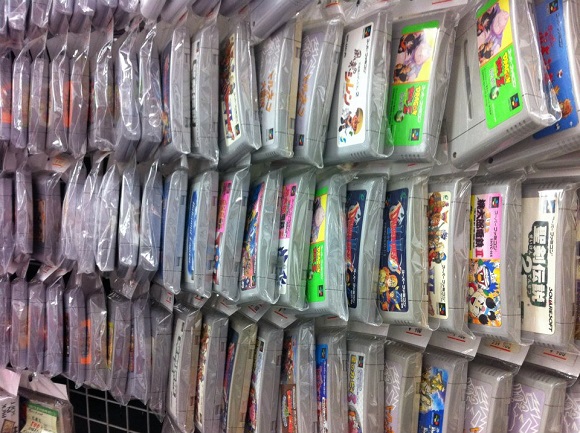
If you grew up playing video games, you’ll understand something that modern day kids with their newfangled graphics and gameplay streaming antics don’t get – the power of nostalgia! Nostalgia is what makes us dig up landfills full of buried cartridges, and waste hours of our lives watching old videos of NES start-up screens. It’s why we still want to play the classics, so we can remember the good times, when being able to navigate an entirely different world through your TV screen still seemed like magic. It’s no wonder that rare old retro games can still sell for a pretty penny, although most often they’re snapped up by collectors who want them for their rarity rather than to add lovingly to their own game collection. Because, while nostalgia can be a powerful emotion, we mere mortals couldn’t even contemplate dropping around $10k on a mere video game. Yet that’s exactly what the owner of a rare, factory sealed copy of NES game Stadium Events can (at the time of this writing) expect to bring in from the eBay auction that’s currently in progress.
So just what is Stadium Events and why is it worth so much darn moolah, anyway?
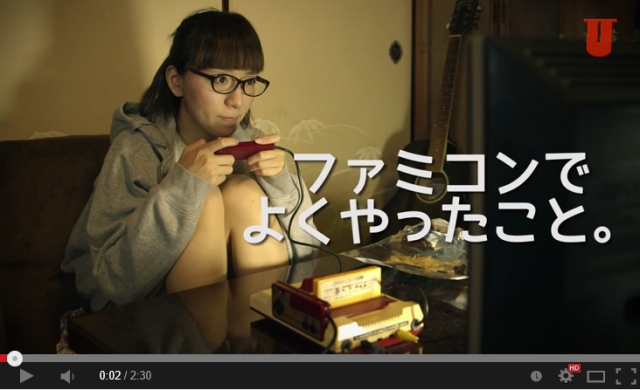
I’m going to go out on a limb here and guess that a lot of our readers have fond memories of the glory days of the Nintendo Entertainment System. As nostalgic as the iconic piece of 8-bit hardware is for North American and European gamers, though, it’s even more so for Japanese fans, who got the equivalent Famicom years before the NES launched overseas.
Japanese humor website CuRAZY recently stopped to take a look back at all the time they spent with a tiny red controller in hand during their formative years, putting together this video of 13 Famicom experiences pretty much every Japanese gamer had.
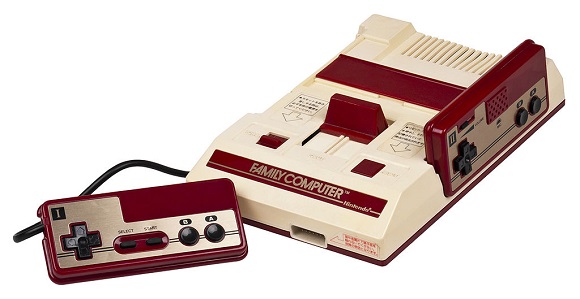
For most children of the 80s, video games mean the Nintendo Entertainment System, or Famicom in Japan. Even if you didn’t have one in your home, you surely had a friend with one of those enchanting boxes. Ah, the thrills of 8-bit action, midi music, and blowing frantically on cartridges!
Though many parents might have written the devices off as mere toys, there’s an undeniable shared experience that the NES provided for children in many countries around the world. But have you ever wondered how your experiences with the system compared to those of kids in Japan, the console’s home? Well, wonder no more!
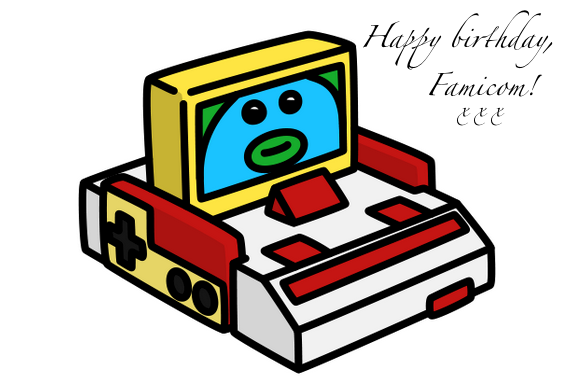
The Nintendo Family Computer, which quickly came to be known by the abbreviation-loving Japanese simply as the Famicom, was launched in its native land in 1983, a time when the world was still in black-and-white and people travelled to work by horse-drawn cart. It was a grim, unforgiving time, but games like Donkey Kong and Popeye made life that bit brighter, and before long people even had electricity and TV sets to connect their new consoles to instead of just staring at the back of the games’ boxes.
Today, on this space-age date of July 15, 2014, the Famicom turns 31 years old, so we felt it would be a good time to think about just how much we owe this little bundle of plastic and circuitry.

It’s 1987. You’re looking awesome in your oversized Michael Jackson “Bad” t-shirt as you slot a chunky, grey game cartridge into your NES console. But instead of the Super Mario Bros./Duck Hunt title screen, all you see is a jumbled-up mess of an image that looks like an 8-bit Picasso. What do you do? The same thing everyone did – you take the game cartridge out, blow into it, and put it back in. Lo, and behold: this time the game loads perfectly and you can squish goombas or shoot ducks to your heart’s content.
But in the pre-internet age, how did we all “know” to blow into cartridges? And like rubbing the magnetic strip on a credit card or shaking a Polaroid photo, why did we keep doing it even when product manufacturers and scientists insisted that it didn’t work and could actually cause damage? Joe Hanson, biologist and author of the popular science blog It’s Okay To Be Smart, offers up some answers in a neat YouTube video asking just that.
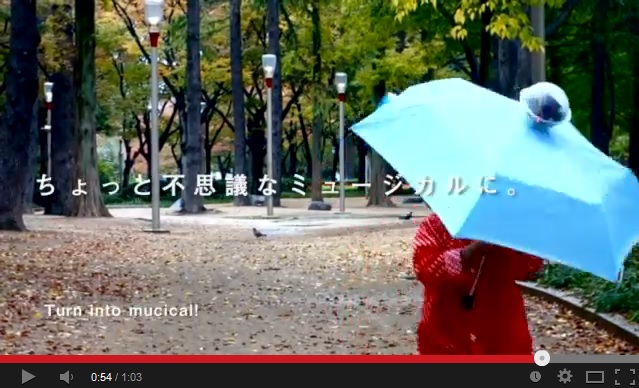
A white Christmas in Osaka is a rare thing and this year was no exception. All week has been back-to-back rainy days – par for the course in this neck of the world. If you happen to live in a similar climate, then these cold and damp days might have you feeling a little bummed out.
To help turn your mood around is a cute little invention by Ugoita. This umbrella has sensors attached that convert the impact of raindrops into tones. However, that’s just one of many unique electronic creations that worked.
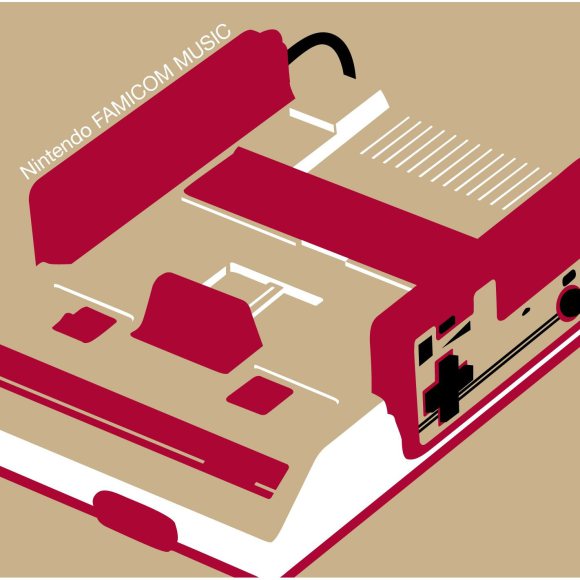
For those of us that find it hard to believe that the NES (called “Famicom” in Japan) turned 30 this year, Nintendo is putting out an album of 26 of the best theme songs from classic games like Super Mario Brothers, The Legend of Zelda and Metroid. The two-disc album comes out December 4, making it the perfect holiday gift for that person in your life that loves the simple 8-bit tunes of yesteryear.
If you only started playing video games in the last 10 years, you may not know how good you’ve got it. These days, every system includes a hard drive to save your progress, and with most games offering frequent opportunities to do so or doing it on your behalf, even the worst screw-up isn’t going to lose you more than 15 minutes or so of progress. With dozens of online FAQs and YouTube demonstrations for the most popular titles, there’s no need to waste time getting killed by the same boss over and over again.
But back in the day, things were different. Before every home had multiple Internet-capable devices, gamers were completely on their own whenever they entered a new stage, and death usually meant going all the way back to the beginning of the level, if not the entire game. How did old school gamers deal with this kind of frustration?
In the case of one of our Japanese correspondents by biting the controller.
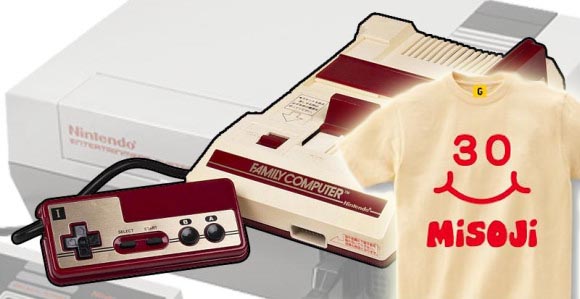
Thirty years ago today, on July 15, 1983, Nintendo released the Family Computer game system, affectionately (and pretty much officially) called Famicom. The designing process began back in ’81 by Masaki Uemura and his team who dealt with tight budgets and little hope of success. However, this machine breathed much-needed life into a suffocatingly over-saturated gaming market that was only in its infancy.
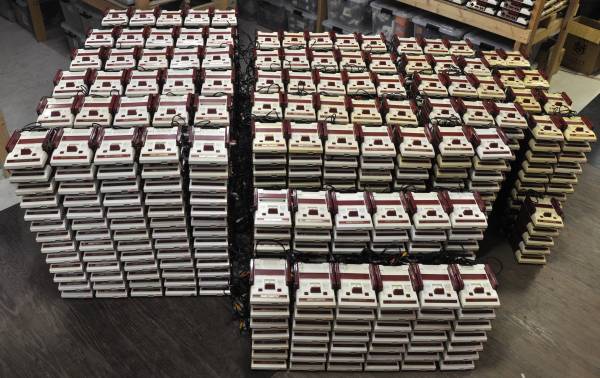
Launched in 1983 in Japan, Nintendo’s Family Computer, or Famicom as it is more fondly known, quickly became a household name thanks to titles like Donkey Kong and Mario Bros. Strikingly different in design to its Western counterpart, the NES, the Famicom’s low profile with its multitude of buttons and ridges and docking slots for a pair of gold and burgundy controllers is now considered to be an iconic piece of video game hardware, frequently bought and sold at auction or at used game stores.
While many gamers would no doubt quite like the idea of picking a Famicom up for themselves and reliving a few 8-bit classics, we’re not entirely sure how many people would be in the market to buy 1,000 of the things all at once…
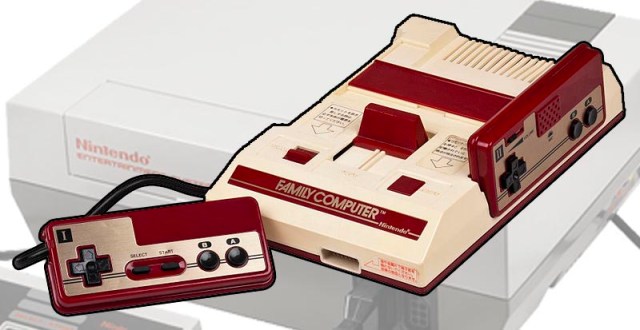
This year Nintendo and fans celebrate the 30th anniversary of the Family Computer (Famicom) game system originally released in 1983. It was the machine that revitalized home gaming worldwide with its later incarnation, the Nintendo Entertainment System (NES). In a story of shocking success, no one was more shocked perhaps than the system’s head developer, Masayuki Uemura who revealed the details of the Famicom’s rocky beginnings in an interview with Shupure News.
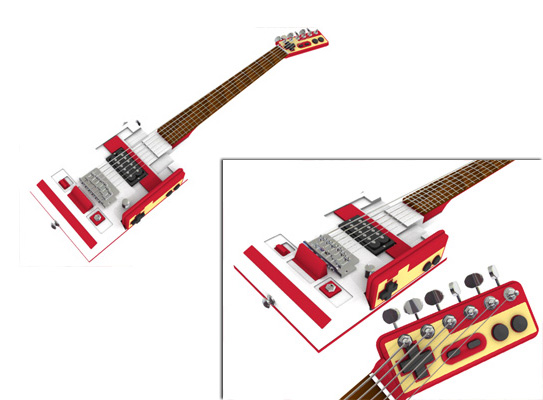
Behold: a guitar shaped like an 8-bit Nintendo Famicom (NES) console with a pair of controllers! Aside from a few alterations, the body is nearly to scale with the game machine.
Let’s take a look to see how the designer going by the name Mitsumatsu made this monster musical machine.
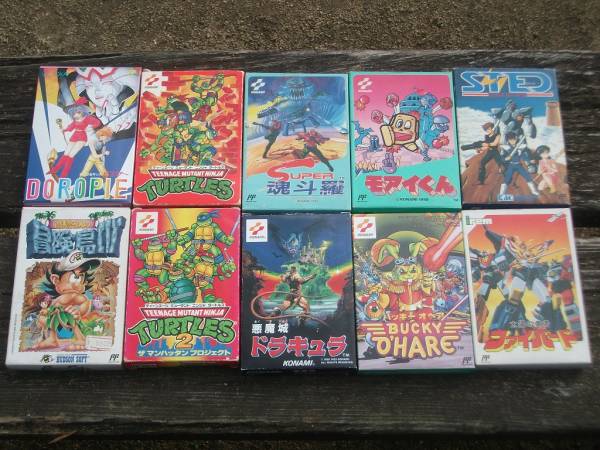
Yahoo! Auction in Japan has been used in creative ways before, but now we are seeing an auction that’s not even an auction at all.
The item in question is a set of 10 vintage 80s Nintendo games, but this auction isn’t about the item. It’s a contest that would require some keen detective work to solve. The person who can correctly identify the location where the games were photographed will get them all for free. To spice things up, the “seller” also put up some hints and further photos of the area. Think you can figure it out?
MOST POPULAR
Now
 Foreign man arrested for walking on Shinkansen tracks, claims he was on the run from yakuza
 Schoolkids learn life skills through shopping field trips at street markets in Kochi Prefecture
 Japanese manhole lid raises eyebrows with fertility god symbol that looks like… well, you know
 How to take your home ramen to the next level by making your own chashu pork in a frying pan
 Man bites woman at cherry blossom park in Japan, dies shortly after
 Mysterious light-up rainy night-sound Totoro figure doesn’t actually show a scene from the anime
 Father and son dissect a gachapon capsule toy machine to show us its magical insides【Video】
 What is Teru Teru Bozu? The tragic history behind the Japanese fine weather doll
 Crazy Tokyo restaurant offers a 7.3-pound tempura rice bowl, so of course we had to eat it!
 Crow surprises Japanese commuters by attempting to buy train ticket from a machine【Video】
Weekly
 Pokémon and Ikea Japan cross over into each other’s worlds with collaboration events
 Japan reportedly adding Japanese language skill requirement to most common foreigner work visa
 Starbucks Japan closing only Shinkansen platform branch for popularity-triggered renovations
 Two food hacks take Japan’s convenience store fried chicken to amazing new sandwich heights
 You can assemble a well-balanced team of Pokémon, them eat them, thanks to Japanese cake chain
 Fading Tokyo – Searching for signs of the Showa era as local neighborhoods evolve[Photos]
 Pokémon lacquerware series expands for Year of the Horse with new handcrafted design[Video]
 Tokyo turns its phone booths into free Wi-Fi hotspots, and here’s how to use them
 Tokyo teahouse serves up a sakura matcha dessert you won’t find anywhere else
 Totoro Fund line of beautiful artwork and apparel lets you help the real-world Totoro Forest
Monthly
- Pokémon and Ikea Japan cross over into each other’s worlds with collaboration events
 Japan now has a special desk for people who work at home with a pet cat[Photos]
- Japan reportedly adding Japanese language skill requirement to most common foreigner work visa
 Famous Tokyo cherry blossom spot installs view-blocking screens to fight overcrowding[Video]
 Uniqlo announces new T-shirts for One Piece, Naruto and more for manga publisher’s 100th birthday
 Train station platform ramen store closes its doors on half a century of history in Tokyo
 Starbucks Japan releases new My Fruit³ Frappuccino at only 34 stores around the country
 Studio Ghibli releases Catbus pullback keychain that runs like the anime character
 Krispy Kreme releases Super Mario doughnuts in Japan for a limited time
 Japanese onsen egg maker from 100-yen store Daiso needs to be on your shopping list
Yearly
 Survey asks foreign tourists what bothered them in Japan, more than half gave same answer
 Japan’s human washing machines will go on sale to general public, demos to be held in Tokyo
 Starbucks Japan releases new drinkware and goods for Valentine’s Day
 We deeply regret going into this tunnel on our walk in the mountains of Japan
 Studio Ghibli releases Kodama forest spirits from Princess Mononoke to light up your home
 Starbucks Japan releases new sakura goods and drinkware for cherry blossom season 2026
 Japan’s newest Shinkansen has no seats…or passengers [Video]
 Major Japanese hotel chain says reservations via overseas booking sites may not be valid
 Put sesame oil in your coffee? Japanese maker says it’s the best way to start your day【Taste test】
 No more using real katana for tourism activities, Japan’s National Police Agency says
RECOMMENDED STORIES
 Mysterious light-up rainy night-sound Totoro figure doesn’t actually show a scene from the anime
 Father and son dissect a gachapon capsule toy machine to show us its magical insides【Video】
 What is Teru Teru Bozu? The tragic history behind the Japanese fine weather doll
 Crazy Tokyo restaurant offers a 7.3-pound tempura rice bowl, so of course we had to eat it!
 Crow surprises Japanese commuters by attempting to buy train ticket from a machine【Video】
 New 7-Eleven sandwich goes viral in Japan, but is it everything it’s cracked up to be?
 See the world through a new lens while wearing a pair of Studio Ghibli-inspired eyeglasses
 Japanese version of Clean Bandit’s song “Solo” is set in Kyoto, impresses Japanese fans
 Would you eat this centipede crab?
 The poop ice cream to end all poop ice creams
-
