In movies, there’s never anything good hidden in the earth under a structure. It’s all Native American burial grounds, Egyptian mummies, and other assorted other corpses of non-specific ethnicities.
In real life, though, there are all sorts of desirable things waiting beneath the surface, such as oil and gold. An excavation crew in Kobe was looking for something just as good as those two valuable commodities, though: a hot spring, and they found one right in the heart of the city.
Onsen etiquette can be confusing for a foreigner visiting for the first time, and there are many small rules and customs that even many Japanese people aren’t quite clear on.There aren’t usually any written instructions around the baths as it is expected that everyone will already know the basic customs surrounding communal bathing. This means that things people who have grown up in Japan take for granted, such as putting your shoes in a locker when you arrive or knowing which towels to use for what, can be hard to figure out for first-timers, and your supposedly relaxing spa break can become a little bit stressful.
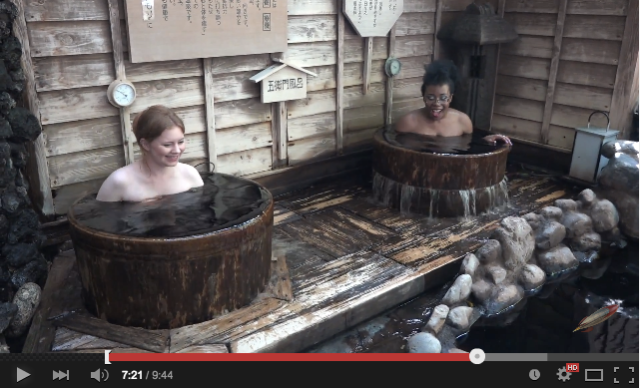
Check out the video below to see how our Japan Wish competition winner Ashley navigated her first ever trip to an onsen and see if she found it relaxing…or stressful!
In the land of earthquakes, typhoons, blistering summers and mountains of snow in the winter, Japan’s plentiful and luxurious hot springs are Mother Nature’s way of letting us know that she doesn’t totally hate us.
But the number of true hot springs – where water naturally comes from the ground rather than being pumped in and then heated – is lower than you might imagine. Many places such as the new “hot spring” being built in Shinjuku have their water shipped in from a real hot spring source.
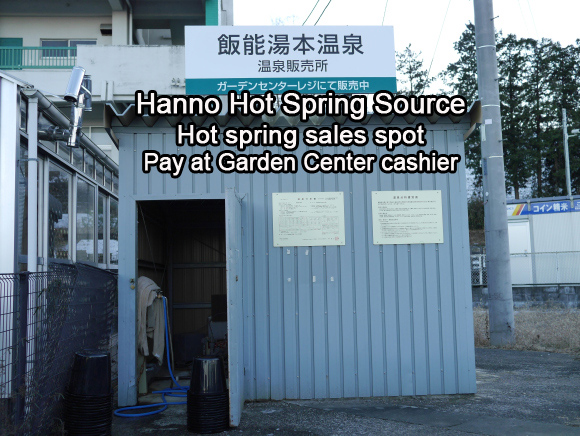
And now, if you live in the Kanto area, you can ship in your own hot spring water too! Why pay entry into some huge complex when you can soak in your own home bathtub away from the leering eyes of RocketNews24 journalists or tattoo-prudes. Oh, and did we mention it’s ridiculously cheap?
Do you love hot springs and spas? How about Tokyo? If so, we have good news for you! A new onsen (hot spring) spa, the largest in Tokyo, is currently under construction right here in beautiful Shinjuku! Even better, it’s set to open at the end of July.
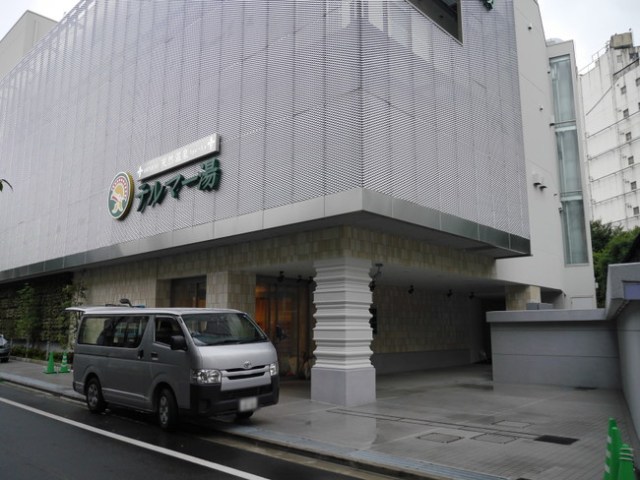
We were so excited about this ginormous new relaxation spot, we sent a writer to check out the new spa, called Thermae-yu, to see how it’s looking these days. Along the way we learned a certain secret that’s not actually a secret, but may disappoint die-hard onsen fans.
On 23 June the Japan Tourism Agency (JTA) announced that it would be conducting a first-of-its-kind study into public bathing facilities such as onsen (hot springs) and sento (bath houses), and their rules regarding tattoos.
Visitors to Japan are often warned that if they want to visit one of Japan’s hundreds of natural springs or meticulously designed baths they can’t be inked up. But how widespread is this rule in Japan really, and is it doing more harm than good in this day and age? These are the things the JTA hopes to learn more about in the weeks to come.
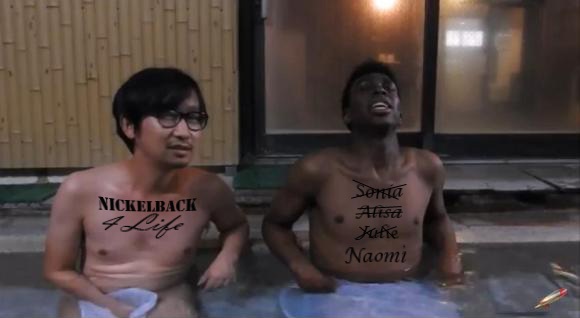
Going to an onsen hot spring is one of those quintessentially Japanese experiences that every visitor to the country should have. But is, sadly, an activity many westerners choose to skip for a number of reasons. Coming from a culture where taking a bath with another person is something you really don’t do beyond early childhood, the thought of walking around naked and sitting in a huge bath with a bunch of naked strangers can seem a bit unappealing. I myself was in Japan for two years before I finally decided to take the plunge, but once I did, I was hooked.
Our Japanese writers here at RocketNews24 decided to take a their American pal along for his first onsen experience at the famous Kusatsu Onsen. Find out what he thought of his first ever hot spring soak after the jump.
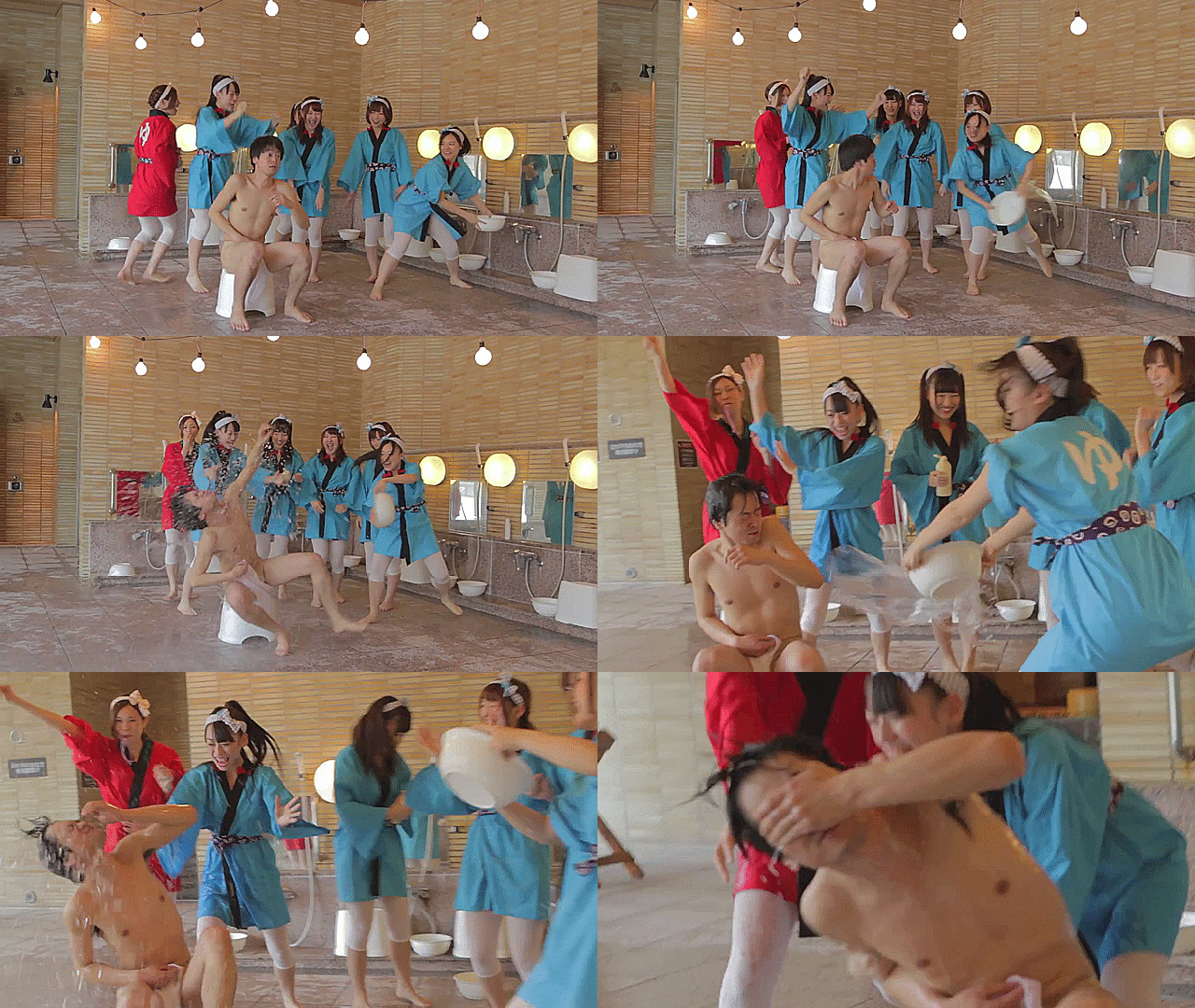
Tochigi local idol group Tochiotome 25 have once again released a music video showcasing the charms of their rural home town with “Yu” (release date: April 22). This one’s… a little different.
Many foreign visitors to Japan are curious about taking a dip in one of Japan’s many hot springs or sento public baths, but are deterred by two factors: the embarrassment of being naked in public, and the worry that even having a small tattoo – very much taboo in Japan – might result in being ejected from the premises. While the first issue is something that can be overcome with a little bravery, the second issue is undoubtedly a problem.
However, a resort inn in Nagano has nowpublicly stated that they will allow foreigners with small tattoos to enter, providing they cover up the offending ink with a patch.
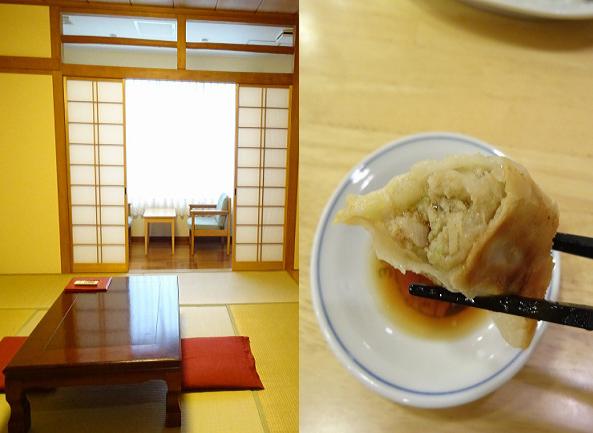
Ask a Japanese person to give some examples of Chinese food, and they’ll likely reply with things like chaahan (fried rice) and the quintessential gyoza (pot-stickers). With their crispy fried outsides and juicy, flavorful insides, you can’t go wrong with gyoza, and many would say that Chinese food chain GYOZANOMANSYU (餃子の満州), based in the Kanto region of Japan, is the leader of them all.
Those wishing to take the gyoza experience a bit further can visit the hot-spring hotel Toumeikan in Gunma Prefecture, managed by GYOZANOMANSYU, and for a mere 5,900 yen per night (roughly US$59) you can stay in one of their cozy Japanese-style rooms, take a relaxing soak in the onsen hot springs, and get your fill at their breakfast buffet. Located deep in the mountains of Gunma, yet within a two- to three-hour drive from Tokyo, makes this a great place for a weekend getaway. Albeit one involving lots of garlic and chives.
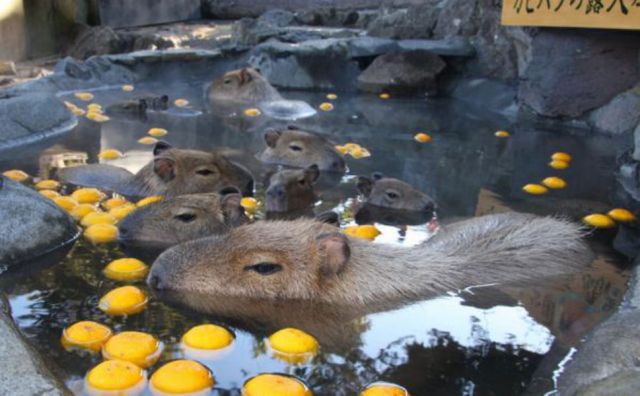
With the invention of indoor plumbing and bathtubs (not really news to anyone, we’d hope), the traditional public bath houses and hot springs of Japan are now used for relaxing getaways more than actual hygienic necessity. Heck, even capybara soak in hot springs to relax!
Hot springs, known as onsen in Japanese, are also becoming popular with foreign visitors, at least those brave enough to bare it all in front of strangers. For health and safety reasons, there are quite a few rules to pay attention to when soaking in a public bath. A very nicely designed etiquette poster, which recently surfaced on TripAdvisor, is very thorough and is even teaching Japanese people a thing or two about the bathing experience!
Keiunkan Inn in Hayakawa, Yamanashi Prefecture is famous for holding the Guinness World Record for being “The oldest hotel in the world”. Established in 705 A.D., it boasts such notable former guests as daimyo Takeda Shingen, shogun Tokugawa Ieyasu, and numerous emperors of Japan.
The inn itself is located in the southern alps of Yamanashi Prefecture, nestled in lush valleys in the very heart of nature. It’s the perfect location for escaping from the hustle and bustle of city life. What’s more, the inn is built upon prime hot springs ground, which means guests are able to enjoy numerous open-air and communal hot spring baths. Each room’s shower, bath and sink facilities are fed by pure hot spring water, which is neither treated nor heated by any artificial means. In fact, except for the toilets, the entire inn uses the hot springs water in its daily running, which makes it a very special and luxurious place to visit.
Our reporter, Yoshio, decided to book a stay in “the oldest hotel in the world” in order to share his experiences with the good readers of RocketNews24. Read on for many, many gorgeous photos of his trip!
For most travelers in Japan, the highlight of a trip to the hot springs is the rotenburo, or open-air bath. The idea of an alfresco dip is so appealing that drawing visitors to your hot spring inn or hotel becomes several degrees harder if you don’t have outdoor tubs.
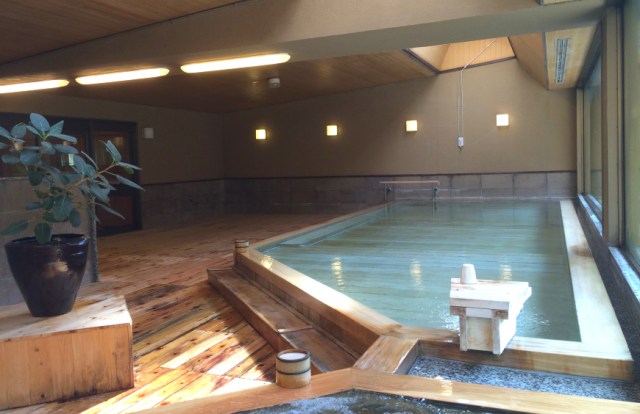
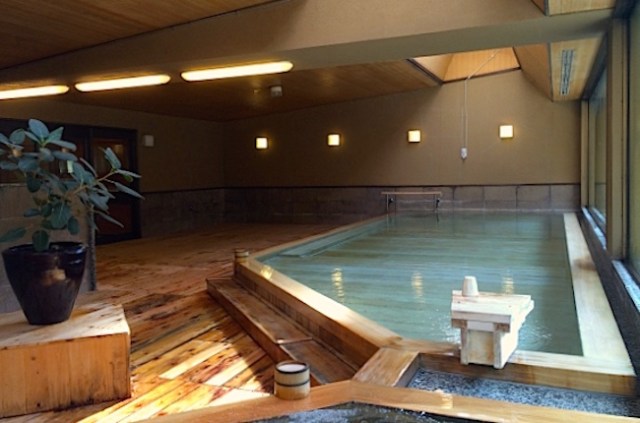
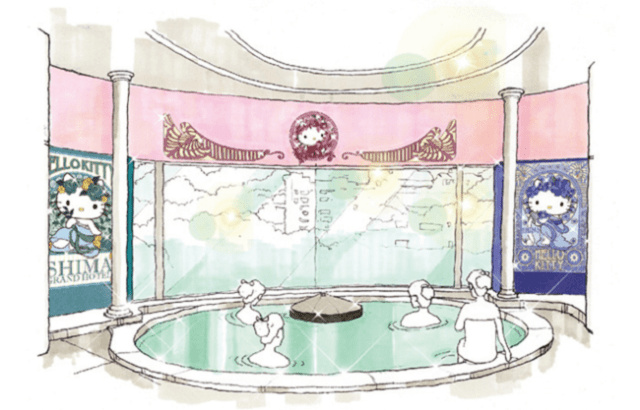
But you shouldn’t write off indoor hot springs entirely, as they boast a couple of advantages. Having a roof over your head makes them a good choice for a rainy day, and being climate controlled means less shivering once you step out of the water. Plus, if you’re heading to Gunma Prefecture, soon one indoor hot spring will give you the chance to soak in the company of Hello Kitty.
Sure, monkeys bathing in natural hot springs are cute and famous and all, but they’re just monkeys, not giant rodents! Who doesn’t want to watch the world’s biggest rodents bathe in hot water? No one, that’s who. Thankfully, the annual capybara hot spring (onsen) event at Izu Shaboten Park will reopen on December 20!
But wait! After 32 years, the capybara at Izu Shaboten Park in Shizuoka finally got word out to their rodent relatives at the other zoos and now animal parks all over Japan have hot water baths for their capybara.
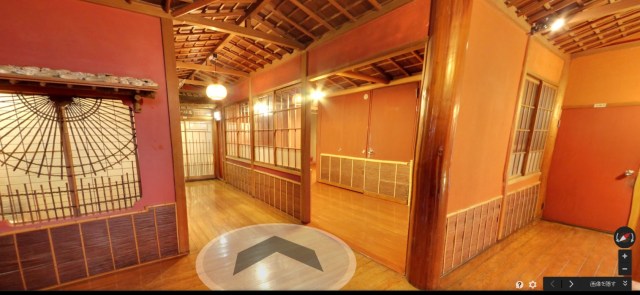
Nestled in the mountains of Nagano sits the Ryokan Kanaguya. It’s an inn with over two and a half centuries of history and seems to walk that fine line between quaint and extravagant. It’s also a part of the ever-growing list of bathhouses said to be the inspiration for the Ghibli classic Spirited Away.
Simply by tweeting some promotional photos of Kanaguya from its website, one user managed to net over 24,000 retweets. Needless to say, it’s an attractive holiday destination. But before you go booking a room, why not take a brief virtual tour of Kanaguya via Google Street View which appears to be well on its way to mapping the entire world inside and out.
Oita, on the eastern coast of Japan’s southern island of Kyushu, has taken to billing itself as Onsen-ken. And while that title loses a bit of its rhyming appeal once it’s translated into English, it’s hard to deny that it really is the Hot Spring Prefecture, as Oita boasts more hot springs than anywhere else in Japan.
As a matter of fact, Oita has so much geothermal water that it can get creative with its most attractive and relaxing natural resource, as shown by these unique ways locals and tourists can enjoy the prefecture’s hot springs.
Japan is becoming known worldwide for its natural hot springs and public bath houses. Lately, bathers have more and more soaking options with specialty baths popping up all over. We’ve seen snow-covered baths, tea baths, sake baths and herbal baths.
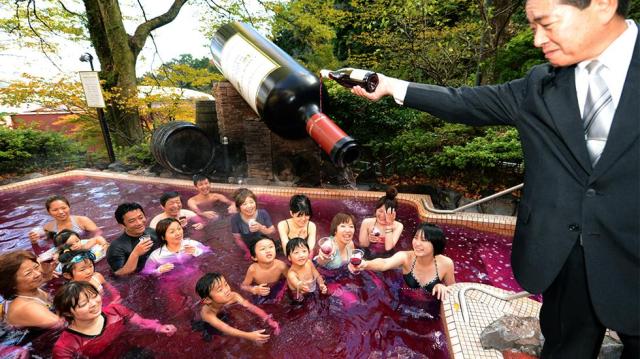
Every November however, a bathhouse near Tokyo has a unique 10-day wine bath to celebrate the release of France’s Beaujolais Nouveau wine.
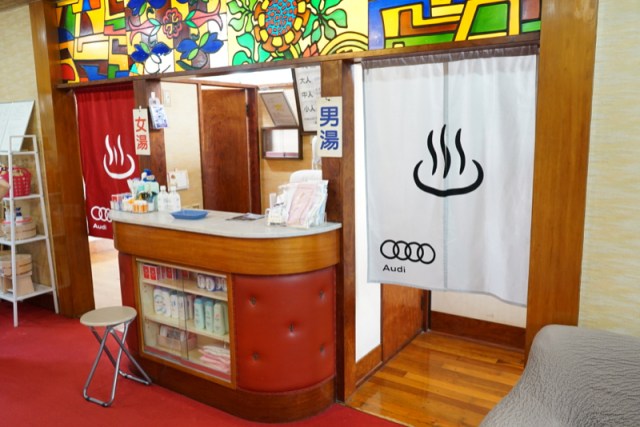
To celebrate 200,000 likes on Facebook, Audi commissioned sentō (public baths) artist Mizuki Tanaka to paint a mural that could be enjoyed while relaxing in the hot water of natural springs. Our photographer went to check it out.
Few countries in the world have embraced bathing to the level that Japan has. Inspired by the many natural hot springs (onsen) found around, designers have continuously developed baths at competing inns (ryokan) and bathhouses (sento) for well over a millennium. The fruits of these labors can still be found today in the incredibly relaxing Japanese tubs often referred to as ofuro.
Iacopo Torrini is an Italian architect who works with Japanese ofuro craftsmen selling these traditional tubs all over the world. However, as you might imagine, buying handcrafted bathtubs internationally can be a pricey ordeal. Knowing this, Torrini feels he has come up with a way to affordably and accurately recreate the ofuro experience in any tub, which he calls Pocket Onsen.
When you think of an onsen, what springs to mind? Tranquil steaming pools surrounded by misty mountains and bamboo groves? This is probably the the ideal image of a hot springs getaway, but there are actually over 200 onsen facilities to be found amidst the high-rise office blocks and busy roads of central Tokyo. And there’s soon to be one more to enjoy in Otemachi, right in the heart of Tokyo’s business district.
Even though the prefecture is home to barely a million residents, Oita has not one, but two famous hot spring resorts. Yufuin is generally held to be the more refined and tastefully restrained of the pair, while Beppu, despite having some of the most popular hot springs in Japan, gets saddled with the reputation as the more touristy town.
While there may be some truth to the labels, there’s one thing Beppu has that you won’t find in Yufuin, or anywhere else in the country for that matter: Japan’s only hot spring with three Michelin stars.
 Famous Tokyo cherry blossom spot installs view-blocking screens to fight overcrowding[Video]
 Japan now has a special desk for people who work at home with a pet cat[Photos]
 Uniqlo announces new T-shirts for One Piece, Naruto and more for manga publisher’s 100th birthday
 This upcycled Kyoto train cafe is the ultimate kawaii spring experience
 Final Fantasy invites you to adventure in Fukushima with Fukushima Fantasy Chocobo fun[Video]
 Japanese kindness restores our faith in humanity after a highway bus accident in Tokyo
 Japan now has a “for foreign tourists only” Mt. Fuji sightseeing train[Video]
 Fatal stabbing at Pokémon Center in Tokyo reignites concern over rising stalking cases in Japan
 Starbucks Japan adds new Sencha Matcha Tea Frappuccino to its menu, but only at 28 locations
 Krispy Kreme releases Super Mario doughnuts in Japan for a limited time
 7-Eleven Japan releases a crazy new viral sandwich: Chocolate Sprinkles and Whipped Cream
 Starbucks Japan releases new My Fruit³ Frappuccino at only 34 stores around the country
 Nine amazing off-the-beaten-path cherry blossom spots in Japan for yaezakura and shidarezakura
 Stunning central Japan wisteria festival is like a purple fantasy straight out of a Ghibli movie
 Studio Ghibli releases the My Neighbour Totoro tea caddy, with a magical self-closing lid
 Create a tiny Ghibli anime world on your bookshelf with new miniature papercraft art kits
 Studio Ghibli unveils new Rollbahn notebook in honour of Howl’s Moving Castle
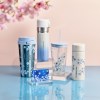 Starbucks Japan unveils new sakura cherry blossom collection for hanami season 2026
 Train station platform ramen store closes its doors on half a century of history in Tokyo
 Studio Ghibli releases Catbus pullback keychain that runs like the anime character
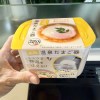 Japanese onsen egg maker from 100-yen store Daiso needs to be on your shopping list
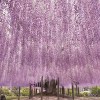 Nine great places to see spring flowers in Japan, as chosen by travelers (with almost no sakura)
 Starbucks Japan releases first-ever Hinamatsuri Girls’ Day Frappuccino
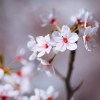 Cherry blossoms begin blooming in Japan with record-early starts for sakura season
 Survey asks foreign tourists what bothered them in Japan, more than half gave same answer
 Japan’s human washing machines will go on sale to general public, demos to be held in Tokyo
 Starbucks Japan releases new drinkware and goods for Valentine’s Day
 We deeply regret going into this tunnel on our walk in the mountains of Japan
 Studio Ghibli releases Kodama forest spirits from Princess Mononoke to light up your home
 Starbucks Japan releases new sakura goods and drinkware for cherry blossom season 2026
 Japan’s newest Shinkansen has no seats…or passengers [Video]
 Major Japanese hotel chain says reservations via overseas booking sites may not be valid
 Put sesame oil in your coffee? Japanese maker says it’s the best way to start your day【Taste test】
 No more using real katana for tourism activities, Japan’s National Police Agency says
 Japanese kindness restores our faith in humanity after a highway bus accident in Tokyo
 Japan now has a “for foreign tourists only” Mt. Fuji sightseeing train[Video]
 Fatal stabbing at Pokémon Center in Tokyo reignites concern over rising stalking cases in Japan
 Starbucks Japan adds new Sencha Matcha Tea Frappuccino to its menu, but only at 28 locations
 Krispy Kreme releases Super Mario doughnuts in Japan for a limited time
 Godiva now makes tofu in Japan, and sakura chocolate tofu too![Taste test]
 Create a tiny Ghibli anime world on your bookshelf with new miniature papercraft art kits
 Tokyo Station’s perfect breakfast spot might just be this izakaya Japanese-style pub
 Coca-Cola Japan releases new clear coke this month, we get to try it before it goes on sale
 Starbucks Japan releases new My Fruit³ Frappuccino at only 34 stores around the country
 Daiso has giant new branch in middle of Tokyo’s Shinjuku neighborhood (and another beneath it)
 We visit the full-scale Evangelion statue in Kyoto and particularly delight in the food tie-ins
 The etiquette rules for visiting Shinto shrines in Japan
 Japanese politicians working to promote plastic model culture as a cultural asset