
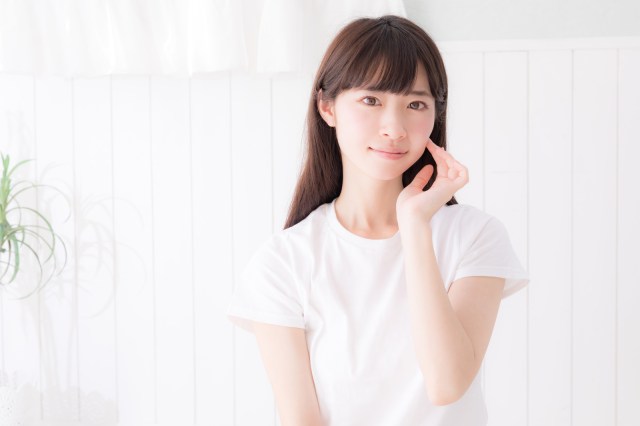
Kao leads the way in eliminating the notion of “white is beautiful” in the skincare industry.
Beauty ideals differ somewhat from country to country, and here in Japan, one of the longstanding trends has been to lighten the skin, using all sorts of products from cleansers through to moisturisers and makeup.
It’s a beauty standard supported by the skincare industry, with the word “whitening” widely used to promote products, but now one leading cosmetics company is working to end this wording, citing concerns surrounding racial inequality as highlighted by the current Black Lives Matter movement.
The word often used to describe whitening in the Japanese skincare industry is “美白” (bihaku), which contains the kanji for beauty (美) and white (白), promulgating the notion that white is beautiful.
While bihaku is still commonly used by beauty brands, Kao is the first to take steps to address the issue by announcing it would no longer be using the word in its new products from March. The company aims to eliminate the word from all its products in several years.
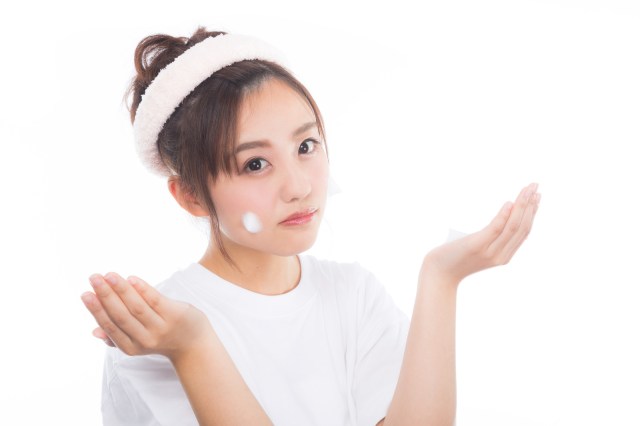
Kao says they didn’t want to send out the message that one type of skin tone is inferior or superior to another, and came to the decision to drop the wording as part of their overall commitment to promoting diversity.
Despite their decision to stop using the problematic wording, “whitening” products are likely to remain popular in Japan as they’re believed to reduce the appearance of freckles and dark spots.
Kao says it will continue to cater to this demand, but instead of using terms like bihaku or “whitening”, they’ve now chosen to adopt the word “brightening“, starting with the new Twany range of products released in mid-March.
トワニー ブライトニングαセラムを手の甲の左半分に塗布してみました。ただなじませただけなのに、分かりやすく違う…!
— TWANY(トワニー)OFFICIAL (@JpTwany) March 23, 2021
肌表面の水面(みなも)のようなきらめきをご覧ください。秘密は、絶妙なバランスで配合したオイル!光の反射と拡散をコントロールして、明るい肌印象を叶えてくれます💎 pic.twitter.com/6sSmp8Hd0d
This change in language comes in the wake of similar moves taken by overseas companies, such as L’Oreal and Unilever. Within Japan, Kao is the first Japanese cosmetics company to stop using the words “whitening” and bihaku, and hopefully other local brands will soon follow their lead.
Kao’s commitment to diversity extends beyond the language used to market their products, as they’re also working to address gender issues, adding extra options of “neither” and “not sure” for responses to gender questions on questionnaires.
The company also says it plans to release a new range of foundations this autumn with 23 shades, roughly twice as many shades as those usually offered, and it’s taking steps to deal with other concerns such as the use of words like “standard” or “normal” for popular shades of foundation.
It’s heartening to see progressive steps like these being taken by a Japanese cosmetics company with a history stretching all the way back to 1887. If a 134-year-old business is able to shake up the beauty world and bring it into the 21st Century by taking a stance against inequality, there’s no reason why others can’t do it too.
Source: Nikkei via Jin
Featured image: Pakutaso
Insert images: Pakutaso
● Want to hear about SoraNews24’s latest articles as soon as they’re published? Follow us on Facebook and Twitter!
 Seven Japanese drugstore beauty products loved by women abroad
 Eight beauty products recommended by Japanese Twitter for a great “au natural” look
 4 Japanese beauty fads that Westerners just don’t understand
 Seven Japanese beauty products recommended by Twitter that are perfect for lazy girls
 Studio Ghibli Steam Cream body lotion is this winter’s must-have anime beauty product
 Japan’s best conveyor belt sushi restaurant of seven years ago has now, finally, come to Tokyo
 Wisteria season starts early with blooming of Japan’s Great Wisteria in its beautiful garden
 Japanese trains in Sapporo might be better than those in Tokyo, thanks to one special feature
 Starbucks Japan releases FIVE new Frappuccinos in a day, and we try them all in 90 minutes
 Downtown Tokyo’s meaty monster Kaibutsu ramen will challenge your stomach, thrill your taste buds
 Peanuts and Coke becomes a viral hit in Japan, but is it a trend worth joining?
 Pringles Chocolate, but with a Japanese twist, is the snack hack you should be trying right now
 Lawson convenience store at popular tourist site is one of the most unusual in Japan
 Tokyo Station staff share their top 10 favorite ekiben
 Foreign man arrested for walking on Shinkansen tracks, claims he was on the run from yakuza
 Japan reportedly adding Japanese language skill requirement to most common foreigner work visa
 Mt. Fuji decorated with a 500,000-flower pink carpet is Japan’s ultimate spring view
 30 Pikachus want to share a Tokyo hotel room with you that has separate Grass, Water, Fire spaces
 You can assemble a well-balanced team of Pokémon, them eat them, thanks to Japanese cake chain
 Man bites woman at cherry blossom park in Japan, dies shortly after
 7-Eleven Japan’s new baked-in-store sweet treat is only available in three parts of the country
 Starbucks Japan closing only Shinkansen platform branch for popularity-triggered renovations
 Pokémon and Ikea Japan cross over into each other’s worlds with collaboration events
 Japan now has a special desk for people who work at home with a pet cat[Photos]
 Famous Tokyo cherry blossom spot installs view-blocking screens to fight overcrowding[Video]
 Uniqlo announces new T-shirts for One Piece, Naruto and more for manga publisher’s 100th birthday
 Train station platform ramen store closes its doors on half a century of history in Tokyo
 Starbucks Japan releases new My Fruit³ Frappuccino at only 34 stores around the country
 Krispy Kreme releases Super Mario doughnuts in Japan for a limited time
 Japanese onsen egg maker from 100-yen store Daiso needs to be on your shopping list
 Survey asks foreign tourists what bothered them in Japan, more than half gave same answer
 Japan’s human washing machines will go on sale to general public, demos to be held in Tokyo
 Starbucks Japan releases new drinkware and goods for Valentine’s Day
 We deeply regret going into this tunnel on our walk in the mountains of Japan
 Starbucks Japan releases new sakura goods and drinkware for cherry blossom season 2026
 Studio Ghibli releases Kodama forest spirits from Princess Mononoke to light up your home
 Japan’s newest Shinkansen has no seats…or passengers [Video]
 Major Japanese hotel chain says reservations via overseas booking sites may not be valid
 Put sesame oil in your coffee? Japanese maker says it’s the best way to start your day【Taste test】
 No more using real katana for tourism activities, Japan’s National Police Agency says
 Moisturizing gel from Japan markets itself as though a cat is cleaning you with its drool【Pictures】
 Smell like matcha tiramisu with new spray lotion from 126-year-old Japanese cosmetics company
 Rice bran, the skincare product used by Japanese women for centuries and now Chloë Grace Moretz
 Medi Lift: the Japanese beauty product that promises facelift results without surgery
 A century’s worth of Japanese beauty trends, from silver screen chic to puffy-eyed catharsis
 Dove ad slams Japanese beauty ideals, backfires with complaints from public instead
 This new beauty “hack” from China might make you a bit squeamish…if it’s real